
November 19, 2025
The journey of material transformation often involves intricate machinery, and few industrial apparatuses have shaped modern manufacturing as profoundly as the expanded mesh machine. At its core, an expanded mesh machine is a highly specialized machine designed to slit and stretch sheet metal into a myriad of mesh patterns without any material loss in the form of chips or scraps. This unique cold-forming process creates a monolithic piece of metal, renowned for its superior strength-to-weight ratio, inherent rigidity, and open area percentage. From its early iterations, which primarily served basic industrial grating needs, the expanded mesh machine has evolved into a sophisticated cornerstone of contemporary fabrication, enabling precise production across an astonishing array of applications. Its significance stems not only from its efficiency in material utilization—a critical factor in today's resource-conscious economy—but also from the remarkable versatility it offers designers and engineers. The resulting expanded metal can be engineered for specific aesthetic, structural, or functional requirements, making it indispensable in sectors ranging from construction and architecture to automotive and advanced filtration. Understanding the fundamental mechanics and the profound implications of this technology is key to appreciating its ongoing impact on global industries and its trajectory toward future innovation.
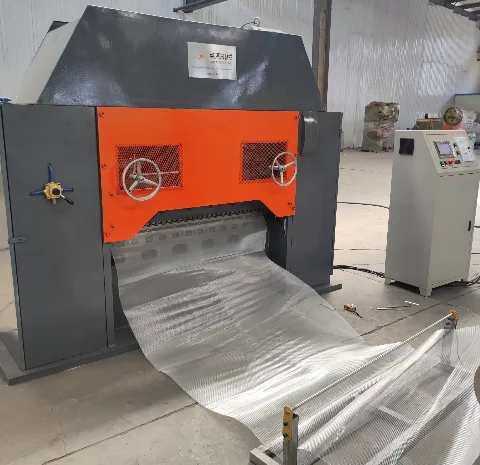
The inherent advantages of expanded metal production, facilitated by advanced presses, are manifold. Unlike perforated metal, which generates significant scrap during punching, the expansion process utilizes virtually 100% of the raw material, presenting substantial economic and environmental benefits. This efficiency directly translates into lower production costs and reduced waste disposal, positioning expanded metal as a sustainable choice. Furthermore, the geometric integrity of expanded mesh, characterized by its unbroken strands and rigid nodes, imparts a structural robustness that often surpasses the original sheet metal. This enhanced strength, coupled with its lightweight nature, makes it an ideal material for applications where both performance and weight savings are paramount. The ability to control the diamond or other pattern size, strand width, and overall open area empowers manufacturers to tailor the material's properties precisely to demanding specifications. As industries continue to seek materials that offer optimal performance, cost-effectiveness, and environmental responsibility, the role of the expanded mesh machine remains central, driving innovation and expanding the possibilities of metal fabrication.
Modern expanded mesh machinees embody the pinnacle of precision engineering, integrating advanced mechanical, hydraulic, and electronic systems to achieve unparalleled operational efficiency and product quality. A hallmark of these machines is their robust construction, typically featuring heavy-duty welded frames that ensure stability and minimize vibration during high-speed operation, critical for maintaining dimensional accuracy. The heart of the press lies in its reciprocating ram mechanism, which houses specialized tooling—a combination of slitting knives and spreading dies. These tools are meticulously crafted from high-grade hardened steel, often with specialized coatings, to withstand intense forces and prolonged usage while maintaining sharp cutting edges. The precision of the slitting and spreading sequence is paramount, and contemporary presses utilize sophisticated servo-driven motors or advanced hydraulic systems to control ram speed and stroke depth with micron-level accuracy. This allows for extremely tight tolerances in mesh dimensions, consistency across large production runs, and rapid changeovers between different patterns.
Beyond the core mechanical components, the operational efficiency of a modern press is significantly enhanced by its integrated control systems. Programmable Logic Controllers (PLCs) govern every aspect of the machine’s operation, from material feeding and synchronized cutting to automatic lubrication cycles and safety interlocks. Human-Machine Interfaces (HMIs), often touch-screen based, provide intuitive control, allowing operators to set parameters, monitor production metrics, and diagnose issues with ease. Advanced presses also incorporate features such as automatic coil loading and straightening systems, which minimize manual intervention and ensure a continuous, uniform supply of raw material. Furthermore, safety remains a paramount concern, with comprehensive guarding, emergency stop systems, and light curtains protecting operators from moving parts. The synergy of these precision-engineered components and intelligent control systems not only optimizes production speed—often reaching hundreds of strokes per minute—but also dramatically reduces scrap rates, minimizes downtime for maintenance, and ensures a consistently high-quality output, thereby solidifying the expanded mesh machine's role as a high-performance industrial asset.
The transition from traditional metalworking techniques to advanced expanded metal production represents a significant leap in efficiency and economic viability, underscored by compelling performance data. When comparing the expanded metal process to conventional methods like punching or welding mesh, the quantifiable benefits become starkly apparent. For instance, material utilization rates for expanded metal typically hover between 95% and 100%, as the process merely redistributes the original sheet, unlike punching operations which can generate up to 30-40% scrap material in the form of slugs. This direct conservation of raw material translates into immediate and substantial cost savings, particularly when working with expensive alloys like stainless steel or specialized non-ferrous metals.
In terms of production speed and throughput, modern expanded mesh machinees can achieve remarkable rates. High-speed models are capable of generating mesh at speeds exceeding 500 strokes per minute, producing hundreds of square meters of finished product per hour. This dwarfs the output rates of traditional woven or welded mesh processes, which often involve multiple, slower steps. Furthermore, the energy efficiency of the expanded mesh machine has seen significant advancements. While specific figures vary by machine size and material, optimized hydraulic and servo-driven systems consume less power per unit of output compared to older mechanical presses or energy-intensive welding processes, contributing to lower operational expenditures and a reduced carbon footprint. The consistency in product quality, facilitated by precise digital controls, also leads to fewer rejects and rework, further improving overall manufacturing yield. Below is a comparative overview highlighting key performance indicators:
Feature | expanded mesh machine (Modern) | Perforated Metal (Punching) | Woven/Welded Mesh |
Material Utilization Rate | 95% - 100% | 60% - 70% (due to scrap) | 90% - 98% (material specific) |
Production Speed (Strokes/Min) | 200 - 500+ | Variable, but often slower per unit area | Slower due to weaving/welding process |
Energy Efficiency per Unit Output | High (optimized systems) | Moderate (impacted by punching) | Variable (welding is energy-intensive) |
Tooling Changeover Time | Fast (automated systems: 10-30 min) | Moderate (30-60 min) | Slow (complex retooling) |
Labor Requirement | Low (automated feeding/output) | Moderate (material handling) | High (manual or semi-automated) |
Product Rigidity | Excellent (monolithic structure) | Good | Variable (joints can fail) |
Cost of Ownership (Long-term) | Competitive (high initial, low operational) | Moderate | Higher due to labor/scrap |
These quantifiable metrics underscore why the expanded mesh machine has become the preferred choice for applications demanding both high performance and economic efficiency. The substantial gains in material efficiency, coupled with enhanced production speeds and reduced labor dependency, provide a clear competitive advantage in a demanding industrial landscape.
The global market for expanded mesh machinees is characterized by a diverse ecosystem of manufacturers, each bringing unique strengths, technological specializations, and service philosophies to the table. Choosing the right supplier is a critical decision that profoundly impacts production capabilities, product quality, and long-term operational costs. Generally, the market can be broadly categorized into established global leaders, niche specialists, and emerging regional players. Global leaders often excel in offering a comprehensive range of machines, from entry-level models to highly customized, fully automated lines, backed by extensive R&D, robust after-sales support networks, and a reputation for durability and cutting-edge innovation. Their presses frequently incorporate proprietary technologies in tooling, control systems, and material handling, resulting in superior precision and higher throughput rates. However, this often comes with a premium price point.
Niche specialists, on the other hand, might focus on specific applications, materials, or machine sizes. They could offer highly optimized solutions for producing micro-mesh for battery components, heavy-gauge expanded metal for industrial flooring, or presses tailored for unique alloys. Their strength lies in deep expertise within a particular segment, potentially offering more cost-effective solutions for specialized needs without sacrificing quality in their domain. Emerging regional players, particularly those in rapidly industrializing economies, often compete on price, offering more budget-friendly options that may still meet standard production requirements. While these manufacturers have made significant strides in closing the technology gap, buyers should meticulously evaluate their build quality, component sourcing, long-term reliability, and the availability of technical support and spare parts. Factors such as a manufacturer's commitment to continuous innovation, their track record in customer service, the availability of comprehensive training for operators, and their global installation base are crucial considerations in making an informed purchasing decision. A thorough comparative analysis, extending beyond initial capital investment to include operational costs, maintenance schedules, and expected lifespan, is essential for identifying a manufacturing partner that aligns with a company's strategic production goals.
The versatility of the expanded mesh machine extends far beyond standardized production, allowing for a remarkable degree of customization to meet highly specific industrial and aesthetic requirements. Modern manufacturers recognize that a one-size-fits-all approach is rarely sufficient for today's diverse applications. Consequently, they offer extensive customization options, transforming the basic press into a bespoke solution. This begins with the ability to vary mesh patterns, which can range from classic diamond shapes to square, hexagonal, architectural, or even irregular designs. The specific geometry—including the short way of mesh (SWD), long way of mesh (LWD), and strand dimensions—can be precisely engineered through interchangeable tooling, allowing for fine-tuning of open area, light transmission, and aesthetic appeal.
Furthermore, presses can be tailored to process a vast array of materials, from common carbon steel, galvanized steel, and aluminum to more specialized alloys like stainless steel, copper, brass, and even certain plastics. The machine’s tooling materials, lubrication systems, and cutting forces are calibrated according to the material's properties, ensuring optimal performance and tool longevity. Beyond the press itself, customization often involves integrating it into a complete production line. This might include automated decoiling and straightening units for handling large metal coils, precision shearing machines for cutting expanded sheets to exact dimensions, and automatic recoiling or stacking systems for finished products. For highly demanding applications, specific ancillary equipment such as deburring machines, flattening rollers, or specialized surface treatment lines can be incorporated. Collaboration with the manufacturer's engineering team is paramount in developing these tailored solutions. Through detailed consultations, specific production volumes, material types, mesh specifications, and budgetary constraints are thoroughly analyzed to design a system that not only meets current demands but also offers the flexibility for future expansion and adaptation. This commitment to bespoke engineering ensures that each expanded metal production line is optimized for peak performance and efficiency within its intended operational context.
The intrinsic qualities of expanded metal—its high strength-to-weight ratio, excellent ventilation, and integral, non-raveling structure—have propelled its adoption across an extraordinarily diverse range of industrial sectors. From heavy-duty structural components to intricate decorative elements, expanded metal, produced by advanced presses, provides solutions where conventional materials often fall short. In the construction industry, it serves as robust catwalks, stair treads, and safety grating, offering slip resistance and load-bearing capabilities. Its open mesh design also makes it ideal for architectural facades, sunscreens, and interior design elements, providing aesthetic appeal while allowing for light and air circulation. The security sector heavily relies on expanded metal for fencing, window guards, and barrier systems, where its monolithic structure makes it highly resistant to cutting and penetration, offering superior protection compared to woven wire mesh.
The automotive industry leverages expanded metal for radiator grilles, air intakes, and catalytic converter supports, benefiting from its strength, airflow properties, and heat dissipation capabilities. In the filtration industry, fine expanded metal mesh acts as support media for filters in HVAC systems, liquid filtration, and particulate separation, offering consistent open area and resistance to clogging. Agricultural applications include ventilation screens, animal enclosures, and machinery guards. Furthermore, its unique properties are increasingly vital in emerging technologies: ultra-thin expanded foil can serve as current collectors for battery electrodes, enhancing energy density and longevity in electric vehicles and renewable energy storage. The ability of an expanded mesh machine to produce a wide spectrum of mesh sizes, from heavy-gauge industrial gratings to micro-mesh used in sensitive electronic shielding, underscores its adaptability. Each application capitalizes on expanded metal's ability to combine structural integrity with open area, making it a versatile and indispensable material in modern engineering and design.
The trajectory of the expanded mesh machine industry is firmly set on innovation, driven by demands for increased automation, greater precision, and enhanced material versatility. As industries worldwide embrace the principles of Industry 4.0, future presses will integrate even more sophisticated IoT capabilities, allowing for real-time data collection on production parameters, predictive maintenance analytics, and remote diagnostics. This will enable manufacturers to optimize machine performance, reduce downtime, and achieve unprecedented levels of operational efficiency. Artificial intelligence and machine learning algorithms are poised to play a significant role, automating quality control processes by instantly detecting deviations in mesh patterns and dimensions, ensuring flawless output without human intervention.
Material science advancements will also shape the next generation of expanded mesh machinees. There will be a growing emphasis on processing challenging and advanced materials, such as high-strength alloys, composites, and specialized plastics, pushing the boundaries of what expanded metal can achieve. This will necessitate the development of new tooling materials, advanced lubrication systems, and more powerful, precise ram mechanisms. Furthermore, environmental sustainability will remain a core driver. Future presses will be engineered for even greater energy efficiency, minimal noise pollution, and near-zero material waste, aligning with global commitments to green manufacturing. The ability to rapidly reconfigure presses for different mesh patterns and material thicknesses will become even more streamlined, supporting agile manufacturing models and personalized production runs. Ultimately, the expanded mesh machine will evolve not just as a standalone machine, but as an integral, intelligent component within fully interconnected and highly adaptable manufacturing ecosystems, continuing to serve as a pivotal technology for innovative material solutions across an ever-expanding horizon of applications. The future of the expanded mesh machine promises a blend of robust engineering and smart technology, expanding its utility and economic impact.
A1: An expanded mesh machine operates on a unique cold-forming principle where sheet metal is simultaneously slit and stretched. The machine's reciprocating ram, fitted with specialized dies and knives, makes staggered cuts in the metal and then expands these cuts into diamond-shaped or other patterns without any material loss, creating a continuous, monolithic mesh.
A2: Expanded metal is a single, continuous piece of metal, formed by slitting and stretching, resulting in no waste. Perforated metal is created by punching holes, which generates scrap. Woven or welded mesh consists of individual strands joined together, potentially having weaker connection points. Expanded metal offers superior strength-to-weight ratio and rigidity due to its integral structure.
A3: Modern expanded mesh machinees are highly versatile and can process a wide range of materials, including carbon steel, galvanized steel, stainless steel, aluminum, copper, brass, titanium, and even some specialized plastics and alloys, depending on the press's tooling and capabilities.
A4: Key advantages include near 100% material utilization (zero scrap), high production speed and efficiency, excellent strength-to-weight ratio, inherent rigidity, effective ventilation and light transmission, and superior resistance to unraveling compared to woven materials. It also offers significant design flexibility in mesh patterns.
A5: Critical factors include the desired mesh patterns and sizes, the types and thicknesses of materials to be processed, required production volume and speed, automation level, machine robustness and precision, energy efficiency, ease of tooling changeover, safety features, after-sales support, and overall cost-effectiveness (initial investment vs. operational savings).
A6: Yes, specialized expanded mesh machinees equipped with high-precision tooling and advanced control systems are capable of producing micro-mesh, often used in filtration, battery electrodes, EMI shielding, and other sensitive applications requiring extremely fine, consistent patterns.
A7: Future advancements include increased integration with Industry 4.0 technologies (IoT, AI for predictive maintenance and quality control), enhanced automation, improved energy efficiency, capabilities for processing even more advanced and challenging materials, and greater flexibility for rapid design changes and customized production runs.
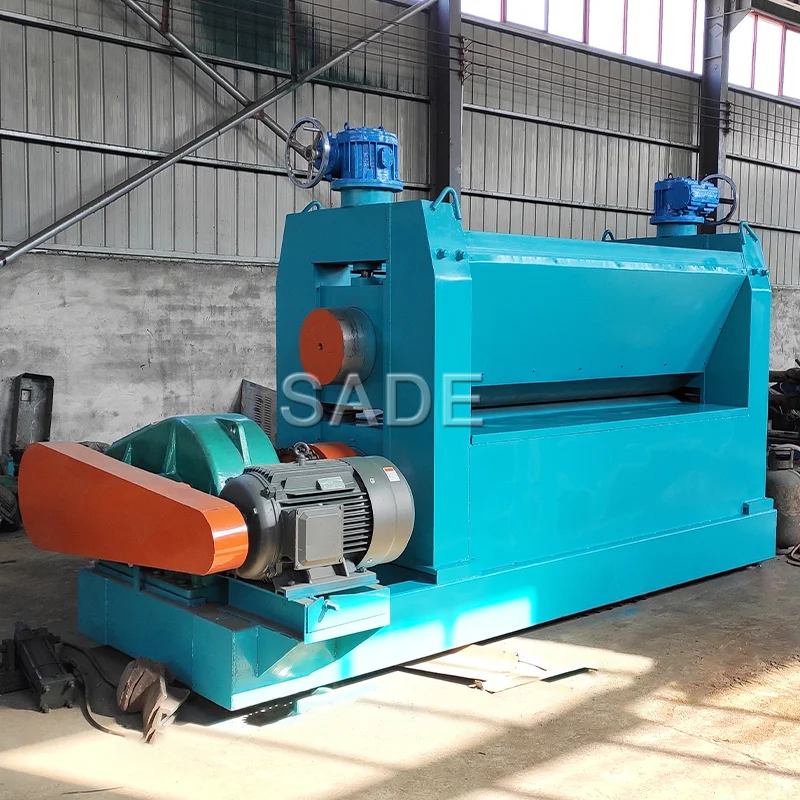
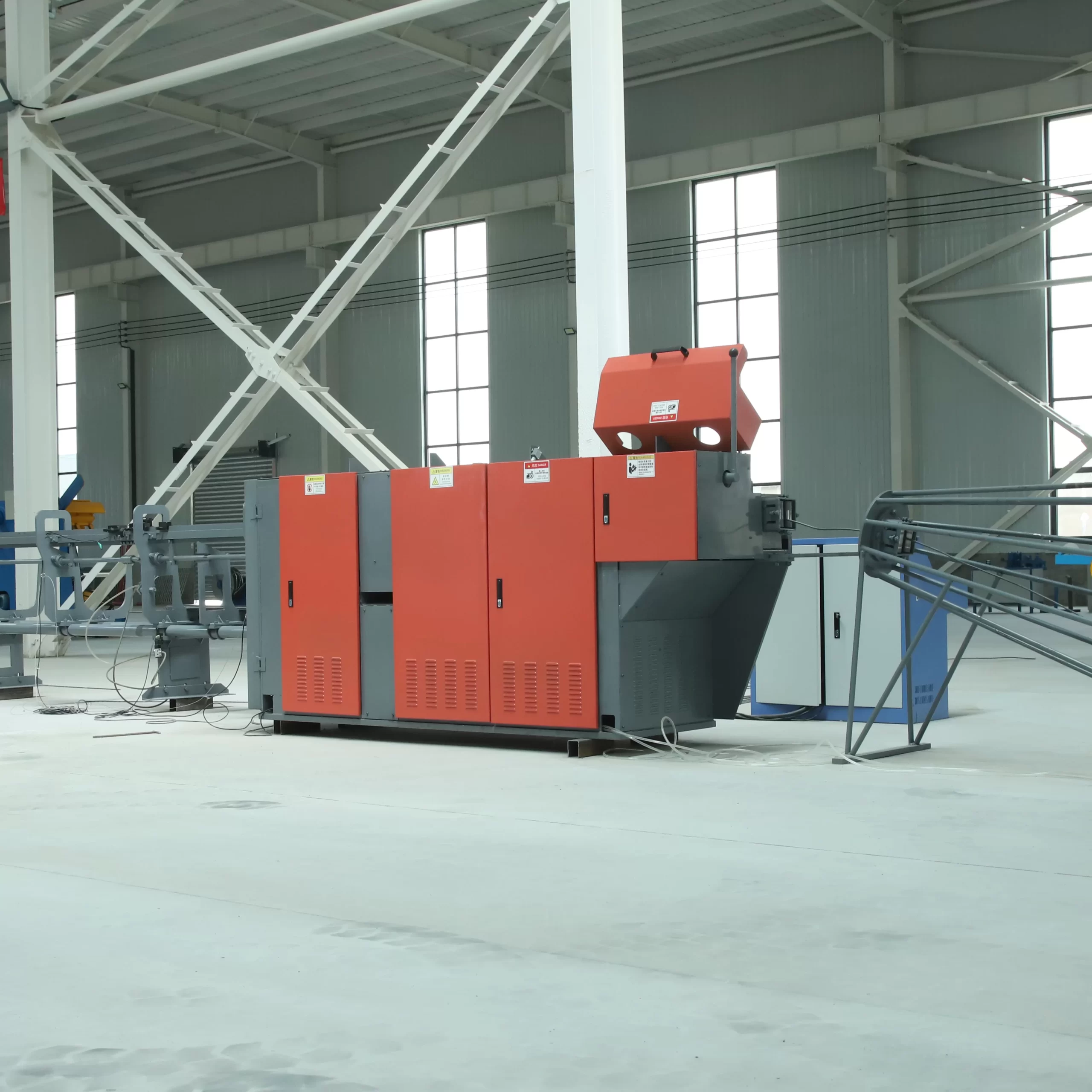
ZPJ Metal Mesh Flatting Machine
ZPJ metal mesh flatting machine is special designed for expanded metal flatting.It’s a corollary equipment of expanded metal machine. It can make expanded wire-mesh smoothly.And the flattened expanded metal have much more widely different applications.
Apr 24, 2026
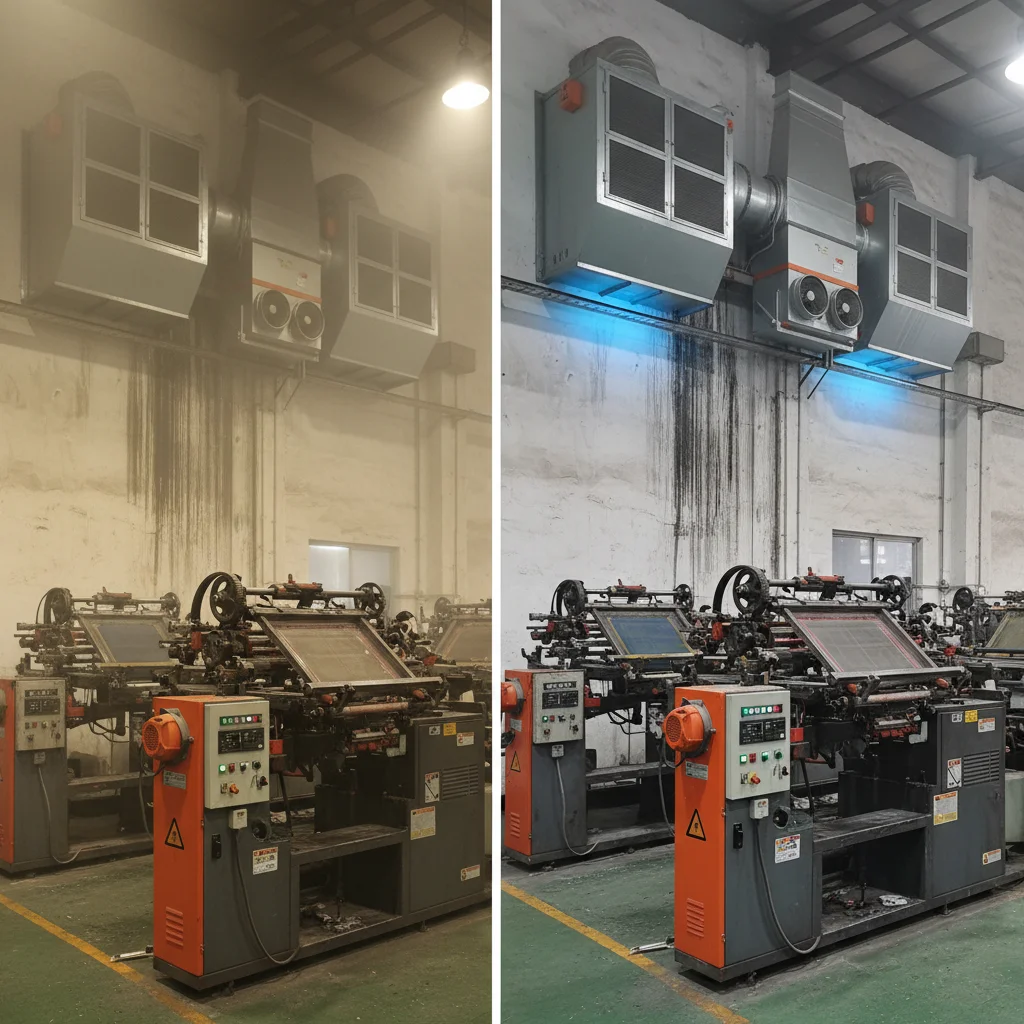
Industrial Wall Mounted Air Filtration for Clean Work Environments