
November 19, 2025
In today's manufacturing and infrastructure sectors, efficiency, precision, and durability are not just beneficial—they are essential. Central to meeting these demands, especially in applications requiring strong structural performance, is the advanced mesh welding machine .These sophisticated systems serve as the backbone of countless everyday products and major construction projects—from the reinforced foundations of high-rise buildings to the protective enclosures used in industrial settings. The demand for high-quality welded mesh continues to grow steadily, driven by global urbanization, stricter safety regulations, and the expanding e-commerce sector's need for efficient storage systems.Recent market studies forecast the global mesh welding machine market to grow at a Compound Annual Growth Rate (CAGR) of over 6% through 2030, reflecting its increasingly vital role. This growth is not only quantitative but also qualitative, as manufacturers continuously enhance machine speed, accuracy, and material adaptability. Companies adopting advanced mesh welding technology often see significant productivity gains, with some reporting lead time reductions of up to 35% compared to traditional methods.This article examines the transformative potential of modern mesh welding machines, covering their technical features, operational benefits, key suppliers, customization options, and cross-industry applications. Understanding this technology is essential for any business seeking to strengthen its competitive edge and deliver reliable products in an evolving global market.
Modern mesh welding machines represent the pinnacle of engineering excellence, integrating a range of advanced technical features that deliver exceptional precision and productivity. At their core are intelligent control systems, typically equipped with Programmable Logic Controllers (PLCs) and user-friendly Human-Machine Interfaces (HMIs). These systems enable precise adjustment of key welding parameters—such as current, voltage, pressure, and duration—to ensure consistent, high-quality welds across various wire diameters and materials. For example, digitally controlled welding transformers provide accurate energy output, reducing heat-affected zones (HAZ) and maintaining material integrity, which is essential for high-strength applications.
The use of high-precision servo motors and pneumatic mechanisms ensures accurate wire positioning and feeding, with tolerances as tight as ±0.1mm, significantly reducing material waste from misalignment. Additionally, many modern machines support multi-point welding, enabling simultaneous welding of multiple cross-wires and greatly enhancing production speeds. Certain advanced models can achieve 120–150 cross-wire welds per minute, marking a major improvement in efficiency.
Energy efficiency is another key benefit, with modern inverter-based welding systems consuming up to 30% less energy than conventional resistance welders, leading to lower operating costs and a smaller environmental impact. These machines also accommodate a wide variety of wire materials—including carbon steel, stainless steel, galvanized wire, and select non-ferrous alloys—expanding their application range. Quick-change tooling systems further enhance operational flexibility by shortening setup time by over 50%, allowing rapid adaptation to custom orders and diverse production needs.Together, these technological innovations ensure not only higher output rates but also reliable adherence to the most demanding quality standards.
Modern mesh welding machines deliver significant operational efficiencies that elevate production standards across multiple fronts. A key advantage is the drastic reduction in labor costs. With automated functions such as wire feeding, mesh cutting, and robotic stacking, these systems require minimal operator involvement. This allows one operator to supervise several machines or an entire production line, cutting direct labor expenses and reducing risks from manual handling.At the same time, the precision of digital controls ensures consistently high weld quality and product uniformity. Each weld is replicated accurately, which lowers defect rates and avoids rework or scrap—issues that often account for 5–10% of production costs in conventional systems. This reliability enhances customer satisfaction and strengthens brand credibility.Moreover, the high output rates of modern welders do more than accelerate production—they maximize throughput within the same floor space. One high-speed machine can often replace multiple older units, saving valuable space and simplifying operations. Material waste is also greatly reduced, with precision feeding and cutting systems typically lowering scrap by 20% or more.Integrated safety systems—including light curtains, emergency stops, and reinforced guards—create a safer workplace, reducing the risk of accidents. Built for durability and easy maintenance, these machines use modular components that speed up troubleshooting and parts replacement, minimizing downtime and extending service life.Together, these benefits support leaner operations, increased profitability, and greater agility in responding to market needs.
Choosing the right mesh welding machine is a critical strategic decision, influenced by factors such as production scale, material requirements, budget constraints, and desired automation levels. The market is populated by numerous reputable manufacturers, each offering unique strengths and specialized solutions. Evaluating these options requires a detailed comparison of their product lines, technological innovations, and support services. While specific model names vary, a general comparison often highlights key differentiators that can significantly impact a buyer's decision. For instance, some manufacturers excel in high-speed, mass production systems for standard mesh, while others focus on highly customizable machines for specialized applications, such as intricate wire forms or varying mesh apertures. Performance metrics like maximum welding width, wire diameter range, welding speed (often measured in strokes per minute), and the level of automation are paramount. Energy consumption figures, usually expressed in kW or kVA, are also vital for long-term operational cost projections. After-sales support, including spare parts availability, technical assistance, and training, plays a crucial role in ensuring continuous, uninterrupted operation. The table below illustrates a hypothetical comparison of three leading types of mesh welding machine manufacturers, highlighting their typical offerings and competitive advantages:
Feature | Manufacturer A (High-Volume Standard) | Manufacturer B (Versatile & Mid-Range) | Manufacturer C (Custom & High-Precision) |
Typical Machine Series | RapidMesh Pro Series | FlexiWeld 5000 Series | PrecisionFab 7000 Series |
Max Welding Width | 3200 mm | 2500 mm | 2000 mm |
Wire Diameter Range | 3.0 - 8.0 mm | 2.0 - 10.0 mm | 1.5 - 6.0 mm |
Welding Speed (strokes/min) | 130-150 | 80-100 | 50-70 |
Automation Level | Full (Auto wire feed, cut, stack) | High (Auto wire feed, semi-auto cut/stack) | Custom (Integrated robotics options) |
Energy Consumption (typical) | 150 kVA | 120 kVA | 80 kVA |
Key Feature/Advantage | Highest throughput for standard mesh, lowest per-unit cost. | Broad wire range, modular design for upgrades. | Unmatched precision, ideal for complex patterns & fine wires. |
Estimated Price Range (Relative) | $$$ | $$ | $$$$ |
This comparison underscores that the "best" machine is subjective and depends entirely on the specific operational context and strategic objectives of the acquiring entity. Due diligence, including factory visits, references, and detailed technical discussions, is indispensable.
While standard mesh welding machines serve many common applications, specialized industries often require equipment customized to their unique operational needs. Leading manufacturers address this through tailored engineering, enabling businesses to optimize production for specific products, materials, and factory layouts.Customization commonly begins with mesh specifications: panel dimensions, wire spacing in both directions, and edge finishing. For example, a fencing producer may require machinery that forms rolled mesh with reinforced selvedges, while a construction firm might need large reinforcement panels with mixed bar diameters in a single sheet.Material compatibility is another critical area. Beyond standard steels, custom solutions can be developed for specialized alloys, PVC-coated wires, or adjusted welding parameters to preserve coatings on galvanized or stainless-steel wires without compromising material integrity.Seamless integration is also essential. Custom systems may include tailored wire decoiling setups, in-line bending or forming units, robotic handling of complex shapes, or real-time data interfaces with factory ERP systems for production tracking and inventory control.Further customization includes specialized welding heads for complex patterns or multi-layer mesh, and even software adaptations to store proprietary designs for quick changeover between product lines. The development process involves close collaboration with clients to understand production targets and technical requirements, resulting in a purpose-built machine that enhances both efficiency and competitive edge.
The versatility of mesh welding machines makes them indispensable across an astonishingly diverse array of industries, each application highlighting the machine's ability to deliver robust, reliable, and cost-effective solutions. In the construction sector, mesh welders are fundamental. They produce reinforcement mesh for concrete slabs, walls, and foundations, ensuring structural integrity in residential, commercial, and infrastructural projects. High-strength welded wire mesh significantly enhances concrete's tensile strength, preventing cracking and extending the lifespan of structures. For example, a major infrastructure project recently leveraged custom-built mesh welders to produce over 500,000 square meters of varied-gauge mesh panels for a new highway system, cutting rebar fabrication time by 25%. In the agricultural industry, these machines are vital for creating livestock enclosures, poultry cages, greenhouse structures, and trellises. The precision and durability of welded mesh provide secure, long-lasting habitats for animals and support for plant growth, minimizing maintenance and maximizing yield. A large-scale poultry farm, for instance, reported a 30% reduction in cage replacement costs after switching to automated mesh welding for their custom coop designs. The industrial manufacturing sector utilizes welded mesh for an extensive range of products, including security fencing, machine guards, shelving units, filtration screens, and various components for appliances. The ability to produce strong, clean welds is critical for products that must withstand rigorous operational environments or meet strict safety standards. One leading appliance manufacturer uses automated mesh welding to produce oven racks and dishwasher baskets, ensuring consistent quality and a 40% higher production rate compared to manual fabrication. Even in the consumer goods market, mesh welding plays a role, from shopping carts and display racks to barbecue grates and decorative panels. The clean aesthetics and structural integrity provided by welded mesh contribute to both functionality and visual appeal. These diverse applications underscore that modern mesh welding technology is not merely a manufacturing tool but a cornerstone of progress and efficiency across the global economy.
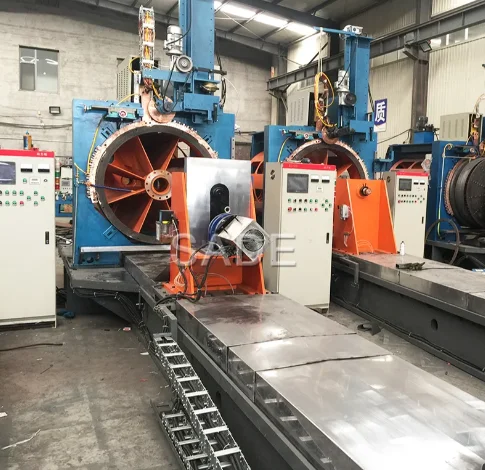
The journey through the capabilities and applications of modern mesh welding machine technology clearly illustrates its critical role in today's industrial landscape. From its fundamental contributions to structural integrity in construction to its diverse utility in agriculture and consumer goods, the impact of precision-welded mesh is profound and pervasive. The strategic investment in advanced mesh welding machines is not merely an acquisition of equipment; it is an embrace of enhanced productivity, superior quality, and a definitive competitive edge. The operational efficiencies gained through automation, reduced labor, minimal material waste, and heightened safety protocols directly translate into robust profitability and sustainability for businesses. As industries continue to evolve, so too will the demands on mesh welding technology. Looking ahead, the future promises even greater integration of artificial intelligence and machine learning, enabling predictive maintenance, self-optimizing welding parameters, and advanced quality control systems that detect imperfections in real-time. The drive towards greater automation will see more sophisticated robotic handling, seamless integration with Industry 4.0 frameworks, and the development of machines capable of handling an even wider array of advanced materials with unprecedented speed and precision. For any enterprise poised to thrive in a rapidly advancing manufacturing environment, understanding and strategically adopting cutting-edge mesh welding machine solutions is no longer optional but an imperative. It is an investment in the future, ensuring resilience, innovation, and sustained growth in an increasingly demanding global marketplace.
A mesh welding machine is used to produce wire mesh panels or rolls by simultaneously welding numerous perpendicular wires (line and cross wires) at their intersections using resistance welding technology. These mesh products are widely used in construction for concrete reinforcement, in agriculture for animal cages and fencing, and in industrial applications for security barriers, shelving, and filters.
Modern mesh welding machines are highly versatile and can weld various types of wire, including plain carbon steel, galvanized wire, stainless steel, and sometimes certain low-alloy steels. The specific range depends on the machine's design and welding power, with some specialized machines handling finer or more exotic materials.
High precision is achieved through several integrated technologies: advanced PLC and HMI control systems for precise parameter setting (current, voltage, pressure, time), high-precision servo motors for accurate wire feeding and positioning, and digitally controlled welding transformers that ensure consistent energy delivery to each weld point. This minimizes variations and ensures uniform mesh quality.
Automating mesh welding significantly increases production speed, reduces labor costs, minimizes material waste due to precise wire placement and cutting, improves product consistency and quality, enhances workplace safety, and allows for quick changeovers between different mesh specifications, thereby boosting overall operational efficiency.
Yes, many modern mesh welding machines offer extensive customization options. This includes producing mesh panels of specific dimensions, varying wire diameters within a single panel, different line and cross wire spacing, and even intricate, non-standard mesh patterns. Manufacturers often work with clients to design bespoke machinery or programming for unique requirements.
With proper maintenance and regular servicing, a high-quality mesh welding machine can have a lifespan exceeding 15-20 years. Key factors influencing longevity include the quality of components, the intensity of use, adherence to maintenance schedules, and the availability of spare parts and technical support from the manufacturer.
Modern mesh welding machines contribute to sustainability through several features: energy-efficient inverter welding technology reduces power consumption; precise material handling minimizes scrap and waste; the production of durable, long-lasting mesh products reduces the need for frequent replacements; and automation can lead to a smaller overall manufacturing footprint.
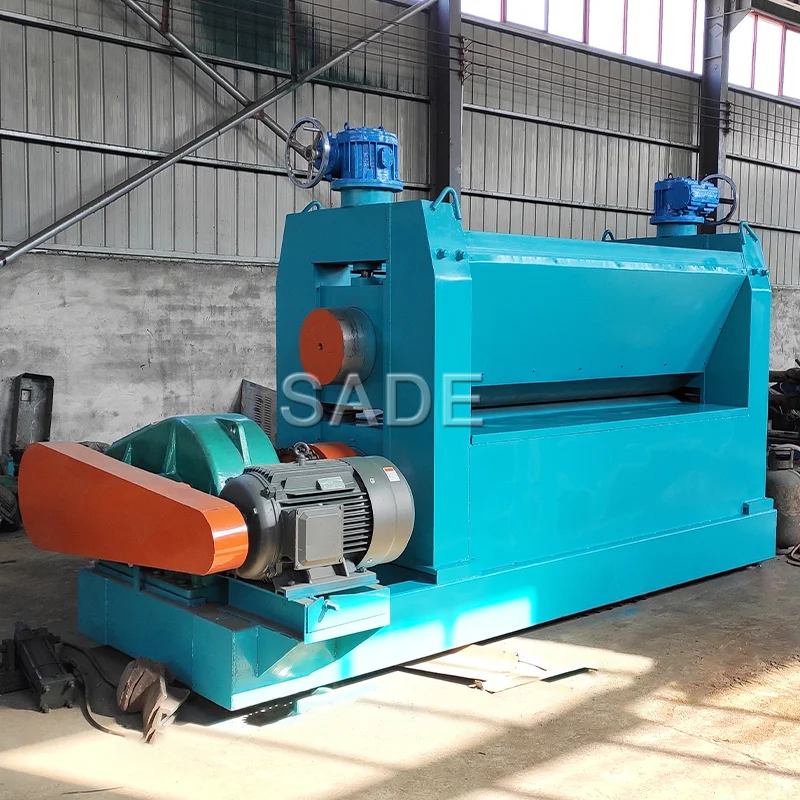
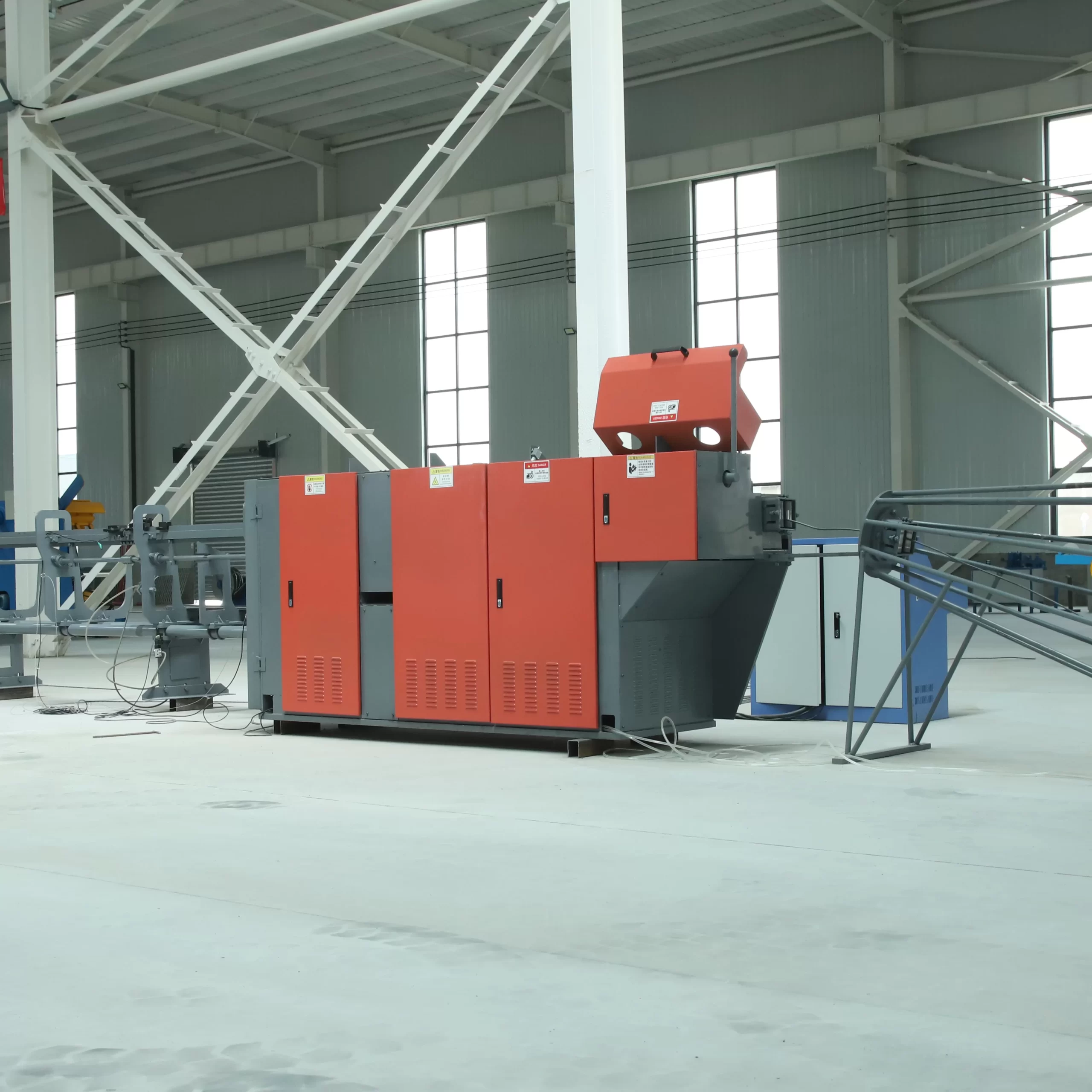
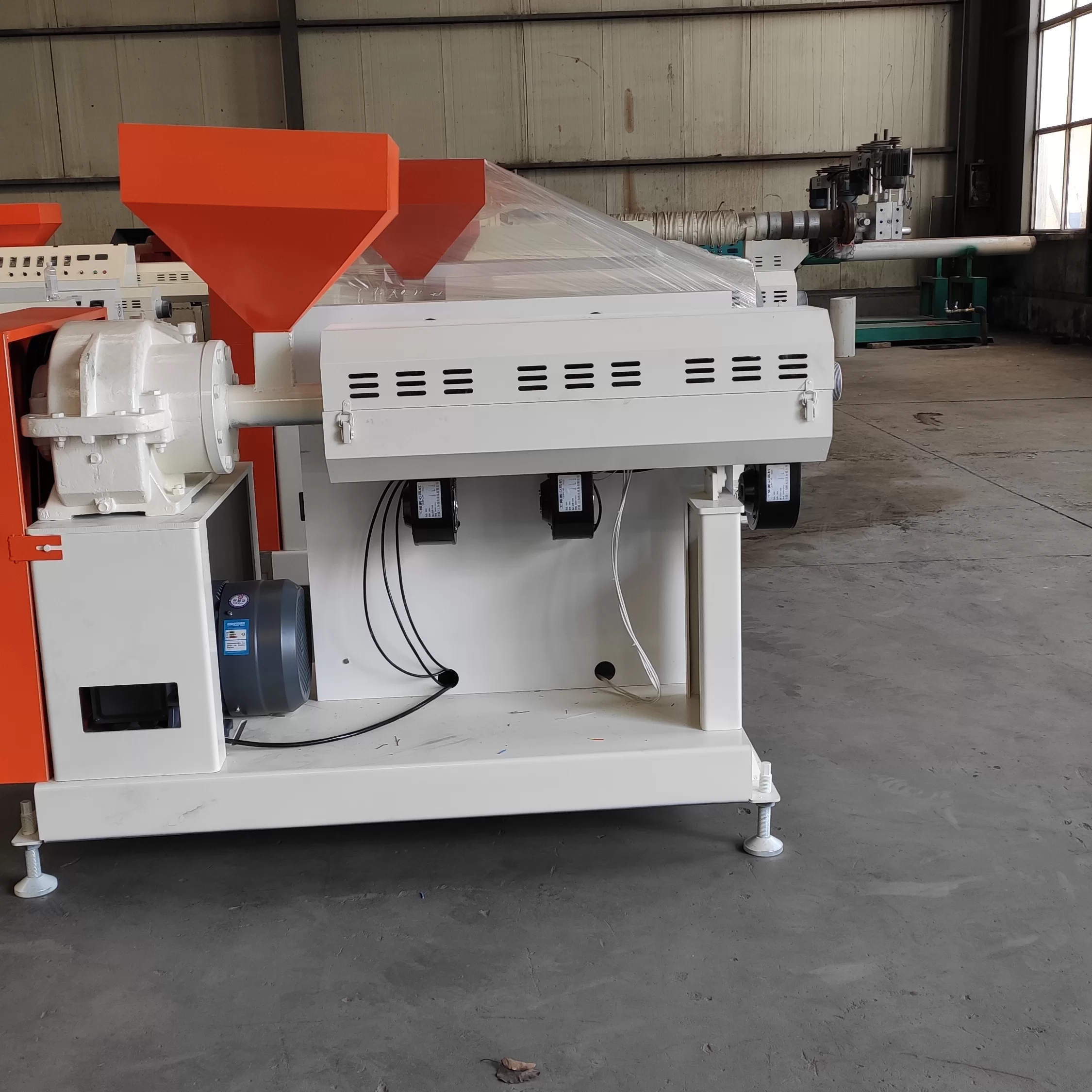
ZPJ Metal Mesh Flatting Machine
ZPJ metal mesh flatting machine is special designed for expanded metal flatting.It’s a corollary equipment of expanded metal machine. It can make expanded wire-mesh smoothly.And the flattened expanded metal have much more widely different applications.
Apr 24, 2026
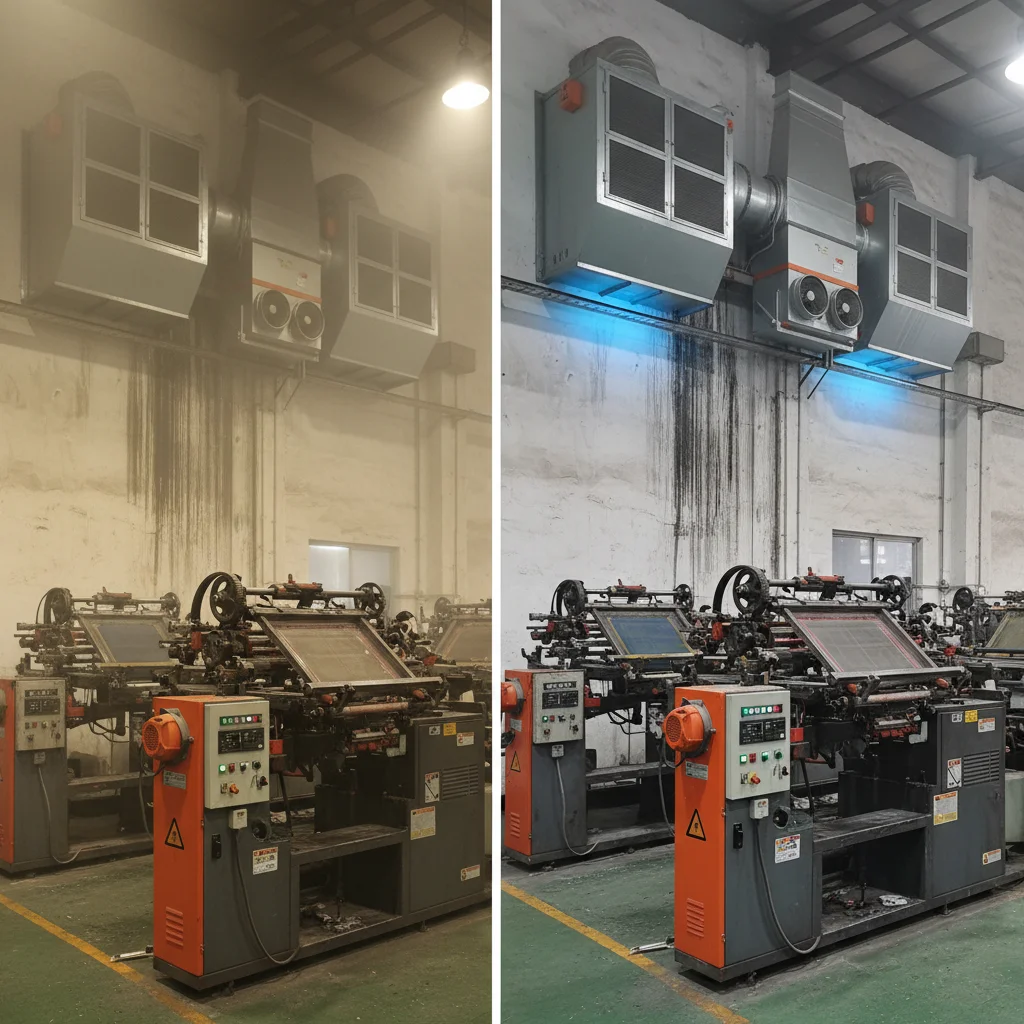
Industrial Wall Mounted Air Filtration for Clean Work Environments