
November 26, 2025
In the demanding landscape of modern construction, where structural integrity meets tight deadlines and stringent budgets, the precision and efficiency of rebar fabrication are paramount. The days of laborious, manual bending, prone to inconsistencies and significant safety risks, are steadily being replaced by sophisticated machinery designed to tackle the most complex rebar configurations with unparalleled accuracy. A high-quality bending machine rebar is no longer just an advantage; it is a foundational necessity, directly influencing project timelines, material waste, and the overall structural integrity of buildings and infrastructure. The market today offers a dizzying array of options, from robust hydraulic systems to advanced CNC-controlled units, each promising enhanced productivity and reduced operational costs. Navigating this complexity to select the ideal machine requires a deep understanding of evolving construction methodologies, material science, and the specific demands of individual projects. Investing in the right rebar bending technology translates directly into tangible benefits: expedited project completion, a dramatic reduction in human error, and a significantly safer working environment. Consider the sheer volume of rebar required for a single high-rise tower or a multi-lane bridge; without optimized bending capabilities, the logistical and financial burdens would be insurmountable. This initial investment in advanced bending technology can yield an astonishing 25-30% increase in fabrication speed and a corresponding 10-15% reduction in material waste, profoundly impacting a project's bottom line. The critical role of the bending machine rebar extends beyond mere shaping; it is about embedding precision, consistency, and structural resilience into every concrete pour, thereby safeguarding the longevity and safety of the final construction.
The evolution of rebar bending technology has been driven by relentless innovation, transforming what was once a rudimentary task into a highly sophisticated, automated process. At the heart of these advancements lies a combination of robust mechanical engineering and intelligent control systems. Modern rebar bending machines are primarily categorized by their operational mechanics: hydraulic, electric, or hybrid systems. Hydraulic machines offer immense power and smooth, consistent bending, ideal for large-diameter rebar and heavy-duty applications, capable of exerting forces up to several hundred tons. Electric machines, on the other hand, are often more energy-efficient and provide faster, more precise bends for smaller to medium diameters, with rapid acceleration and deceleration capabilities. The real game-changer, however, has been the integration of Computer Numerical Control (CNC) technology. CNC-controlled benders allow operators to input precise bending angles, lengths, and sequences directly into a digital interface. This eliminates manual measurements and adjustments, reducing human error to near zero and ensuring absolute repeatability across thousands of bends. Some advanced models can store hundreds of bending programs, allowing for instant recall of complex designs. For instance, a single CNC machine can typically achieve a bending tolerance of ±0.5 degrees and ±1mm in length, a level of accuracy unattainable by even the most skilled manual labor. Furthermore, programmable logic controllers (PLCs) now govern the machine's internal operations, managing hydraulic pressures, motor speeds, and tooling movements with intricate timing. Multi-plane bending capabilities, once a specialist feature, are becoming standard, enabling machines to produce intricate 3D rebar cages directly from coil or straight bars, further minimizing handling and fabrication steps. Safety has also seen significant upgrades, with features like emergency stop buttons, advanced sensor arrays to detect obstructions, overload protection, and automatic diagnostic systems that flag potential issues before they become critical failures. The construction of these machines themselves has evolved, utilizing high-strength steel alloys and advanced bearing systems to withstand the immense stresses of continuous operation, contributing to extended service life and reduced maintenance cycles. The synergistic blend of brute force and digital intelligence defines the cutting edge of contemporary rebar bending, allowing for complex geometries and unprecedented consistency.
Selecting the optimal rebar bending machine requires a meticulous evaluation of various models and their specifications against specific project requirements. Different manufacturers cater to diverse market segments, from small-scale workshops requiring portable units to large prefabrication plants demanding high-capacity, fully automated systems. Understanding the nuanced differences in capacity, speed, and control types is crucial for making an informed investment. To illustrate, consider a comparison of three hypothetical leading rebar bender models:
Feature/Model | Manufacturer A (Model X20) | Manufacturer B (FlexiBend 400) | Manufacturer C (MegaBend 6000) |
Bending Capacity (Max Diameter) | 20mm (#6) | 40mm (#12) | 60mm (#18) |
Bending Speed (Degrees/Second) | 180° in 3 seconds | 180° in 2.5 seconds | 180° in 3.5 seconds |
Power (Motor Output) | 2.2 kW (Electric) | 7.5 kW (Hydraulic) | 22 kW (Hydraulic) |
Control Type | Semi-Automatic (Digital Display) | CNC (Touchscreen Interface) | Advanced CNC (Integrated CAD/CAM) |
Max Bends per Bar (Automated) | Single Bend | Up to 10 sequential bends | Unlimited complex sequences |
Typical Output (8-hr shift) | ~600-800 bends | ~1500-2000 bends | ~2500-3500 bends |
Price Range (USD) | $3,000 - $8,000 | $25,000 - $60,000 | $80,000 - $200,000+ |
Warranty | 1 Year | 2 Years | 3 Years |
Manufacturer A's Model X20 is a robust entry-level electric bender, ideal for small to medium-sized projects requiring portability and ease of use. Its semi-automatic control with a digital display offers good precision for single-bend operations and smaller rebar diameters. Manufacturer B's FlexiBend 400 represents a significant leap with its hydraulic power and full CNC control, enabling multiple complex bends on larger rebar. This model significantly boosts productivity for mid-sized commercial and residential projects, where varied rebar shapes are common. The MegaBend 6000 from Manufacturer C is a heavy-duty industrial solution, designed for large infrastructure projects or precast concrete factories. Its advanced CNC system, often with integrated CAD/CAM capabilities, allows for the automatic production of highly complex 3D rebar geometries from continuous coils, minimizing scrap and maximizing throughput. The significant difference in power, control sophistication, and capacity directly correlates with their price points and target applications. For instance, the MegaBend's higher power ensures it can bend multiple bars simultaneously, drastically improving throughput for high-volume tasks. When evaluating these options, businesses must weigh the initial investment against long-term operational costs, expected project volumes, and the complexity of rebar designs they anticipate.
While standard rebar bending machines offer impressive capabilities, many construction projects present unique challenges that necessitate tailored solutions. Customization in rebar fabrication is not merely a luxury; it's often a critical requirement for achieving optimal efficiency, reducing waste, and ensuring structural integrity in specialized applications. The most common form of customization involves tooling. Different rebar diameters, steel grades, and desired bend radii require specific mandrels and bending pins. Manufacturers can supply custom tooling sets designed for unusual rebar profiles or non-standard bend angles, ensuring the machine can precisely form shapes that off-the-shelf options cannot handle. For example, projects involving architectural concrete or historical restoration may require exceptionally tight radii or unique spiral patterns, demanding bespoke tooling engineered for those precise specifications. Beyond physical tooling, software customization plays a pivotal role. Advanced CNC benders can be programmed with custom bending sequences for highly complex rebar cages, integrating directly with Building Information Modeling (BIM) software. This allows for seamless transfer of design data from architects and engineers directly to the machine, minimizing manual data entry and potential errors. Software integration can also include proprietary algorithms for optimizing rebar utilization, nesting various shapes to reduce scrap, thereby saving significant material costs – potentially up to 5-7% on large projects. Capacity modifications are another area for customization; while standard machines handle common rebar sizes, some projects might require bending exceptionally large diameters (e.g., 60mm+ rebar for massive bridge foundations) or simultaneously bending multiple smaller bars. Manufacturers can upgrade hydraulic pumps, motor capacities, or reinforce bending tables and roller systems to accommodate these specific demands. Furthermore, integration with existing fabrication lines – such as automatic rebar cutting or welding stations – often requires custom interfaces and automated material handling systems to create a continuous, highly efficient workflow. This might involve custom conveyors, robotic arms for bar manipulation, or specialized loading and unloading platforms. Such integrated systems can boost overall factory productivity by an additional 15-20% and significantly reduce manual labor requirements, pushing automation to new heights. These bespoke solutions transform a standard machine into a highly specialized tool, perfectly aligned with the nuanced demands of a particular project or production environment.
The versatility and precision of modern rebar bending machines have made them indispensable across a spectrum of industries and construction applications. From towering skyscrapers to critical infrastructure, these machines are foundational to realizing complex structural designs with efficiency and reliability. In high-rise building construction, for instance, rebar benders are crucial for fabricating the intricate cages used in foundations, columns, and shear walls. The ability to produce thousands of identical, precise stirrups, ties, and main bar bends ensures uniform load distribution and structural stability. For a typical 50-story building, an advanced rebar bending machine can process tens of thousands of tons of rebar, contributing to a construction timeline reduction of several weeks compared to manual methods. Bridges and other large-scale infrastructure projects demand even greater robustness and precision, often involving very large diameter rebar (up to 60mm or more) and unique, complex geometries for piers, girders, and deck slabs. Here, heavy-duty hydraulic benders with multi-plane capabilities are essential, capable of shaping rebar into specific curves and angles required for optimal load-bearing capacity and aesthetic integration. The construction of a major suspension bridge might involve over 100,000 custom-bent rebar pieces, each requiring millimeter-perfect accuracy. The precast concrete industry heavily relies on automated rebar bending for mass production of consistent, high-quality components like beams, columns, and wall panels. In this factory-controlled environment, CNC bending machines excel at repeatability, churning out thousands of identical rebar cages daily, directly feeding into the precasting process and significantly reducing labor costs per unit. This repeatability also drastically reduces material waste, as precise cutting and bending minimizes scrap ends. Tunnels and underground structures present unique challenges, often requiring rebar to be bent into specific curves to follow the tunnel's trajectory or form reinforcing rings against immense geological pressures. Portable rebar benders, alongside larger stationary units, are often deployed in these challenging environments, demonstrating the adaptability of the technology. Even in smaller-scale residential and commercial projects, the benefits are clear; the rapid production of standard rebar shapes for slabs, footings, and walls ensures projects stay on schedule and within budget. The ability of these machines to handle diverse materials, from standard carbon steel rebar to specialized epoxy-coated or stainless steel rebar, further solidifies their universal utility across the entire construction ecosystem, ensuring that every structure, regardless of its scale or complexity, stands on a foundation of meticulously fabricated steel.
The strategic investment in advanced rebar bending machines offers a compelling return on investment (ROI) that extends far beyond the initial purchase price. The tangible benefits ripple through every aspect of a construction project, culminating in significant long-term savings and enhanced operational efficiency. One of the most immediate and impactful advantages is labor cost reduction. A single operator, utilizing a modern CNC rebar bender, can achieve the output of a traditional crew of several manual laborers. This translates into substantial savings on wages, benefits, and associated overheads. For instance, replacing a four-person manual bending crew with one skilled operator and a high-capacity machine can save upwards of $100,000 annually in labor costs alone, depending on regional wages. Furthermore, the precision offered by automated machines drastically reduces material waste. Manual bending often results in miscuts, incorrect bends, and damaged rebar that must be scrapped. CNC control ensures that every piece of rebar is bent to exact specifications, minimizing offcuts and maximizing the utilization of raw materials. This can lead to a 5-10% reduction in rebar procurement, a critical saving given the fluctuating costs of steel. Time efficiency is another major ROI driver. Automated machines operate at speeds far exceeding manual methods, significantly shortening fabrication times. This accelerates the entire construction schedule, allowing projects to be completed faster, reducing penalties for delays, and enabling contractors to take on more projects annually. For large-scale projects, this time saving can amount to weeks or even months, directly translating into reduced project management costs and earlier revenue generation. Safety improvements also contribute to ROI, albeit indirectly. By automating strenuous and potentially dangerous tasks, the risk of workplace injuries related to manual handling, repetitive strain, or using unsafe tools is drastically minimized. This reduces insurance premiums, lost workdays, and potential liability claims, fostering a safer and more productive work environment. The consistency and quality of bends produced by machines also lead to fewer structural issues down the line, reducing costly rework and enhancing the reputation of the construction firm. When considering the Total Cost of Ownership (TCO), these long-term operational savings, coupled with reduced maintenance needs due to robust machine design and preventative diagnostics, far outweigh the initial capital outlay. Modern machines are designed for durability, ensuring a long operational life with minimal downtime, thereby securing a strong and sustainable return on investment over many years.
The landscape of rebar fabrication is continually evolving, driven by advancements in automation, data integration, and material science. The bending machine rebar of tomorrow will be smarter, more autonomous, and even more integrated into the broader construction ecosystem. We can anticipate further strides in artificial intelligence (AI) and machine learning, enabling benders to dynamically optimize bending sequences, predict maintenance needs, and even self-diagnose and correct minor operational anomalies. Imagine a machine that learns from its own operational data, refining its processes to achieve ever-greater efficiency and precision without human intervention. Robotics will play an increasingly significant role, with robotic arms handling rebar loading, unloading, and manipulation, further reducing manual labor and enhancing safety. This integration will lead to fully automated rebar fabrication cells, where raw material enters one end, and complete rebar cages emerge from the other, ready for installation. The Internet of Things (IoT) will facilitate seamless communication between bending machines, design software, and project management platforms. Real-time data on production rates, material consumption, and machine status will be accessible remotely, allowing for proactive project management and supply chain optimization. This level of connectivity will enable predictive maintenance, scheduling repairs before failures occur, thereby maximizing uptime and operational continuity. Sustainability will also shape future innovations. Expect to see rebar bending machines designed for even greater energy efficiency, utilizing advanced motor technologies and regenerative braking systems. There will also be an increased focus on processing recycled rebar or new, more sustainable reinforcement materials with different mechanical properties, requiring adaptable bending technologies. Ultimately, the future of the bending machine rebar lies in its ability to adapt to increasingly complex architectural designs, tighter construction schedules, and a growing emphasis on safety and environmental responsibility. These machines will not merely bend steel; they will serve as intelligent hubs in a highly interconnected, efficient, and sustainable construction workflow, pushing the boundaries of what is possible in modern building and infrastructure development.
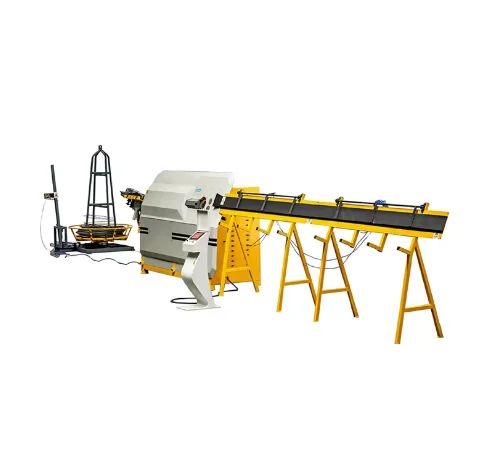
A rebar bending machine, also known as a rebar bender or steel bar bender, is a specialized piece of equipment used in construction to precisely bend steel reinforcing bars (rebar) to specific angles and shapes required for concrete structures. These machines range from portable manual units to large, automated industrial systems.
The primary types include:
· Manual/Portable Benders: Lightweight, hand-operated for small jobs.
· Semi-Automatic Benders: Electrically or hydraulically powered, with manual bar feeding and digital controls for angle settings.
· Automatic (CNC) Benders: Computer Numerical Control driven, capable of automatically feeding, measuring, bending multiple angles, and sometimes cutting rebar, often from coil.
· Hydraulic Benders: Use hydraulic power for high force bending, typically for larger diameter rebar.
· Electric Benders: Use electric motors, generally faster and more energy-efficient for smaller to medium rebar.
A manual rebar bender requires an operator to physically apply force to bend each bar, often relying on templates or measurements for accuracy. A CNC rebar bending machine, in contrast, uses computer programming to automatically control the bending process, including angle, length, and sequence. This results in significantly higher precision, repeatability, speed, and reduced labor, virtually eliminating human error.
Key factors include:
· Bending Capacity: Maximum rebar diameter and grade it can handle.
· Project Volume: Expected daily/weekly output requirements.
· Type of Bends: Complexity (single bend, multiple bends, spirals, 3D shapes).
· Portability: Need for mobility on job sites versus stationary factory use.
· Automation Level: Manual, semi-automatic, or full CNC control.
· Power Source: Electric, hydraulic, or hybrid.
· Budget: Initial investment versus long-term operational costs.
· Safety Features: Emergency stops, guards, overload protection.
Safety is paramount. Operators should always wear appropriate PPE (gloves, safety glasses). Machines must have emergency stop buttons, safety guards, and be operated only by trained personnel. Regular maintenance and inspection of moving parts are crucial. Always ensure the work area is clear of obstructions and bystanders, and never exceed the machine's rated bending capacity.
It significantly boosts efficiency by:
· Reducing Labor: One operator can often replace a manual bending crew.
· Increasing Speed: Automated bending is much faster than manual methods.
· Improving Accuracy: Precision bends minimize rework and material waste.
· Shortening Timelines: Faster rebar fabrication accelerates overall project completion.
· Enhancing Safety: Automating dangerous tasks reduces workplace injuries.
Regular maintenance includes checking hydraulic fluid levels and quality (for hydraulic models), lubricating moving parts, inspecting bending pins, mandrels, and rollers for wear, ensuring electrical connections are secure, and regularly cleaning the machine to prevent buildup of dust and debris. Calibration checks, especially for CNC models, are also important to maintain bending accuracy. Following the manufacturer's specific maintenance schedule is crucial for longevity and optimal performance.
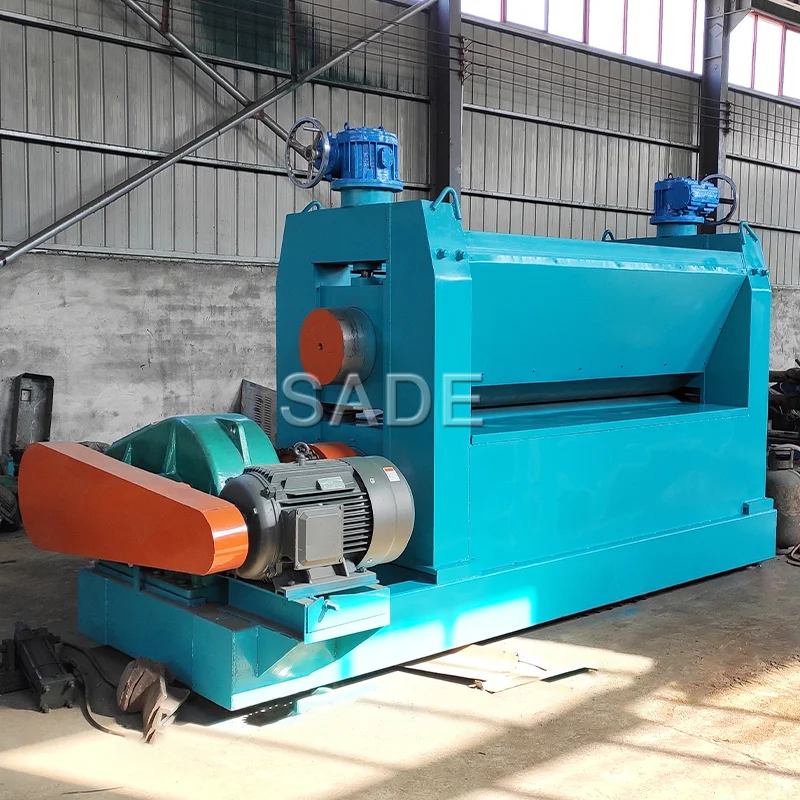
ZPJ Metal Mesh Flatting Machine
ZPJ metal mesh flatting machine is special designed for expanded metal flatting.It’s a corollary equipment of expanded metal machine. It can make expanded wire-mesh smoothly.And the flattened expanded metal have much more widely different applications.
Apr 24, 2026
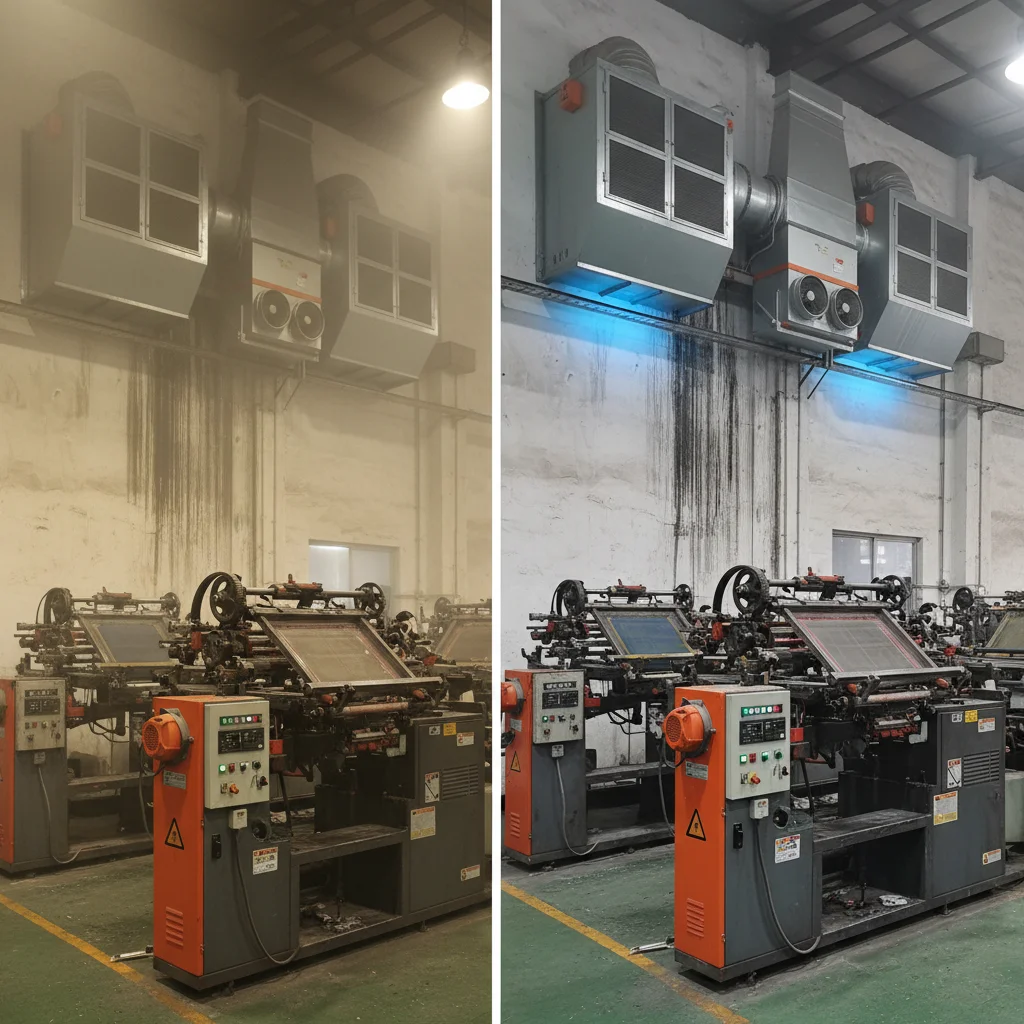
Industrial Wall Mounted Air Filtration for Clean Work Environments