
December 09, 2025
The history of wire mesh fabrication is long and intricate, but few machines have maintained their foundational relevance quite like the hexagonal wire netting machine. From its early mechanical iterations to today's highly automated systems, this specialized equipment has consistently met a critical demand for durable, flexible, and cost-effective fencing and reinforcement solutions. What began as a means to create simple enclosures for poultry or garden plots has blossomed into a sophisticated industrial process, catering to a diverse array of sectors globally. The continuous innovation in machine design, coupled with an unwavering global demand for its output, underscores the pivotal role the hexagonal wire netting machine plays in modern manufacturing. This demand is not merely static; it is actively growing, driven by expanding agricultural practices, burgeoning construction projects in developing economies, and an increased global emphasis on safety and security barriers.
For instance, the global market for wire mesh products is projected to exceed a staggering $35 billion by 2027, with hexagonal wire netting—often referred to as chicken wire or rabbit fence—constituting a significant and indispensable segment. This growth is fueled by its inherent properties: lightweight yet strong, flexible for various contours, and relatively inexpensive to produce. The continuous need for erosion control, gabion baskets in civil engineering, stucco reinforcement in construction, and countless agricultural applications ensures that the production of hexagonal wire netting remains a cornerstone industry. Businesses investing in advanced hexagonal wire netting machines are not just acquiring equipment; they are positioning themselves at the heart of a robust and continually expanding market, poised to capitalize on predictable and enduring requirements across multiple industries. The strategic importance of these machines, therefore, extends far beyond their mechanical functions, embedding them deeply within the economic fabric of infrastructure development and essential goods production.
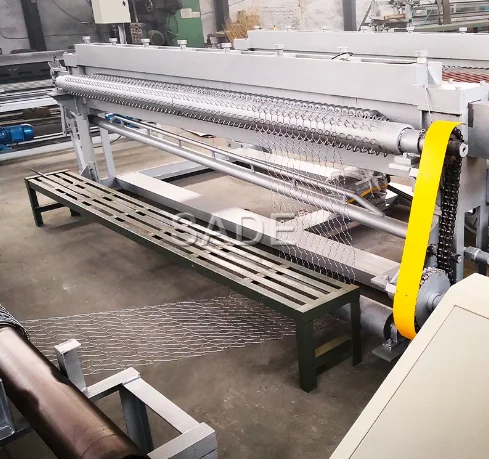
Modern hexagonal wire netting machines are engineering marvels, designed for precision, speed, and durability. At their core, these machines operate by a series of intricate twisting mechanisms that interlace two or more wires to form the characteristic hexagonal pattern. There are primarily two types of twisting mechanisms: single twist and double twist. Single twist machines are typically faster and suited for lighter gauge wires and smaller mesh sizes, while double twist machines offer superior strength and stability, making them ideal for heavier applications like gabion production where wire integrity is paramount. Key components include the pay-off stands, which manage the wire spools, the winding mechanisms that guide the wire, the critical twisting heads responsible for the hexagonal formation, and the cutting and rolling devices that finish the product into saleable rolls.
The materials processed by these machines are varied, commonly including galvanized steel wire for corrosion resistance, PVC-coated wire for enhanced durability and aesthetic appeal in outdoor applications, and sometimes even stainless steel for specialized, high-corrosion environments. The degree of automation is another critical differentiator; semi-automatic machines require more operator intervention for setup and adjustments, whereas fully automatic systems can run continuously with minimal human oversight, often incorporating programmable logic controllers (PLCs) and human-machine interfaces (HMIs) for precise control over mesh size, wire diameter, and production speed. These advanced control systems not only enhance operational efficiency but also significantly reduce the margin for human error, ensuring consistent product quality. The technical sophistication embedded in contemporary machines translates directly into tangible benefits for manufacturers: superior weaving precision, remarkably high production efficiency, reduced material waste through optimized cutting, and a minimized need for extensive maintenance due to robust component design and advanced diagnostic capabilities. Furthermore, integrated safety features, such as emergency stops, protective guarding, and automated fault detection, ensure a secure operating environment for personnel, reinforcing the commitment to both productivity and workplace safety.
In the competitive landscape of wire mesh manufacturing, raw performance metrics and a clear return on investment (ROI) are paramount. Modern hexagonal wire netting machines deliver compelling advantages in both areas. Consider production capacity: a high-speed, fully automatic model can effortlessly achieve output rates of up to 150-200 square meters per hour, a substantial increase compared to older, less efficient models that might only manage 80-100 square meters per hour. This enhanced speed directly translates into higher daily output, allowing manufacturers to meet larger orders and reduce lead times, thereby improving market responsiveness and customer satisfaction. The efficiency gains extend beyond mere speed. Energy consumption, a significant operational cost, has seen remarkable improvements. New machines are engineered with advanced motor technologies and optimized mechanical designs, often reducing power consumption by up to 25% when compared to units manufactured just a decade ago. For a plant running multiple machines around the clock, this reduction can equate to tens of thousands of dollars in annual savings.
Furthermore, labor costs are significantly optimized. While older machines might require dedicated operators for each unit, a single skilled operator can now efficiently manage multiple fully automatic hexagonal wire netting machines, thanks to intuitive HMI controls and robust automation. This reduction in labor overhead directly contributes to a healthier bottom line. Material waste minimization is another critical factor. Precision cutting and weaving mechanisms, often integrated with sensor-based feedback systems, ensure that wire is utilized with minimal scrap, improving material yield by 3-5% on average. Cumulatively, these quantitative advantages—increased output, reduced energy consumption, optimized labor, and minimized waste—shorten the payback period for the initial investment. Businesses frequently report achieving ROI within 18-36 months for a high-quality machine, demonstrating the profound economic impact of investing in state-of-the-art equipment. This data-driven approach underscores that modern hexagonal wire netting machines are not just production tools, but strategic assets designed to maximize profitability and operational efficiency.
Selecting the right hexagonal wire netting machine manufacturer is a critical decision that impacts long-term operational efficiency, product quality, and overall profitability. A thorough strategic sourcing process involves evaluating not just the initial purchase price but also machine capabilities, build quality, technological integration, and crucially, after-sales support. Below is a comparative table highlighting key aspects to consider when assessing potential manufacturers. This hypothetical comparison illustrates the diverse offerings and specializations within the market, emphasizing that the "best" choice is always contingent on specific business needs and priorities.
Feature/Criterion | Innovate Mesh Solutions | Global Wire Weavers | Precision Netting Co. |
Model Range | Single & Double Twist (Light-Heavy Duty) | Primarily Double Twist (Heavy Duty) | Focus on High-Speed Single Twist |
Production Speed (m²/hr) | 120 - 180 (Configurable) | 90 - 150 (Robust Output) | 150 - 220 (Optimized for Speed) |
Automation Level | Full Automatic PLC/HMI | Advanced Semi-Automatic to Full Automatic | Full Automatic with AI Diagnostics |
Durability/Material Quality | High-Grade Steel Components, Modular Design | Exceptional Heavy-Duty Construction | Precision-Engineered Alloys, Lightweight Yet Strong |
After-Sales Support | Global Network, 24/7 Remote Support, 2-Year Warranty | Regional Service Centers, On-Site Training, 1-Year Warranty | Comprehensive Online Portal, Fast Part Delivery, 3-Year Warranty |
Price Range ($) | Mid-High | High | Mid |
Key Feature | Flexible Mesh Size Changeovers, Energy Efficient | Unrivaled Gabion Production, Extreme Durability | Industry-Leading Speed, User-Friendly Interface |
Beyond these technical specifications, evaluating a manufacturer's reputation, customer testimonials, and their commitment to research and development provides further insight. A company like Innovate Mesh Solutions might be ideal for businesses requiring versatility across different product lines, while Global Wire Weavers could be the go-to for heavy-duty gabion projects demanding maximum strength. Precision Netting Co. could appeal to those prioritizing high volume and efficiency for standard mesh products. Ultimately, the decision should be guided by a clear understanding of your specific production requirements, budget constraints, and the level of long-term support deemed essential for continuous, trouble-free operation.
The beauty of modern manufacturing lies in its capacity for customization, and hexagonal wire netting machine production is no exception. While standard models cater to a broad range of applications, many businesses find immense value in tailored solutions that precisely meet their unique market demands or operational constraints. Manufacturers capable of delivering customization transform a generic machine into a specialized tool, maximizing efficiency and enabling the production of niche products that command higher margins.
Key parameters for customization typically include:
· Mesh Size and Wire Diameter Flexibility: Machines can be configured to handle a wide range of wire gauges, for instance, from delicate 0.6mm (22 gauge) wire suitable for small animal enclosures, up to robust 4.0mm (8 gauge) wire for heavy-duty gabion construction. Similarly, mesh opening sizes can be tailored from small 1/2 inch by 1/2 inch mesh for fine filtration or rodent control, to large 4 inch by 4 inch mesh for specialized agricultural fencing.
· Machine Width: While standard machines often come in widths like 1 meter, 2 meters, or 3 meters, specific projects may require narrower or wider configurations, up to 4 meters or more, to optimize material usage or integrate seamlessly into existing production lines.
· Motor Power and Control Systems: Depending on the required speed, wire thickness, and continuous operation demands, motor power can be adjusted. Furthermore, PLC integration can be customized with specific logic for unique product patterns, automated error detection, and advanced HMI interfaces tailored to local languages or operator skill levels.
· Material Compatibility: Beyond standard galvanized or PVC-coated wire, machines can be adapted to process other materials like stainless steel, aluminum, or even specialized alloys, though this may require different component materials or coating processes for machine parts.
· Integration with Auxiliary Equipment: For a streamlined production flow, manufacturers can customize machines to integrate directly with automated spooling machines, bundling and packaging systems, or even robotic handling units, creating a fully automated production cell.
· Safety Features and Compliance: Customization extends to adapting safety features to comply with specific regional or national industrial safety standards (e.g., OSHA in the US, CE marking in Europe), ensuring operational legality and employee well-being.
A bespoke hexagonal wire netting machine can significantly enhance competitive advantage by enabling the production of unique mesh products, improving operational efficiency for specific wire types, or integrating seamlessly into a complex production ecosystem. This level of adaptability ensures that the investment aligns perfectly with a company's strategic goals and operational realities, delivering superior performance and long-term value.
While the image of a chicken coop or garden fence often first comes to mind when considering hexagonal wire netting, the applications of this versatile material, and consequently the machines that produce it, extend far beyond traditional agricultural uses. Its unique combination of flexibility, strength-to-weight ratio, and relatively low cost makes it indispensable across a spectrum of industries, demonstrating the vast market potential for high-quality mesh production.
In the agricultural sector, beyond basic animal enclosures, hexagonal wire netting is extensively used for creating rabbit runs, pheasant pens, aviary mesh, and protecting crops from pests. Its pliable nature allows it to conform to irregular terrains and structures, making it ideal for customized farming solutions. However, the construction industry represents an equally, if not more, significant demand driver. Here, hexagonal mesh serves as crucial plastering reinforcement, particularly for stucco applications on exterior walls, where it provides a stable substrate for plaster adhesion and prevents cracking. It's also vital as insulation backing, holding insulation materials in place within walls and ceilings. A prominent application in civil engineering is the construction of gabion baskets. These large, stone-filled mesh cages are used for erosion control, retaining walls, river bank stabilization, and noise barriers, providing a flexible and permeable solution that integrates with the natural environment. The durability of the double-twist hexagonal mesh in these applications is paramount, often requiring machines capable of processing heavier gauge wires.
Industrially, specialized hexagonal mesh finds use in filtration systems, security barriers for industrial zones, and even as component parts in certain types of conveyor belts where light weight and flexibility are required. Art and craft sectors also utilize finer gauge hexagonal netting as armatures for sculptures, model making, or decorative elements due to its malleability and ability to hold shape. Even in domestic settings, beyond gardens, it's used for DIY projects, pet barriers, and protective coverings. This broad range of applications underscores the universal utility of hexagonal wire netting and, by extension, the strategic importance of investing in a reliable and efficient machine to produce it. Each application requires specific mesh sizes, wire diameters, and material coatings, highlighting the need for highly customizable and adaptable production equipment.
An investment in a high-quality hexagonal wire netting machine is a significant commitment, and its long-term value is intrinsically tied to the support infrastructure provided by the manufacturer. Ensuring the longevity and peak performance of your machine requires more than just initial quality; it demands robust after-sales service, readily available spare parts, and comprehensive technical assistance. This holistic approach to post-purchase support is what truly secures your investment and guarantees continuous operational uptime.
Firstly, proactive maintenance programs are essential. Reputable manufacturers offer detailed maintenance schedules and guides, often coupled with remote diagnostic capabilities that can predict potential issues before they escalate into costly breakdowns. Adherence to these guidelines, facilitated by accessible technical documentation and expert advice, is crucial for extending the machine's lifespan. Secondly, the availability of spare parts is a non-negotiable factor. A machine, no matter how robust, will eventually require replacement components due to wear and tear. Choosing a manufacturer with a well-stocked inventory and an efficient global distribution network for parts minimizes downtime and prevents production bottlenecks. A delay of even a few days waiting for a crucial part can translate into substantial revenue loss. Thirdly, comprehensive warranty coverage provides peace of mind, protecting against manufacturing defects and unforeseen failures during the initial operational period. A longer warranty period often signifies the manufacturer's confidence in their product's durability and quality.
Beyond parts and warranties, reliable technical support and operator training are paramount. Manufacturers should offer expert assistance, whether through dedicated phone lines, online portals, or on-site visits, to troubleshoot issues, guide repairs, and optimize machine performance. Furthermore, providing thorough training for your operational staff ensures they can safely and efficiently operate the hexagonal wire netting machine, performing routine maintenance and minor adjustments without external intervention. This empowers your team, reduces reliance on external technicians, and enhances overall productivity. In essence, the true cost-effectiveness of a hexagonal wire netting machine is not just its purchase price, but the total cost of ownership over its entire operational life, heavily influenced by the quality and availability of ongoing support. By prioritizing manufacturers who excel in these areas, businesses can safeguard their investment, ensure continuous production, and maximize the profitability derived from their equipment for decades to come.
Q1: What are the main types of hexagonal wire netting machines available?
A1: Primarily, there are single twist and double twist hexagonal wire netting machines. Single twist machines are generally faster for lighter gauge wires and smaller mesh sizes, while double twist machines produce a stronger, more stable mesh suitable for heavier applications like gabions.
Q2: What kind of materials can these machines process?
A2: Modern machines can process various materials, including galvanized steel wire (for rust resistance), PVC-coated wire (for enhanced durability and aesthetic appeal), and sometimes stainless steel for specialized corrosive environments.
Q3: How do I determine the right machine capacity for my needs?
A3: Determining capacity depends on your target production volume (square meters per hour), the desired wire diameter and mesh size range, and your operational budget. High-speed, fully automatic machines offer greater capacity but require a higher initial investment.
Q4: What is the typical lifespan of a well-maintained hexagonal wire netting machine?
A4: With proper maintenance, regular servicing, and timely replacement of wear parts, a high-quality hexagonal wire netting machine can have an operational lifespan of 15 to 25 years, often even longer.
Q5: Are spare parts readily available for these machines?
A5: Reputable manufacturers maintain a comprehensive stock of spare parts and often have global distribution networks to ensure timely delivery. It's crucial to confirm part availability and lead times with your chosen supplier.
Q6: Can these machines produce different mesh sizes and wire diameters?
A6: Yes, most modern hexagonal wire netting machines are highly flexible. They can be adjusted to produce various mesh sizes (e.g., from 1/2 inch to 4 inches) and accommodate different wire diameters (e.g., from 0.6mm to 4.0mm) by changing gears or adjusting settings, though some may require specific change parts.
Q7: What safety features are standard on modern hexagonal wire netting machines?
A7: Modern machines typically include emergency stop buttons, protective guarding around moving parts, automatic shut-off features for wire breaks or jams, overload protection for motors, and sometimes light curtains or safety sensors to prevent operation when guards are open.
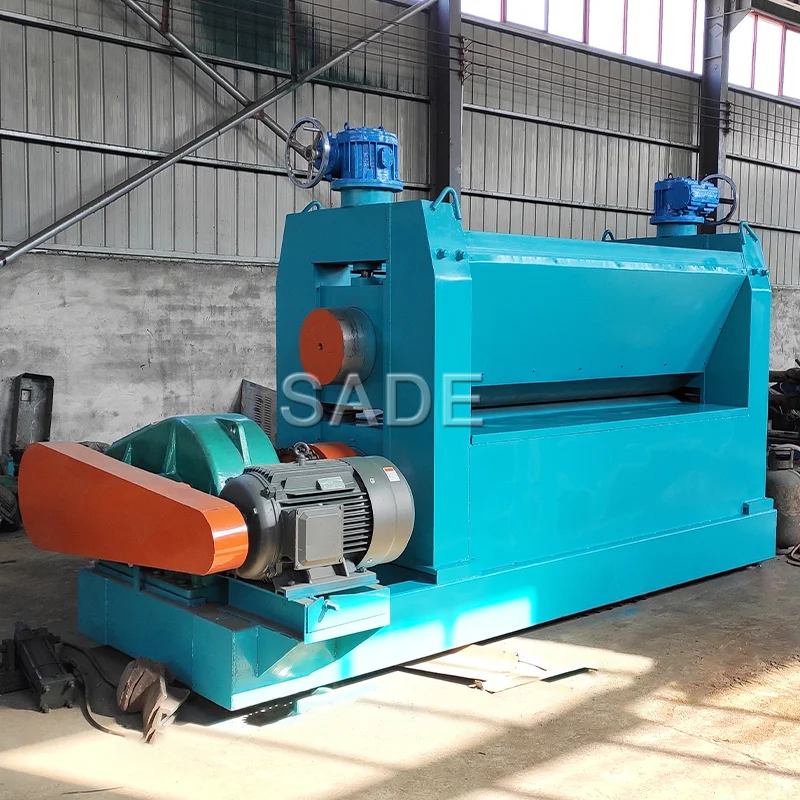
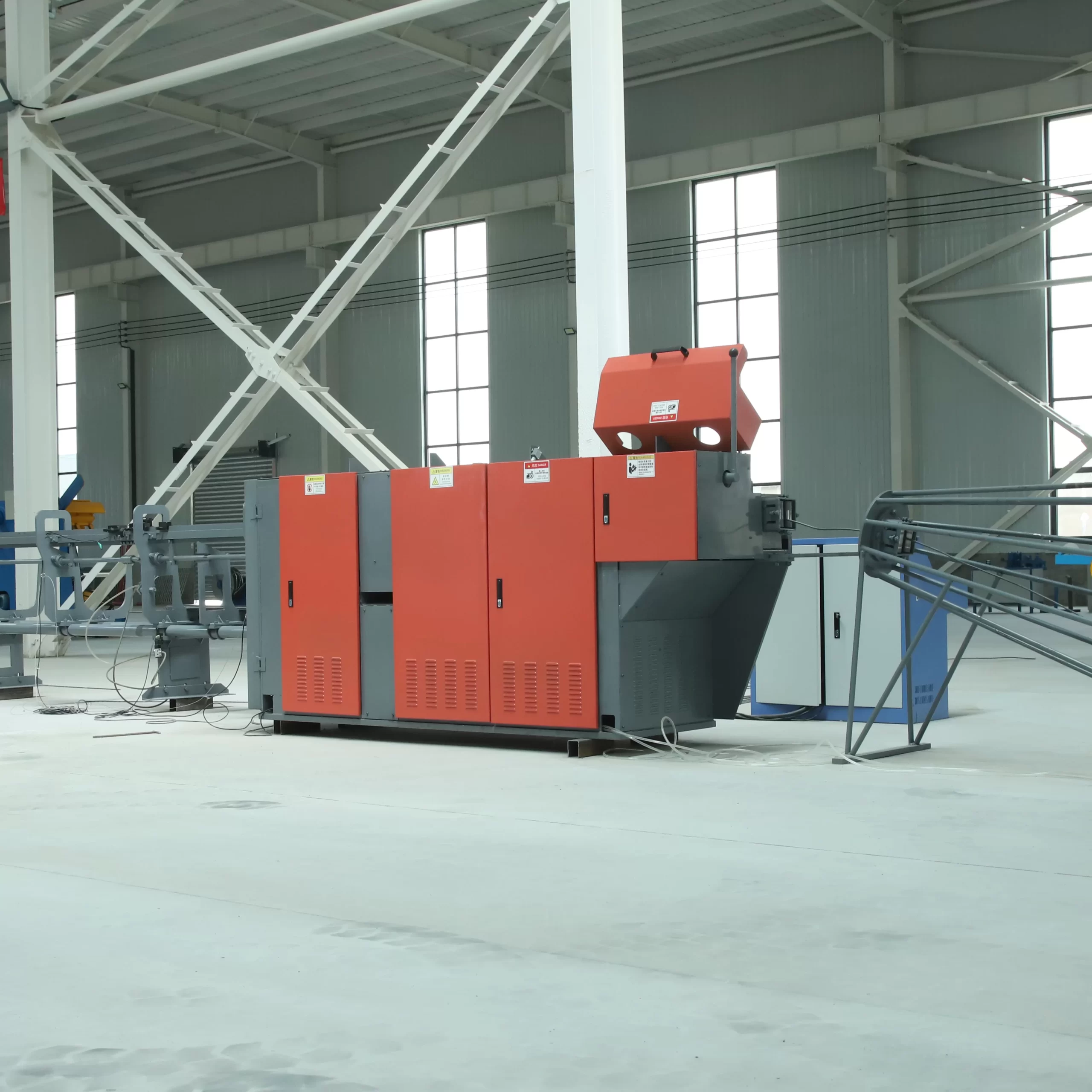
ZPJ Metal Mesh Flatting Machine
ZPJ metal mesh flatting machine is special designed for expanded metal flatting.It’s a corollary equipment of expanded metal machine. It can make expanded wire-mesh smoothly.And the flattened expanded metal have much more widely different applications.
Apr 24, 2026
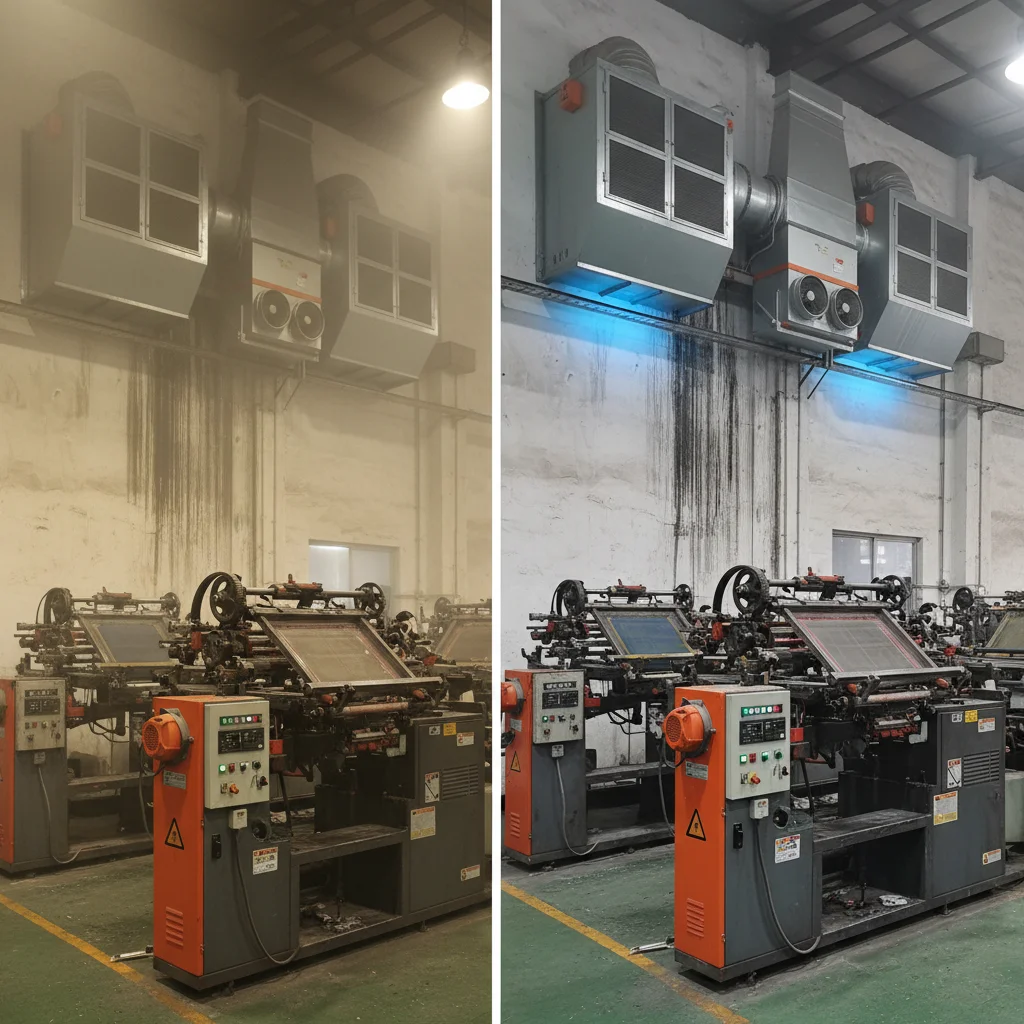
Industrial Wall Mounted Air Filtration for Clean Work Environments