
February 11, 2026
Sieve plates, crucial components in screening processes across various industries, are fundamental to efficient material separation. Understanding their production and the factors influencing their quality is essential for optimizing operations. This article will delve into the manufacturing processes, material selection, key considerations, and benefits of high-quality sieve plates. From quarrying to chemical processing, the efficiency of your screening process depends heavily on the quality of the sieve plates you employ. Mesh Machinery specializes in delivering durable and precise solutions for all your sieving needs.

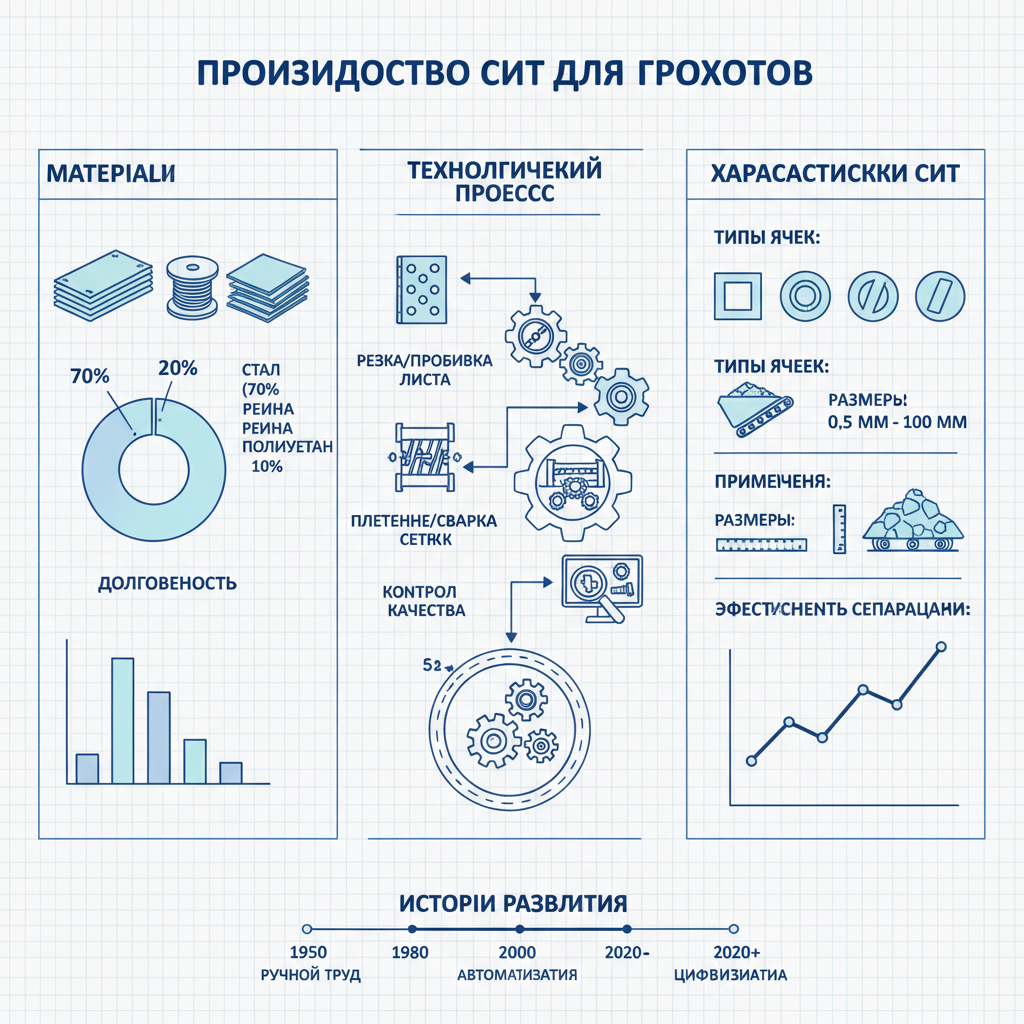
The production of sieve plates typically involves several key stages. Initially, the chosen metal sheet (stainless steel, carbon steel, etc.) is carefully cut to the desired dimensions. This is followed by the critical process of creating the apertures – the holes that determine the separation size. Methods include punching, laser cutting, or electro-etching, each offering varying degrees of precision and cost-effectiveness. After aperture creation, the plates often undergo de-burring and polishing to ensure smooth edges and surfaces. Finally, quality control inspections are performed to verify dimensional accuracy and structural integrity. A well-defined manufacturing process is paramount in guaranteeing consistent and reliable performance of the sieve plates.
The choice of material significantly impacts the sieve plate’s lifespan and performance. Stainless steel is widely favored due to its excellent corrosion resistance, high tensile strength, and suitability for various applications. Carbon steel offers a more economical option but may require protective coatings to prevent rust. Other materials like duplex stainless steel or specialized alloys are used for particularly demanding environments. The specific application, the type of material being screened, and the operating conditions all influence the optimal material selection. For abrasive materials, hardened steel alloys are recommended for extended service life. Mesh Machinery can assist in choosing the optimal material based on your specific needs.
Key Material Considerations: Corrosion resistance, tensile strength, abrasion resistance, cost-effectiveness, and compatibility with the screened material.
The aperture size (hole diameter) is the most critical parameter defining the sieve plate’s separation capability. Precise control over aperture size is vital for achieving accurate grading and minimizing material loss. Aperture shape also plays a role; round holes are common, but square, rectangular, or slotted apertures may be preferred for specific applications. For example, slotted apertures are often used to prevent blinding in sticky materials. The accuracy and consistency of aperture dimensions are paramount. Mesh Machinery employs state-of-the-art manufacturing techniques to ensure unparalleled precision.
Aperture Considerations:
• Accuracy and consistency of hole diameter
• Appropriate shape for the screened material
• Consideration of potential blinding issues
• Impact on screening efficiency and throughput
Several manufacturing methods are used for creating sieve plates, each with its advantages and disadvantages. Punching is a cost-effective option for larger apertures but can suffer from burring and limited precision. Laser cutting offers superior accuracy and cleaner edges but is typically more expensive. Electro-etching provides extremely fine apertures and is ideal for specialized applications, though it can be slower. The choice depends on the required precision, material thickness, aperture size, and budget constraints. Understanding these trade-offs is crucial for selecting the best manufacturing method for your specific application. Mesh Machinery offers expertise in all these methods.
Sieve plates find extensive application across diverse industries. In the mining and quarrying sectors, they are integral to separating materials by size, crucial for aggregate production. The chemical industry utilizes sieve plates for filtering solids from liquids. The food processing industry relies on them for grading and classifying food products. Even in the pharmaceutical sector, precise separation is vital, making high-quality sieve plates essential. The specific demands of each industry necessitate careful consideration of material selection, aperture size, and manufacturing method. Mesh Machinery caters to the unique requirements of each sector.
Choosing the right sieve plates is a critical investment that directly impacts the efficiency and profitability of your operations. Factors like material selection, aperture precision, and manufacturing method all play vital roles in determining performance and longevity. Partnering with a reputable supplier like Mesh Machinery ensures you receive high-quality sieve plates tailored to your specific needs. Don’t compromise on quality – choose the expertise and reliability of a proven leader.
The lifespan of a sieve plate is highly dependent on the abrasive nature of the material being screened, the operating conditions (e.g., vibration intensity), and the quality of the materials used in its construction. Generally, sieve plates can last from several months to several years. Regular inspections are vital to identify wear and tear, such as hole enlargement or cracking. Replacing worn sieve plates promptly prevents downstream issues and maintains screening efficiency. Choosing high-quality materials, such as hardened stainless steel, can significantly extend the lifespan.
Blinding, or clogging of the apertures, is a common issue, particularly with wet or sticky materials. Several strategies can help prevent it. Using appropriately sized apertures is crucial. Consider employing slotted apertures instead of round holes for some materials. Vibrating the sieve plate more vigorously can also help dislodge trapped particles. Additionally, surface treatments or coatings can reduce adhesion. In extreme cases, incorporating cleaning mechanisms, such as brushes or air jets, can be necessary. Proper material selection and aperture shape are key preventive measures.
Regular maintenance is essential for maximizing the lifespan and performance of sieve plates. This includes visual inspections for cracks, holes, or excessive wear. Cleaning the plates to remove accumulated debris is also important. Periodically check the mounting hardware to ensure it is secure. For severe wear, consider re-surfacing or replacing the plates. Implementing a scheduled maintenance program can prevent unexpected downtime and costly repairs. Mesh Machinery provides guidance on optimal maintenance practices.
Minor damage, such as small cracks or dents, can sometimes be repaired through welding or grinding. However, extensive damage, particularly to the apertures, typically necessitates replacement. Attempting to repair severely damaged plates can compromise their structural integrity and screening accuracy. In most cases, the cost of repair may exceed the cost of a new plate. It's always best to consult with a specialist to assess the extent of the damage and determine the most appropriate course of action.
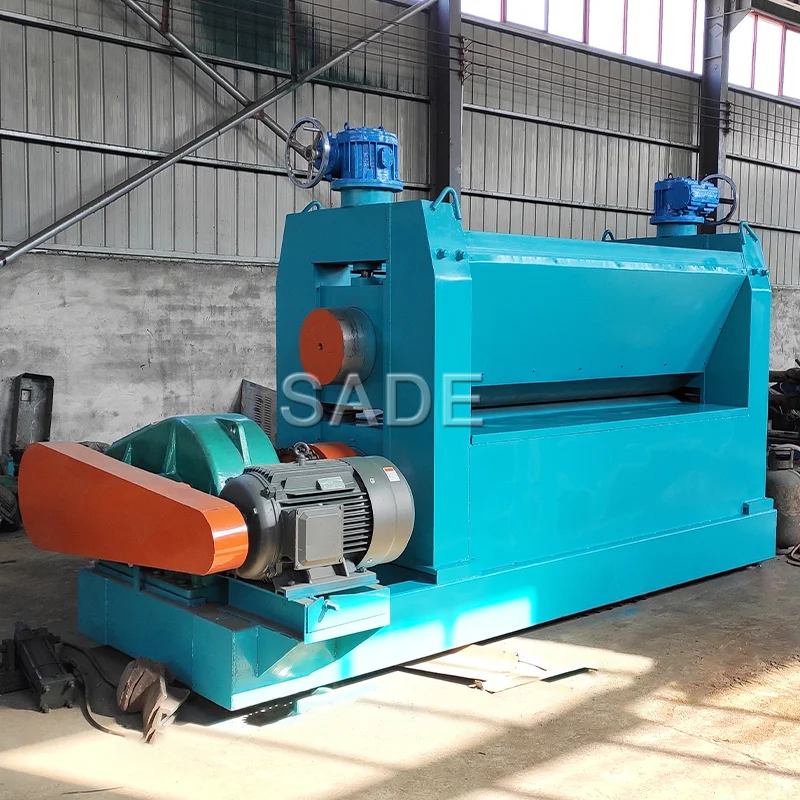
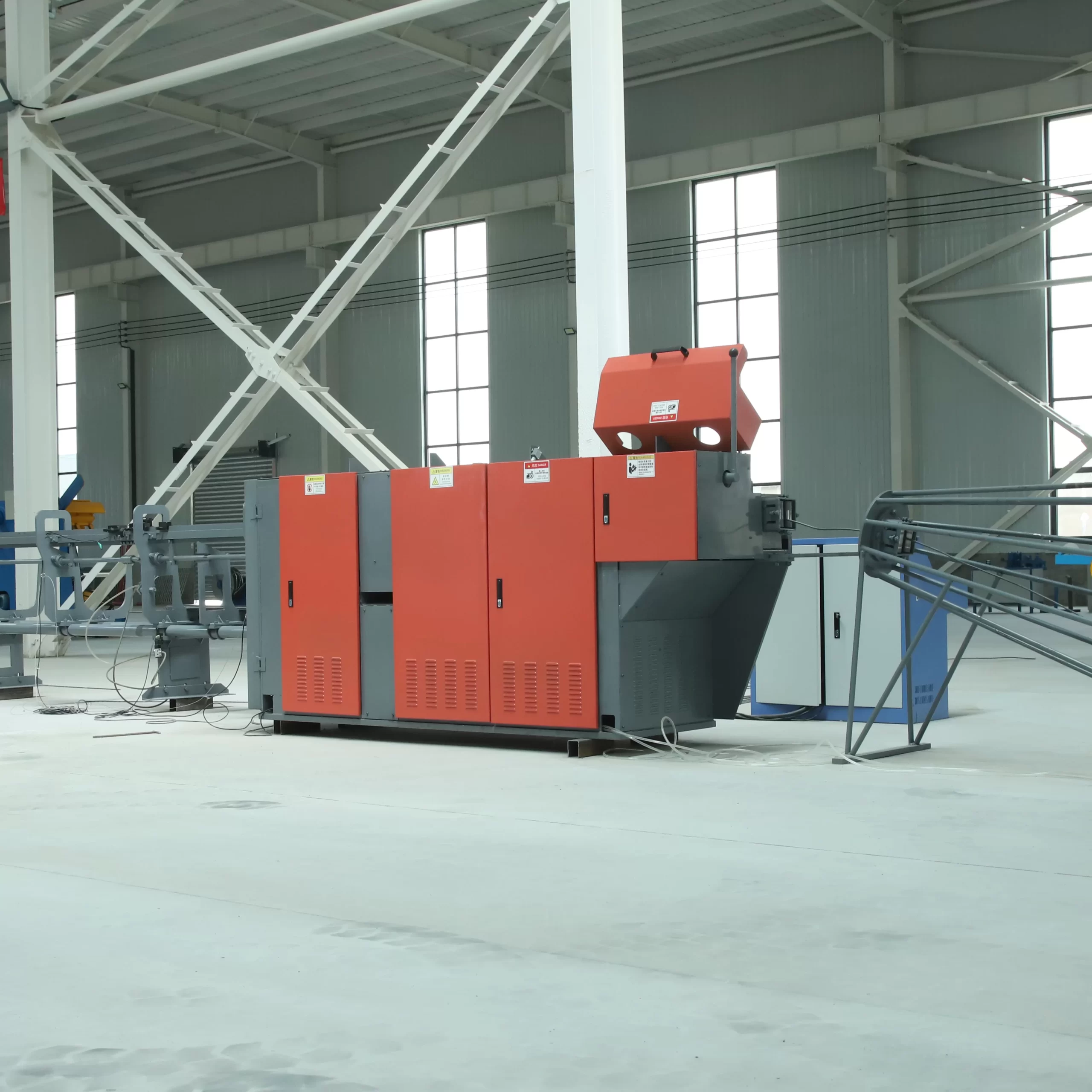
ZPJ Metal Mesh Flatting Machine
ZPJ metal mesh flatting machine is special designed for expanded metal flatting.It’s a corollary equipment of expanded metal machine. It can make expanded wire-mesh smoothly.And the flattened expanded metal have much more widely different applications.
Apr 24, 2026
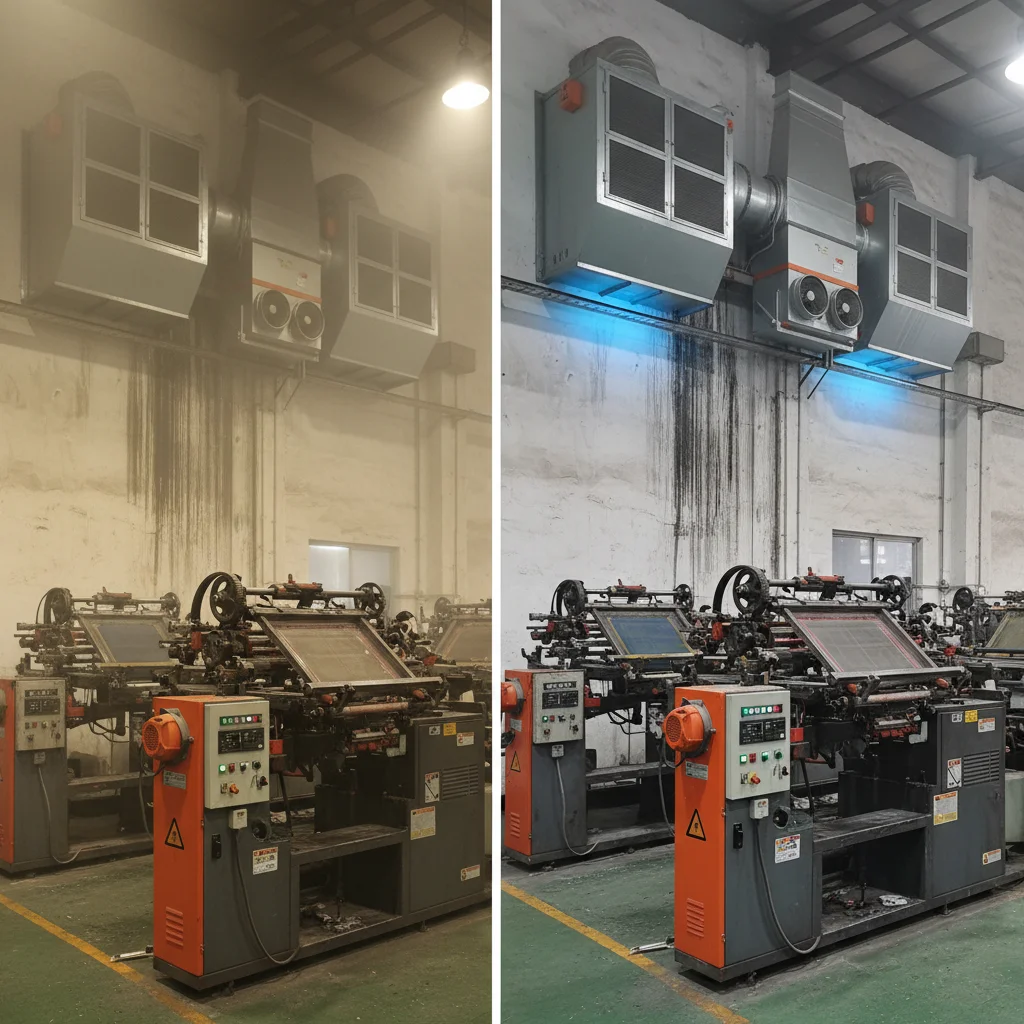
Industrial Wall Mounted Air Filtration for Clean Work Environments