The global need for effective air purification is escalating due to increasing industrialization, urbanization, and the rising prevalence of respiratory illnesses. Specifically, air purifier medical solutions are vital in healthcare settings, offering a critical layer of protection against airborne pathogens and pollutants, ultimately improving patient outcomes. Understanding the nuances of these systems is paramount for hospitals, clinics, and research facilities striving for optimal air quality and infection control.
Air quality directly impacts public health, and the demand for advanced air purification technologies is growing exponentially. The United Nations estimates that 9 out of 10 people breathe air containing high levels of pollutants (UN Environment Programme, 2021). Air purifier medical devices address this pressing issue by removing particulate matter, viruses, and bacteria from enclosed spaces, creating a safer environment for vulnerable populations. This is particularly crucial in regions with limited access to clean air resources.
Investing in and implementing robust air purification strategies is no longer a luxury, but a necessity. Air purifier medical technologies provide a proactive approach to safeguarding health and well-being, reducing healthcare costs associated with respiratory diseases, and improving overall quality of life. Continued innovation in this field is essential to meet the evolving challenges of air pollution and infectious disease outbreaks.
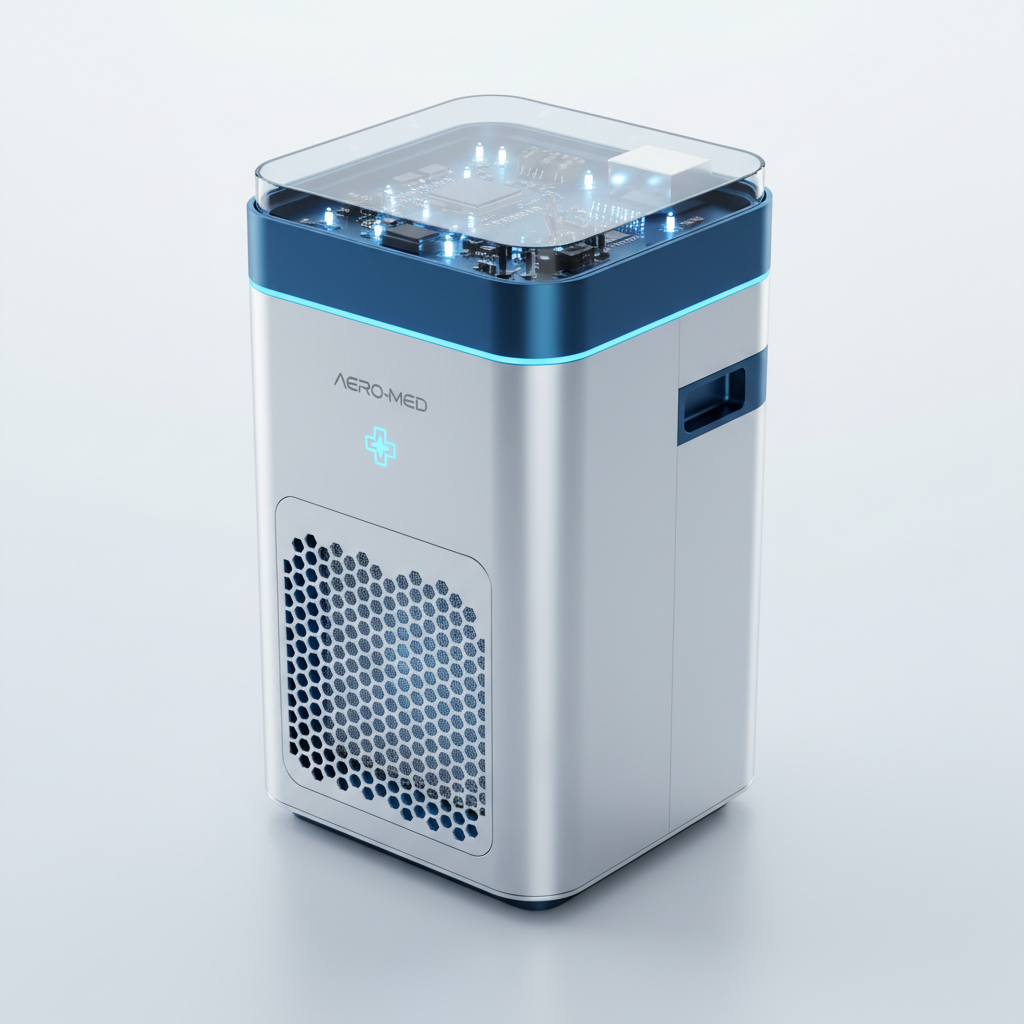
The Importance of Air Purifier Medical Systems
In healthcare environments, maintaining optimal air quality is crucial for preventing the spread of infections and ensuring patient safety. Air purifier medical systems are specifically designed to address these challenges, employing advanced filtration technologies to remove airborne pathogens, allergens, and pollutants. This significantly reduces the risk of hospital-acquired infections (HAIs) and improves patient recovery rates.
Beyond infection control, air purification also plays a vital role in managing chronic respiratory conditions like asthma and COPD. By removing irritants from the air, these systems can alleviate symptoms and improve the quality of life for patients suffering from these conditions. Modern hospitals and clinics are increasingly recognizing the importance of investing in air purifier medical as an integral part of their overall patient care strategy.
Defining Air Purifier Medical Technology
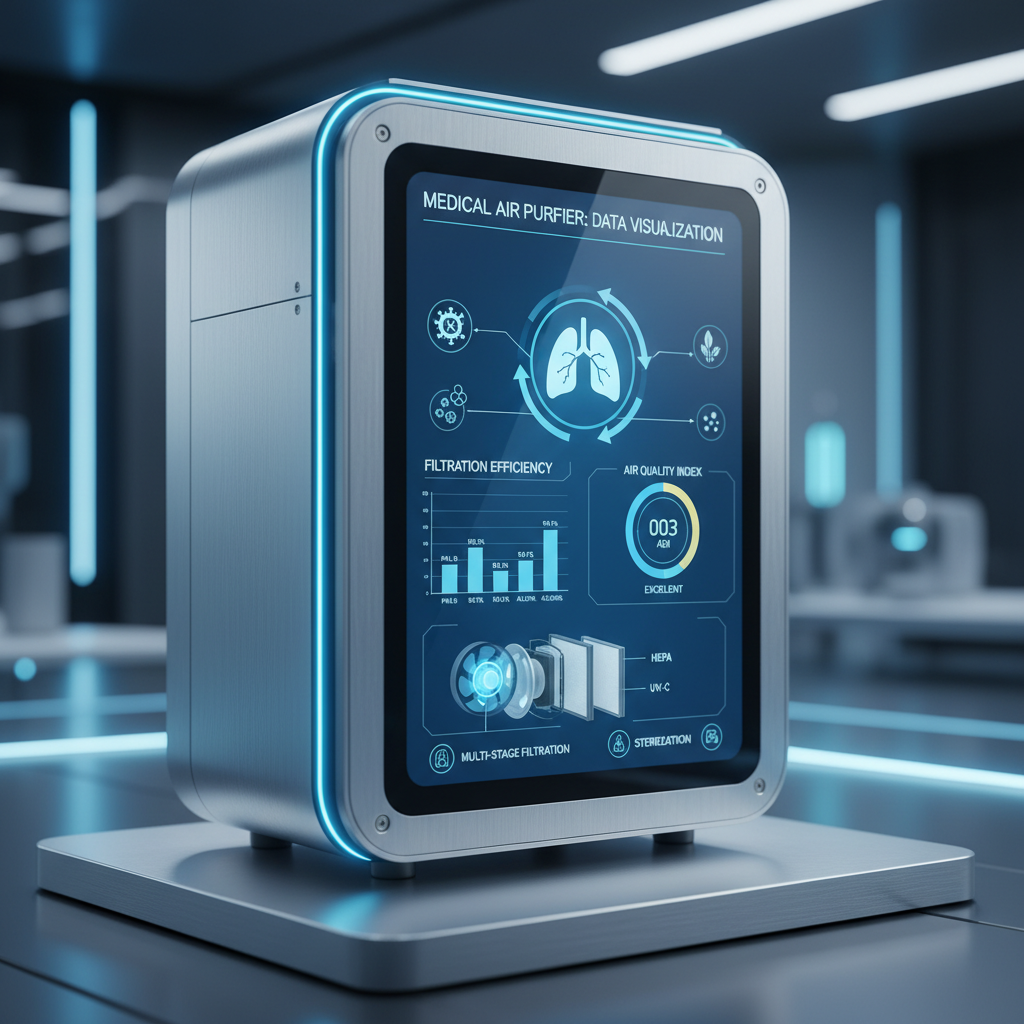
Air purifier medical technologies encompass a range of devices engineered to remove contaminants from the air in healthcare settings. Unlike standard air purifiers, medical-grade units adhere to stringent standards and employ specialized filtration mechanisms. These include HEPA filters (High-Efficiency Particulate Air) capable of capturing 99.97% of particles 0.3 microns in size, activated carbon filters for removing odors and volatile organic compounds (VOCs), and UV-C sterilization to neutralize bacteria and viruses.
The connection to modern industry lies in the increasingly sophisticated manufacturing processes and materials science employed in their creation. Advances in nanotechnology and filter design have led to more efficient and effective air purifier medical solutions. These devices are not merely consumer products; they are critical components of a comprehensive infection prevention and control program within healthcare facilities.
They are directly linked to humanitarian needs as well, proving invaluable in temporary hospitals, disaster relief zones, and mobile healthcare units where maintaining sterile air quality is paramount in the absence of established infrastructure. These systems can significantly reduce the risk of infectious disease outbreaks in vulnerable populations.
Key Factors in Air Purifier Medical Effectiveness
Filtration efficiency is arguably the most crucial factor. Medical-grade air purifier medical systems must utilize HEPA filters, and often incorporate multiple stages of filtration to address a wide range of contaminants. The Clean Air Delivery Rate (CADR) is a key metric used to assess a purifier's ability to remove pollutants from a given space.
Airflow rate and room size compatibility are equally important. A purifier must be appropriately sized for the space it is intended to serve to ensure adequate air circulation and effective contaminant removal. Under-sized units will struggle to clean the air effectively, while oversized units may consume excessive energy.
Maintenance and filter replacement schedules are critical for sustaining performance. Regular filter changes are essential to prevent the buildup of contaminants and maintain optimal airflow. Automated monitoring systems and filter life indicators can help ensure timely replacements. The durability of the unit itself also plays a role, particularly in high-usage environments.
Global Applications of Air Purifier Medical Devices
Air purifier medical devices find widespread application in hospitals and clinics, particularly in operating rooms, intensive care units (ICUs), and isolation wards. These settings require the highest levels of air purity to minimize the risk of surgical site infections and protect immunocompromised patients. They are also used in pharmacies preparing sterile medications.
In post-disaster relief operations, mobile air purifier medical units are deployed to provide clean air in temporary shelters and field hospitals, protecting aid workers and affected populations from airborne contaminants and infectious diseases. This is particularly vital in areas with compromised infrastructure.
Furthermore, research laboratories and pharmaceutical manufacturing facilities rely heavily on these technologies to maintain controlled environments and prevent contamination of sensitive experiments and products. The demand is growing in regions experiencing rapid industrialization and increasing air pollution, such as parts of Asia and South America.
Air Purifier Medical System Efficiency Comparison
Advantages and Long-Term Value Proposition
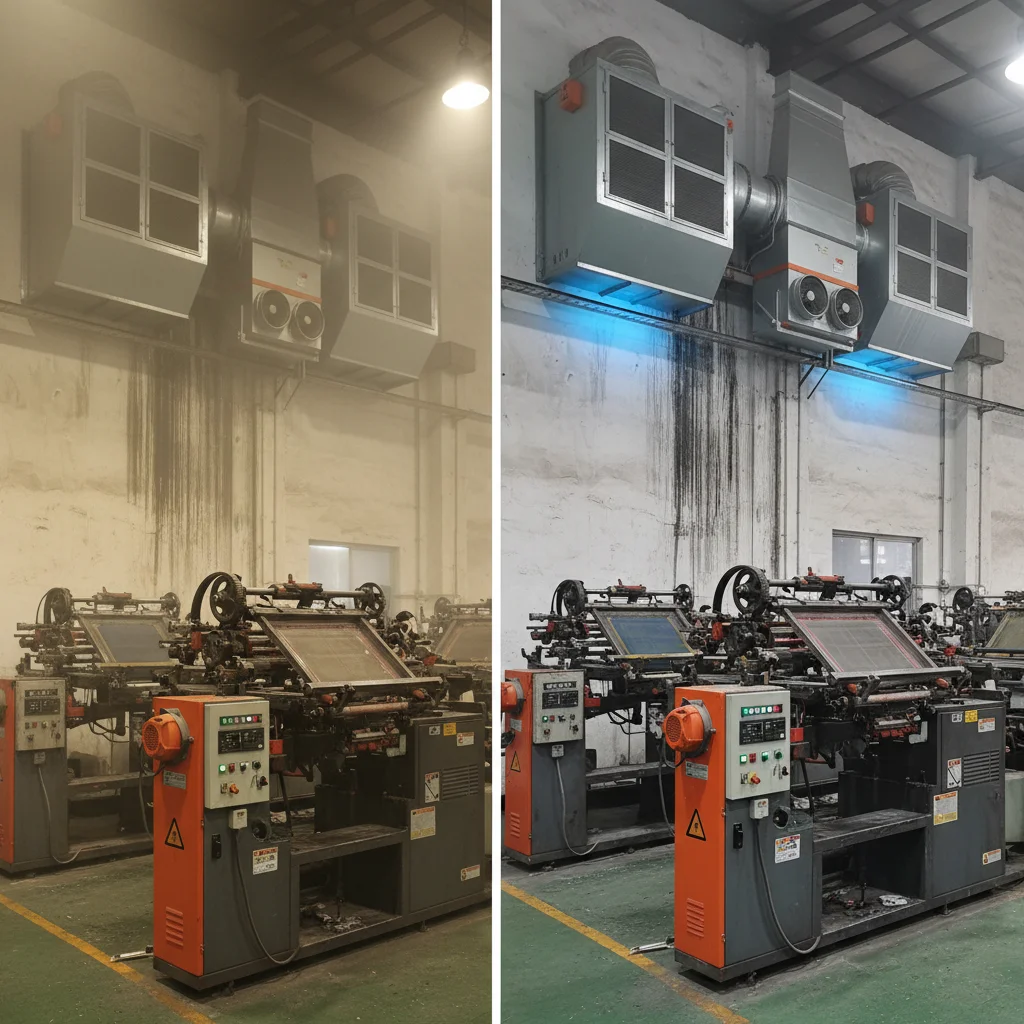
The most tangible benefit of air purifier medical systems is the reduction in healthcare-associated infections (HAIs), leading to decreased patient morbidity and mortality, and reduced healthcare costs. Cleaner air contributes to faster recovery times and fewer complications. Cost savings also stem from reduced reliance on antibiotics and other treatments for infections.
From a sustainability perspective, some advanced air purification technologies are designed with energy efficiency in mind. Moreover, the long-term health benefits contribute to a more productive workforce and a healthier population, enhancing societal well-being. The peace of mind that comes with knowing the air is clean and safe is an invaluable emotional benefit for patients, staff, and visitors.
Future Trends and Innovations in Air Purification
The integration of smart technology and IoT (Internet of Things) sensors into air purifier medical systems allows for real-time monitoring of air quality and remote control of device settings. This enables proactive maintenance and optimization of performance. The adoption of more sustainable filter materials, such as biodegradable polymers, is also gaining traction.
Research into advanced filtration technologies, including plasma filtration and photocatalytic oxidation, promises even more effective removal of airborne contaminants. Furthermore, the development of portable and lightweight air purification devices will expand their applicability in diverse settings, including ambulances and mobile healthcare clinics.
Challenges and Potential Solutions
A significant challenge is the cost of implementing and maintaining medical-grade air purification systems, particularly in resource-limited settings. Developing more affordable and accessible solutions is crucial. Another challenge is the potential for cross-contamination during filter replacement if proper procedures are not followed.
Solutions include exploring innovative financing models, such as leasing programs and government subsidies, to make these technologies more accessible. Developing standardized protocols for filter replacement and providing comprehensive training to healthcare staff can mitigate the risk of cross-contamination. Utilizing UV-C sterilization in conjunction with filtration can offer an enhanced level of disinfection.
Addressing the global shortage of skilled technicians capable of maintaining and repairing complex air purification systems is vital. Increased investment in training programs and educational resources will help ensure the long-term sustainability of these technologies.
Summarizing Core Challenges and Potential Solutions for Air Purifier Medical Systems
| Challenge |
Impact on Air Purifier Medical |
Potential Solution |
Implementation Cost (Scale 1-10) |
| High Initial Cost |
Limits access for smaller facilities |
Leasing programs, government subsidies |
6 |
| Filter Replacement Costs |
Ongoing expense can be substantial |
Long-life filters, recycling programs |
4 |
| Maintenance Requirements |
Requires skilled technicians |
Training programs, remote diagnostics |
7 |
| Cross-Contamination Risk |
Improper filter handling can spread pathogens |
Standardized procedures, automated systems |
5 |
| Energy Consumption |
Can be significant for large systems |
Energy-efficient designs, smart controls |
3 |
| Lack of Standardization |
Difficulty comparing performance |
Industry-wide performance benchmarks |
8 |
FAQS
HEPA filters are specifically designed to capture 99.97% of particles 0.3 microns in size, making them significantly more effective than standard air filters at removing airborne contaminants. Standard filters typically capture larger particles but are less effective against viruses, bacteria, and fine dust. Air purifier medical systems rely on HEPA filtration to provide optimal air quality.
Filter replacement frequency depends on usage and air quality conditions, but generally, HEPA filters should be replaced every 6-12 months, and activated carbon filters every 3-6 months. Some air purifier medical units feature filter life indicators to alert you when replacement is needed. Regular maintenance is crucial for maintaining optimal performance.
UV-C light can effectively kill viruses and bacteria, but its effectiveness depends on the intensity of the light, the exposure time, and the distance from the light source to the contaminants. UV-C is often used in conjunction with filtration in air purifier medical systems to provide a multi-layered approach to air purification.
CADR measures the volume of clean air produced by an air purifier per unit of time. It indicates how quickly a purifier can clean a room of a specific size. Higher CADR values mean faster and more efficient air purification. This is a key consideration when selecting an air purifier medical device.
Consider the room's square footage and ceiling height. Manufacturers typically provide guidelines for room size coverage based on the purifier's CADR. For medical settings, it's generally recommended to opt for a unit with a higher CADR to ensure adequate air exchange rates. Air purifier medical experts can help assess your needs.
Noise levels vary depending on the unit and fan speed. Look for models designed for quiet operation, particularly if they are intended for use in patient rooms or other sensitive areas. Many air purifier medical systems offer adjustable fan speeds to balance purification performance and noise levels.
Conclusion
In conclusion, air purifier medical technology plays a critical role in safeguarding public health, particularly within healthcare environments. From preventing the spread of infections to alleviating respiratory symptoms and enhancing overall air quality, the benefits are undeniable. Adopting and investing in advanced air purification systems is no longer a matter of choice, but a necessity for ensuring safe and healthy environments.
Looking forward, continued innovation in filtration technologies, smart sensor integration, and sustainable materials will further enhance the effectiveness and accessibility of these vital systems. By embracing these advancements and addressing the challenges of cost and maintenance, we can create a future where clean air is a fundamental right for all. Visit our website at www.meshmachinery.com to learn more about our comprehensive range of air purification solutions.