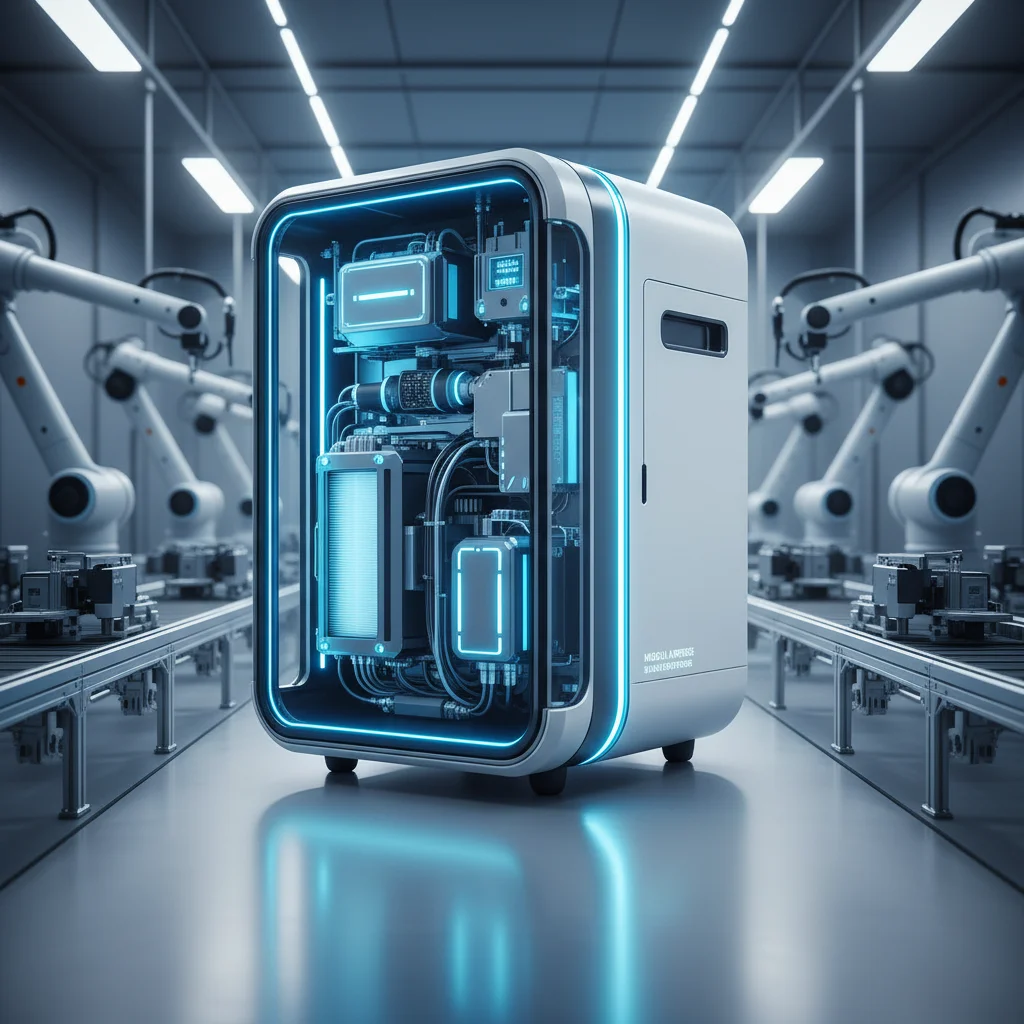
The global need for effective air purification and disinfection is paramount, driven by increasing concerns about airborne diseases, indoor air quality, and industrial safety. An air disinfection machine plays a crucial role in mitigating these risks, offering a proactive solution for creating healthier and safer environments. From healthcare facilities to manufacturing plants, and even public transportation, the demand for reliable air disinfection technologies is steadily growing, making understanding their capabilities essential.
The significance of air disinfection extends beyond mere health concerns; it directly impacts productivity, economic stability, and overall quality of life. Poor air quality can lead to reduced work performance, increased absenteeism, and higher healthcare costs. Investing in robust air disinfection machines is therefore not simply an expense, but a strategic investment in human capital and societal wellbeing.
Understanding the principles, technologies, and applications of these machines is vital for professionals across numerous sectors. This knowledge empowers informed decision-making, ensuring the selection of the most appropriate solution for specific needs and contributing to a more sustainable and healthy future.
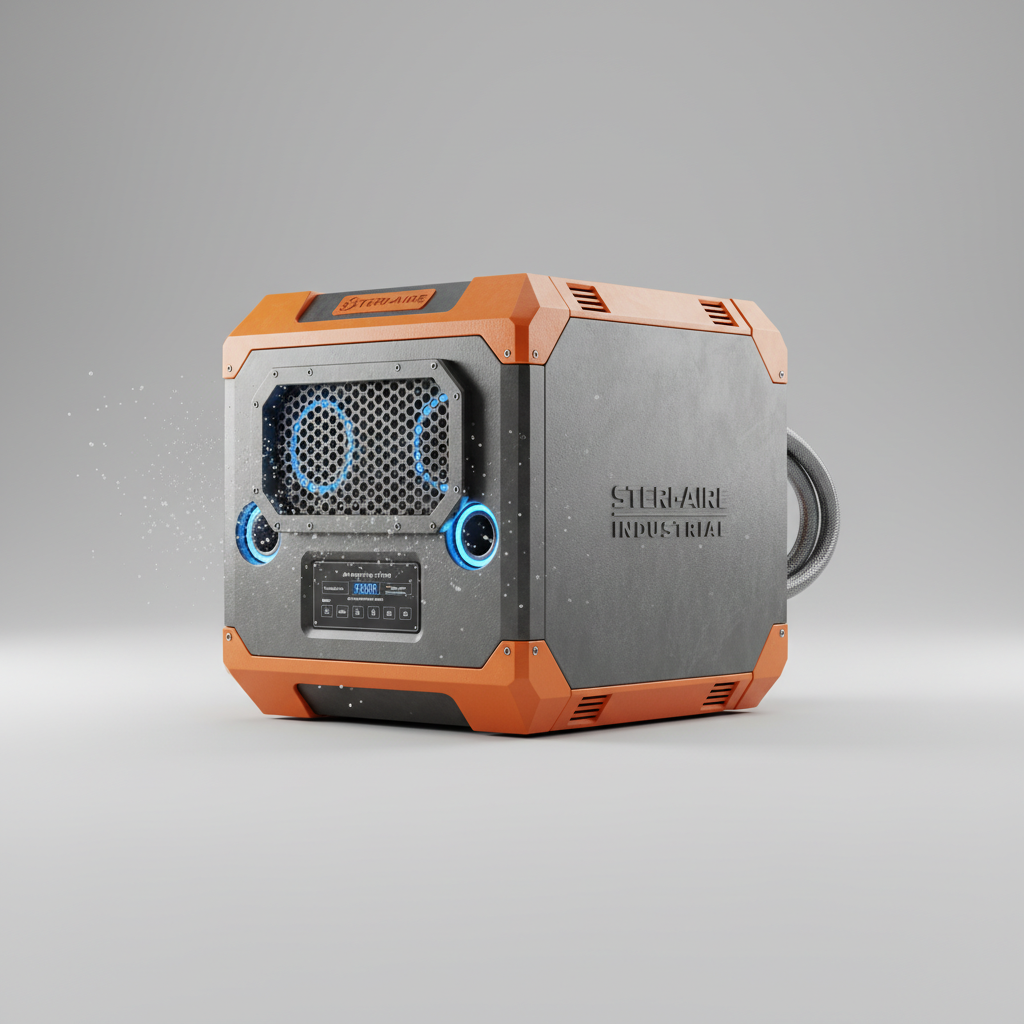
Introduction to air disinfection machine
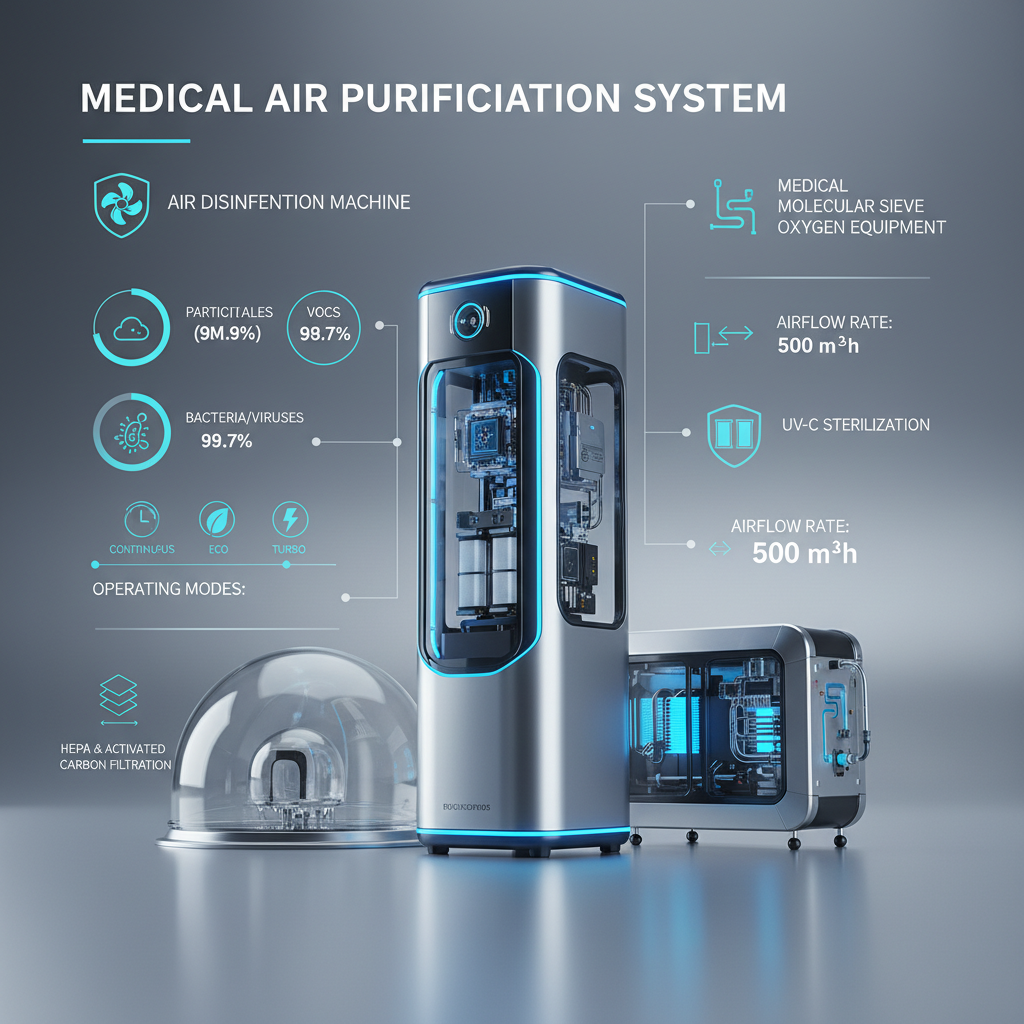
An air disinfection machine is a critical piece of equipment designed to eliminate harmful airborne contaminants, including bacteria, viruses, fungi, and volatile organic compounds (VOCs). These machines utilize a variety of technologies, such as ultraviolet germicidal irradiation (UVGI), high-efficiency particulate air (HEPA) filtration, and advanced oxidation processes (AOP), to achieve a high level of air purity.
The increasing demand for these machines is linked to a growing awareness of the impact of indoor air quality on health and productivity. Industries like healthcare, pharmaceuticals, food processing, and electronics require stringent air purification protocols to prevent contamination and maintain quality control. The ability to rapidly and effectively disinfect air is increasingly essential in these settings.
Defining Air Disinfection Machine
At its core, an air disinfection machine is a device engineered to remove or inactivate airborne pathogens and pollutants. It goes beyond simple air purification, which primarily focuses on removing particulate matter. Disinfection targets microorganisms, rendering them harmless and preventing their spread. This is achieved through methods like UV-C light exposure, which damages the DNA of bacteria and viruses, or through filtration systems that physically trap airborne particles.
The connection to modern industry is profound. Sectors requiring sterile environments, such as pharmaceutical manufacturing and semiconductor fabrication, rely heavily on air disinfection machines to maintain product integrity and prevent costly contamination events. Similarly, in healthcare settings, these machines are vital for controlling healthcare-associated infections (HAIs).
Furthermore, the rising concerns over global pandemics have underscored the importance of readily deployable air disinfection solutions for public spaces, transportation systems, and emergency response facilities. The technology directly addresses a critical humanitarian need by minimizing the risk of airborne disease transmission.
Core Components of Air Disinfection Machine
Several key factors contribute to the effectiveness of an air disinfection machine. Firstly, the filtration system plays a crucial role. HEPA filters are commonly used to capture particulate matter, but their efficiency varies depending on particle size. Pre-filters are often employed to extend the lifespan of HEPA filters by removing larger particles.
Secondly, the disinfection technology itself is paramount. UVGI systems, utilizing UV-C light, are highly effective against a broad spectrum of microorganisms, but require careful design to ensure adequate exposure time and prevent eye or skin contact. Advanced oxidation processes (AOPs), using ozone or hydrogen peroxide, offer an alternative disinfection method, but must be controlled to avoid harmful residual levels.
Thirdly, airflow dynamics are critical. A machine must be able to effectively circulate air throughout the space, ensuring that all areas are adequately disinfected. Airflow rates, fan efficiency, and room geometry all influence the overall performance. Lastly, the machine's construction and materials must be durable and resistant to the harsh chemicals or cleaning agents often used in disinfection processes.
Practical Applications and Scalability
The practical application of an air disinfection machine is highly versatile. In hospitals, they are used in operating rooms, isolation wards, and ventilation systems to minimize the risk of infection. In laboratories, they safeguard sensitive research and prevent cross-contamination. Industrial settings, such as pharmaceutical manufacturing plants, employ them to maintain sterile production environments.
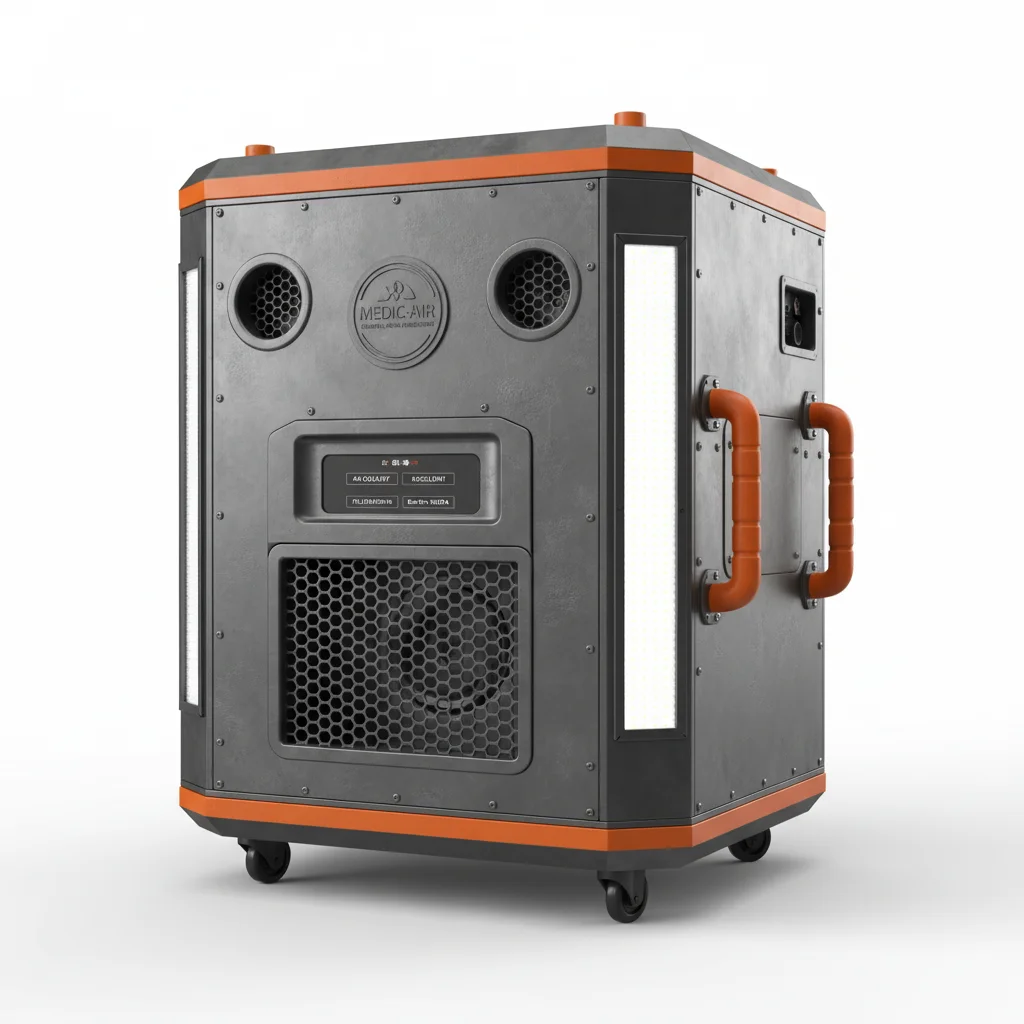
Scalability is another important consideration. Manufacturers offer a range of machines, from portable units for small rooms to large, centralized systems for entire buildings. The ability to customize airflow rates, filtration systems, and disinfection technologies ensures that the machine can be tailored to meet the specific needs of any application.
Air Disinfection Machine Effectiveness Comparison
Global Use Cases for air disinfection machine
The application of air disinfection machines spans a global scale. In densely populated urban centers, these machines are deployed in public transportation hubs and commercial buildings to improve air quality and mitigate the spread of respiratory illnesses. Developing nations often utilize them in healthcare facilities with limited resources.
In post-disaster relief operations, portable air disinfection machines are crucial for establishing safe environments in temporary shelters and medical facilities. Similarly, in remote industrial zones where air quality regulations are stringent, these machines ensure compliance and protect worker health.
Advantages and Long-Term Value
Investing in an air disinfection machine delivers numerous tangible benefits. Reduced healthcare costs through decreased infection rates, increased productivity due to improved employee health, and enhanced brand reputation through a commitment to safety are all significant returns. From a sustainability perspective, proper maintenance and filter replacement can minimize environmental impact.
Beyond these practical advantages, there's an emotional element. Knowing that a space is actively disinfected provides a sense of security and wellbeing, fostering trust and confidence among occupants. This investment signals a commitment to innovation and a proactive approach to health and safety, reinforcing positive perceptions.
The reliability of these machines, when properly maintained, contributes to long-term operational efficiency, minimizing downtime and ensuring consistent air quality. This reliability translates directly into cost savings and a stable, healthy environment.
Future Trends in Air Disinfection
The future of air disinfection machine technology is poised for significant advancements. Integration with smart building systems, allowing for automated operation and remote monitoring, is a key trend. The development of more energy-efficient UV-C lamps and AOP systems will further reduce operational costs.
Research into novel disinfection methods, such as photocatalytic oxidation (PCO) and cold plasma technology, promises even greater effectiveness and reduced environmental impact. Furthermore, the increasing focus on indoor air quality monitoring will drive demand for integrated systems that combine disinfection with real-time air quality assessment.
The adoption of sustainable materials in machine construction and the development of closed-loop filter recycling programs will contribute to a more circular economy. Digital transformation will play a major role in improving the management and optimization of these systems.
Core Performance Metrics of Air Disinfection Machines
| Disinfection Method |
Particle Removal Efficiency (%) |
Energy Consumption (W/hr) |
Maintenance Frequency (Months) |
| UVGI - Low Pressure |
99.9% |
30 |
12 |
| HEPA Filtration - Standard |
99.97% |
45 |
6 |
| AOP - Ozone Based |
99.99% |
60 |
9 |
| Plasma Sterilization |
99.8% |
75 |
18 |
| UVGI - High Output |
99.995% |
50 |
12 |
| PCO - Titanium Dioxide |
95% |
25 |
24 |
FAQS
Air purification focuses on removing particulate matter like dust and pollen, while air disinfection targets and eliminates biological contaminants such as bacteria, viruses, and fungi. An air disinfection machine actively neutralizes these pathogens, offering a more comprehensive approach to air quality improvement. Often, systems incorporate both purification and disinfection technologies for optimal results. Purification is a physical removal process, while disinfection is a biological inactivation process.
Filter replacement frequency depends on the type of filter and the level of contamination in the air. Pre-filters typically need replacing every 1-3 months, while HEPA filters can last 6-12 months. However, it’s crucial to monitor filter condition regularly and replace them when they become visibly dirty or when airflow decreases. Following the manufacturer’s recommendations is also vital for maintaining optimal performance of the air disinfection machine.
UV-C light can be harmful to the eyes and skin, so it's crucial to ensure that the UV-C lamps are properly shielded within the air disinfection machine. Reputable manufacturers design machines with safety features to prevent exposure. Avoid direct contact with UV-C light and never look directly at an operating UV-C lamp. Properly designed systems pose minimal risk to occupants.
Portable air disinfection machines are self-contained units that can be easily moved from room to room, making them ideal for targeted disinfection. Centralized systems are integrated into a building’s HVAC system, providing whole-building air disinfection. Portable systems offer flexibility, while centralized systems provide consistent air quality throughout the entire facility.
While some air disinfection machines incorporate activated carbon filters to absorb odors, their primary function is to eliminate biological contaminants. Advanced oxidation processes (AOPs) can also help neutralize odor-causing molecules. For dedicated odor control, consider systems specifically designed for that purpose, often used in conjunction with disinfection machines.
The lifespan of an air disinfection machine typically ranges from 5 to 10 years, depending on the quality of construction, maintenance, and usage. Regular maintenance, including filter replacements and cleaning, can significantly extend the machine’s lifespan. Investing in a reputable brand with readily available parts and support is also crucial for long-term reliability.
Conclusion
In conclusion, air disinfection machines represent a critical investment in public health, safety, and productivity. From healthcare facilities and industrial settings to public spaces and disaster relief efforts, these machines play a vital role in mitigating the spread of airborne diseases and creating healthier environments. Understanding the core components, practical applications, and future trends of this technology is essential for informed decision-making.
Looking ahead, continued innovation in air disinfection technology, coupled with a growing awareness of the importance of indoor air quality, will drive further adoption and refinement of these systems. We encourage you to explore the latest advancements and consider implementing air disinfection solutions to safeguard your environment and promote wellbeing. Visit our website: www.meshmachinery.com.