
March 07, 2026
In today’s rapidly expanding infrastructure and industrial sectors, the demand for efficient cable management solutions is higher than ever. A robust and reliable cable tray production line is crucial for meeting this demand. This article will delve into the intricacies of these production lines, examining the key components, process, considerations for choosing the right system, and future trends. Understanding these aspects is paramount for businesses aiming to optimize their manufacturing processes and deliver high-quality cable tray solutions.
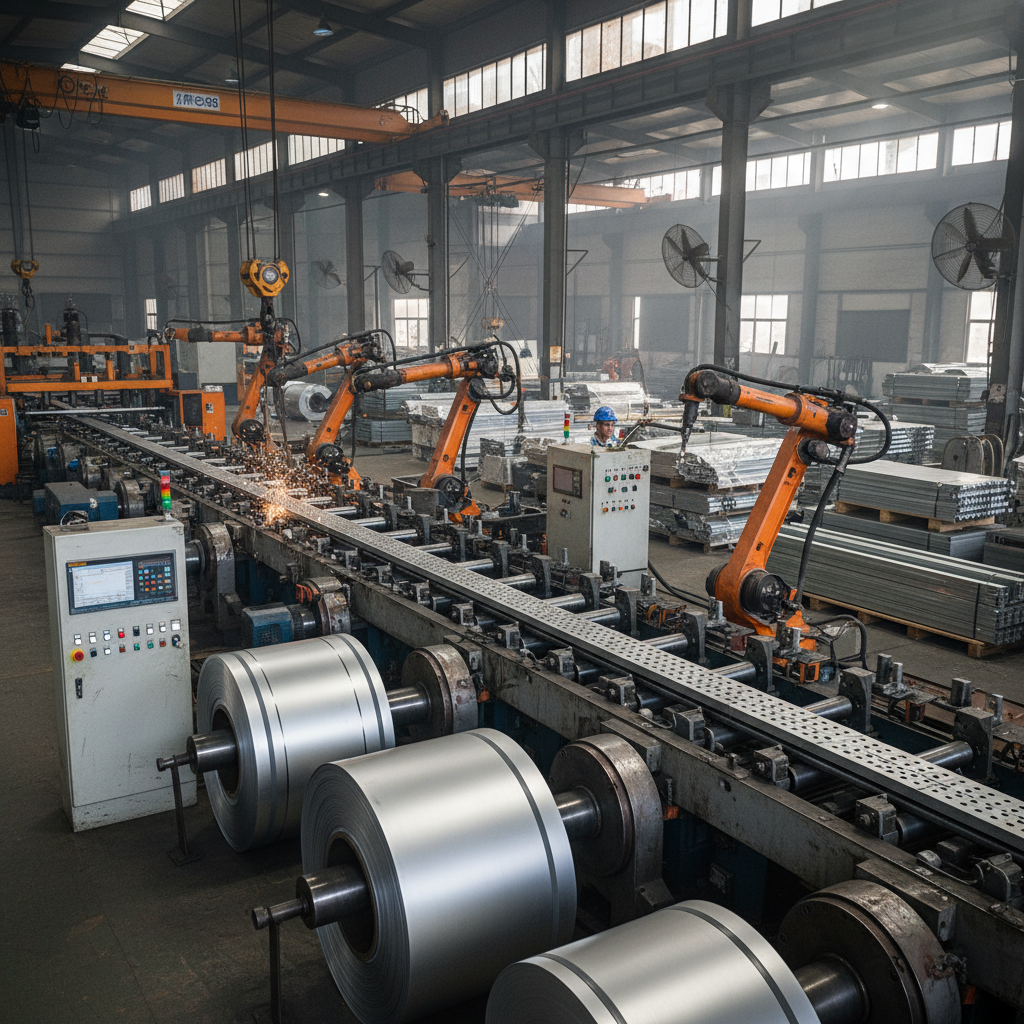
A typical cable tray production line encompasses several key stages. It begins with raw material input, usually galvanized steel or stainless steel coils. These coils are then uncoiled and flattened through a leveling machine. Next, the material is slit to the required width for the tray components. Forming machines then bend and shape the material into the desired tray profile, followed by welding or joining processes to create the tray sections. Finally, surface treatment, such as powder coating or hot-dip galvanizing, provides corrosion protection and a finished look. Quality control inspections are integrated throughout the process to ensure adherence to industry standards.
Key Stages: Raw Material Input, Leveling, Slitting, Forming, Welding/Joining, Surface Treatment, Quality Control.
Several essential components contribute to the efficiency and output of a cable tray production line. These include: Uncoilers, which handle the initial feeding of steel coils; Leveling Machines, ensuring flat material for consistent forming; Slitting Lines, precisely cutting the material to width; Forming Machines (roll formers), bending the steel into the desired tray shape; Welding Machines, joining sections securely; and Surface Treatment Systems, applying protective coatings. The automation level of these components significantly impacts production speed and consistency.
Selecting the appropriate cable tray production line requires careful consideration of several factors. Production capacity is paramount—matching the line’s output to anticipated demand is crucial. The types of cable trays you intend to produce (ladder, perforated, solid bottom, etc.) also dictate the necessary equipment and tooling. Automation level is another critical factor; fully automated lines offer higher throughput but require greater initial investment. Furthermore, consider the available space, power requirements, and long-term maintenance costs.
Key Considerations:
• Production Capacity
• Tray Types
• Automation Level
• Space and Power Requirements
Different levels of automation cater to varying production needs. Manual lines are suitable for low-volume, custom orders, offering flexibility but limited throughput. Semi-automatic lines combine manual operations with automated components, providing a balance between flexibility and efficiency. Fully automatic lines, on the other hand, maximize production speed and consistency, ideal for high-volume, standardized production. The initial investment increases with each level of automation, but the long-term cost per unit typically decreases.
The cable tray industry is evolving rapidly. We're seeing a growing emphasis on Industry 4.0 principles, incorporating IoT sensors and data analytics for predictive maintenance and optimized production. Smart manufacturing, with interconnected machines and real-time data exchange, is becoming increasingly prevalent. Furthermore, sustainable manufacturing practices, focusing on energy efficiency and waste reduction, are gaining importance. Mesh Machinery is at the forefront of these advancements, offering innovative solutions to meet the changing needs of the market.
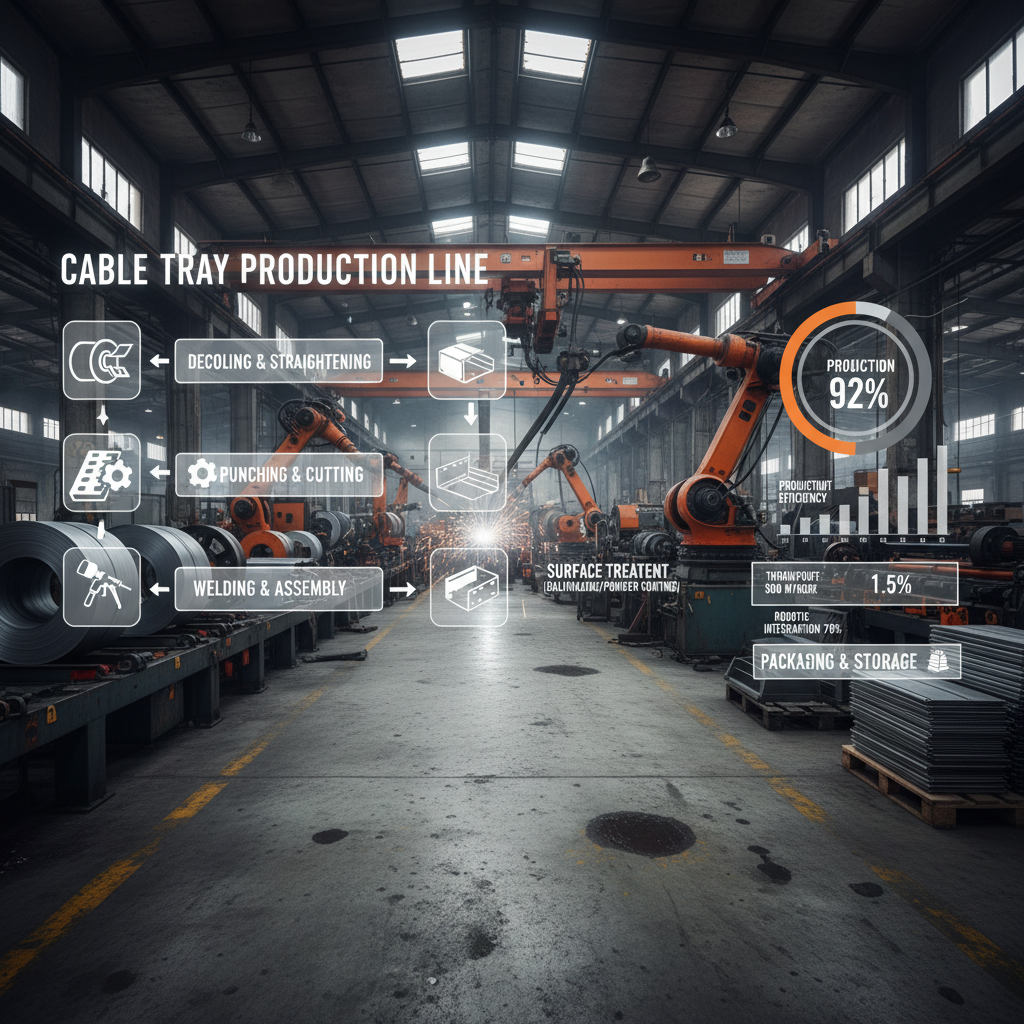
Investing in a modern and efficient cable tray production line is essential for businesses seeking to thrive in the competitive infrastructure and industrial sectors. By carefully evaluating production needs, automation options, and future trends, companies can select the optimal solution to maximize output, reduce costs, and deliver high-quality cable management solutions.
The most common materials used for cable tray production are galvanized steel, stainless steel, and aluminum. Galvanized steel offers a cost-effective solution with good corrosion resistance. Stainless steel provides superior corrosion protection, making it suitable for harsh environments. Aluminum is lightweight and corrosion-resistant, ideal for applications where weight is a concern. The choice of material depends on the specific application requirements and budget.
Several types of cable trays are commonly produced, including ladder cable trays, perforated cable trays, solid bottom cable trays, and wire mesh cable trays. Ladder trays are suitable for heavy cable loads and offer excellent ventilation. Perforated trays provide good airflow and are often used in data centers. Solid bottom trays offer complete cable support and protection. Wire mesh trays are lightweight and cost-effective.
The lead time for a custom cable tray production line can vary depending on the complexity of the line, the level of automation, and the manufacturer's workload. Generally, it takes between 8 to 20 weeks from order confirmation to delivery and installation. Mesh Machinery can provide a more accurate estimate based on specific project requirements.
Regular maintenance is crucial for ensuring the longevity and efficiency of a cable tray production line. This includes lubricating moving parts, inspecting and replacing worn components, calibrating sensors, and cleaning the equipment. Implementing a preventative maintenance schedule can significantly reduce downtime and extend the life of the line.
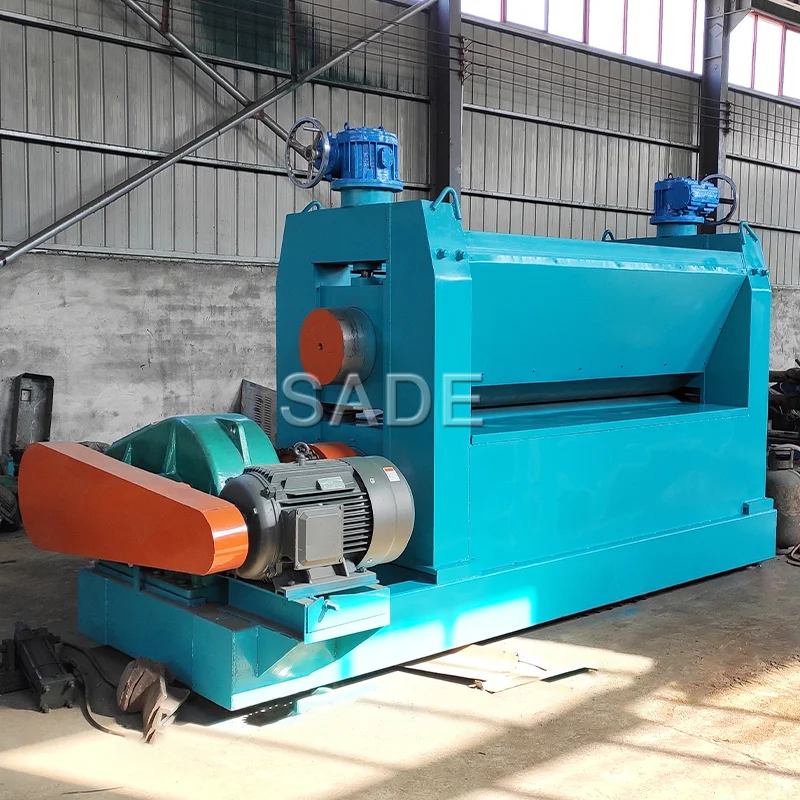
ZPJ Metal Mesh Flatting Machine
ZPJ metal mesh flatting machine is special designed for expanded metal flatting.It’s a corollary equipment of expanded metal machine. It can make expanded wire-mesh smoothly.And the flattened expanded metal have much more widely different applications.
Apr 24, 2026
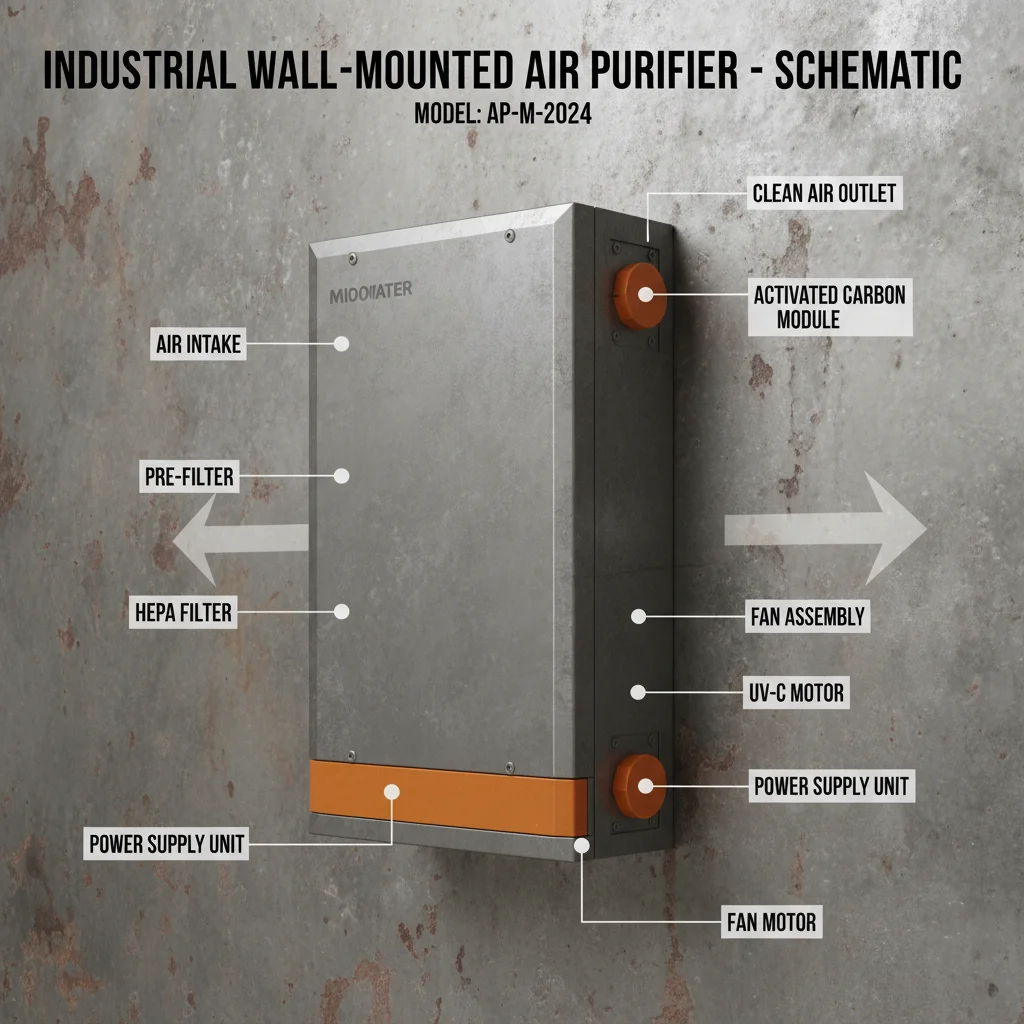
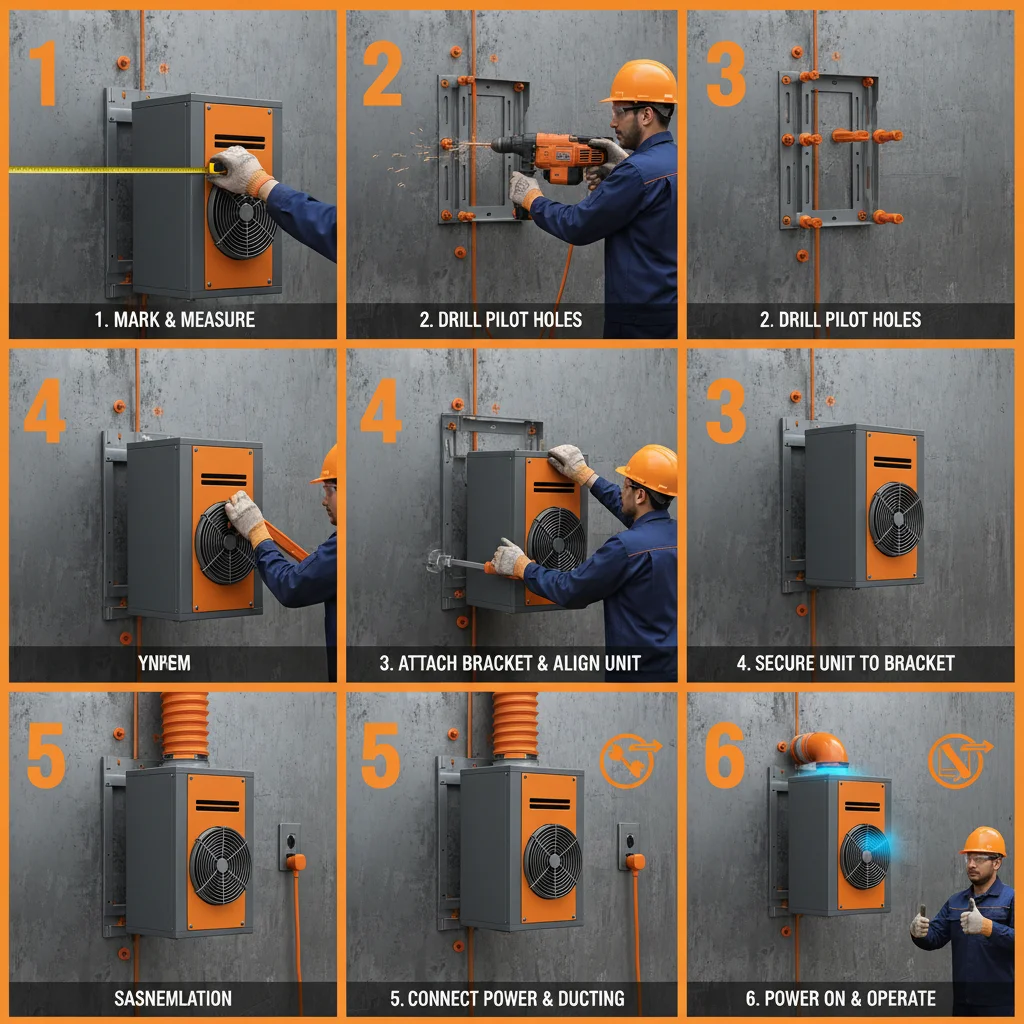
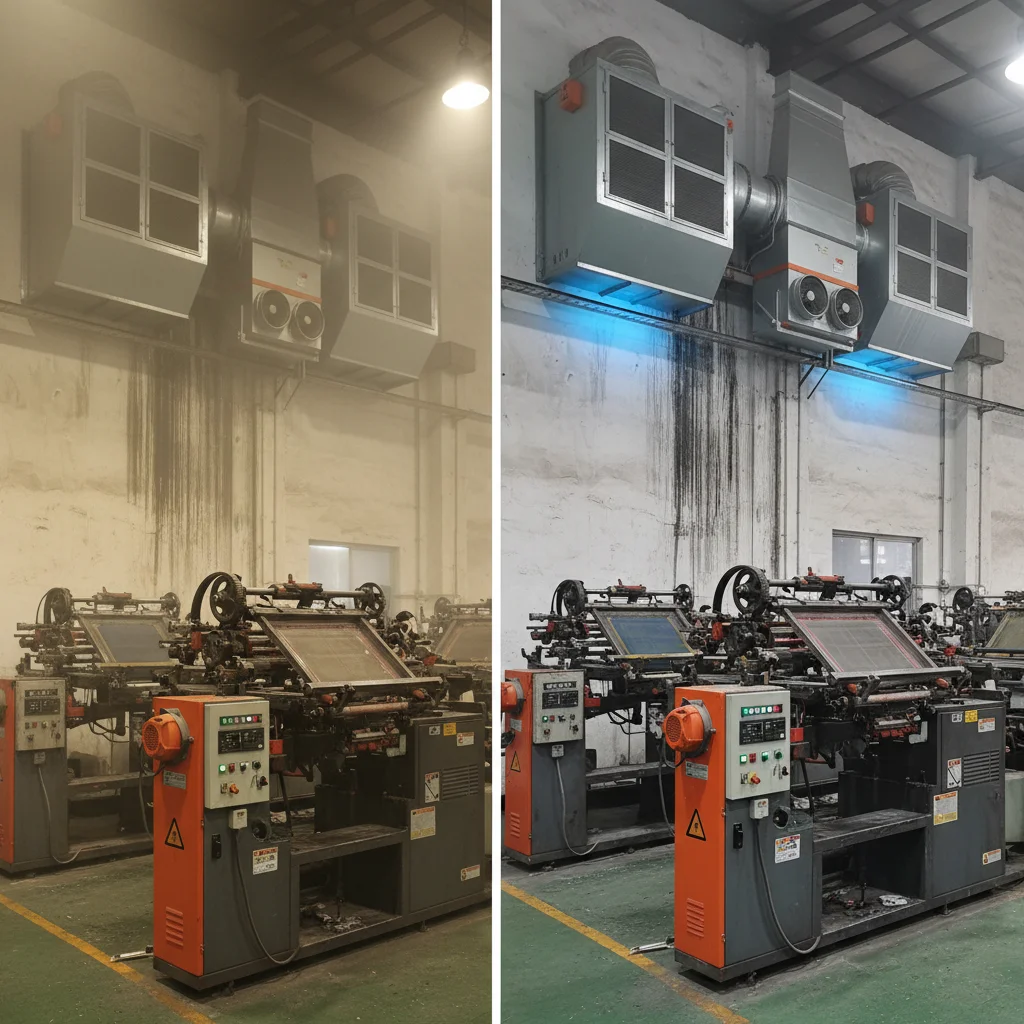
Industrial Wall Mounted Air Filtration for Clean Work Environments