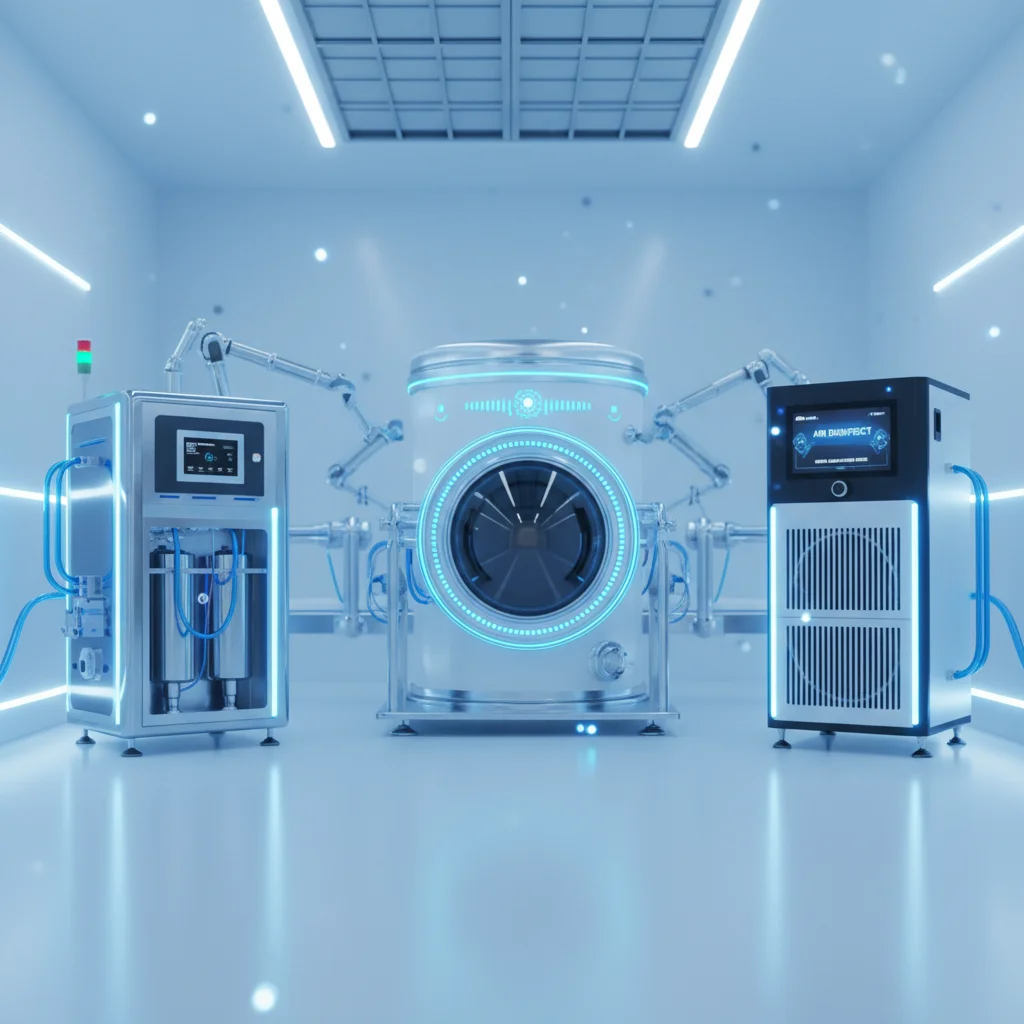
The increasing awareness of indoor air quality and its direct impact on health and productivity has driven significant demand for effective air purification solutions. The air sanitizer machine represents a critical advancement in this field, offering a proactive approach to mitigating airborne contaminants and creating healthier environments. Globally, concerns about pollution, allergens, viruses, and other harmful particles are escalating, fueling the need for reliable and efficient air sanitation technologies. Understanding the principles, applications, and future of the air sanitizer machine is paramount for individuals, businesses, and public health organizations alike.
The global air purifier market, including advancements in air sanitizer machine technology, is experiencing substantial growth. According to a report by Grand View Research, the global air purifier market size was valued at USD 12.43 billion in 2022 and is projected to reach USD 21.89 billion by 2030, growing at a CAGR of 7.5% from 2023 to 2030. This growth is driven by factors like increasing disposable income, rising health consciousness, and worsening air quality in urban areas. The air sanitizer machine addresses the challenge of maintaining clean and safe air, particularly in indoor spaces where people spend a significant portion of their time.
The escalating threat of airborne diseases, coupled with growing awareness of the long-term health effects of air pollution, underscores the importance of innovative air sanitation solutions. The air sanitizer machine offers a practical and effective way to control indoor air quality, protecting individuals from harmful pollutants and pathogens. It's not simply about removing dust; it’s about safeguarding public health and creating environments conducive to well-being.
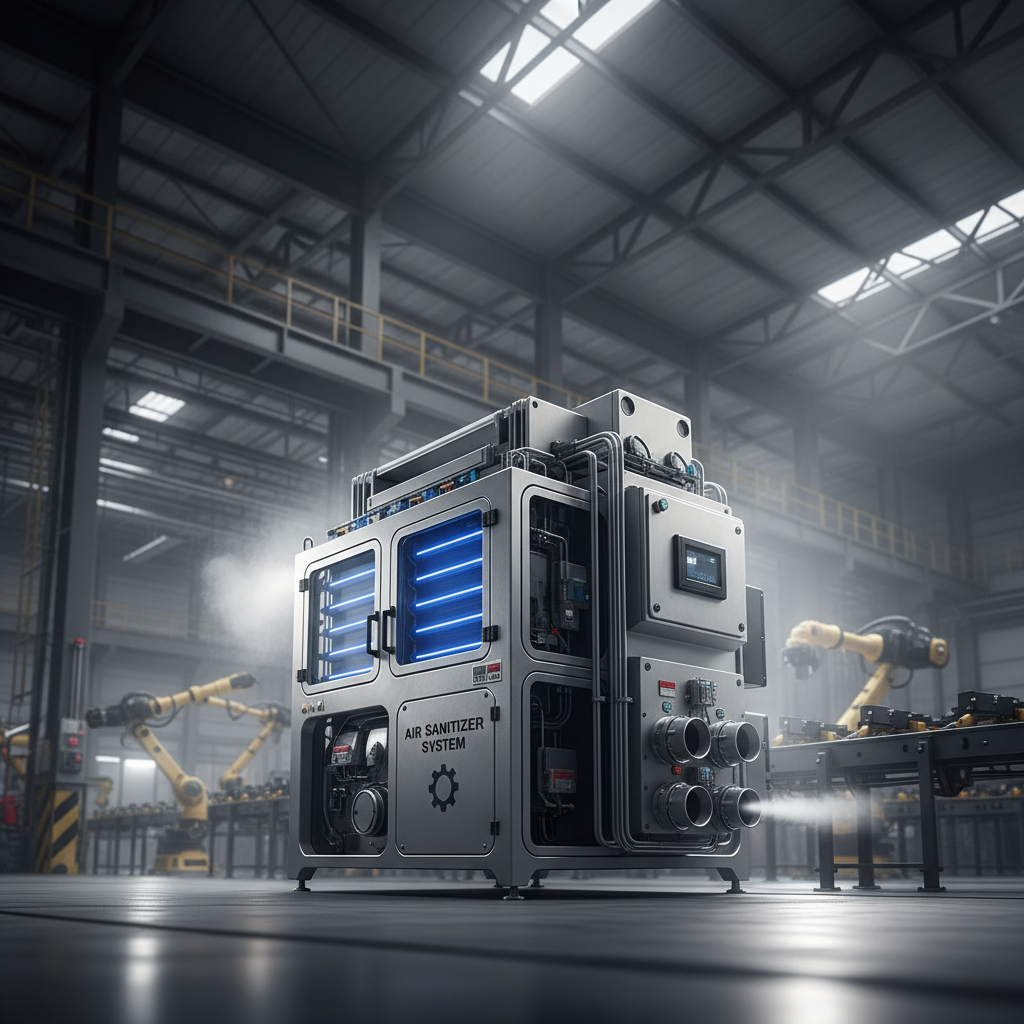
The Core Principles of air sanitizer machine
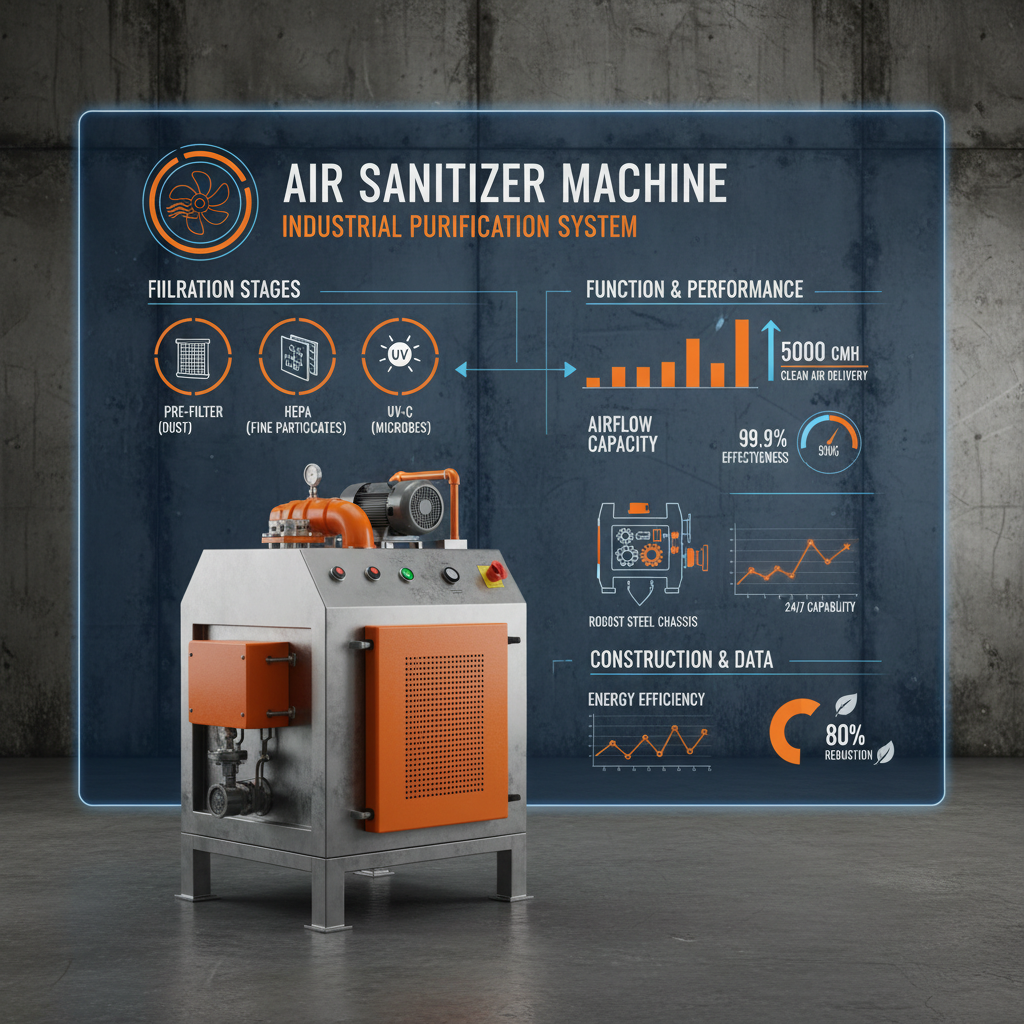
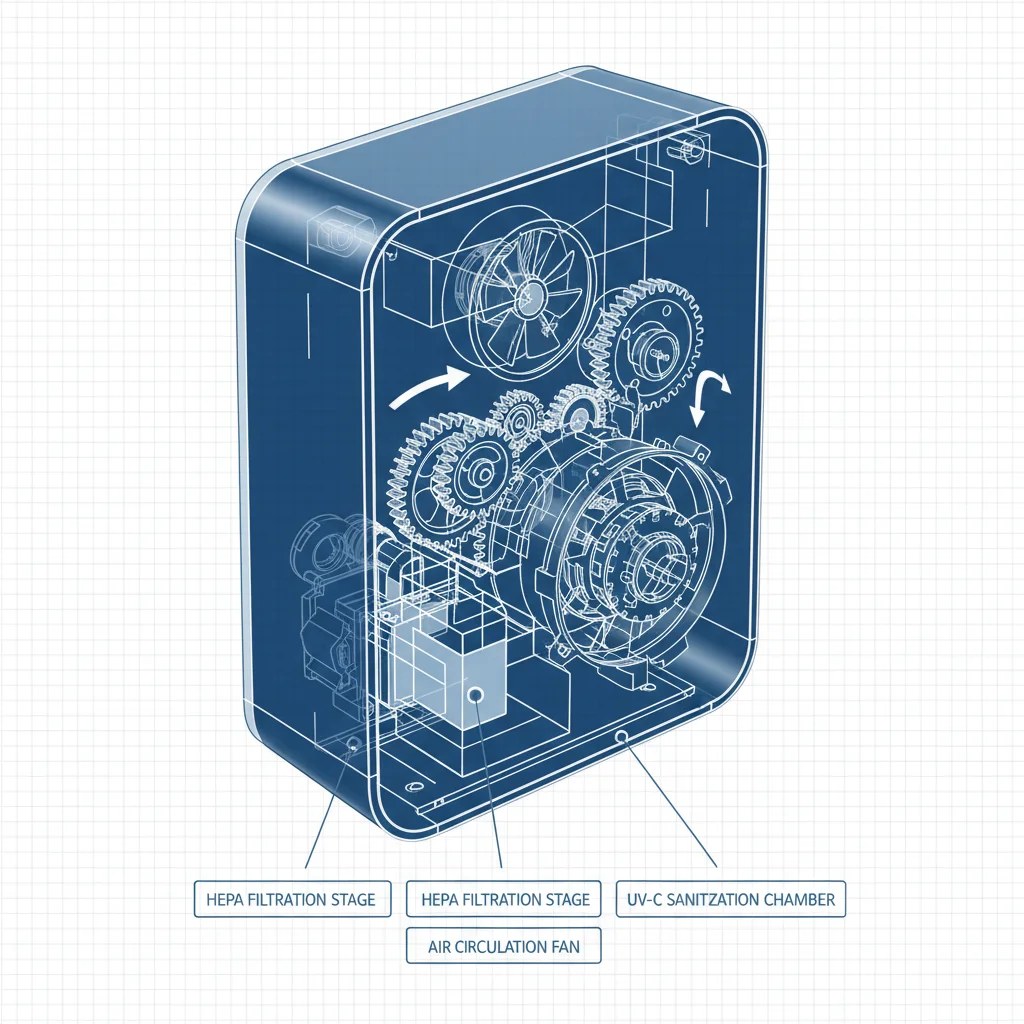
At its core, an air sanitizer machine functions by removing airborne particles and contaminants from a defined space. This is often achieved through a combination of filtration, disinfection, and sometimes ionization technologies. Understanding the different mechanisms employed—such as HEPA filters for particulate matter, UV-C light for microbial inactivation, and activated carbon for odor and gas removal—is crucial for selecting the right machine for a specific application. The effectiveness of the air sanitizer machine depends heavily on factors like air exchange rate, room size, and the concentration of pollutants.
The efficiency of an air sanitizer machine is quantified by metrics like the Clean Air Delivery Rate (CADR), which indicates the volume of clean air produced per unit time. Different machines excel in removing different types of pollutants, making it essential to consider the specific air quality challenges present in the target environment. For example, a machine designed for removing allergens will prioritize HEPA filtration, while one targeting viruses may emphasize UV-C disinfection.
Defining the air sanitizer machine
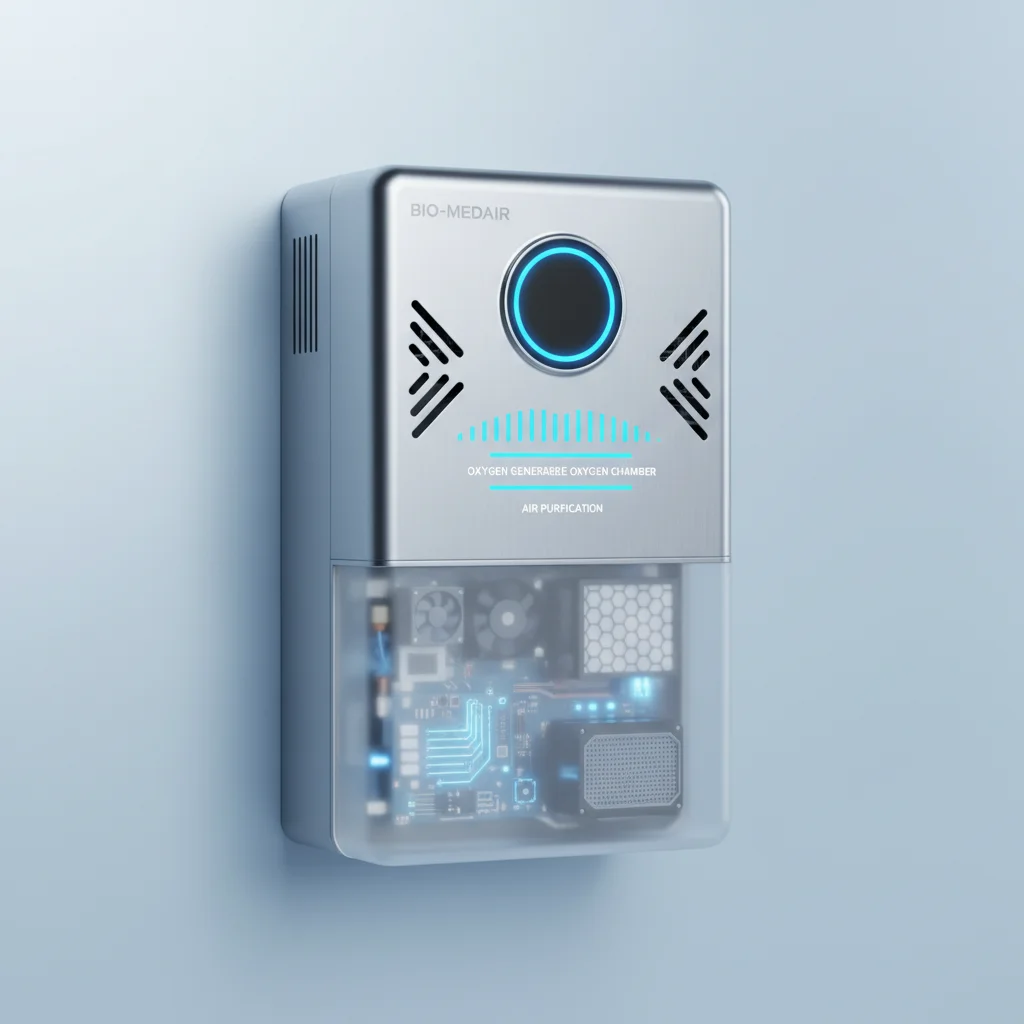
An air sanitizer machine is a device designed to improve indoor air quality by removing airborne pollutants, including dust, pollen, mold spores, bacteria, viruses, odors, and volatile organic compounds (VOCs). Unlike simple air filters that only trap larger particles, air sanitizer machines often employ multiple technologies to address a wider range of contaminants. This distinguishes them from basic ventilation systems, which primarily focus on air exchange rather than purification.
The evolution of the air sanitizer machine is intrinsically linked to advancements in filtration, disinfection, and sensor technologies. Early air filters were primarily mechanical, but modern machines increasingly incorporate sophisticated features like smart sensors, automated operation, and remote monitoring. They now play a vital role in maintaining healthy indoor environments in various settings, including homes, offices, hospitals, and industrial facilities.
In modern industry, the air sanitizer machine is often integrated into larger HVAC systems, providing a comprehensive approach to air quality management. In humanitarian contexts, these machines are deployed in disaster relief operations, refugee camps, and healthcare facilities to mitigate the spread of infectious diseases and improve the well-being of vulnerable populations.
Key Factors Influencing Performance
The effectiveness of an air sanitizer machine is dependent on several key factors, starting with the filtration system. High-Efficiency Particulate Air (HEPA) filters are crucial for capturing microscopic particles, while activated carbon filters excel at removing odors and gases. The quality of these filters, their replacement frequency, and the overall filter design significantly impact the machine's performance.
Air exchange rate, represented by ACH (Air Changes per Hour), is another critical factor. A higher ACH indicates that the machine can cycle the air in a room more frequently, leading to faster and more thorough purification. The appropriate ACH depends on the room size, occupancy level, and the concentration of pollutants. Considering the room size and selecting a machine with adequate capacity is very important.
Beyond filtration and ACH, the disinfection technology employed plays a significant role. UV-C light is commonly used to inactivate viruses and bacteria, but its effectiveness depends on the intensity of the light, the exposure time, and the position of the UV-C lamp within the machine. Machines utilizing ionization technology should be carefully evaluated, as some can produce ozone as a byproduct, which is a known respiratory irritant.
Global Deployment and Applications
Air sanitizer machines are deployed across a vast spectrum of applications globally. In healthcare settings, they are essential for maintaining sterile environments in operating rooms, intensive care units, and patient isolation wards, helping prevent healthcare-associated infections. Similarly, they are increasingly common in schools and universities to improve indoor air quality and reduce the spread of airborne illnesses among students and staff.
The industrial sector utilizes air sanitizer machines to control dust, fumes, and other airborne contaminants that can pose health risks to workers and compromise product quality. In manufacturing facilities, pharmaceutical production plants, and electronics assembly lines, clean air is critical for maintaining a safe and efficient working environment.
Performance Comparison of Different air sanitizer machine Methods
Advantages and Long-Term Benefits
The primary advantage of using an air sanitizer machine is improved indoor air quality, leading to reduced exposure to harmful pollutants and allergens. This translates directly into tangible health benefits, such as reduced respiratory symptoms, fewer allergy flare-ups, and a lower risk of airborne infections. From a cost perspective, investing in a high-quality air sanitizer machine can minimize healthcare expenses associated with air pollution-related illnesses.
Beyond the immediate health and cost benefits, air sanitizer machines contribute to increased productivity and well-being. Clean air promotes better cognitive function, improved sleep quality, and a more comfortable living or working environment. These factors collectively enhance overall quality of life and foster a sense of security and peace of mind.
Future Trends and Innovations
The future of air sanitizer machine technology is poised for significant advancements. One emerging trend is the integration of smart sensors and IoT connectivity, enabling real-time air quality monitoring and automated control of the machine’s operation. These smart machines can adjust their settings based on pollutant levels and occupancy patterns, optimizing efficiency and energy consumption.
Another promising area of innovation is the development of more sustainable and environmentally friendly air purification technologies. Research is focused on utilizing bio-based filters, reducing energy consumption, and minimizing the use of potentially harmful chemicals. The integration of renewable energy sources, such as solar power, could further enhance the sustainability of air sanitizer machines.
Furthermore, advancements in nanomaterials and photocatalytic coatings are paving the way for air purification systems that can actively decompose pollutants, rather than simply filtering them out. This could lead to more effective and long-lasting air sanitation solutions.
Common Challenges and Effective Solutions
Despite their benefits, air sanitizer machines face certain challenges. One common issue is the cost of filter replacements, which can add up over time. To mitigate this, consumers can opt for machines with long-lasting filters or explore subscription services that provide regular filter replacements at a discounted rate.
Another challenge is the potential for noise pollution, particularly in machines with high-speed fans. Choosing a machine with a low-noise mode or selecting a model specifically designed for quiet operation can address this concern. Additionally, proper maintenance, including regular cleaning and filter replacement, is crucial for ensuring optimal performance and preventing the release of pollutants back into the air.
Finally, ensuring proper sizing of the air sanitizer machine for the intended space is essential. An undersized machine will be ineffective, while an oversized machine may consume unnecessary energy. Consulting with an air quality specialist or using online sizing calculators can help determine the appropriate machine for a specific application.
Summary of Key Challenge and Solution for air sanitizer machine
| Challenge |
Impact on air sanitizer machine Performance |
Proposed Solution |
Implementation Cost |
| High Filter Replacement Costs |
Reduced long-term affordability |
Subscription services, long-lasting filters |
Low to Medium |
| Noise Pollution |
Discomfort and reduced usability |
Low-noise models, quiet operation mode |
Medium |
| Improper Sizing |
Ineffective purification or wasted energy |
Air quality assessment, sizing calculators |
Low |
| Lack of Maintenance |
Reduced efficiency and potential pollutant release |
Regular cleaning and filter replacement schedule |
Very Low |
| Ozone Production (Ionizers) |
Respiratory irritation and health concerns |
Avoid ionizers, choose ozone-free technology |
Medium to High |
| Limited Smart Features |
Suboptimal performance and manual operation |
Invest in smart air sanitizer machine with IoT connectivity |
Medium to High |
FAQS
An air sanitizer machine, depending on its technology, can remove a wide range of pollutants including dust, pollen, pet dander, mold spores, bacteria, viruses, smoke, odors, and volatile organic compounds (VOCs). HEPA filters are excellent for particulate matter, while activated carbon filters target gases and odors. UV-C light can inactivate microorganisms. Choosing a machine with a combination of these technologies provides the most comprehensive air purification.
The frequency of filter replacement depends on the machine’s usage, the air quality in your environment, and the filter type. Generally, HEPA filters should be replaced every 6-12 months, while activated carbon filters may need replacement every 3-6 months. Many machines have indicator lights that alert you when it’s time to change the filters. Refer to your machine’s manual for specific recommendations.
Modern air sanitizer machines are generally designed with energy efficiency in mind. Many models feature multiple fan speeds and auto modes that adjust operation based on air quality, minimizing energy consumption. Look for machines with Energy Star certification for guaranteed energy savings. The energy usage will also depend on the size of the room and the machine's capacity.
Yes, air sanitizer machines can be very effective in alleviating allergy symptoms. By removing airborne allergens such as pollen, dust mites, and pet dander, they reduce exposure and minimize allergic reactions. HEPA filters are particularly important for allergy sufferers as they capture even the smallest particles.
Some air sanitizer machines that use ionization technology can produce ozone, which is a lung irritant. Choose ozone-free models or ensure that the machine meets safety standards for ozone emission. Also, be mindful of proper filter disposal to avoid releasing captured pollutants back into the air.
The size of the air sanitizer machine you need depends on the room’s square footage. Manufacturers typically specify the recommended room size for each model. Look for the CADR (Clean Air Delivery Rate) rating, which indicates how quickly the machine can clean a specific room size. Consider the ceiling height as well, as a higher ceiling increases the room’s volume.
Conclusion
In conclusion, the air sanitizer machine represents a crucial technology in the ongoing effort to improve indoor air quality and protect public health. From its core principles of filtration and disinfection to its diverse applications across healthcare, industry, and residential settings, it offers a proactive solution to mitigate airborne pollutants and create healthier environments. Understanding the key factors influencing performance, emerging trends, and potential challenges is vital for making informed decisions and maximizing the benefits of this technology.
Looking ahead, continued innovation in air sanitizer machine technology, coupled with increasing awareness of air quality issues, will drive further adoption and refinement. Investing in a high-quality machine and implementing regular maintenance practices are essential steps towards creating a cleaner, safer, and more comfortable indoor environment for all. Visit our website at www.meshmachinery.com to learn more about our range of air purification solutions and how we can help you breathe easier.