
March 12, 2026
The demand for expanded metal mesh continues to grow across various industries, from construction and agriculture to security and filtration. At the heart of this production lies the expanded metal mesh machine. This article will delve into the workings of these machines, their applications, key features, and factors to consider when choosing the right equipment. We’ll explore how advancements in technology are enhancing efficiency and precision in expanded metal mesh production. Mesh Machinery provides robust solutions for diverse expanded metal mesh requirements.
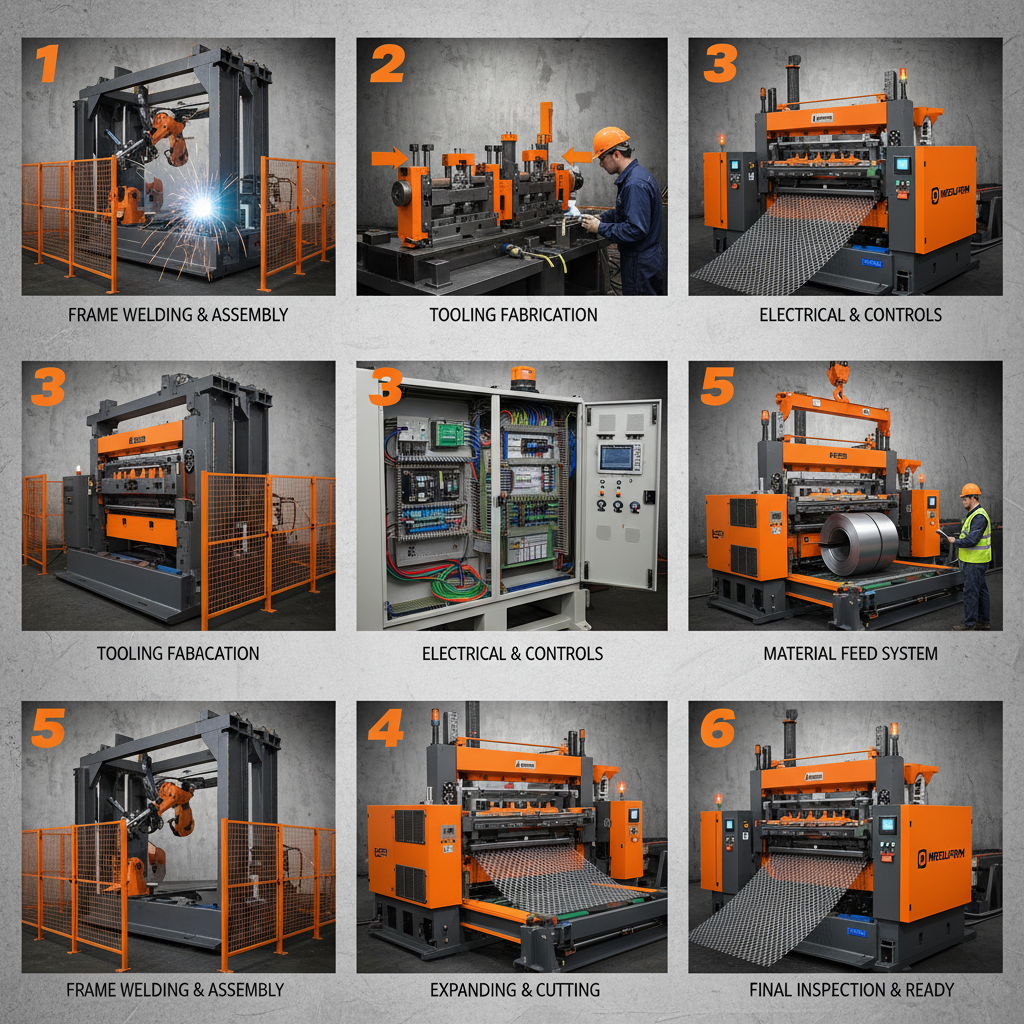
An expanded metal mesh machine takes a solid metal sheet and slits and stretches it simultaneously, creating a diamond or hexagonal pattern. The process doesn't remove any metal, meaning no material is wasted. Typically, the machine features a set of cutting tools and forming rollers. The metal sheet is fed through these components, where slits are made in a predetermined pattern. These slits are then expanded, drawing the metal outwards and creating the mesh. The speed and precision of this process are crucial for producing high-quality expanded metal mesh. Modern machines often incorporate automated controls and programmable logic controllers (PLCs) for optimized performance. Understanding this core process is essential when considering investment in expanded metal mesh manufacturing equipment.
Key Process Steps: The process involves feeding, slitting, stretching, and often, automated coiling of the finished mesh.
Modern expanded metal mesh machines boast a range of advanced features. These include automated feeding systems for increased efficiency, precise slitting and stretching mechanisms for consistent mesh quality, and adjustable settings to accommodate various metal types and thicknesses. PLC control systems allow for easy operation and monitoring, while safety features like emergency stop buttons and protective guards ensure operator safety. Many machines also incorporate automatic coiling systems to streamline the finishing process. The ability to produce different mesh patterns – diamond, hexagonal, and more – is another valuable feature. Investing in a machine with these features translates to higher production rates, reduced labor costs, and improved product consistency.
Essential Features:
• Automated Feeding System
• PLC Control System
• Adjustable Settings for Mesh Patterns
• Safety Features (Emergency Stop, Guards)
Several types of expanded metal mesh machines are available, each suited for different production volumes and applications. The most common types include mechanical machines, hydraulic machines, and CNC machines. Mechanical machines are generally more affordable but offer less precision and control. Hydraulic machines provide greater force and are suitable for thicker materials. CNC machines offer the highest level of precision and flexibility, allowing for complex mesh patterns and automated operation. The best choice depends on your specific needs and budget.
Expanded metal mesh finds applications in numerous sectors. In construction, it’s used for reinforcing concrete, walkways, and stair treads. Agriculture utilizes it for fencing, animal cages, and greenhouse structures. The security industry employs expanded metal for protective barriers and screens. Filtration systems leverage its open structure for effective filtering. Other applications include automotive components, speaker grills, and decorative panels. The versatility of the material, combined with the efficiency of modern expanded metal mesh machines, makes it a crucial material across diverse industries.
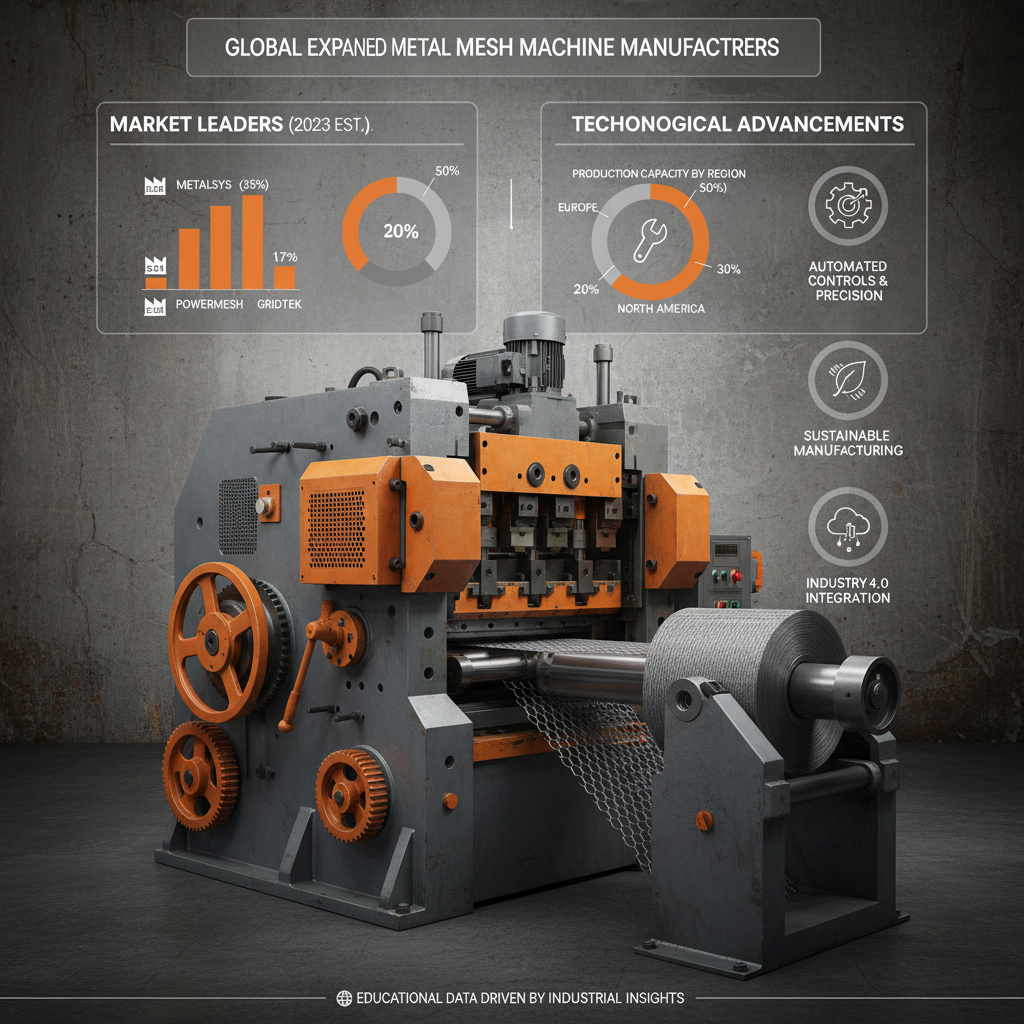
Selecting the right expanded metal mesh machine requires careful consideration. First, assess your production volume and the types of materials you'll be processing. Consider the desired mesh pattern and the required precision. Budget is another crucial factor, balancing initial investment with long-term operational costs. Ensure the machine meets relevant safety standards and comes with adequate after-sales support and maintenance services. Finally, consider the machine's power requirements and space limitations in your facility. Mesh Machinery's team of experts can provide guidance in selecting the best machine to fit your specific needs.
Investing in a high-quality expanded metal mesh machine is crucial for businesses seeking efficient, reliable, and precise production capabilities. By carefully evaluating your needs and selecting a machine that aligns with your requirements, you can maximize productivity, reduce costs, and ensure consistently high-quality output. Mesh Machinery offers a comprehensive range of machines and support to help you achieve your production goals.
Expanded metal mesh machines can process a wide range of metals, including carbon steel, stainless steel, aluminum, and galvanized steel. The choice of metal depends on the application and desired properties of the finished mesh. Thicker and harder metals generally require more powerful machines. Some machines are designed to handle specialized materials like titanium or copper, but these often require specific tooling and settings. It's important to check the machine's specifications to ensure it can accommodate the metal you intend to use.
Production speed varies significantly depending on the machine type, material thickness, mesh pattern, and desired precision. Mechanical machines typically operate at lower speeds, around 10-30 meters per hour. Hydraulic machines can achieve speeds of 30-60 meters per hour, while CNC machines can reach even higher speeds, often exceeding 80 meters per hour. However, higher speeds may require more frequent maintenance and may compromise precision.
Regular maintenance is crucial for ensuring optimal performance and longevity. This includes lubricating moving parts, inspecting and replacing worn cutting tools, cleaning the machine to remove metal debris, and checking the hydraulic system (if applicable). It’s also important to periodically calibrate the machine to maintain accuracy. Following the manufacturer's maintenance schedule is highly recommended. Preventative maintenance can significantly reduce downtime and prevent costly repairs.
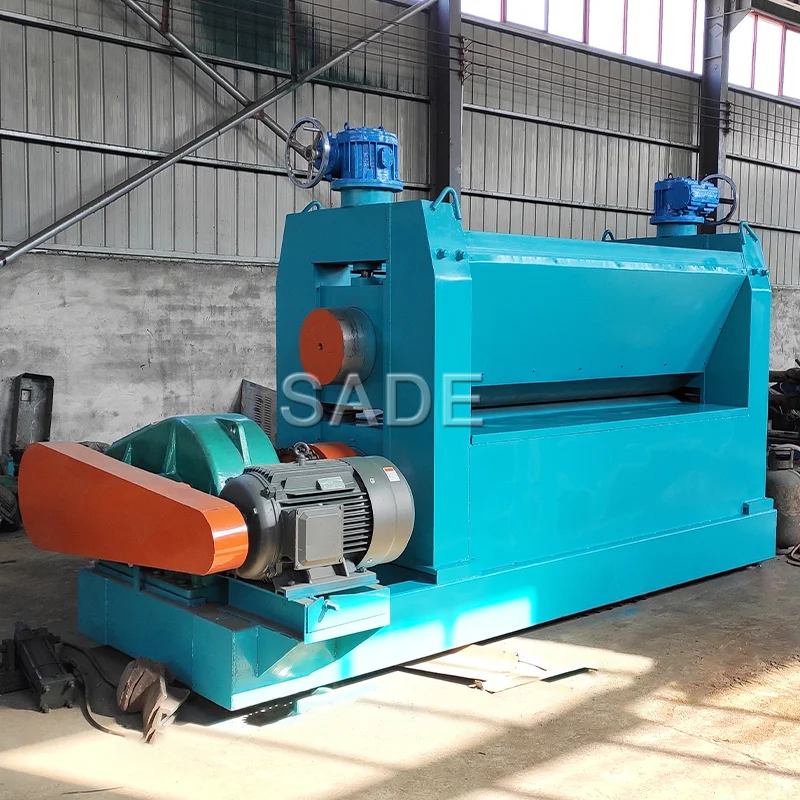
ZPJ Metal Mesh Flatting Machine
ZPJ metal mesh flatting machine is special designed for expanded metal flatting.It’s a corollary equipment of expanded metal machine. It can make expanded wire-mesh smoothly.And the flattened expanded metal have much more widely different applications.
Apr 24, 2026
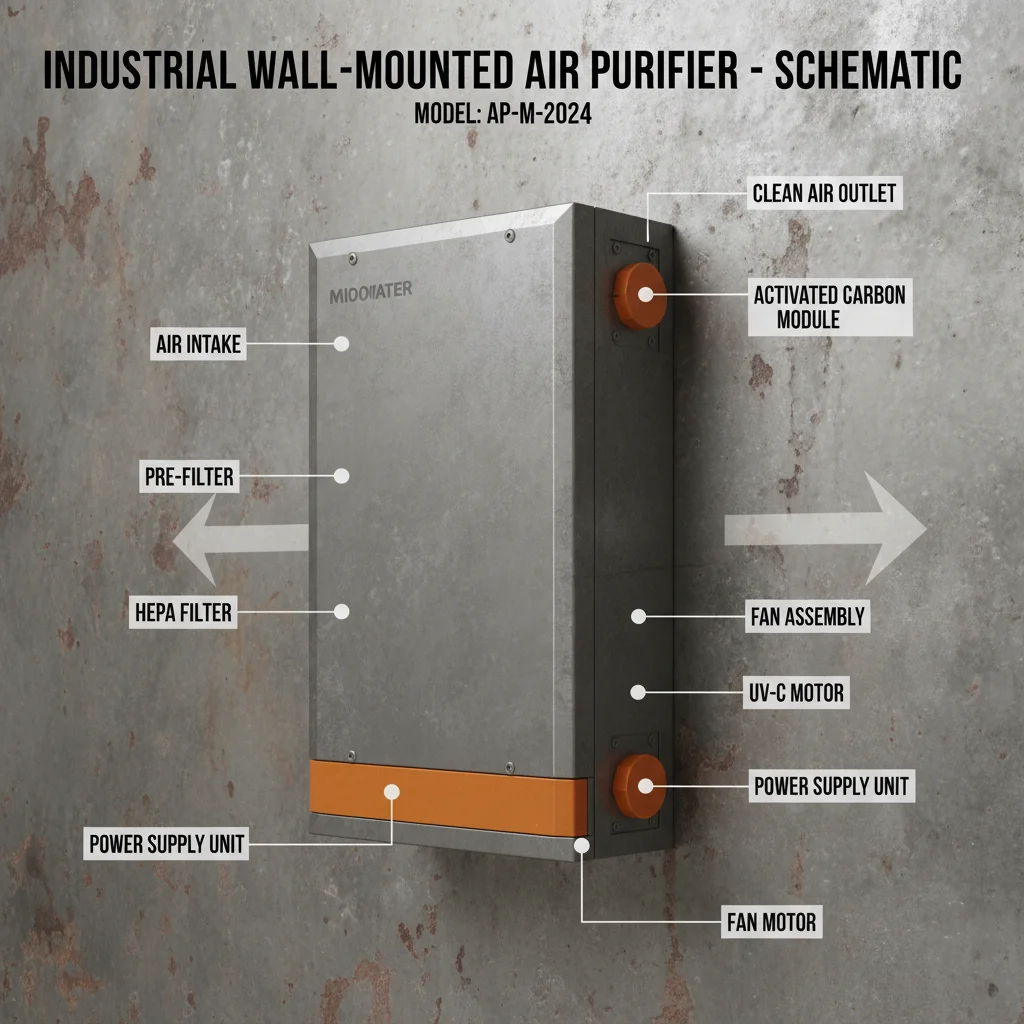
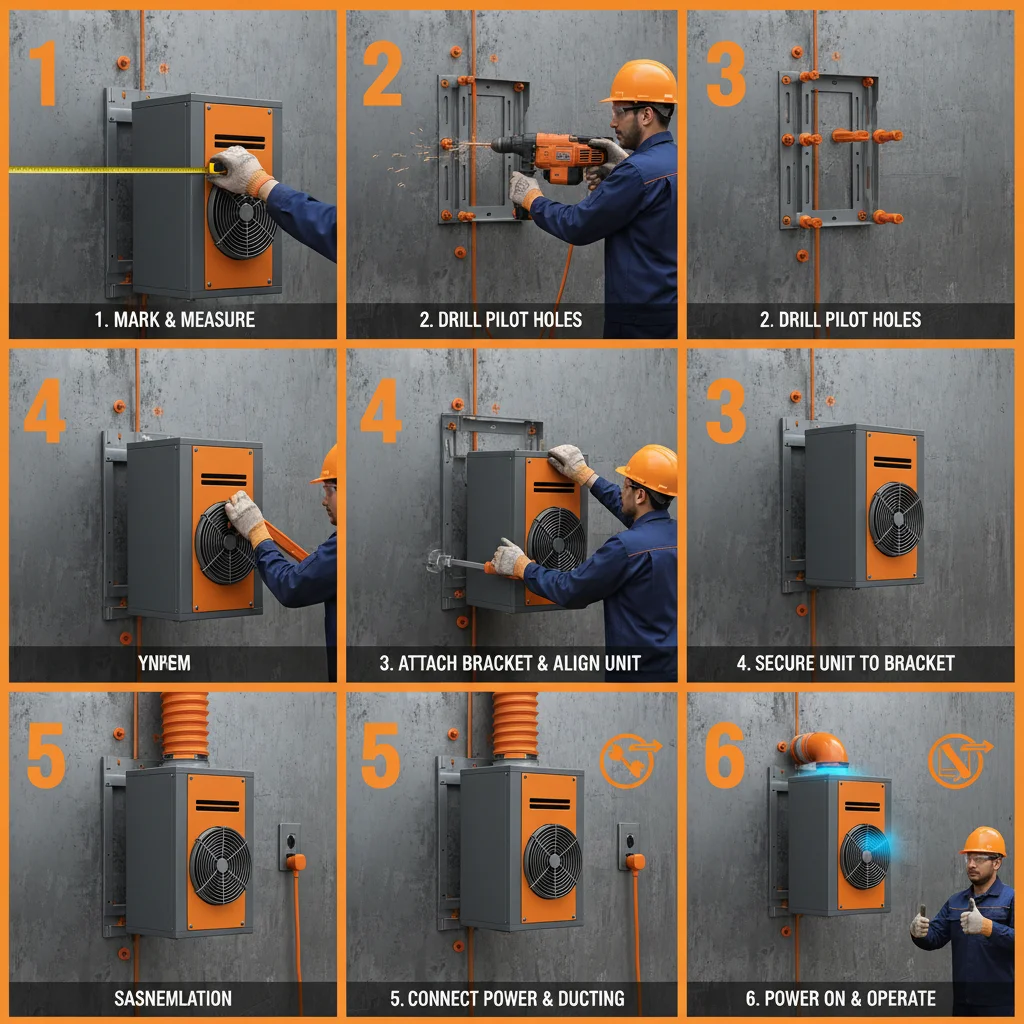
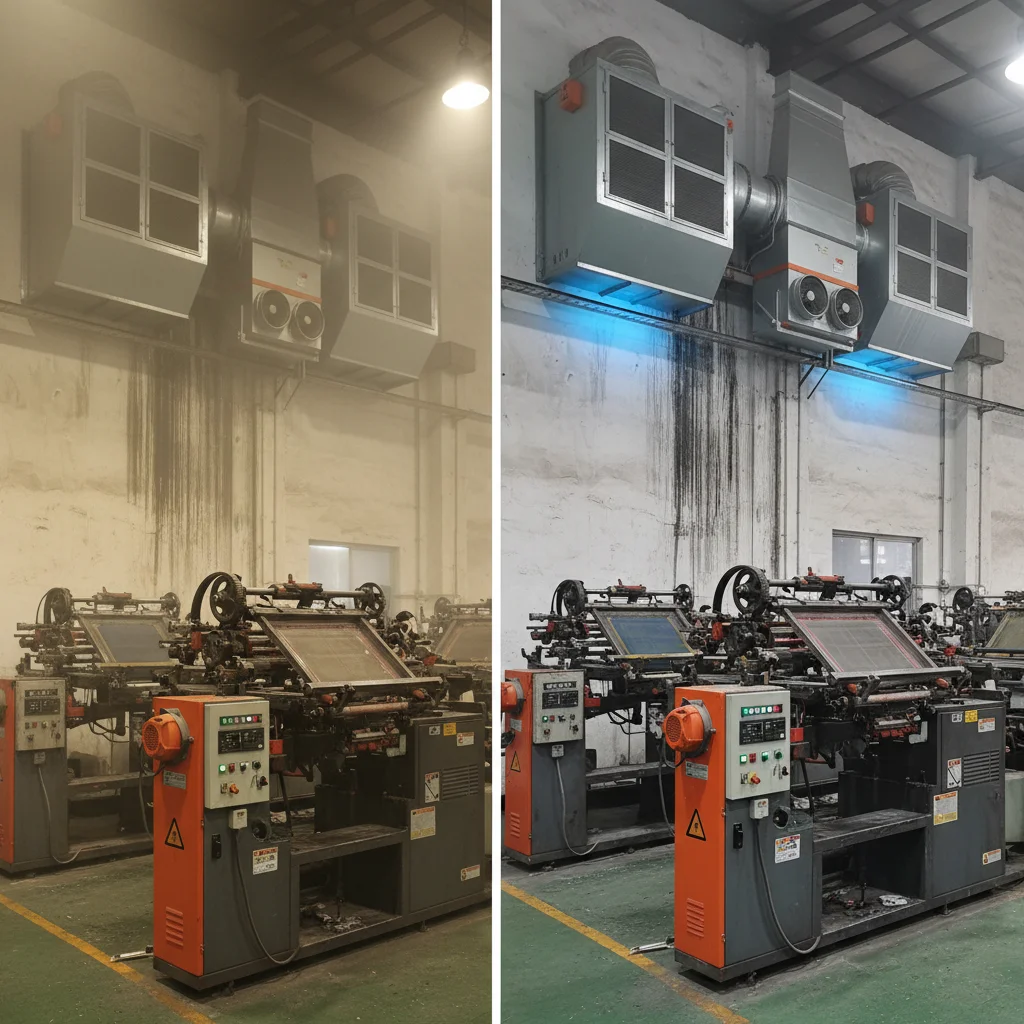
Industrial Wall Mounted Air Filtration for Clean Work Environments