
March 17, 2026
Chicken mesh machines are indispensable tools for poultry farmers and businesses involved in animal husbandry. These machines automate the production of wire mesh used to create secure and durable enclosures for chickens, protecting them from predators and ensuring their wellbeing. Choosing the right chicken mesh machine is crucial for efficiency, cost-effectiveness, and the quality of the final product. This article will explore the different types of chicken mesh machines, their applications, key features, and factors to consider when making a purchase. We'll delve into the technology, benefits, and considerations to help you select the perfect machine for your needs.
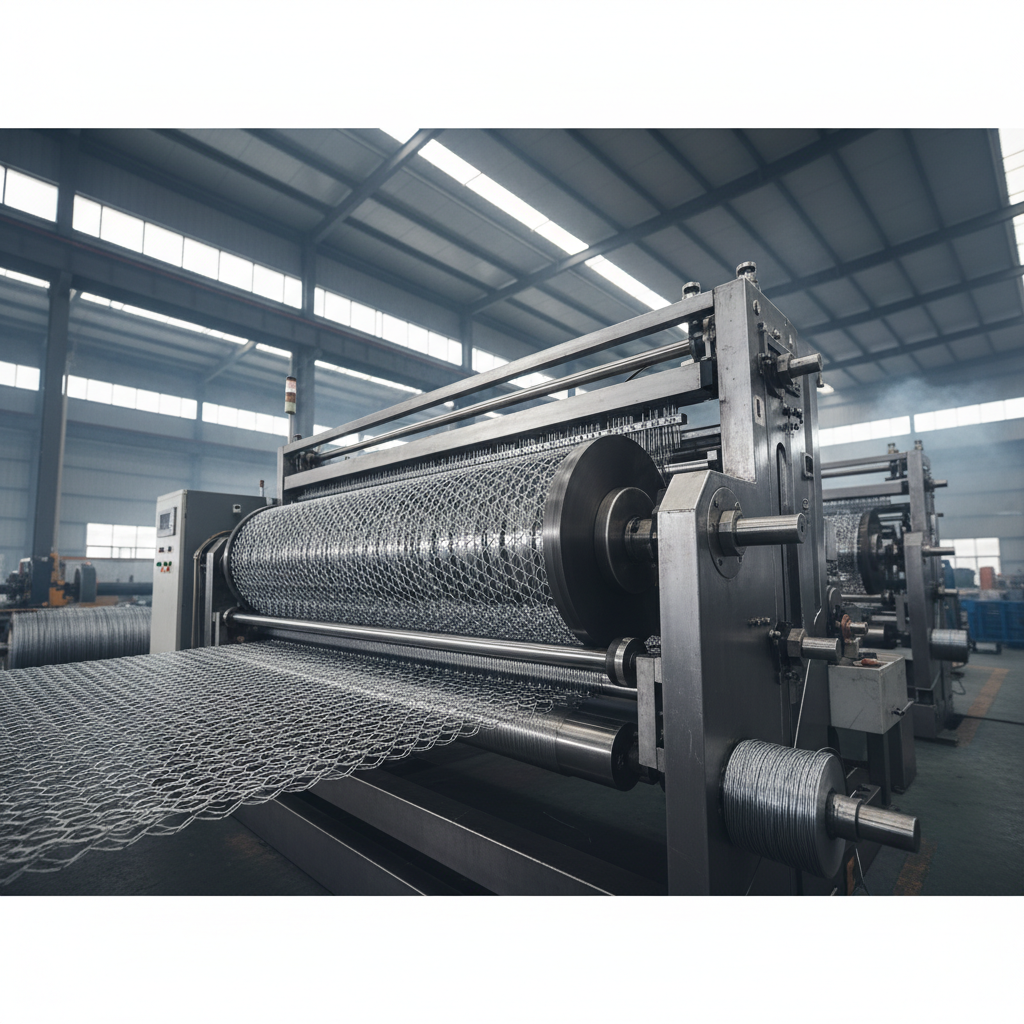
Several types of chicken mesh machines cater to different production scales and requirements. The most common include: Chain Link Fence Machines which are versatile and can produce a range of mesh sizes; Hexagonal Wire Mesh Machines specifically designed for creating the characteristic hexagonal pattern; and Welded Wire Mesh Machines providing a stronger and more rigid mesh structure. Each machine type utilizes different mechanisms and offers varying levels of automation and output capacity. Understanding these differences is the first step in selecting the best option for your operation. Ultimately, the choice depends on your budget, desired mesh type, and production volume.
Key Considerations: The choice of machine depends heavily on your specific requirements, including desired mesh size, wire diameter, and production volume. Automated machines offer higher output and reduced labor costs, while manual machines are more affordable for smaller operations.
Selecting the appropriate chicken mesh machine requires careful consideration of several factors. Production Capacity is paramount – assess your current and projected demand to ensure the machine can meet your needs. Mesh Size and Wire Diameter dictate the machine's specifications; different machines are designed to handle various sizes. Automation Level impacts labor costs and output; automated machines are more expensive but offer greater efficiency. Budget is a significant constraint, and it's important to balance cost with functionality and durability. Finally, consider the manufacturer's reputation and after-sales service – reliable support is crucial for maintaining optimal performance and resolving any issues.
Key Factors to Consider:
• Production Capacity: Current and projected demand.
• Mesh Size & Wire Diameter: Specific requirements of your enclosures.
• Automation Level: Balancing cost and efficiency.
• Budget: Finding the right balance between price and features.
Choosing between welded wire mesh machines and hexagonal wire mesh machines often comes down to the specific application and desired characteristics of the finished product. Welded wire mesh offers superior strength and rigidity, making it ideal for applications where structural integrity is paramount. Hexagonal wire mesh is more flexible and cost-effective, often used for general-purpose enclosures where flexibility is preferred. Both types have their advantages and disadvantages, and the best choice depends on your specific requirements. Consider the long-term durability and maintenance costs when making your decision.
Investing in a high-quality chicken mesh machine offers numerous benefits, including: Reduced Labor Costs through automation; Increased Production Efficiency maximizing output; Improved Product Quality ensuring consistent and reliable mesh; Enhanced Safety minimizing manual handling and potential injuries; and Long-Term Cost Savings due to reduced material waste and maintenance. A reliable machine will pay for itself over time by streamlining your production process and improving your bottom line. Partnering with a reputable supplier like Mesh Machinery ensures you receive a durable, efficient, and well-supported machine.
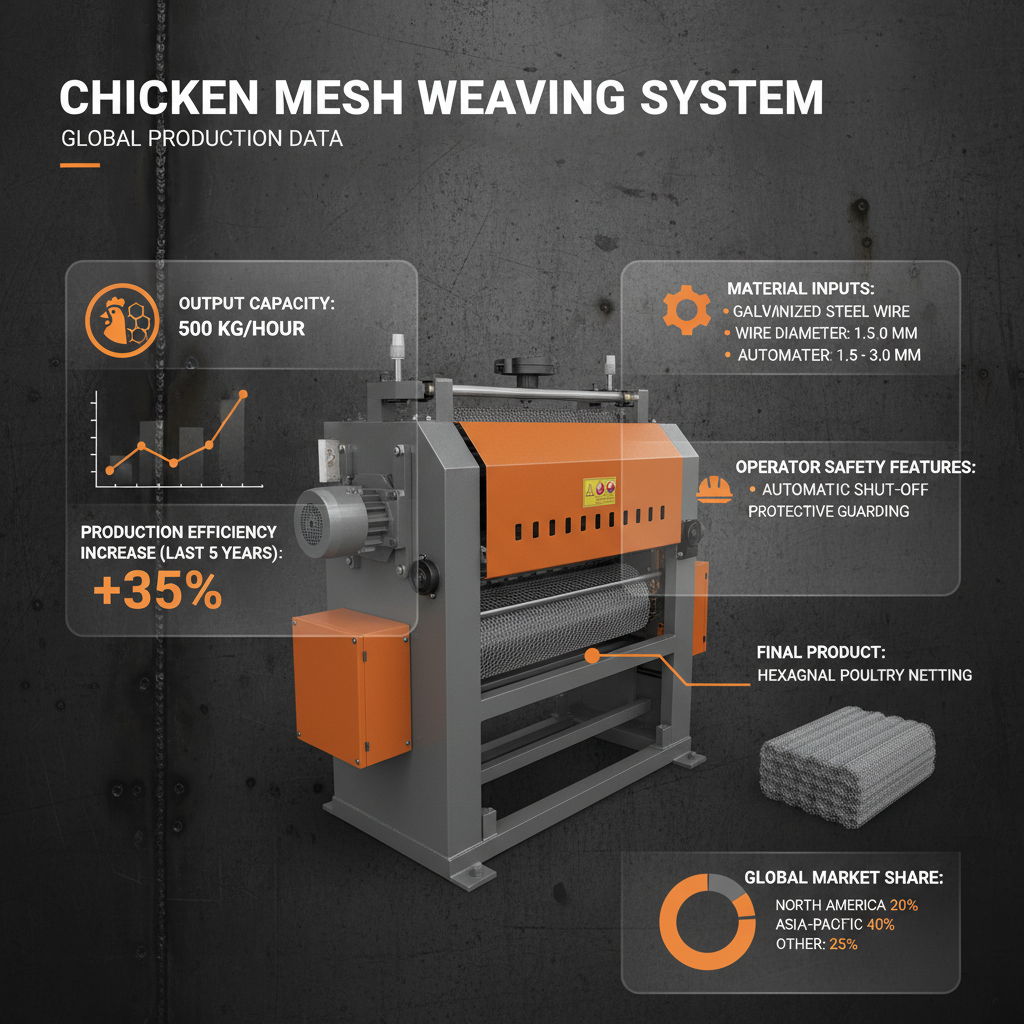
Understanding the technical specifications of a chicken mesh machine is essential for making an informed decision. Key specifications include: Wire Diameter Range the range of wire thicknesses the machine can handle; Mesh Aperture the size of the openings in the mesh; Machine Power the electrical power requirements; Production Speed the output rate of the machine; and Dimensions and Weight the physical size and weight of the machine. Ensure that the machine's specifications align with your specific requirements and the available space in your facility.
Investing in a chicken mesh machine is a strategic move for any poultry operation. By carefully considering your needs and selecting a machine from a reputable supplier, you can significantly improve efficiency, reduce costs, and enhance the quality of your enclosures. Mesh Machinery is committed to providing innovative and reliable solutions to meet your specific requirements. Don't compromise on the safety and wellbeing of your flock – choose the right machine for your business.
Regular maintenance is crucial for ensuring the longevity and optimal performance of your chicken mesh machine. This includes daily lubrication of moving parts, regular cleaning to remove wire debris, and periodic inspection of belts, gears, and electrical components. Following the manufacturer’s guidelines for maintenance is essential. Addressing minor issues promptly can prevent them from escalating into costly repairs. Investing in preventative maintenance saves both time and money in the long run. Ensure that trained personnel are responsible for performing these tasks.
Operating a chicken mesh machine requires strict adherence to safety protocols. Always wear appropriate personal protective equipment (PPE), including safety glasses, gloves, and ear protection. Ensure the machine is properly grounded to prevent electrical hazards. Never operate the machine with missing or damaged guards. Keep hands and clothing away from moving parts. Provide thorough training to all operators on safe operating procedures. Implement a lockout/tagout procedure during maintenance or repairs. Always consult the machine's safety manual for specific instructions.
The lead time for a custom-built chicken mesh machine varies depending on the complexity of the design, the availability of components, and the manufacturer's current workload. Typically, lead times range from 8 to 16 weeks. It's crucial to provide detailed specifications and drawings upfront to minimize delays. Regular communication with the manufacturer throughout the build process is also recommended to ensure the machine meets your exact requirements. Mesh Machinery can provide accurate lead time estimates for custom projects.
Mesh Machinery offers a comprehensive warranty on all of our chicken mesh machines. The standard warranty covers defects in materials and workmanship for a period of one year from the date of shipment. The warranty does not cover wear-and-tear items, such as cutting blades or belts, or damage caused by improper operation or maintenance. We also provide extended warranty options for added peace of mind. Please refer to our warranty policy for complete details.
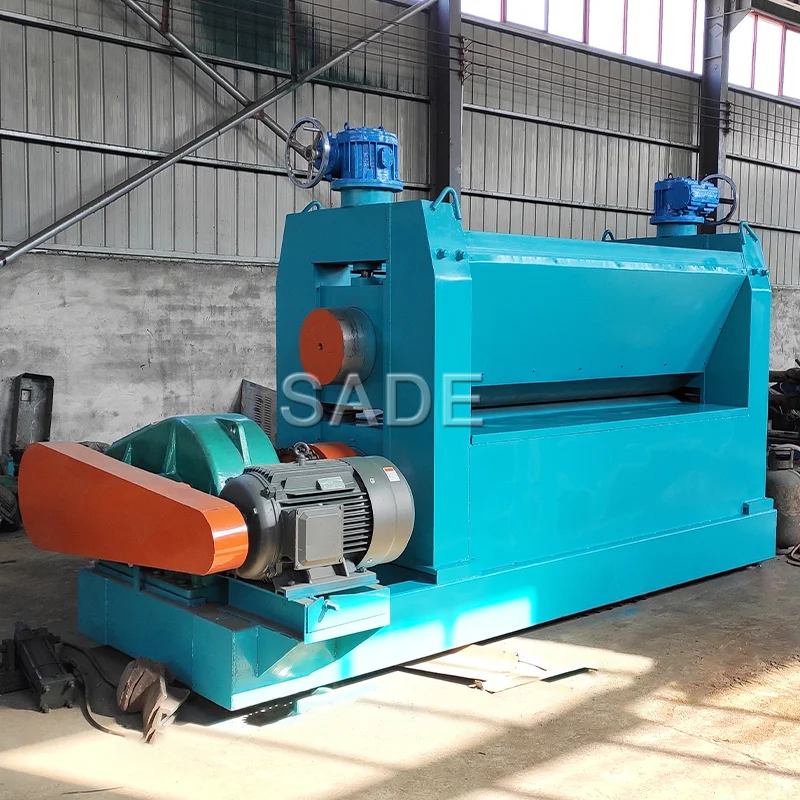
ZPJ Metal Mesh Flatting Machine
ZPJ metal mesh flatting machine is special designed for expanded metal flatting.It’s a corollary equipment of expanded metal machine. It can make expanded wire-mesh smoothly.And the flattened expanded metal have much more widely different applications.
Apr 24, 2026
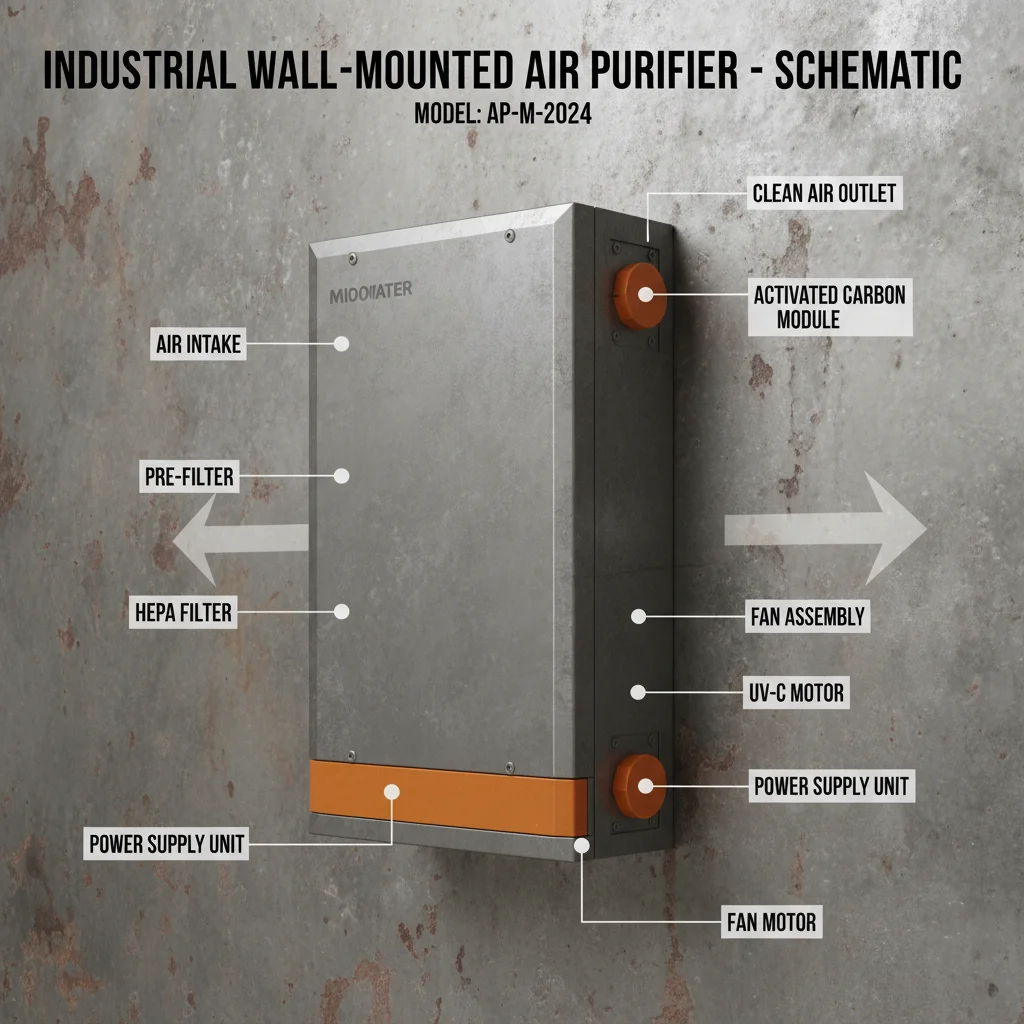
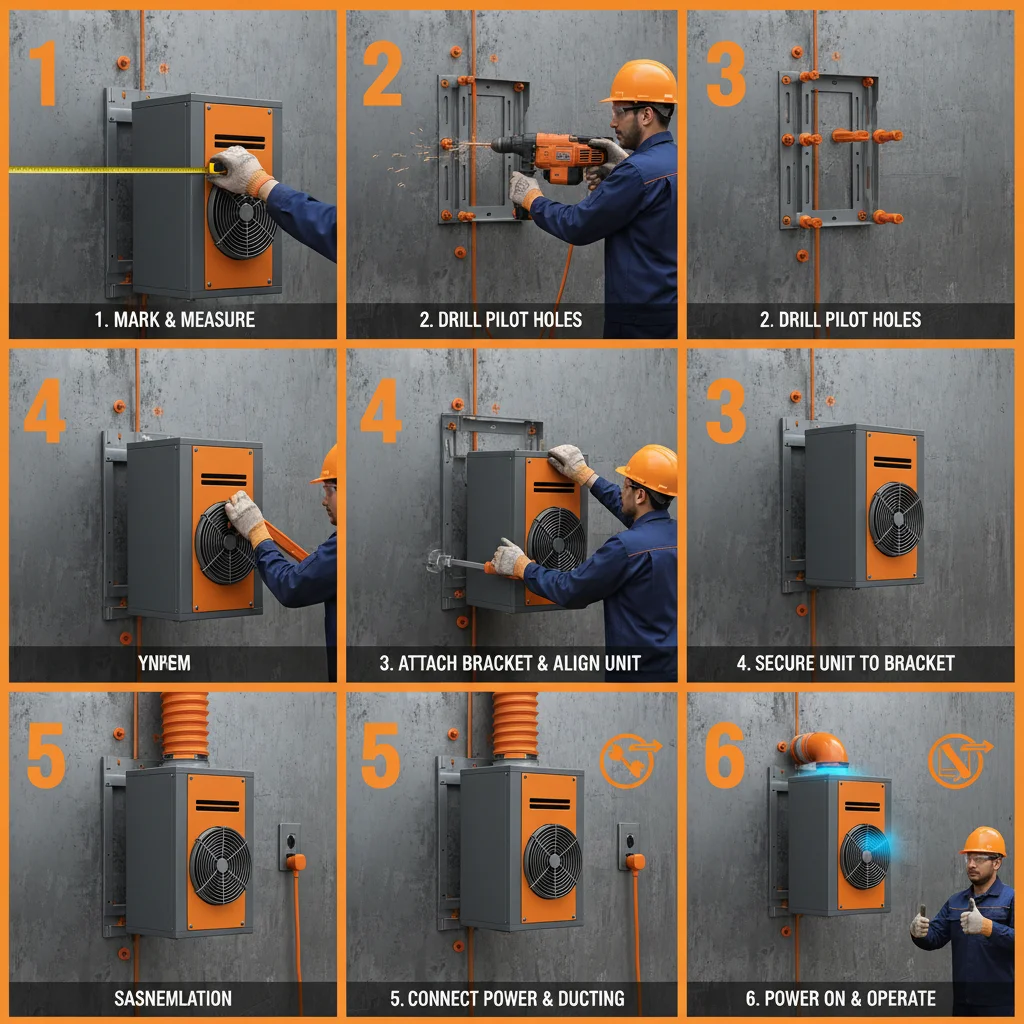
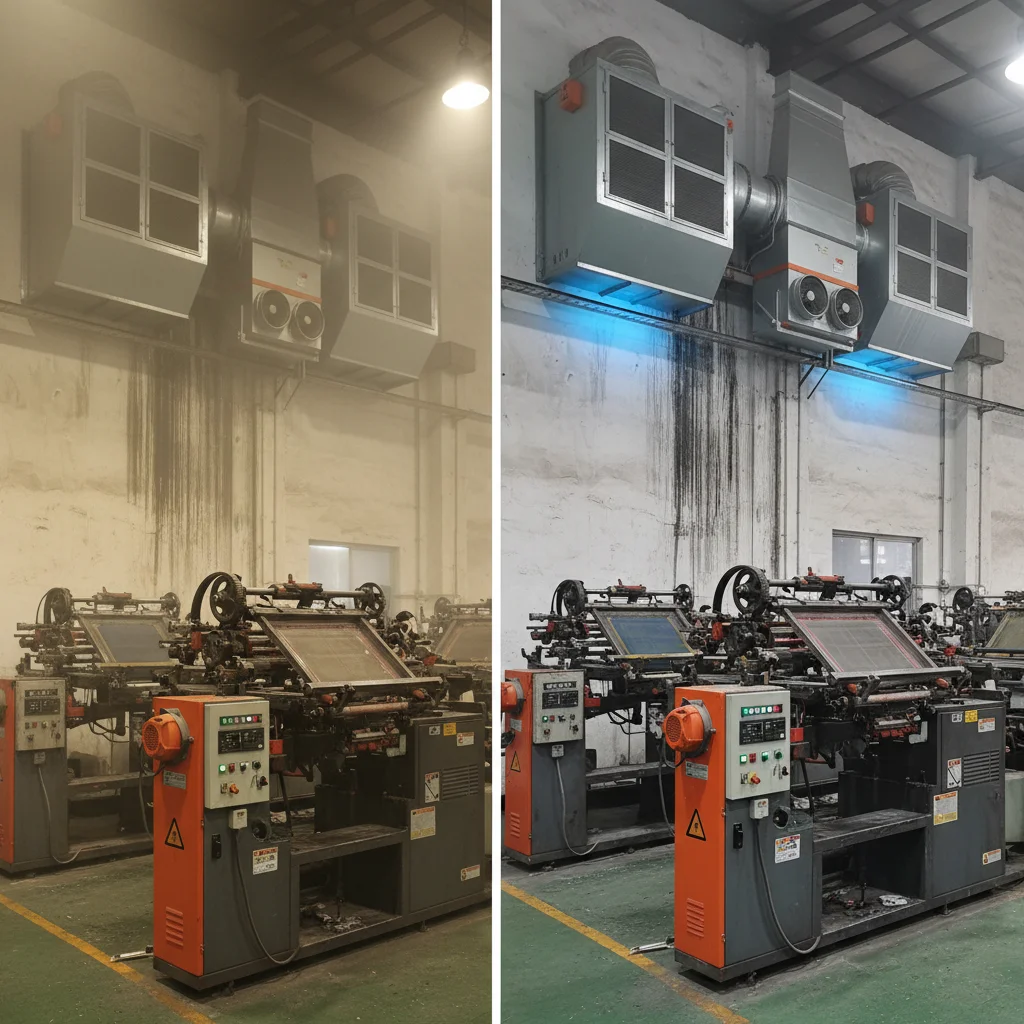
Industrial Wall Mounted Air Filtration for Clean Work Environments