
March 19, 2026
Selecting the right mesh welder is crucial for maximizing production efficiency and ensuring high-quality results. The market offers a range of options, from basic models to sophisticated, fully automated systems. Understanding your specific needs, production volume, and material types will guide you to the ideal mesh welder. This article will explore the key considerations when investing in mesh welding technology, providing valuable insights for businesses seeking to enhance their fabrication processes. Choosing wisely can significantly reduce costs and improve the overall quality of your mesh products.
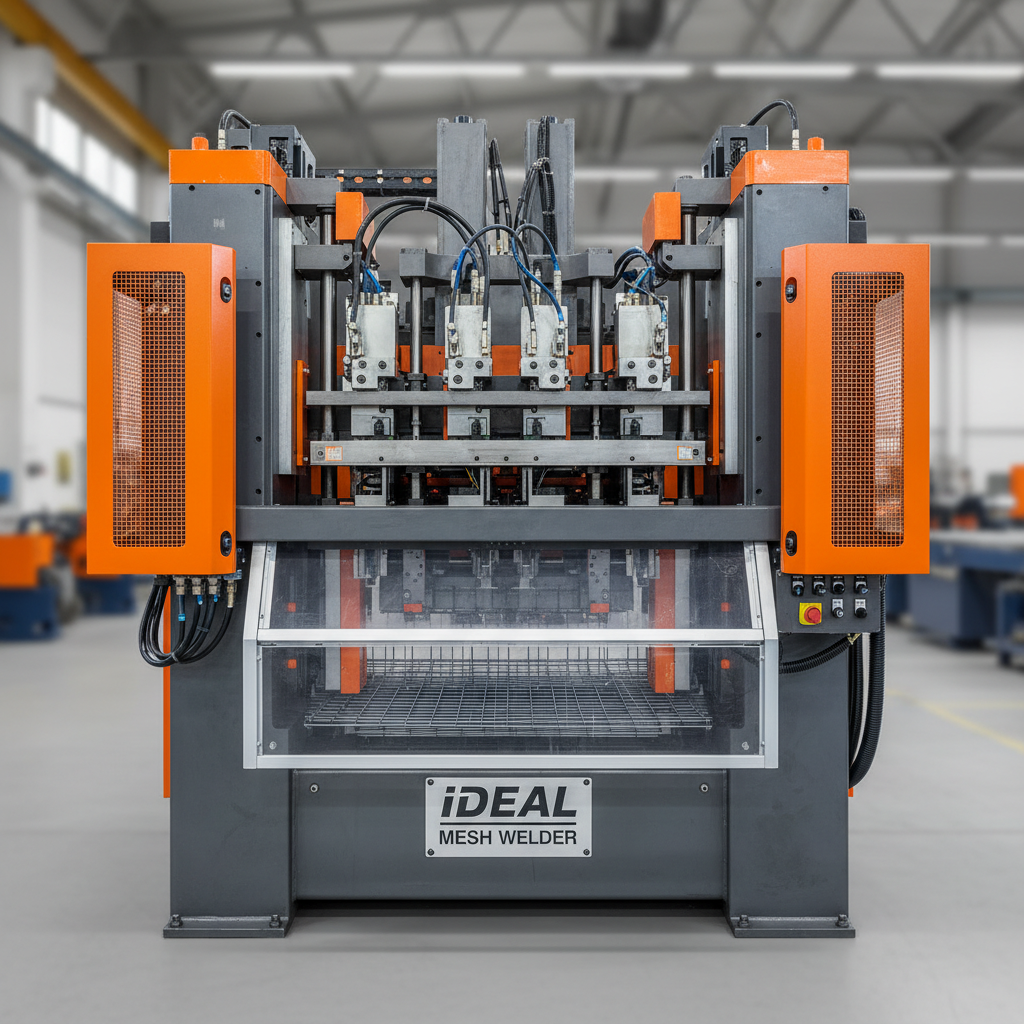
Mesh welding is a resistance welding process used to join intersecting metal strands, creating a robust and durable mesh structure. This technology is widely used in various industries, including construction, agriculture, security, and automotive. Different types of mesh welding machines exist, including spot welding, seam welding, and projection welding. The choice depends on the mesh design, material thickness, and production requirements. Mesh Machinery specializes in providing cutting-edge solutions tailored to diverse welding applications.
Key Benefits of Mesh Welding: High production speed, consistent weld quality, minimal material waste, and reduced labor costs.
Before investing in a mesh welder, several factors need careful consideration. First, assess your production volume – a low-volume operation may only require a manual or semi-automatic machine, while high-volume production necessitates a fully automated system. Second, determine the types of materials you’ll be welding, as different materials require varying welding parameters. Third, evaluate the mesh grid size and wire diameter, as this impacts the required welding current and electrode pressure. Finally, consider the level of automation and control features offered by different models. Mesh Machinery's expert team can help you navigate these complexities.
Key Considerations:
• Production Volume
• Material Types
• Mesh Grid Size & Wire Diameter
• Automation Level
Different types of mesh welding machines cater to specific applications. Spot welding machines are ideal for joining individual points, while seam welding machines create continuous welds along a seam. Projection welding is best suited for welding intersecting wires with pre-formed projections. Fully automated systems offer the highest throughput and consistency, but require a significant initial investment. Consider the trade-offs between cost, speed, and flexibility when making your decision. Mesh Machinery offers a diverse portfolio of welding solutions to meet your exact requirements.
Choosing Mesh Machinery as your mesh welding solution provider offers several key advantages. We provide customized solutions tailored to your specific needs, expert technical support, and reliable after-sales service. Our machines are built with high-quality components and adhere to stringent quality control standards. We are committed to helping our clients optimize their production processes and achieve superior results. Contact us today to discuss your requirements and discover the perfect welding solution for your business.
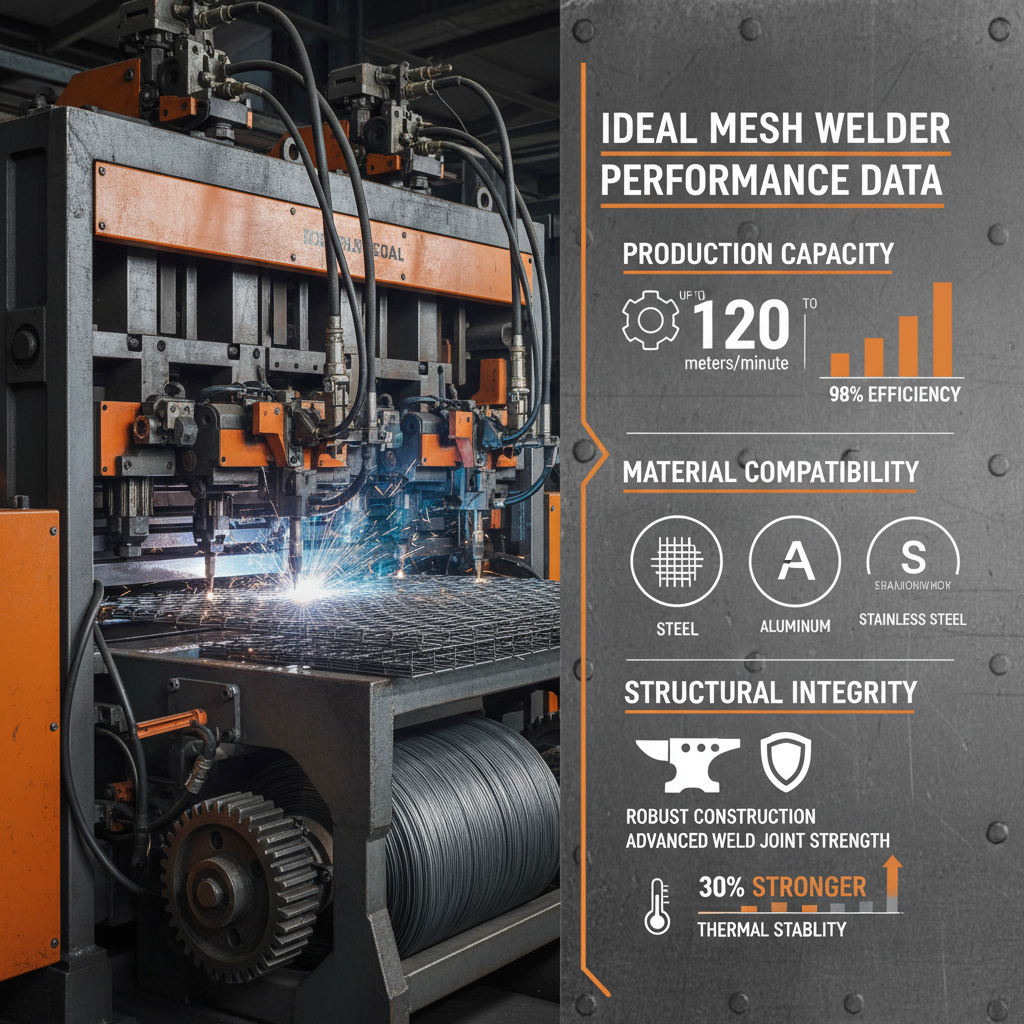
Selecting the ideal mesh welder requires a thorough understanding of your production needs and the available technologies. By carefully considering factors such as production volume, material types, and automation level, you can make an informed decision that maximizes efficiency and quality. Partnering with a reputable provider like Mesh Machinery ensures you receive the best possible solution and ongoing support. Investing in the right technology is an investment in your company's future success.
Power consumption varies significantly depending on the machine type and capacity. Smaller, manual spot welding machines typically consume around 3-5 kW, while larger, automated seam welding systems can require 10-20 kW or more. Efficient power management is a key consideration, and modern machines often incorporate energy-saving features. Mesh Machinery provides detailed power consumption specifications for each of its models to help you optimize your energy costs.
Regular maintenance is crucial for ensuring the longevity and performance of your mesh welding machine. This includes cleaning electrodes, inspecting wiring and connections, lubricating moving parts, and checking cooling systems. Preventative maintenance schedules should be followed to avoid costly downtime. Mesh Machinery offers comprehensive maintenance plans and readily available spare parts to support your operations.
Mesh welding machines can effectively weld a wide range of materials, including carbon steel, stainless steel, aluminum, and galvanized steel. The choice of welding parameters must be adjusted based on the material properties. Different electrode materials and welding currents may be required for optimal results. Mesh Machinery machines are engineered to handle diverse materials with precision and reliability.
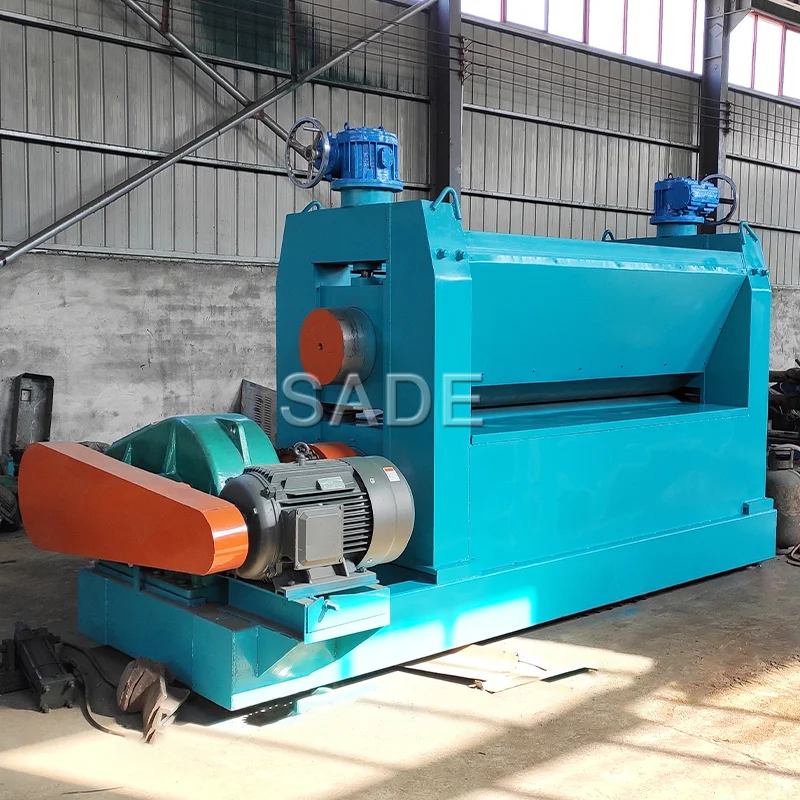
ZPJ Metal Mesh Flatting Machine
ZPJ metal mesh flatting machine is special designed for expanded metal flatting.It’s a corollary equipment of expanded metal machine. It can make expanded wire-mesh smoothly.And the flattened expanded metal have much more widely different applications.
Apr 24, 2026
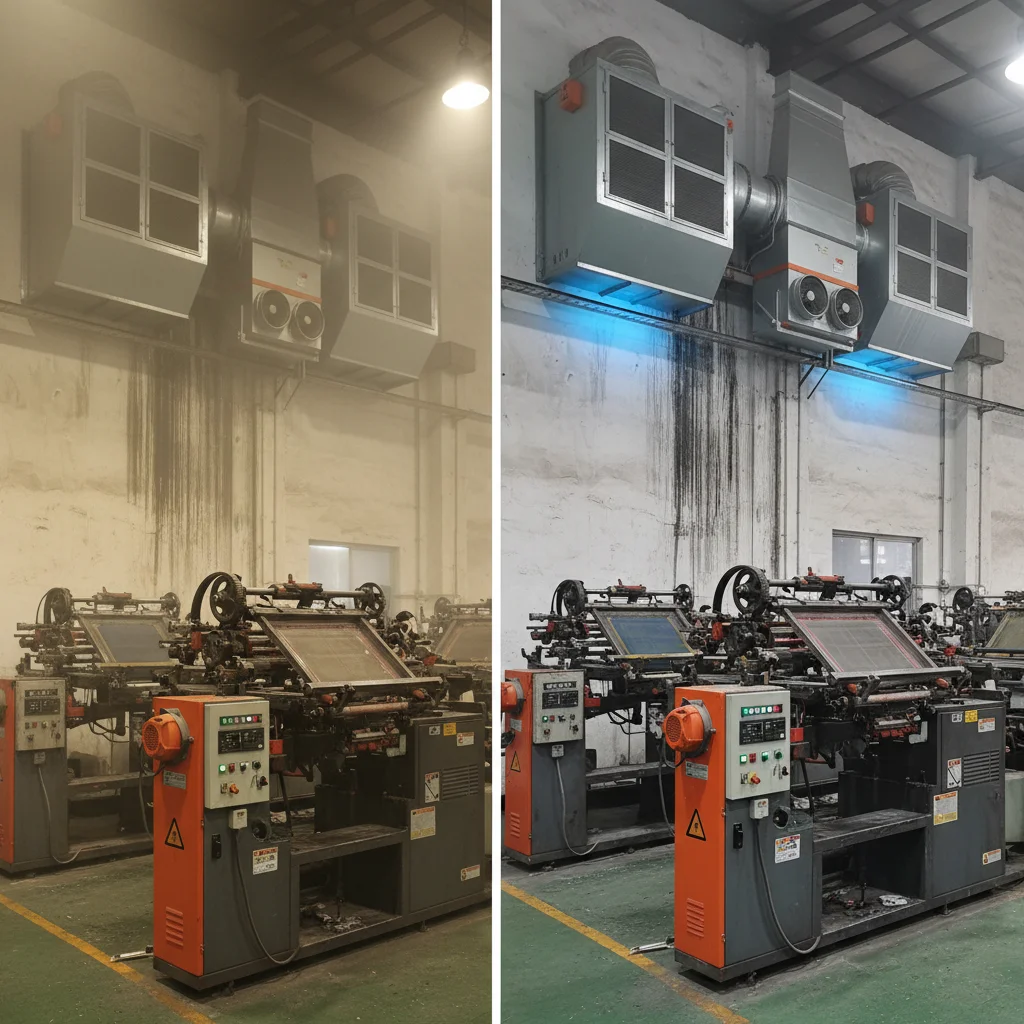
Industrial Wall Mounted Air Filtration for Clean Work Environments