
March 24, 2026
In the realm of agricultural and industrial fencing, the efficiency and quality of wire netting are paramount. A simple fence wire netting machine is the cornerstone of producing reliable and durable fencing solutions. This article delves into the functionality, benefits, key considerations, and applications of these machines, offering insights for businesses seeking to optimize their fencing production. We’ll explore how selecting the right machine from a reputable supplier like Mesh Machinery can significantly impact your operational efficiency and product quality.
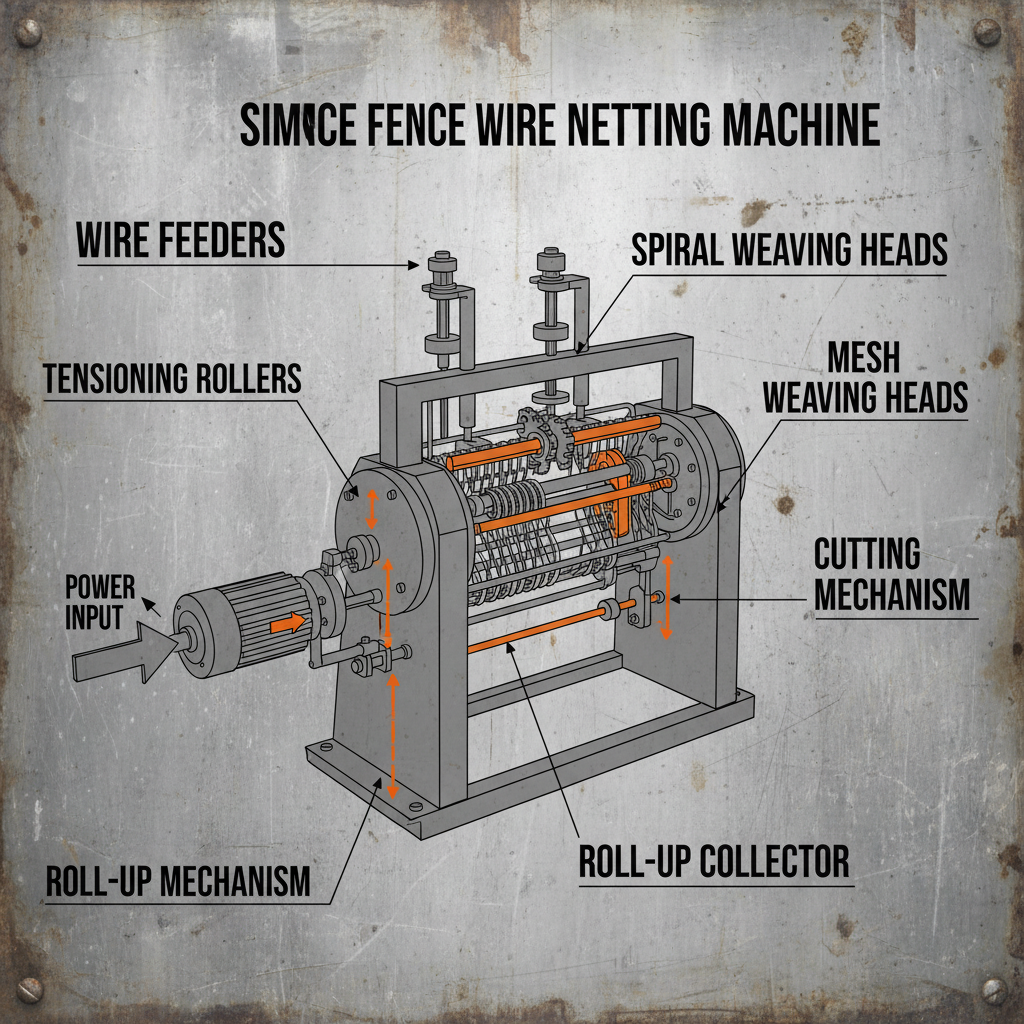
At its core, a simple fence wire netting machine operates by interweaving vertical wires (weft wires) through horizontal wires (warp wires). The process typically involves a series of rollers, guides, and a cranking mechanism (or motorized system) to achieve the interlocking pattern. Raw materials, usually galvanized steel wire, are fed into the machine, and the machine's action creates a mesh with uniform openings. Modern machines often incorporate automated features like wire tension control and automatic stopping mechanisms to enhance precision and reduce waste. The simplicity of the design contributes to relatively easy operation and maintenance.
Key Components: This machine relies on components like a wire stand, wire guide rollers, weaving disc, and a frame for stability. Regular maintenance of these components ensures smooth operation and longevity.
Investing in a simple fence wire netting machine offers numerous advantages for businesses involved in fencing production. Firstly, it significantly reduces labor costs compared to manual weaving. Secondly, it ensures consistent product quality with uniform mesh sizes and wire spacing. Thirdly, it enables businesses to control their production output and meet fluctuating market demands. Finally, the ability to customize mesh specifications allows for catering to a wider range of applications. A machine from Mesh Machinery provides the reliability needed for sustained production.
The specifications of a simple fence wire netting machine can vary based on the manufacturer and intended applications. Here's a typical overview:
The wire netting produced by these machines has a vast array of applications, including: agricultural fencing (protecting crops and livestock), poultry netting, industrial fencing (security and containment), garden fencing, and even construction reinforcement. The versatility of the mesh makes it suitable for diverse industries and applications.
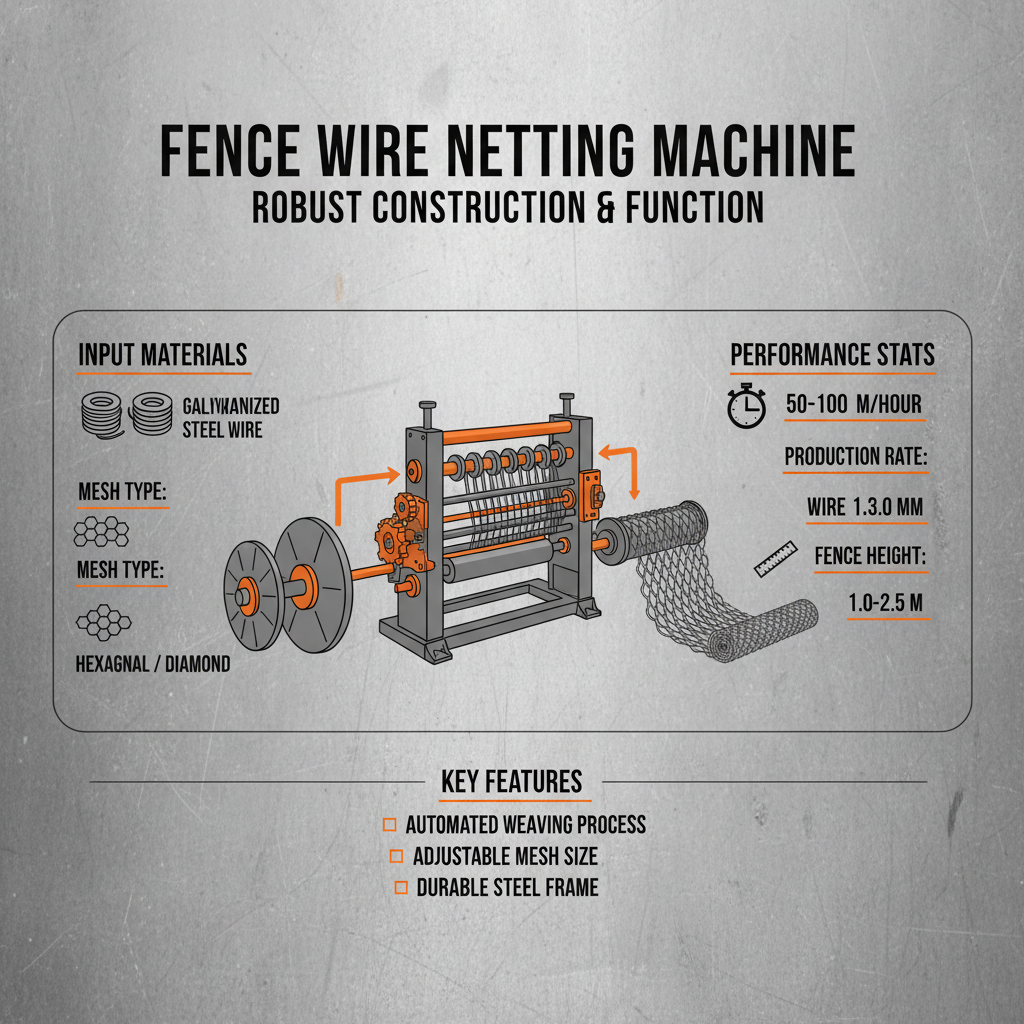
Selecting the appropriate simple fence wire netting machine requires careful consideration of several factors. These include the desired production capacity, the range of mesh sizes required, the type of wire to be used (galvanized, PVC-coated, etc.), and the level of automation needed. It’s also crucial to choose a reputable supplier like Mesh Machinery that offers reliable machines, comprehensive technical support, and readily available spare parts. Consider the long-term cost of ownership, including maintenance and potential repairs.
A simple fence wire netting machine is a vital investment for businesses seeking to streamline their fencing production process. By carefully evaluating your needs and choosing a high-quality machine from a trusted supplier like Mesh Machinery, you can significantly improve efficiency, reduce costs, and ensure consistent product quality. Don’t compromise on the foundation of your fencing operations – invest in the right machine today.
Most simple fence wire netting machines are designed to handle galvanized steel wire, which provides excellent corrosion resistance. However, many machines can also process PVC-coated wire, stainless steel wire, and other types of metallic wire. The maximum wire diameter will vary depending on the machine’s specifications. It's important to verify the machine’s compatibility with your chosen wire type before operation. Mesh Machinery offers machines adaptable to a variety of wire materials.
Regular maintenance is crucial for ensuring the longevity and optimal performance of the machine. This includes lubricating moving parts, cleaning the rollers and guides, inspecting the wire tensioning system, and checking for worn or damaged components. Following the manufacturer’s recommendations for maintenance schedules is highly recommended. Mesh Machinery provides detailed maintenance guides and readily available spare parts.
Production output varies significantly depending on the machine's model, the mesh size, and the operator's skill. Typically, a simple fence wire netting machine can produce between 10 to 20 meters of netting per hour. Higher-end, more automated machines can achieve significantly higher output rates. It's best to consult with a supplier like Mesh Machinery to determine the machine that best suits your production requirements.
The space requirement depends on the machine's size and configuration. Generally, you'll need a minimum of 5-10 square meters of clear floor space for the machine itself, plus additional space for wire storage and finished product handling. It's essential to ensure adequate ventilation and access for maintenance. Consider the machine's dimensions provided by Mesh Machinery when planning your workspace.
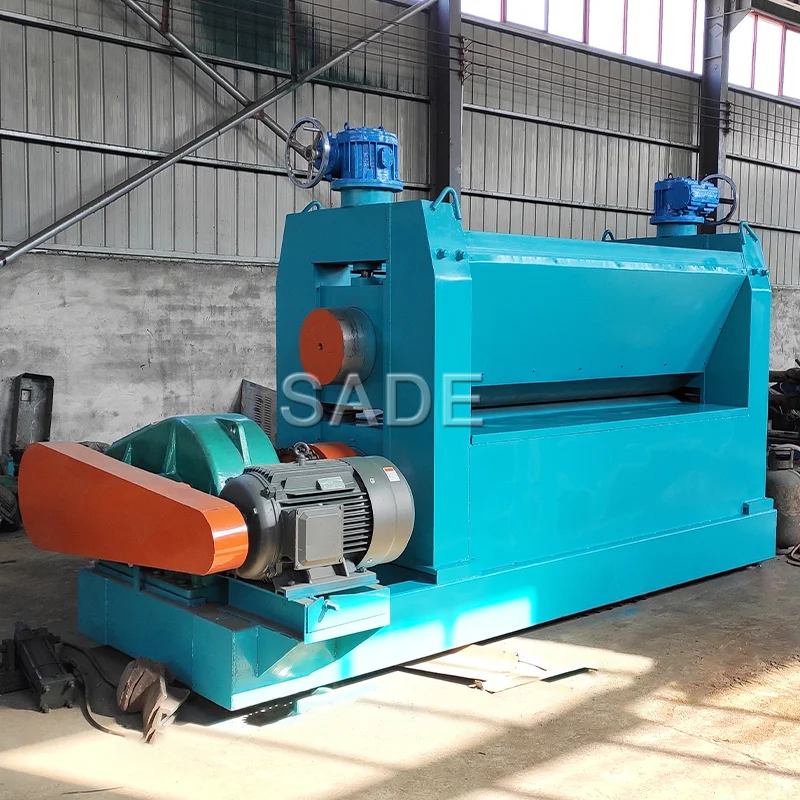
ZPJ Metal Mesh Flatting Machine
ZPJ metal mesh flatting machine is special designed for expanded metal flatting.It’s a corollary equipment of expanded metal machine. It can make expanded wire-mesh smoothly.And the flattened expanded metal have much more widely different applications.
Apr 24, 2026
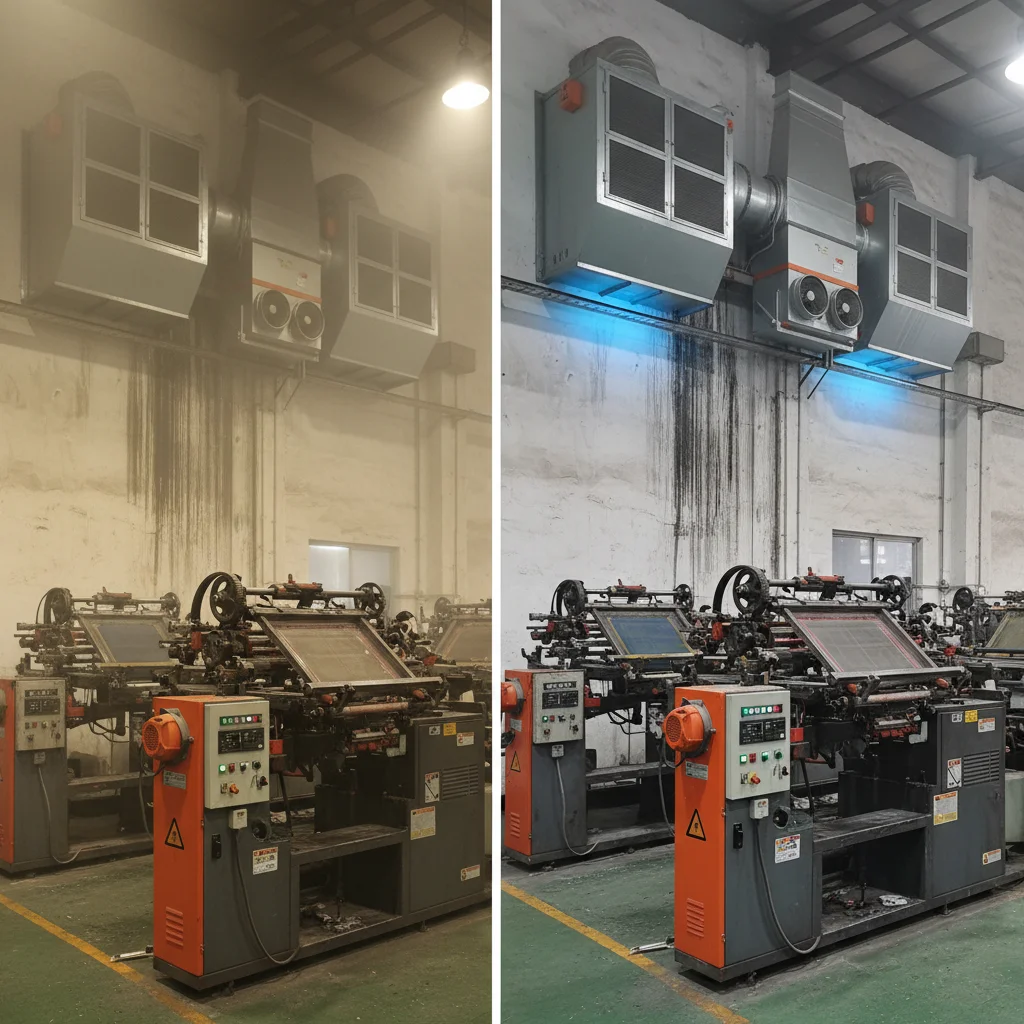
Industrial Wall Mounted Air Filtration for Clean Work Environments