
March 24, 2026
The demand for wire mesh, often known as 'jali' in many regions, is consistently high across various industries, from construction and agriculture to security and filtration. Efficient and reliable production is crucial to meeting this demand, and that's where a wire jali making machine becomes indispensable. This article provides a detailed exploration of these machines, their types, benefits, and considerations for choosing the right one for your business. We will cover the key features, operational aspects, and latest advancements in this field, providing valuable insights for both beginners and seasoned professionals.
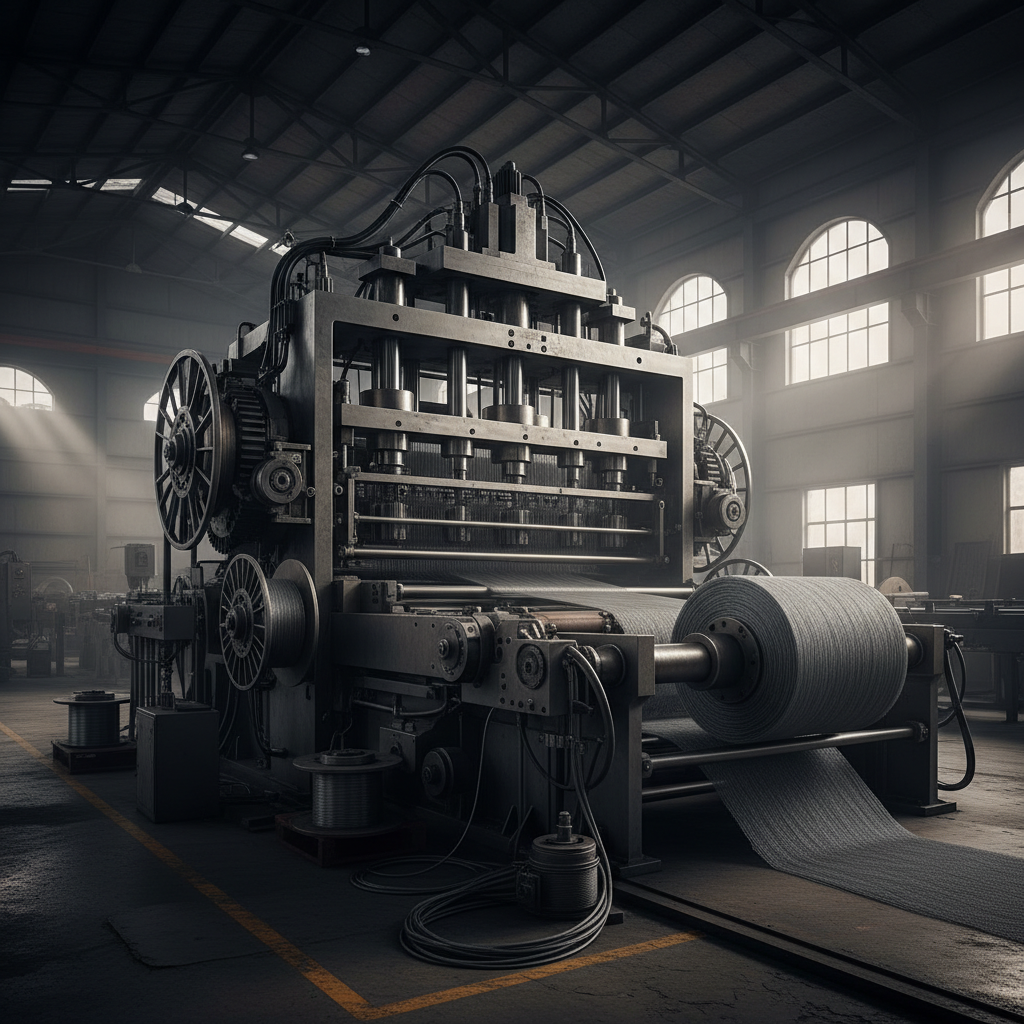
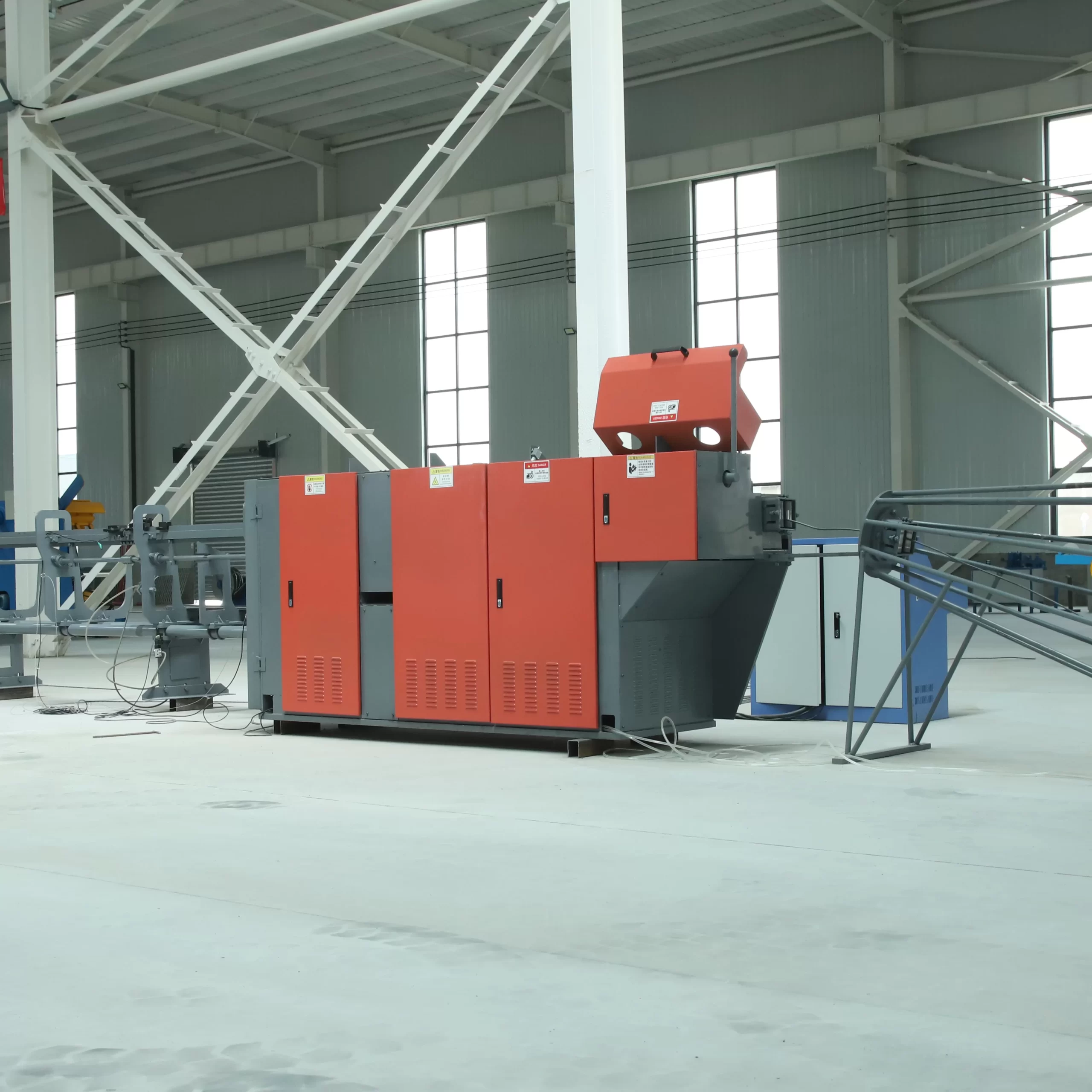
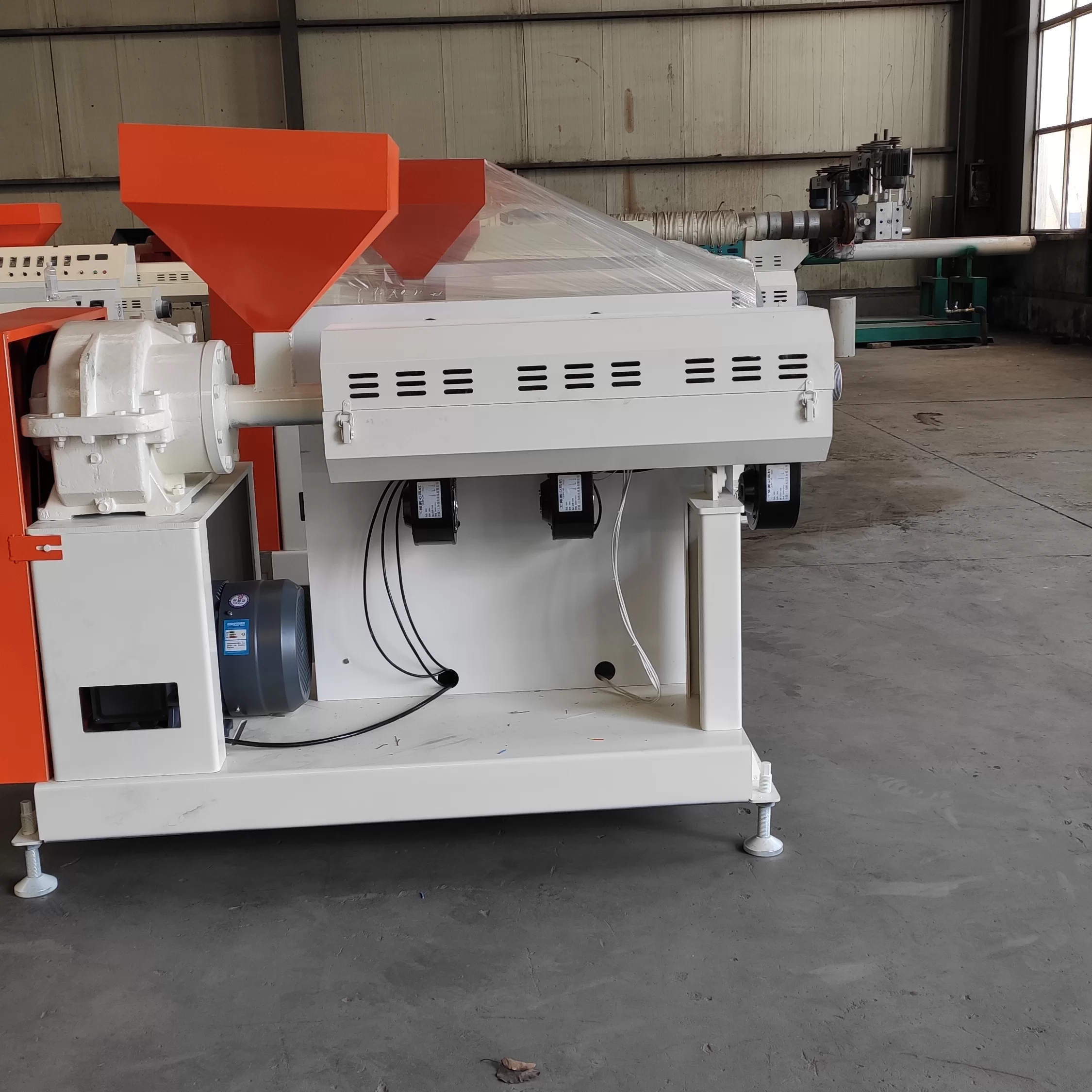
A wire jali making machine is a specialized piece of equipment designed to automatically weave or weld wires together to create various types of wire mesh. These machines come in different configurations depending on the desired mesh size, wire diameter, and production volume. They automate a process that was traditionally labor-intensive, significantly increasing efficiency and reducing production costs. The machines can handle different materials, including galvanized iron wire, stainless steel wire, and PVC-coated wire. The core function is to create consistent, high-quality mesh with minimal human intervention, making them a vital component of modern wire mesh manufacturing.
Several types of wire jali making machines cater to diverse production needs. The most common include:
The selection of the right machine depends largely on the type of wire jali you intend to produce and the scale of your operation. Meshmachinery.com offers a comprehensive range of these machines.
Key Considerations: When choosing a machine, consider wire diameter, mesh aperture, production speed, and automation level.
Investing in a wire jali making machine offers significant advantages over manual production methods. These benefits include:
These advantages collectively contribute to improved profitability and competitiveness in the wire mesh market. A reliable wire jali making machine is a strategic investment for any serious manufacturer.
Understanding the differences between the various technologies used in wire jali making machines is essential for making the right choice. Here's a comparison highlighting key features:
Before investing in a wire jali making machine, consider these factors:
Reputable suppliers like Meshmachinery.com provide expert guidance to help you select the optimal machine for your specific requirements.
Investing in a wire jali making machine is a strategic move for businesses looking to enhance production efficiency, improve product quality, and reduce costs. By carefully considering your needs and selecting the right machine, you can unlock significant growth potential in the competitive wire mesh market. Don't hesitate to consult with industry experts to make an informed decision.
Regular maintenance is crucial for ensuring the longevity and optimal performance of your machine. This includes daily lubrication of moving parts, periodic inspection of welding electrodes (for welded mesh machines), cleaning of wire guides, and checking for worn-out components. A preventative maintenance schedule should be implemented and followed diligently. Refer to the machine's manual for specific maintenance instructions. Neglecting maintenance can lead to breakdowns and costly repairs.
Safety is paramount when operating these machines. Always wear appropriate personal protective equipment (PPE), including safety glasses, gloves, and ear protection. Ensure the machine is properly grounded and that all safety guards are in place. Never attempt to repair or adjust the machine while it's running. Thoroughly train operators on safe operating procedures and emergency shutdown protocols. Regular safety inspections are essential to identify and mitigate potential hazards.
Lead times can vary depending on the machine model, customization requirements, and the manufacturer's current production schedule. Generally, standard machines have a lead time of 4-8 weeks, while customized machines may take longer. It's best to confirm the specific lead time with your supplier, such as Meshmachinery.com, at the time of order placement. Factors like international shipping and customs clearance can also affect the overall delivery time.
Most reputable manufacturers offer a warranty on their wire jali making machines, typically ranging from 12 to 24 months. The warranty usually covers defects in materials and workmanship. It's important to carefully review the warranty terms and conditions to understand the coverage and any limitations. Ensure the supplier provides readily available spare parts and technical support during the warranty period.
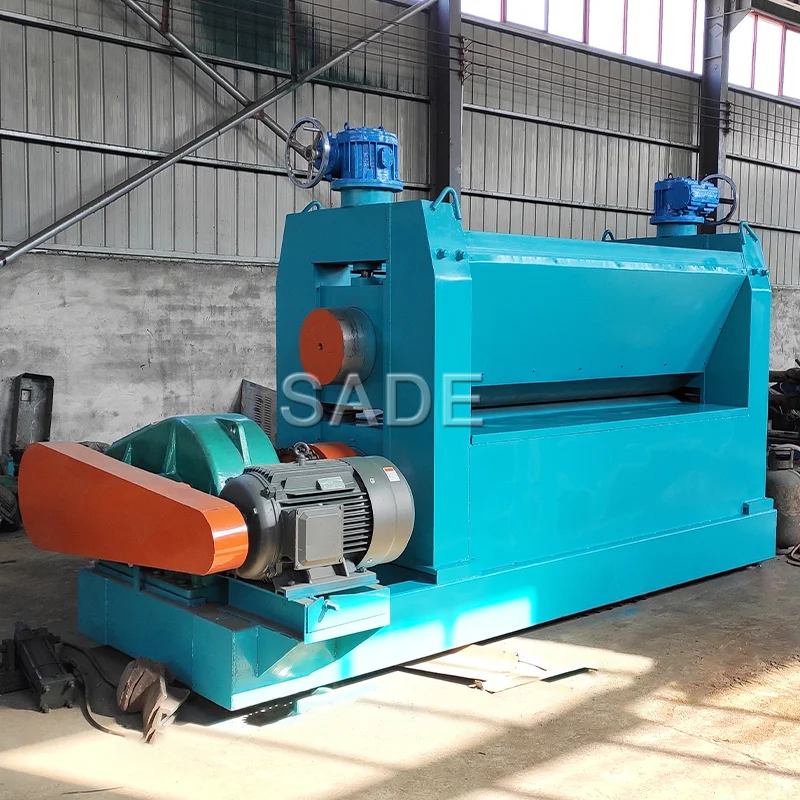
ZPJ Metal Mesh Flatting Machine
ZPJ metal mesh flatting machine is special designed for expanded metal flatting.It’s a corollary equipment of expanded metal machine. It can make expanded wire-mesh smoothly.And the flattened expanded metal have much more widely different applications.
Apr 24, 2026
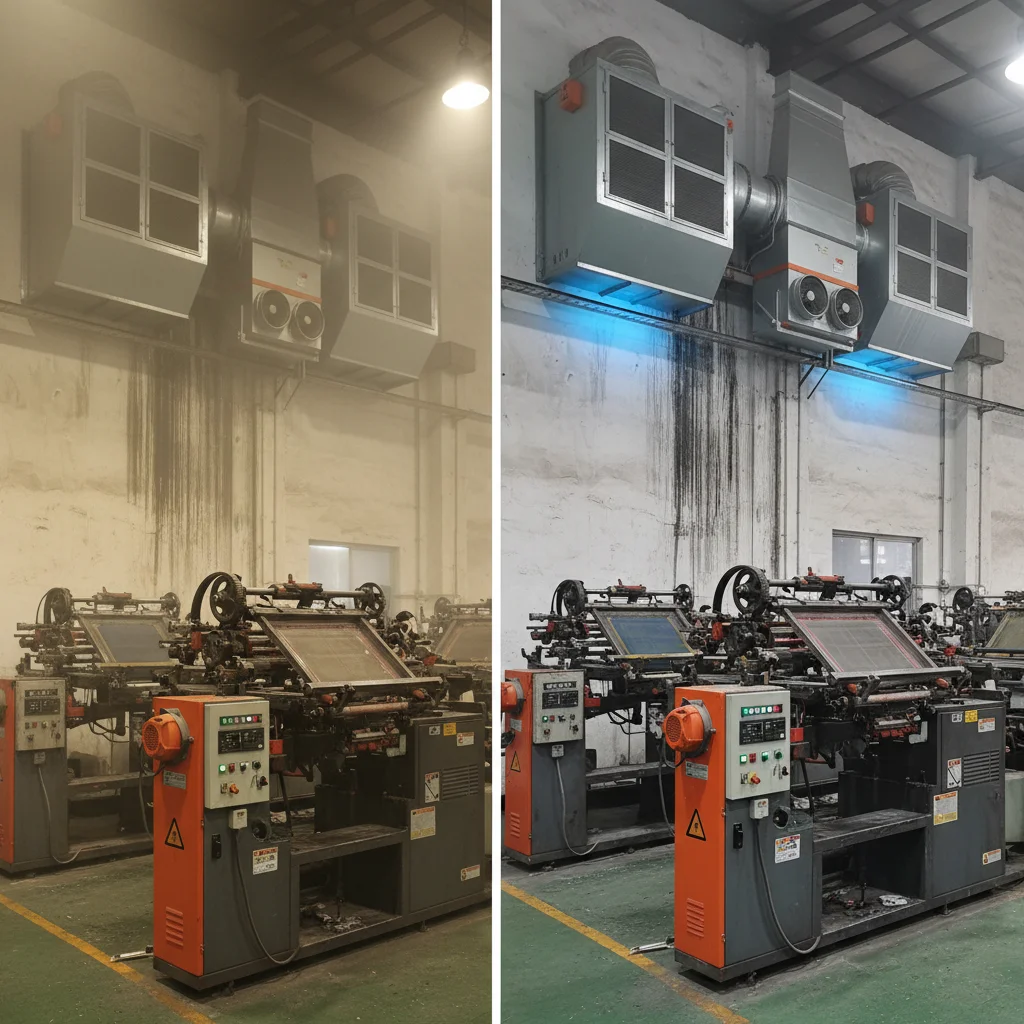
Industrial Wall Mounted Air Filtration for Clean Work Environments