
April 09, 2026
In the modern construction landscape, precision and efficiency are the cornerstones of structural integrity. Finding reliable rebar bending machine manufacturers is essential for contractors and engineers who aim to reduce waste and accelerate project timelines. Whether you are handling small-scale residential builds or massive industrial infrastructure, the quality of your bending equipment directly impacts the safety and durability of the reinforced concrete. This guide will explore how to identify top-tier manufacturers, evaluate machine specifications, and optimize your procurement process to ensure you get the highest ROI for your machinery investment.
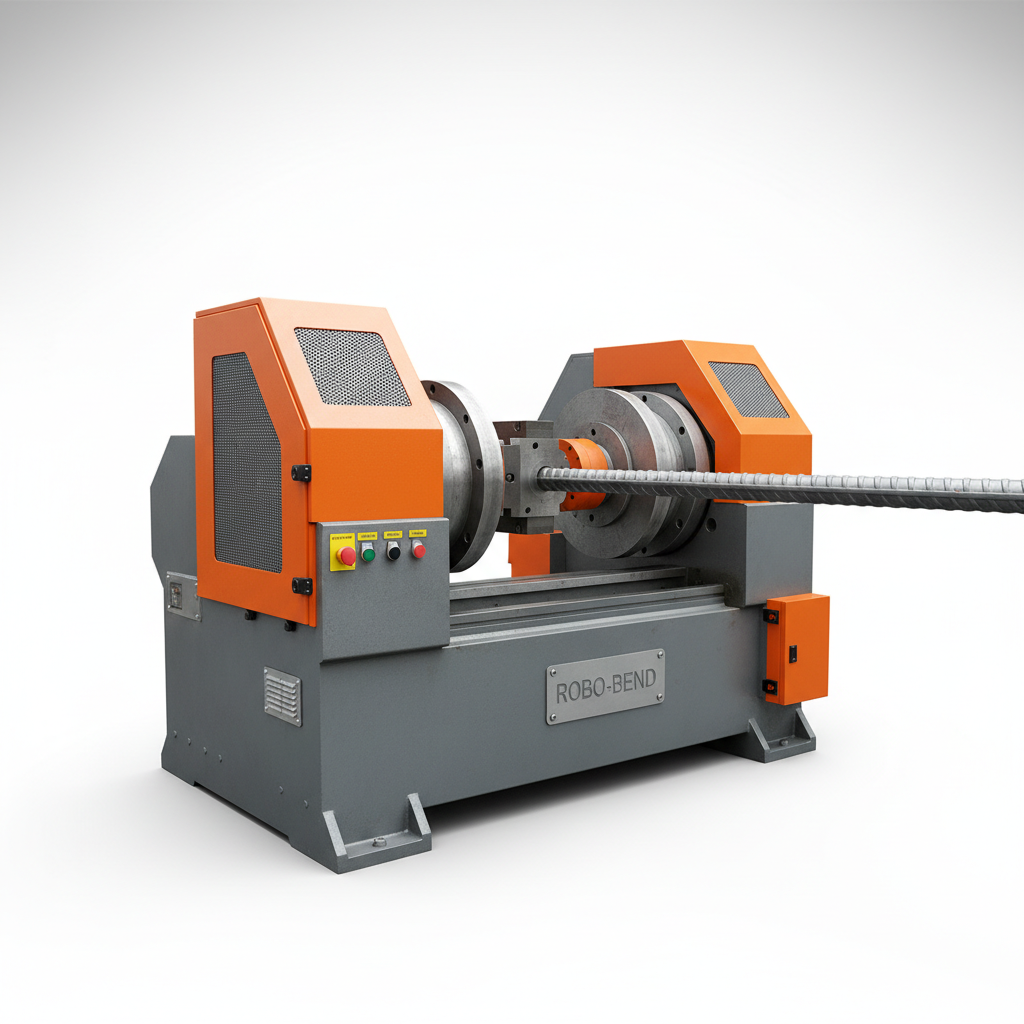
Not all rebar bending machine manufacturers operate with the same standards of quality. A professional manufacturer should offer a balance of innovation, durability, and comprehensive after-sales support. Key indicators of a reputable supplier include their adherence to international safety certifications, the use of high-grade alloy steels in their bending rollers, and a proven track record of delivering machines that maintain precision over thousands of cycles. Additionally, look for manufacturers that provide customizable options, such as programmable PLC systems, which allow for automated bending angles and repeatable accuracy.
Pro Tip: Always request a factory audit or a video demonstration of the machine's stress-test performance to verify the claims made by the manufacturers.
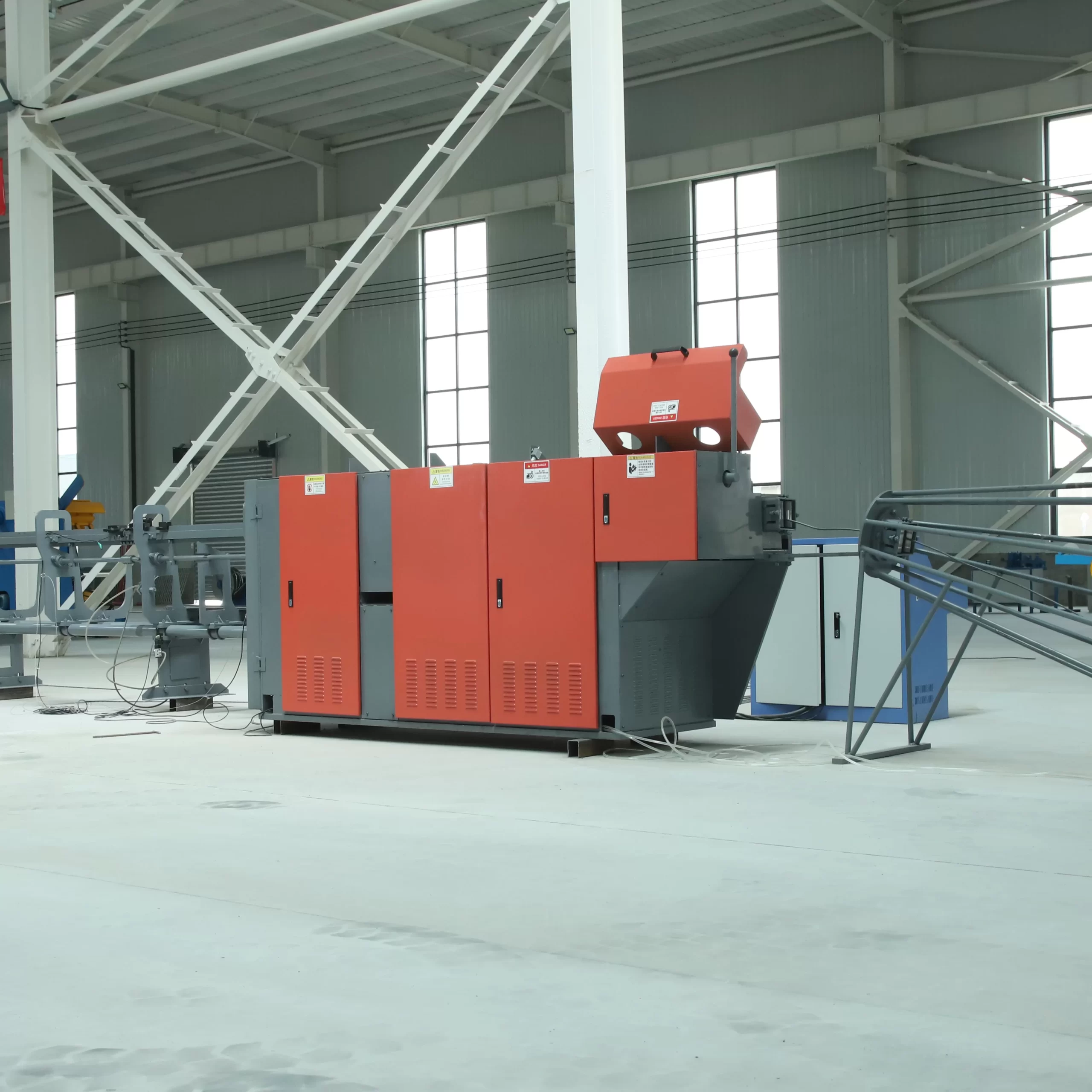
When sourcing from rebar bending machine manufacturers, you will typically choose between manual, semi-automatic, and fully automatic machines. Manual machines are cost-effective for small jobs but labor-intensive. Conversely, automatic machines utilize advanced hydraulic or electric systems to bend rebar with millimeter precision, significantly reducing human error. For high-volume projects, the investment in automation pays for itself through reduced labor costs and minimal material scrap.
When reviewing catalogs from rebar bending machine manufacturers, paying attention to technical specifications is the only way to ensure the machine fits your material needs. The most critical metrics include the maximum bending diameter, the bending angle range, and the motor power. A machine designed for 12mm rebar will fail or wear out prematurely if pushed to handle 32mm bars. Understanding the torque capacity and the quality of the hydraulic seals can also give you an idea of the machine's long-term reliability in harsh site conditions.
The cost of the machine is only one part of the equation. High-quality rebar bending machine manufacturers build equipment that minimizes "spring-back"—the tendency of metal to return to its original shape. When spring-back is minimized, the amount of wasted rebar is drastically reduced. Over a large project, saving even 2% of steel through precision bending can save thousands of dollars, easily offsetting the price difference between a budget machine and a professional-grade one.
Efficiency Gains with Professional Equipment:
• Reduction in material scrap by up to 15%
• 40% faster processing time per unit
• Lower maintenance downtime due to heavy-duty components
• Enhanced workplace safety via automated controls
To help you compare different rebar bending machine manufacturers, it is helpful to look at standard specification tables. Most industrial-grade benders are categorized by their capacity. Below is a typical specification table for a mid-to-high range automatic rebar bender, which serves as a benchmark for quality in the industry.
Selecting from the right rebar bending machine manufacturers is more than a purchase; it is a strategic partnership. By prioritizing precision, analyzing technical specifications, and weighing the long-term ROI of automation, you ensure that your construction projects are both efficient and safe. High-quality machinery reduces waste, lowers labor costs, and guarantees that every piece of steel is bent to perfection. Invest in quality today to build a stronger tomorrow.
To choose the correct capacity, you must first identify the maximum diameter of the rebar used in your structural blueprints. It is generally recommended to purchase a machine with a capacity slightly higher (about 10-20%) than your maximum required diameter. This prevents the motor from running at 100% load constantly, which extends the lifespan of the machine and reduces the risk of mechanical failure. Consulting with experienced rebar bending machine manufacturers can help you determine if a single multi-purpose machine or a series of specialized benders is more efficient for your specific workflow.
Maintenance is crucial for maintaining precision. Daily tasks include cleaning debris from the bending area and checking for loose bolts. Weekly maintenance should involve lubricating the gears and checking the hydraulic oil levels. Monthly or quarterly, it is essential to inspect the wearing parts, such as the bending rollers, for signs of erosion or cracking. Most top-tier manufacturers provide a detailed maintenance manual. Regular servicing ensures that the machine operates within its original tolerance levels, preventing costly errors in the field.
Yes, most professional machines are designed to handle various grades of steel, including carbon steel, stainless steel, and high-strength alloy bars. However, different materials have different "yield strengths," which affect how the material bends and springs back. High-end machines from leading rebar bending machine manufacturers feature adjustable settings or programmable presets that allow the operator to select the material type, ensuring the machine applies the correct force for that specific grade of steel.
An industrial-grade rebar bender typically lasts between 8 to 15 years, depending on the usage volume and the quality of maintenance. Machines built with high-grade castings and precision-engineered components last significantly longer than budget alternatives. The primary wear points are the rollers and the hydraulic seals; replacing these consumables periodically can keep the machine running like new. Investing in a machine from a manufacturer that offers readily available spare parts is the best way to ensure a long operational life.
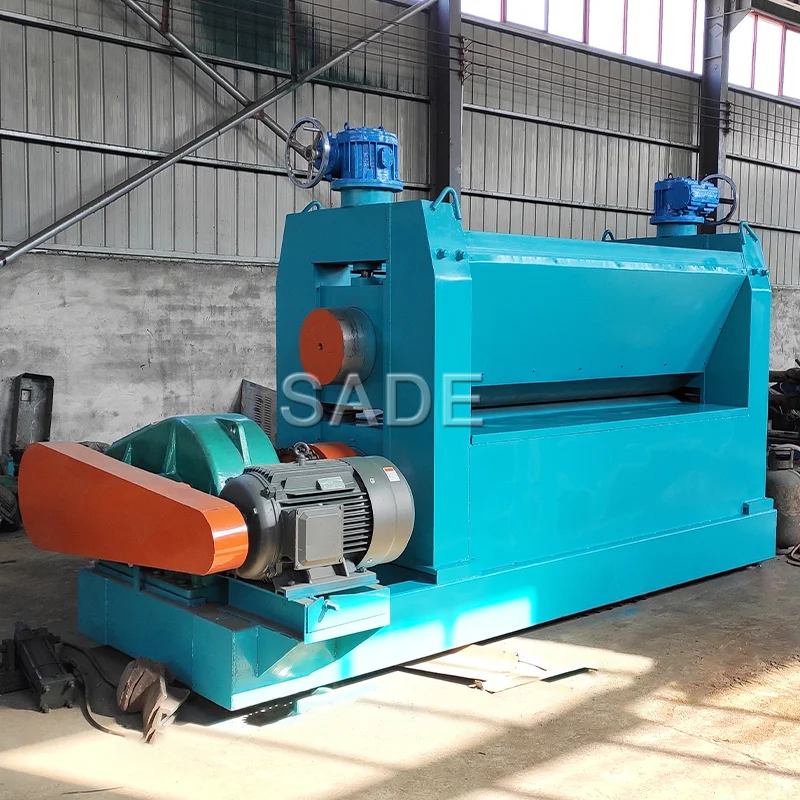
ZPJ Metal Mesh Flatting Machine
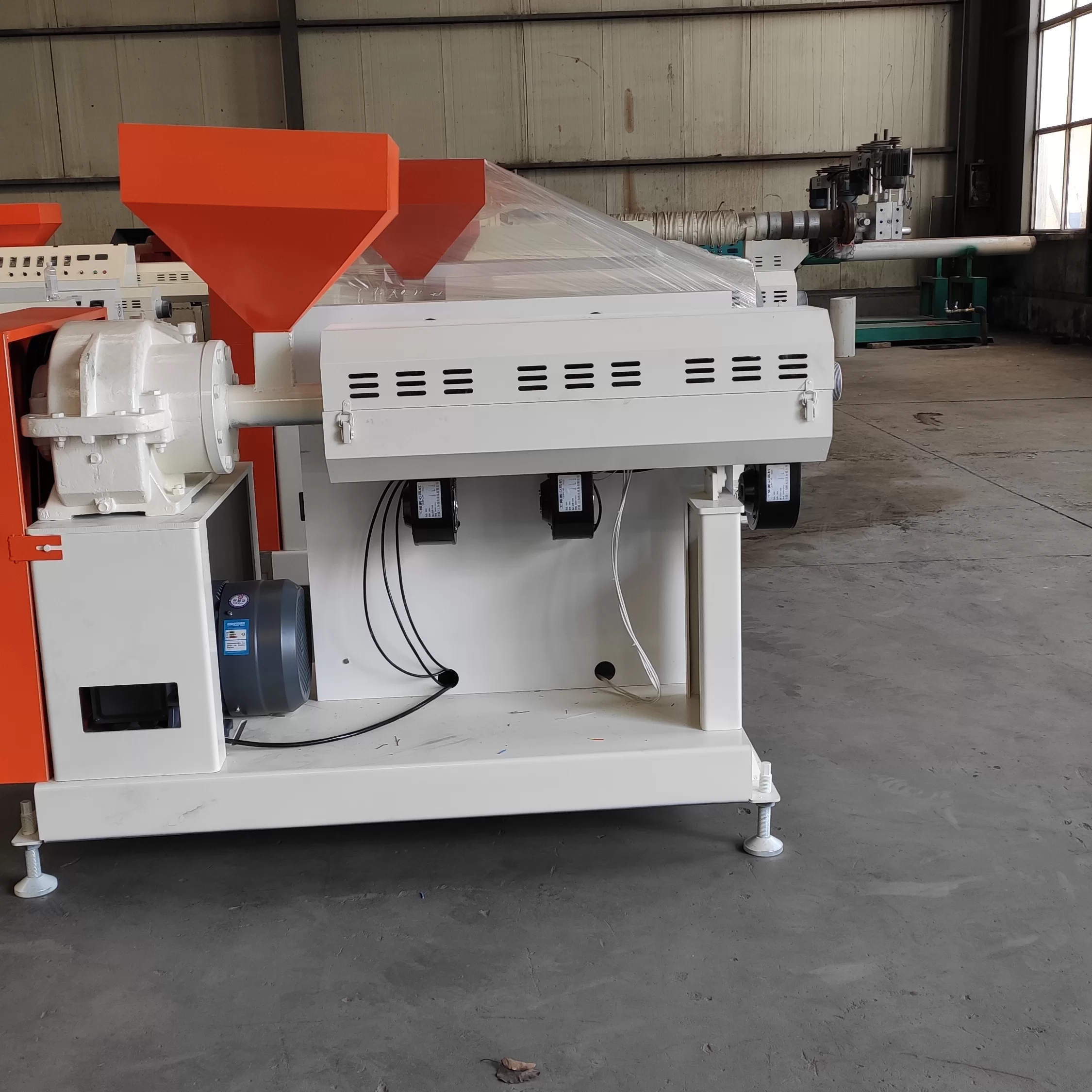
ZPJ metal mesh flatting machine is special designed for expanded metal flatting.It’s a corollary equipment of expanded metal machine. It can make expanded wire-mesh smoothly.And the flattened expanded metal have much more widely different applications.
Apr 24, 2026
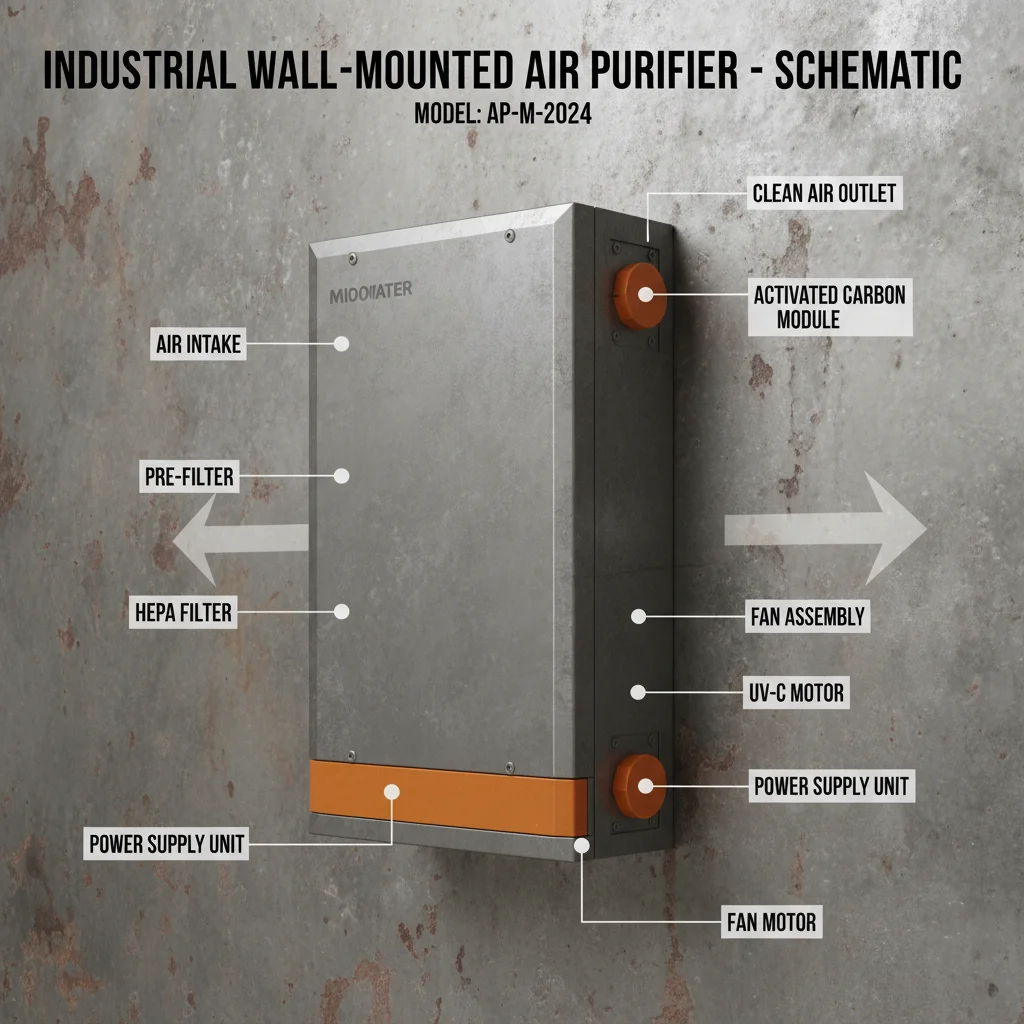
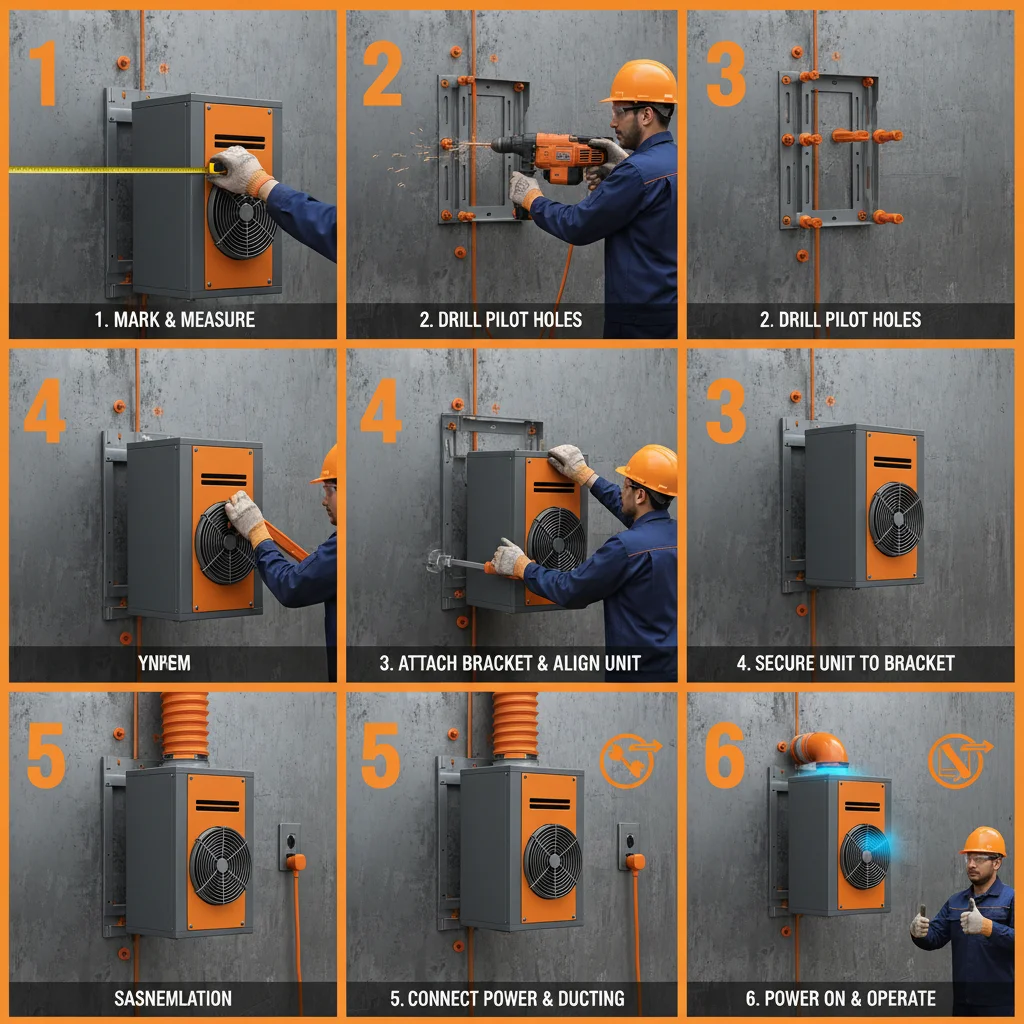
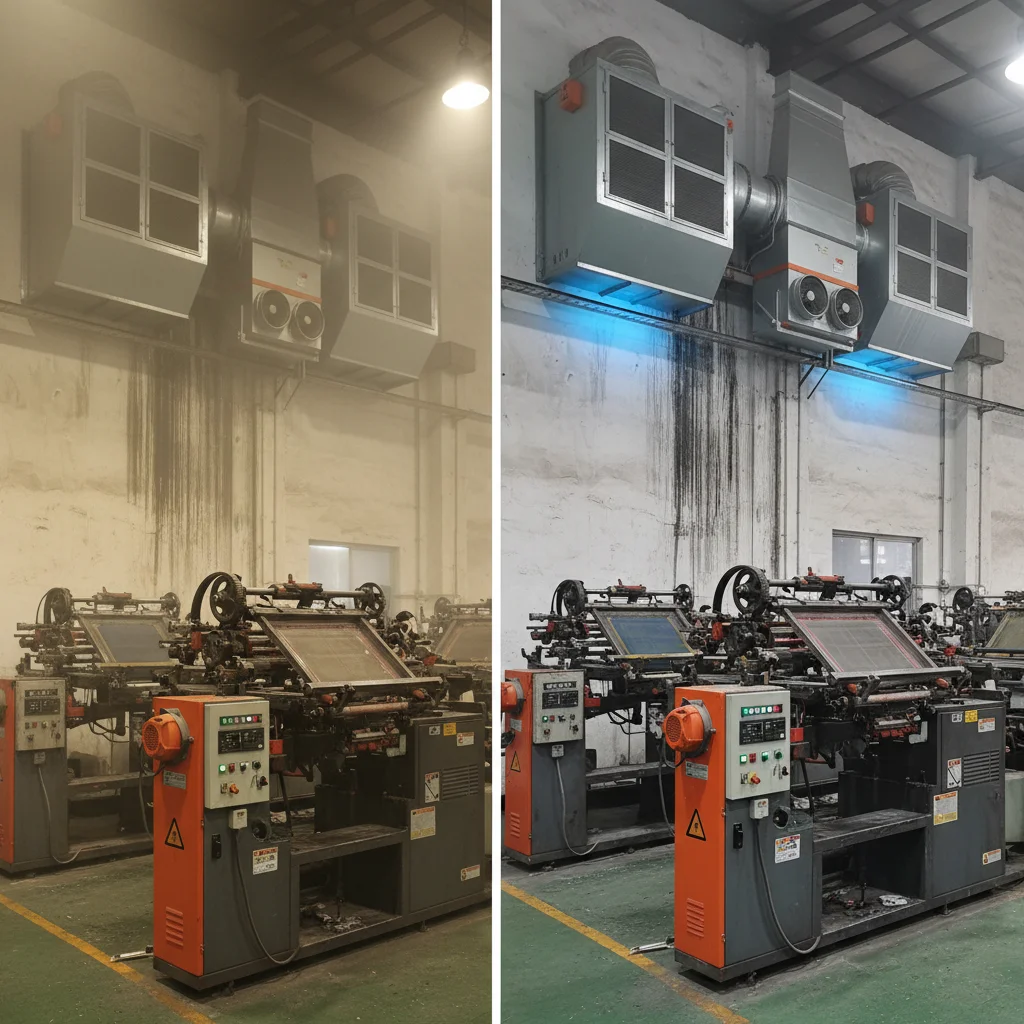
Industrial Wall Mounted Air Filtration for Clean Work Environments