
• Home
  • Global Service
  • Industrial mesh welding machine Solutions for Ethiopia’s Infrastructure

Industrial mesh welding machine Solutions for Ethiopia's Infrastructure

Empowering Ethiopian manufacturing with high-precision welding and weaving technology to drive sustainable industrialization and urban growth.

Industrial mesh welding machine Solutions for Ethiopia's Infrastructure

We provide Ethiopia with cutting-edge equipment designed for extreme durability, ensuring high-efficiency production of reinforced mesh and expanded metal for the East African market.

Current State of Wire Mesh Manufacturing in Ethiopia

Analyzing the intersection of Ethiopia's industrial growth and specialized machinery needs.

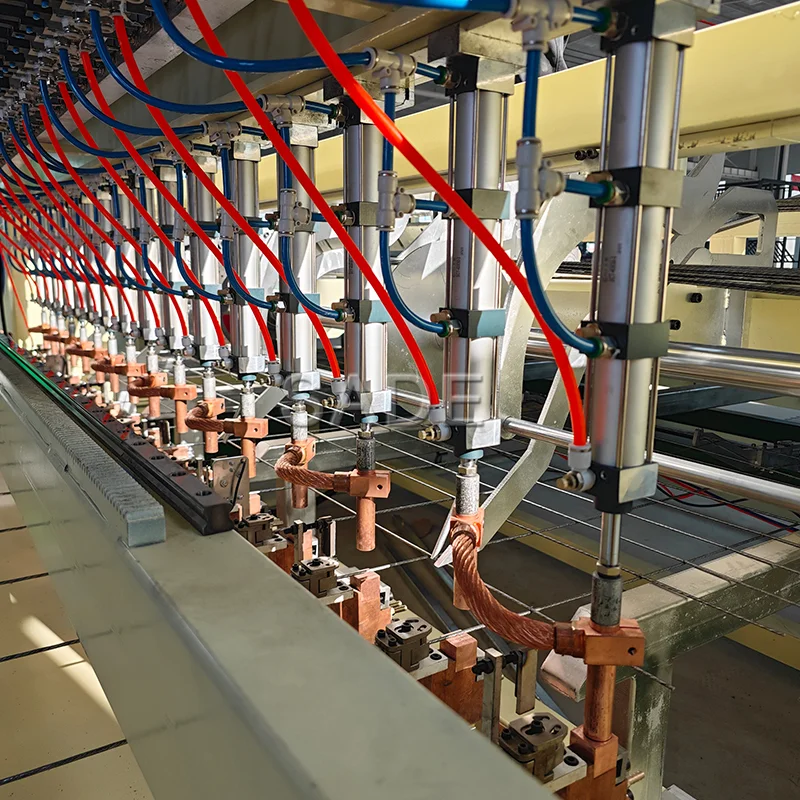
Ethiopia is currently experiencing a surge in construction and agricultural modernization. However, the local production of industrial mesh still relies heavily on semi-manual processes, creating a critical demand for an automated wire mesh welding machine to meet the standards of large-scale government housing and infrastructure projects.

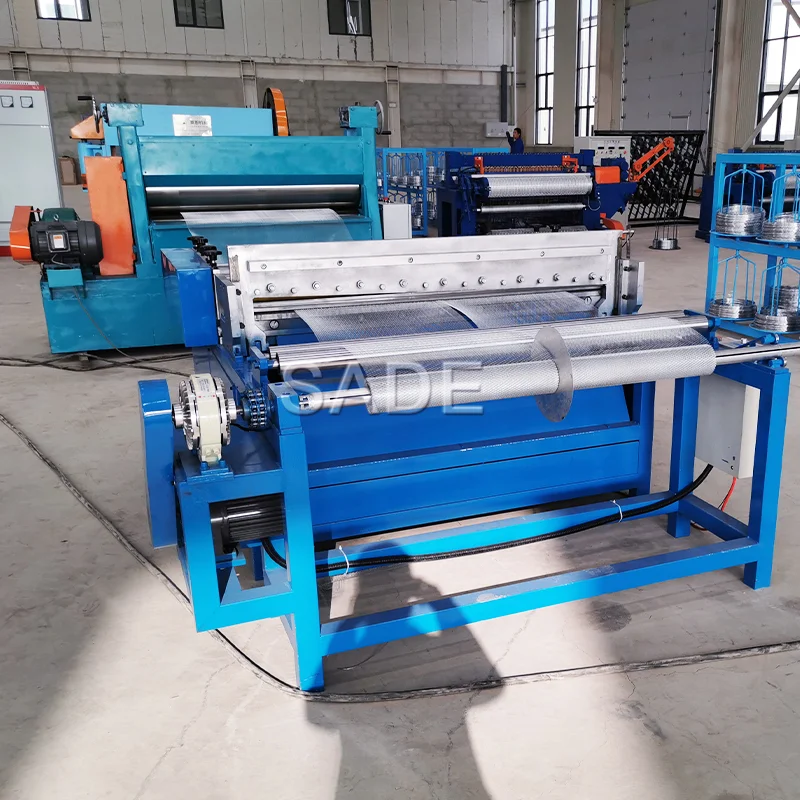
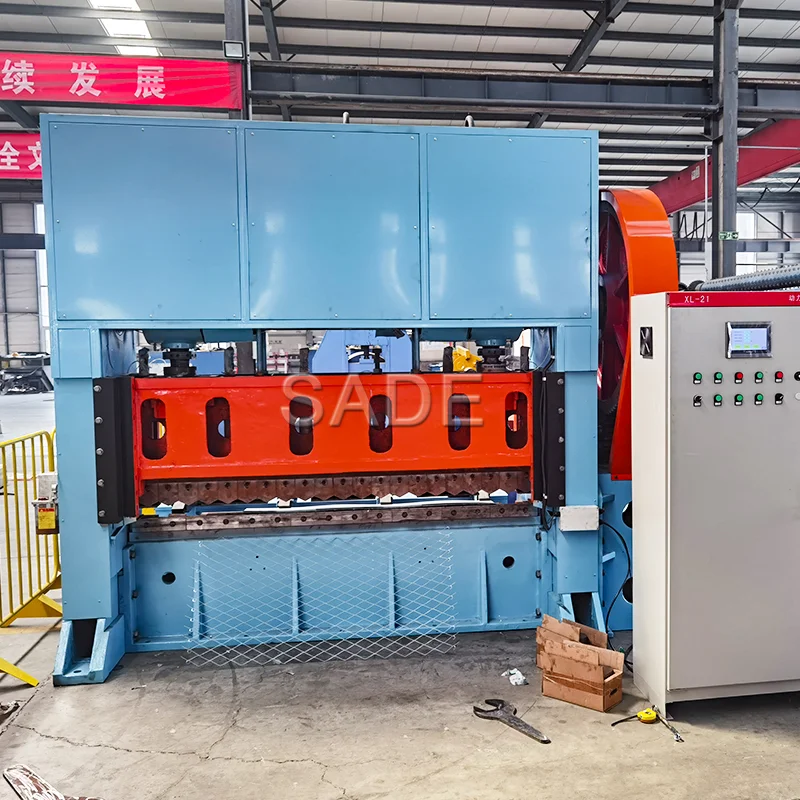
The geographical diversity of Ethiopia, from the highlands to the Rift Valley, requires materials that can withstand varied climatic stresses. This has led to an increased interest in the expanded metal press, as expanded metal offers superior strength-to-weight ratios and ventilation, essential for the local agricultural storage and livestock fencing sectors.

Economically, the "Homegrown Economic Reform" agenda is pushing Ethiopian factories toward self-sufficiency. Transitioning from importing finished mesh to investing in a high-capacity mesh welding machine allows local entrepreneurs to reduce forex dependency and lower the cost of building materials within the domestic market.
Technological Evolution of Mesh Production in East Africa

From manual craftsmanship to CNC-driven industrial automation.

Market Development History

Prior to 2010, mesh production in Ethiopia was predominantly artisanal, using basic manual bending tools and primitive spot welding. The output was limited to small-scale fences and simple screens, lacking the structural integrity required for industrial use.

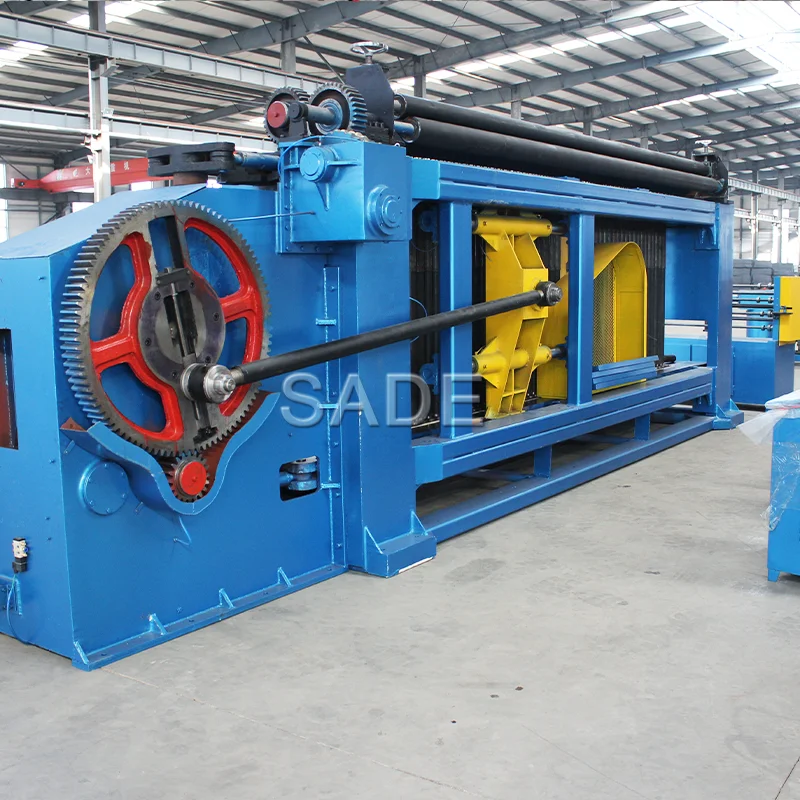
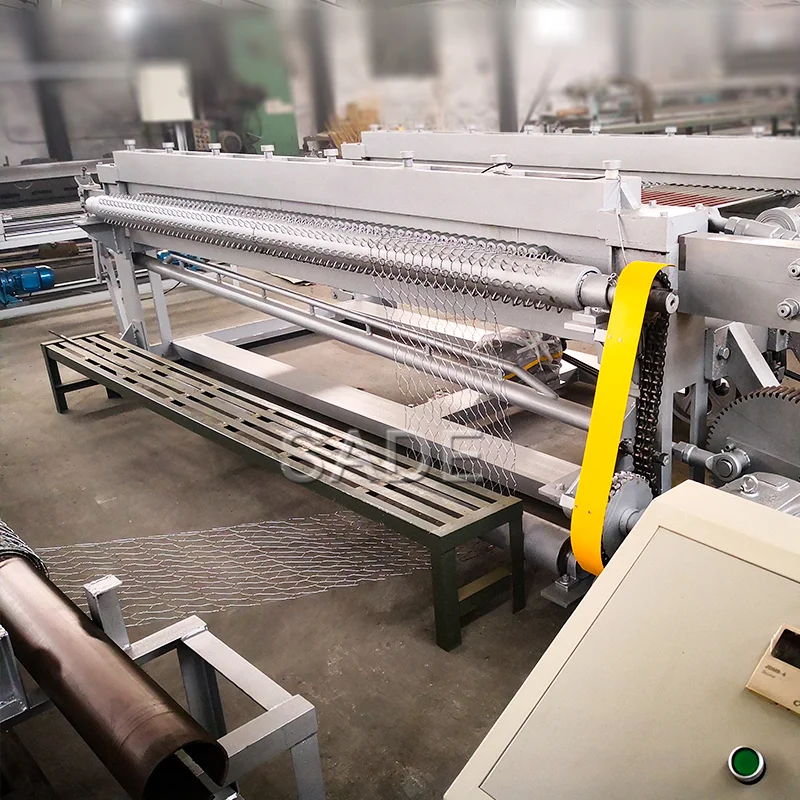
Between 2012 and 2020, the introduction of basic semi-automatic machinery marked the first wave of modernization. This period saw the first adoption of the wire mesh weaving machine, enabling the production of woven wire fabrics for industrial filtration and larger agricultural enclosures.

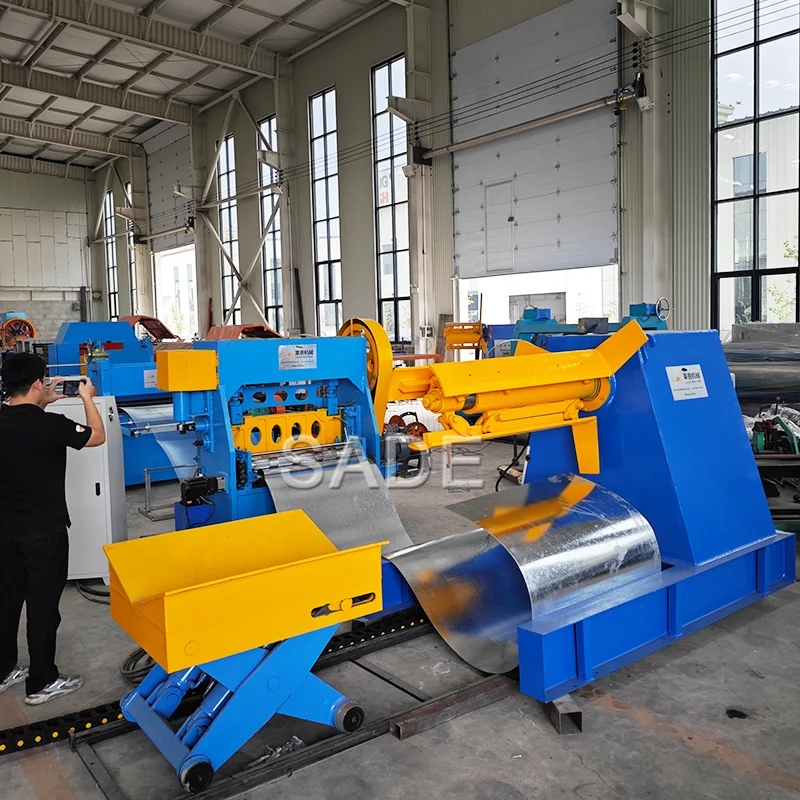
From 2021 to the present, there has been a decisive shift toward fully automated PLC-controlled systems. The integration of the bender expanded metal machine has allowed factories to produce precise, architectural-grade expanded metal, moving the industry from "basic utility" to "precision engineering."

Future Development Trends

Digital Integration and IoT

Within 3 years, we expect Ethiopian factories to integrate remote monitoring into their welding lines to reduce downtime in regions with limited technical support.

Sustainable Material Processing

There is a growing trend toward using recycled steel wire, necessitating machines that can handle varying material purity without sacrificing weld strength.

High-Speed Customization

Search trends indicate a shift toward "on-demand" mesh sizes, driving the need for programmable machines that can switch between different grid patterns rapidly.

Future Outlook of the Mesh Industry in Ethiopia

Strategic directions for the next 5 years of industrial capacity building.

Automation Upscaling
Rapid transition from manual to fully automatic CNC systems to increase output for urban expansion.
Energy Efficiency
Adoption of energy-saving inverter technology to counter local power fluctuations in industrial zones.
Material Diversification
Expanding beyond carbon steel to stainless and galvanized wire for corrosion-resistant infrastructure.
Localized Maintenance
Establishment of local service hubs to provide rapid spare parts for expanded metal machinery.

Industry Outlook

The Ethiopian machinery market is shifting toward "Smart Manufacturing." We anticipate that the adoption of high-precision welding systems will grow by 15% annually as the country invests in the Grand Ethiopian Renaissance Dam's surrounding infrastructure and new industrial parks.

Ultimately, the success of the industry will depend on the synergy between advanced hardware and local operator training, ensuring that the technology is utilized to its full potential for national development.

Localized Applications in Ethiopia

Real-world deployment of mesh machinery in the Ethiopian economic landscape.

01. Urban Housing Reinforcement

Using the mesh welding machine to produce heavy-duty steel reinforcement mesh for low-cost housing projects in Addis Ababa, ensuring structural stability and rapid construction.

02. Agricultural Perimeter Security

Implementing wire mesh weaving machine technology to create durable livestock enclosures and crop protection fences for farmers in the Oromia region.

03. Industrial Walkways & Gratings

Utilizing the expanded metal press to manufacture non-slip industrial floor gratings and safety walkways for Ethiopia's growing textile and leather factories.

04. Mining Screen Production

Applying high-tension welding and weaving processes to create heavy-duty screening mesh for the gold and potash mining operations in the western regions.

05. Architectural Facades

Deploying the bender expanded metal machine to create decorative yet secure metal screens for modern commercial buildings and hotels in the capital.

Brand Story

Global Development Journey of Hebei Sade Machinery Manufacturing Co., Ltd.

Foundational Engineering

Started with a vision to solve the instability of manual welding, focusing on the core mechanics of high-pressure wire bonding.

Technological Breakthrough

Pioneered the integration of PLC automation, reducing production waste and increasing mesh precision by 40%.

Global Expansion

Extended our reach to Africa and Southeast Asia, tailoring machinery to withstand diverse voltage and climate conditions.

Industry Standardization

Became a trusted partner for government infrastructure projects, setting the gold standard for mesh welding durability.

Sustainable Future

Now focusing on energy-efficient, low-emission machinery to support the global transition to green manufacturing.

Complete Product Portfolio for Ethiopia

A comprehensive range of machinery designed to cover every aspect of wire and metal mesh production.

Frequently Asked Questions in Ethiopia

Expert answers to common technical and logistical queries from the Ethiopian market.

How to choose the right wire mesh welding machine for construction mesh?

Consider the wire diameter and required mesh size. For construction, we recommend high-pressure CNC machines that ensure deep weld penetration for structural integrity.

Can a mesh welding machine handle galvanized wire without damage?

Yes, our machines use optimized current control to minimize zinc burnout, preserving the anti-corrosive properties of galvanized wire.

What is the advantage of an expanded metal press over weaving?

Expanded metal is created by slitting and stretching, meaning there are no welds to fail and the material is generally more rigid and lightweight.

How does the bender expanded metal machine improve production speed?

It automates the shaping process, allowing for consistent angles and dimensions that would take hours to achieve manually.

Is the wire mesh weaving machine suitable for small-scale workshops?

We offer compact models with simplified interfaces that provide industrial-grade results while fitting into smaller facility footprints.

What maintenance is required for industrial mesh machinery in dusty environments?

Regular cleaning of the cooling systems and lubrication of moving parts are critical to prevent wear and tear caused by industrial dust.

Ready to Scale Your Production?

Consult with our experts to find the perfect machinery configuration for your business in Ethiopia.

Contact Us Now