
• Home
  • Global Service
  • Industrial Mesh Welding Machine Solutions for Nigeria’s Infrastructure

Industrial Mesh Welding Machine Solutions for Nigeria's Infrastructure

Empowering Nigerian manufacturing with high-precision wire mesh technology to accelerate urban development and industrialization.

Industrial Mesh Welding Machine Solutions for Nigeria's Infrastructure

Providing state-of-the-art equipment for the Nigerian market, specializing in high-durability welding and weaving systems for construction and agricultural applications.

The State of Wire Mesh Manufacturing in Nigeria

Analyzing the intersection of Nigeria's industrial growth and specialized machinery requirements.

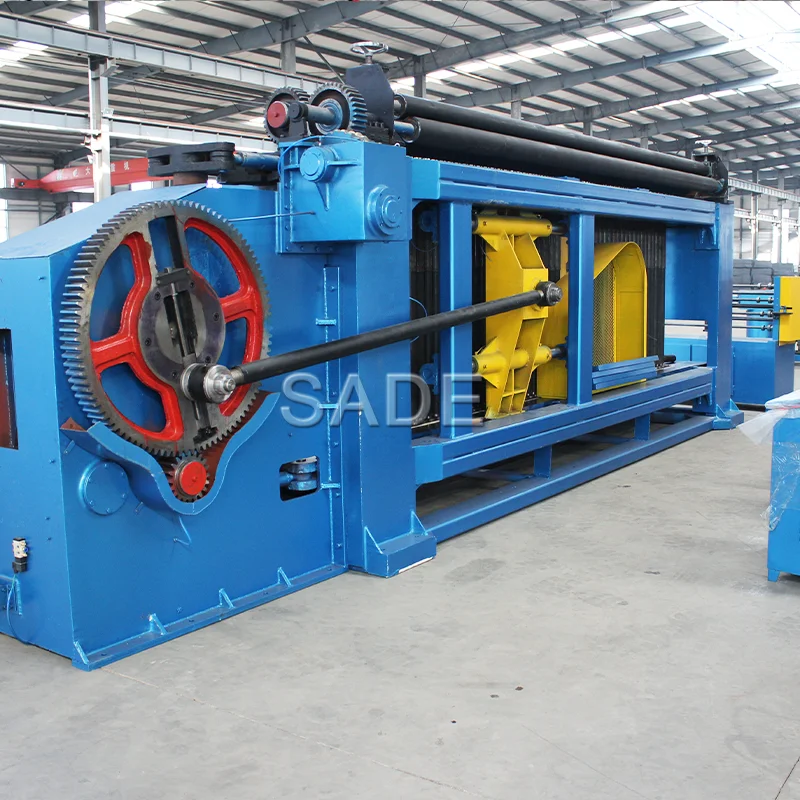
In Nigeria, the demand for construction reinforcement and agricultural fencing is surging. However, many local producers still rely on outdated manual processes or low-efficiency equipment. The harsh tropical climate and fluctuating power grids in regions like Lagos and Kano demand a wire mesh welding machine that is not only robust but also energy-efficient.

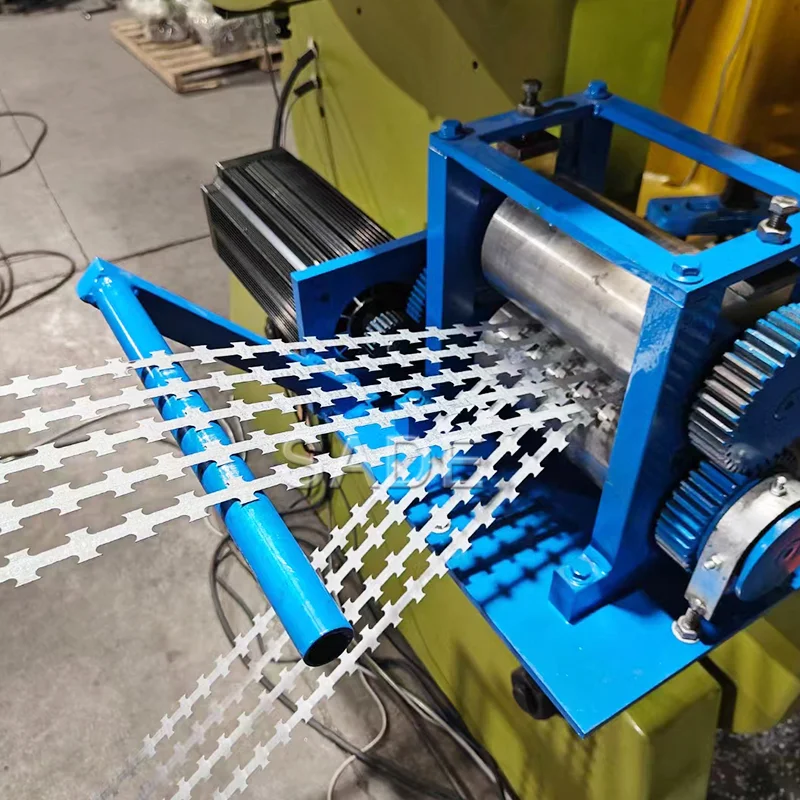
The market currently faces a gap between low-end artisanal production and high-end imported mesh. There is a critical need for an expanded metal press that can handle heavy-duty industrial materials for the growing oil and gas sector, providing durable grating and walkways.

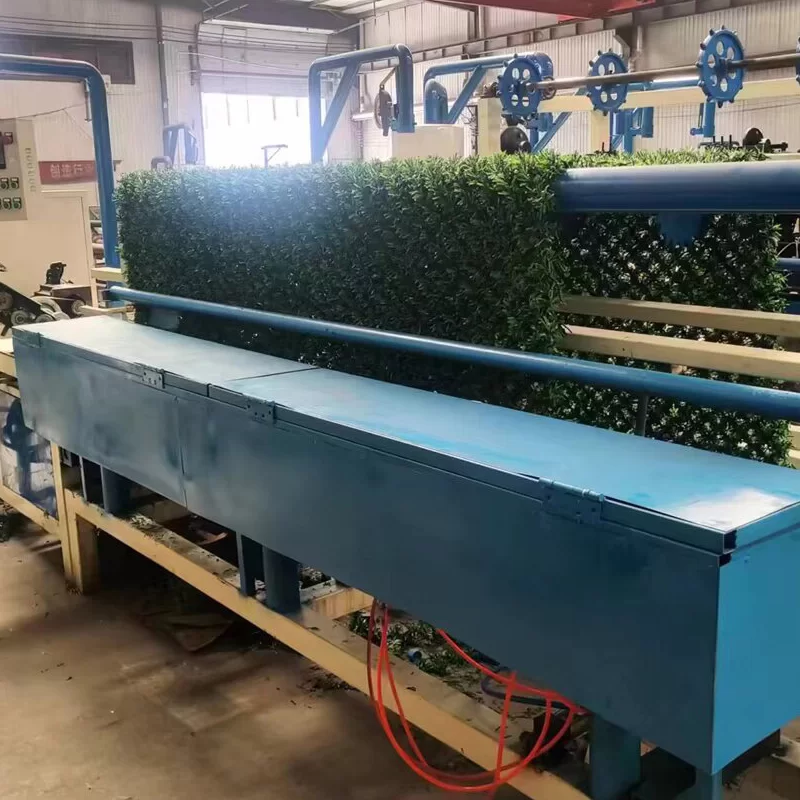
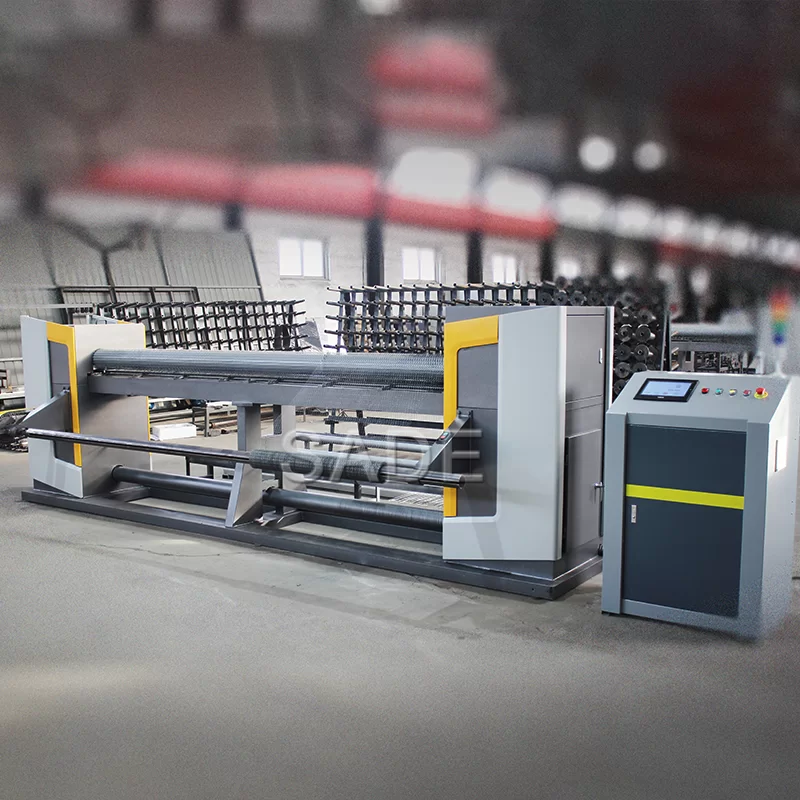
Moreover, the agricultural sector in Nigeria's middle belt is shifting toward modernized poultry and livestock housing, creating a massive surge in demand for precision-engineered products from a wire mesh weaving machine to ensure standardized aperture sizes and structural integrity.
Evolution and Trajectory of Mesh Technology

From manual weaving to automated CNC welding systems in the Nigerian industrial landscape.

Market Development History

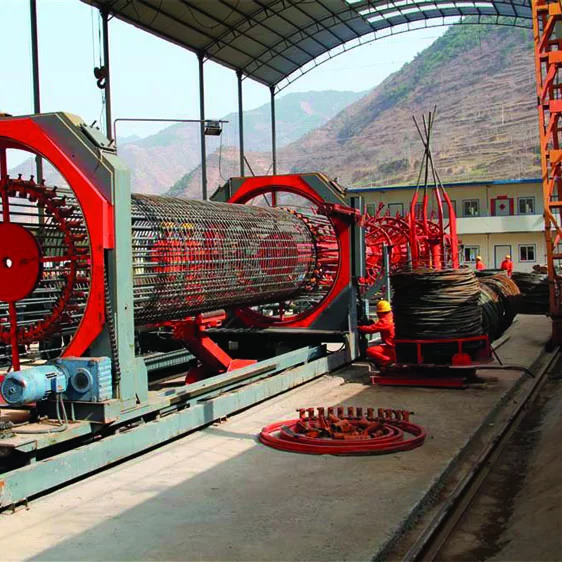
Prior to 2010, the Nigerian mesh market was dominated by manual weaving and basic spot welding. Production was slow, and quality consistency was low, limiting the ability of local firms to compete with imports in large-scale infrastructure projects.

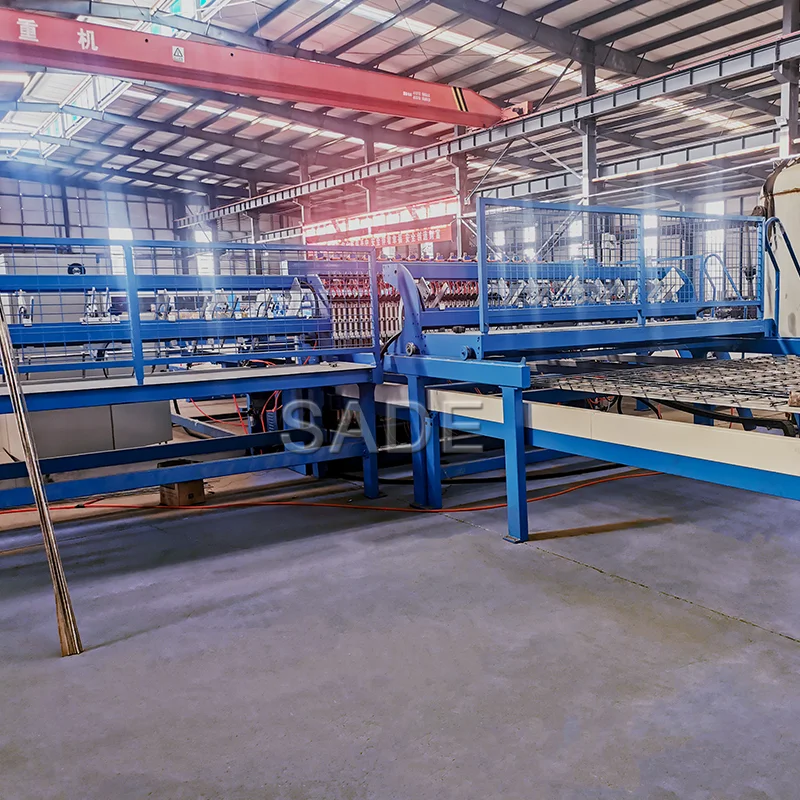
Between 2010 and 2020, the introduction of semi-automatic systems marked a turning point. The adoption of the first generation of mesh welding machine units allowed for faster production of reinforcement mesh for the booming real estate sector in Abuja and Lagos.

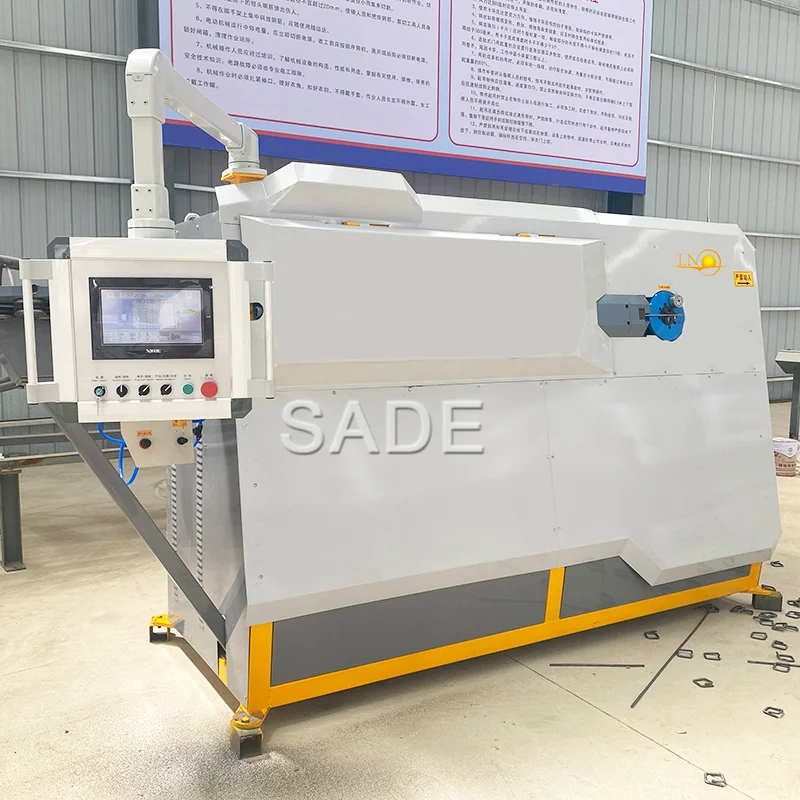
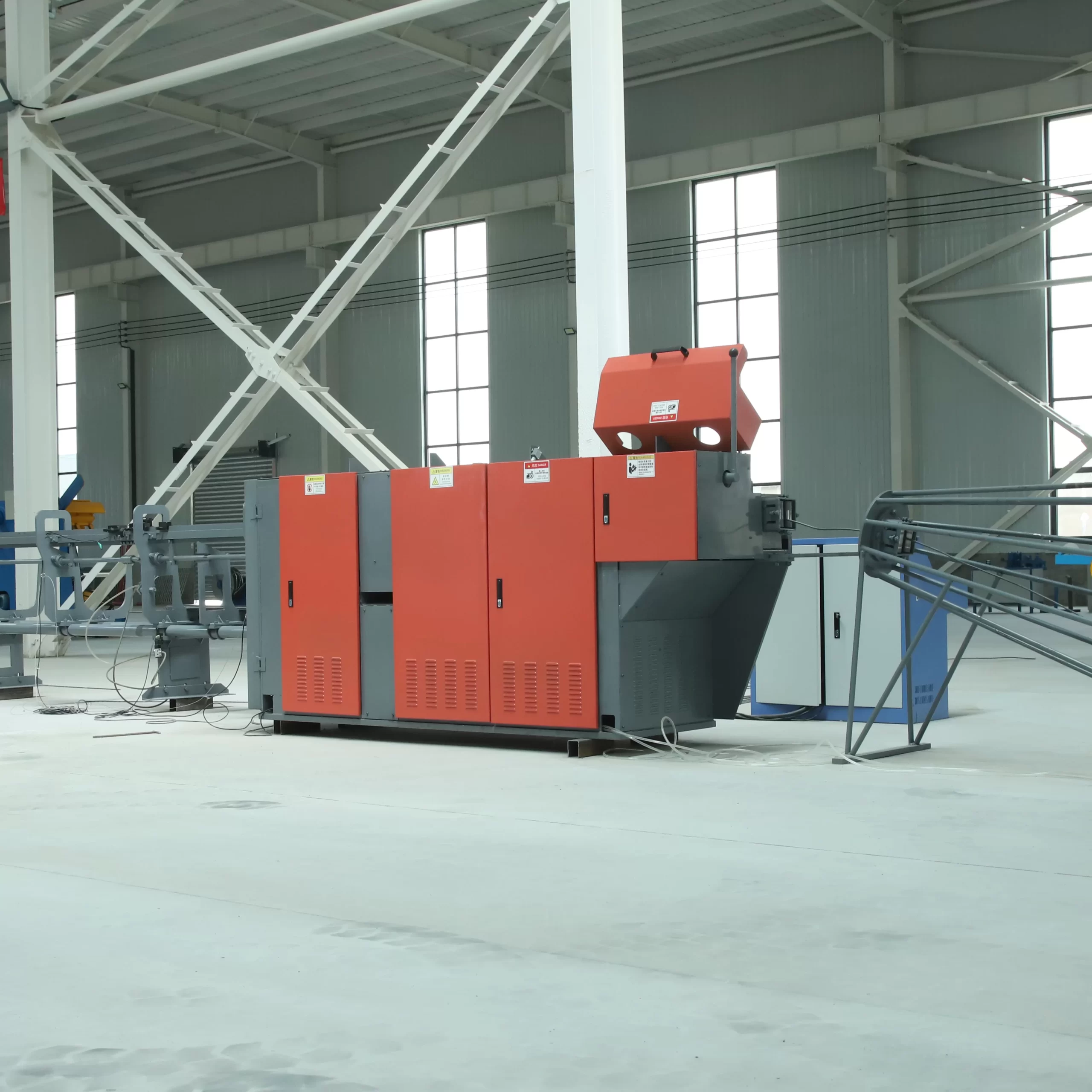
From 2020 to the present, there has been a rapid transition toward fully automated PLC-controlled systems. The integration of a bender expanded metal machine has enabled manufacturers to create complex 3D shapes and architectural screens, moving beyond simple flat panels.

Future Development Trends

Smart Automation Integration

Future adoption will focus on IoT-enabled monitoring to reduce downtime caused by power instability, ensuring continuous production cycles.

High-Strength Alloy Processing

There is a growing trend toward processing galvanized and stainless steel wires to combat the high corrosion rates found in Nigeria's coastal regions.

Energy-Efficient Inverter Technology

Shift toward inverter-based welding power sources to lower operational costs and align with global green manufacturing standards.

Industry Trends and Future Outlook

Strategic forecasting for the metal mesh equipment sector in West Africa.

CNC Precision Control
Transitioning from manual adjustments to software-driven precision to meet international ISO standards.
Modular Scalability
Implementing modular machine designs that allow Nigerian SMEs to expand capacity as their business grows.
Material Versatility
Expanding capabilities to process recycled metals to support Nigeria's sustainable manufacturing goals.
Rapid Deployment
Developing plug-and-play systems that minimize installation time in remote industrial zones.

Industry Outlook

Based on Google search trends for industrial machinery in West Africa, there is a significant increase in queries related to automated metal fabrication. This indicates a shift from importing finished mesh products to importing the means of production, signaling a move toward local value addition in Nigeria.

Over the next 3-5 years, the synergy between government infrastructure initiatives and high-efficiency machinery will likely lead to the establishment of specialized "mesh industrial parks," focusing on standardized production for the Pan-African market.

Localized Application Scenarios in Nigeria

Practical implementations of our machinery across diverse Nigerian sectors.

01. Urban Housing Reinforcement

Utilizing high-speed welding systems to produce prefabricated reinforcement mesh for the high-rise apartments in Lagos, ensuring earthquake resistance and structural longevity.

02. Agricultural Perimeter Fencing

Implementing specialized weaving technology to create heavy-duty livestock cages and farm boundaries in the Kaduna and Benue regions to protect crops and animals.

03. Industrial Oil & Gas Flooring

Using an expanded metal press to manufacture anti-slip walkways and drainage covers for refineries in Port Harcourt.

04. Mining Sieve Production

Creating high-precision screening mesh for the solid mineral mining operations in the north, ensuring efficient ore sorting and grading.

05. Architectural Decorative Screens

Applying the bender expanded metal machine to produce aesthetic facade panels for modern commercial complexes in Abuja.

Brand Story

Global Development History of Hebei Sade Machinery Manufacturing Co., Ltd.

Foundational Engineering

Established with a vision to solve the inefficiency of manual mesh production, focusing on early-stage mechanical welding innovations.

Technological Breakthrough

Integrated PLC automation into our core product line, drastically reducing waste and increasing production speeds for global clients.

Global Market Expansion

Extended our footprint into the African market, adapting our machines to withstand diverse climates and power conditions.

Quality Standardization

Achieved international certifications, ensuring that every machine delivered meets the most stringent safety and precision requirements.

Sustainable Future

Now leading the industry in energy-saving welding technology, committed to helping manufacturers worldwide reduce their carbon footprint.

Comprehensive Machinery Portfolio for the Nigerian Market

A full suite of equipment designed to take your production from raw wire to finished industrial mesh.

Common Questions from Nigerian Manufacturers

Expert answers to the most pressing technical and operational concerns in the region.

How to maintain a wire mesh welding machine in dusty environments like Northern Nigeria?

We recommend installing industrial dust filters and performing weekly pneumatic cleaning of the PLC cabinets and welding electrodes to prevent overheating and electrical shorts.

Can a mesh welding machine handle fluctuating power voltages common in some Nigerian industrial zones?

Yes, we strongly suggest pairing our machines with a high-capacity industrial voltage stabilizer (AVR) to protect the electronic components from surges and brownouts.

What is the optimal wire gauge for a bender expanded metal machine in construction applications?

Depending on the application, we typically recommend gauge ranges from 2mm to 6mm for industrial walkways, though our machines can be customized for heavier gauges.

Is the expanded metal press suitable for processing galvanized steel?

Absolutely. Our presses are designed with high-torque motors and hardened dies that can easily process galvanized and stainless steel without compromising the coating.

How long is the typical lead time for a wire mesh weaving machine delivered to Lagos?

Standard production takes 15-30 days, with shipping to Apapa or Tin Can Island port taking approximately 35-45 days depending on the carrier.

Do you provide remote technical support for mesh welding machine operators in Nigeria?

Yes, we provide comprehensive video training and real-time remote diagnostic support to ensure your production line remains operational.

Start Your Industrial Transformation

Ready to upgrade your production capacity? Our experts are ready to help you select the perfect machinery for your operations in Nigeria.

Contact Us Now