
• Home
  • Global Service
  • Industrial mesh welding machine Solutions for Myanmar’s Infrastructure

Industrial mesh welding machine Solutions for Myanmar's Infrastructure

Empowering Myanmar's construction and industrial sectors with high-precision welding and weaving technology to accelerate urban development and agricultural modernization.

Industrial mesh welding machine Solutions for Myanmar's Infrastructure

We provide advanced automated machinery designed to meet the rigorous demands of the Myanmar market, ensuring durability, efficiency, and precision in every weld.

The Landscape of Mesh Production in Myanmar

Analyzing the current adoption of metal mesh technology across the Golden Land.

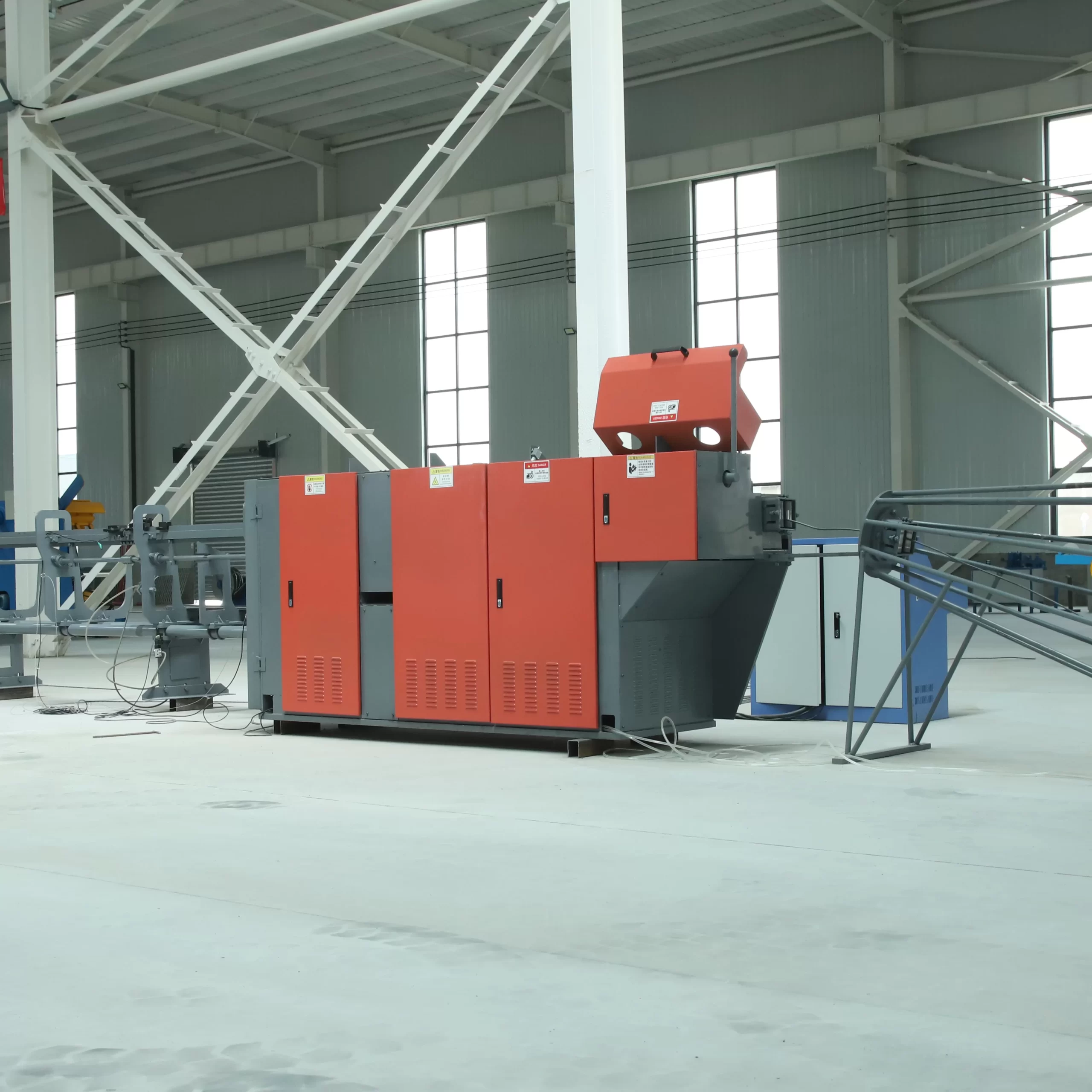
Myanmar's manufacturing sector is currently undergoing a transition from manual craftsmanship to semi-automated production. In regions like Yangon and Mandalay, the demand for reinforced concrete mesh has surged due to increased urban housing projects, making the wire mesh welding machine a critical asset for local fabrication shops.

The local climate, characterized by high humidity and seasonal monsoon rains, demands materials with superior corrosion resistance. Consequently, there is a growing shift toward galvanized mesh produced by a high-quality mesh welding machine to ensure the longevity of infrastructure in coastal and rural areas.

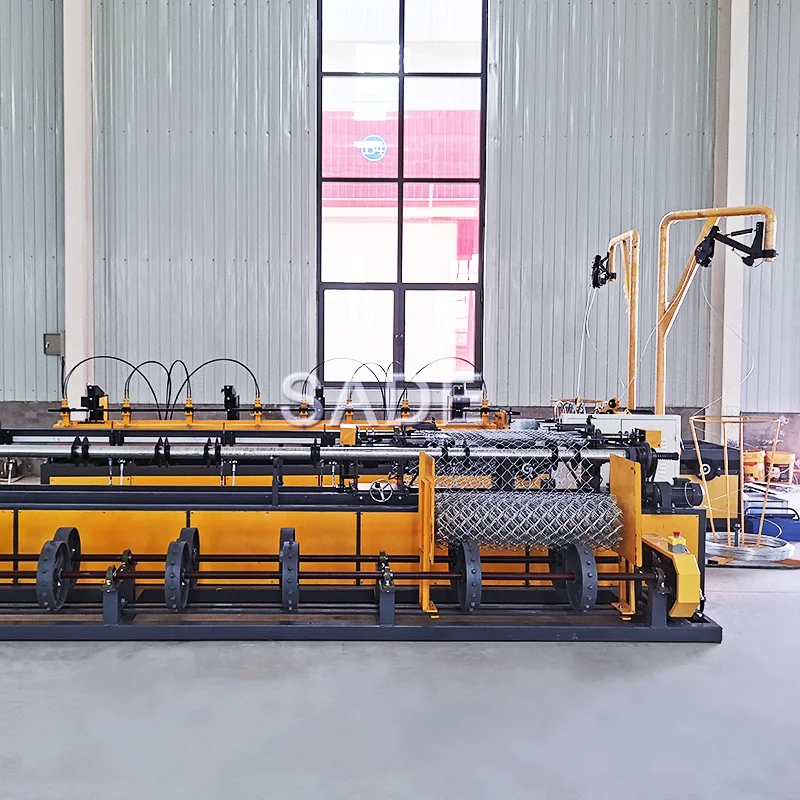
Despite the growth, many local workshops still rely on outdated equipment that suffers from high energy consumption and inconsistent weld strength. The integration of modern wire mesh weaving machine technology is becoming essential to compete with imported mesh products and reduce production costs.
Evolution of Wire Mesh Technology in Asia

From manual weaving to intelligent automated fabrication.

Market Development History

Prior to 2010, the Myanmar market relied heavily on manual weaving and basic spot welding. Production was slow, and the precision of mesh openings was often inconsistent, limiting their use to simple agricultural fencing.

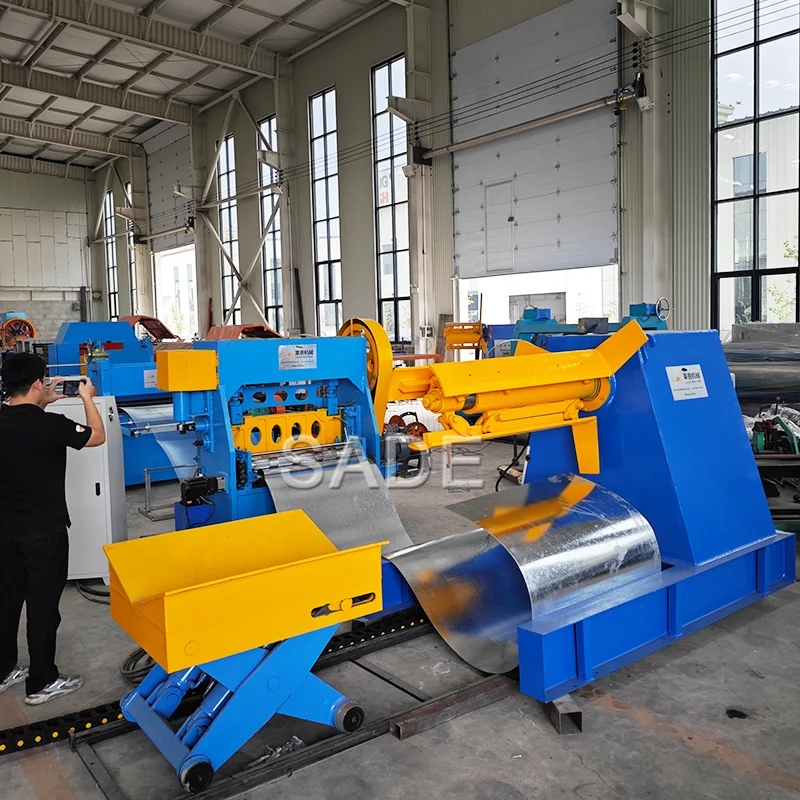
Between 2012 and 2020, the introduction of semi-automatic expanded metal press systems allowed for the creation of industrial gratings and walkways, supporting the expansion of the mining and oil sectors in the region.

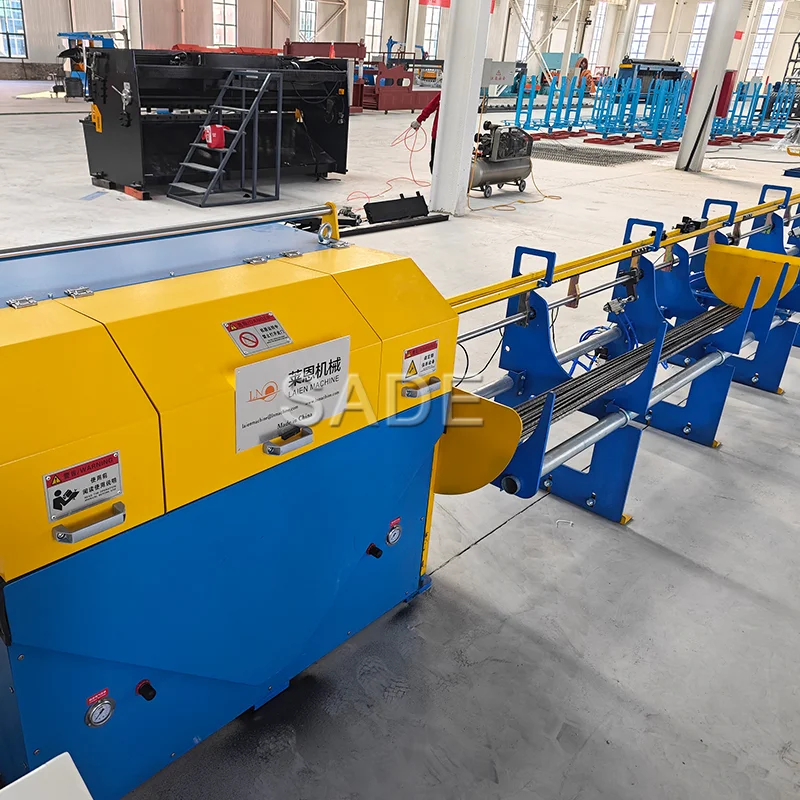
From 2021 to the present, we have seen a leap toward PLC-controlled automation. The adoption of the bender expanded metal machine has enabled local manufacturers to produce complex 3D shapes and high-strength expanded metals for modern architectural facades.

Future Development Trends

IoT-Integrated Production

Expect a shift toward smart factories where welding parameters are monitored in real-time to reduce material waste and energy overheads.

High-Strength Alloy Processing

As infrastructure projects grow in scale, there will be a higher demand for machines capable of processing high-tensile steel and specialized alloys.

Eco-Friendly Manufacturing

Future trends indicate a move toward low-emission welding processes and energy-efficient motors to comply with evolving environmental standards in Asia.

Industry Trends & Future Outlook

Strategic technological shifts driving the next decade of mesh manufacturing.

Precision Automation
Integration of servo-driven systems for micron-level accuracy in wire spacing and weld placement.
Energy Efficiency
New inverter technology reducing electricity costs by 30% for high-capacity industrial plants.
Material Diversification
Expanding capabilities to handle carbon steel, stainless steel, and composite alloys effortlessly.
Customized Tooling
Rapid prototyping of molds for unique expanded metal patterns requested by architects.

Industry Outlook

The convergence of infrastructure investment and technological maturity suggests that Myanmar will become a hub for regional mesh exports. The demand for automated production will grow as labor costs rise and the need for standardization increases.

We predict that within 5 years, the majority of industrial mesh production in the region will move toward fully autonomous systems, reducing human error and significantly increasing the output per square meter of factory space.

Localized Applications in Myanmar

Real-world implementation of our machinery in diverse Myanmar industries.

01. Urban Housing & Concrete Reinforcement

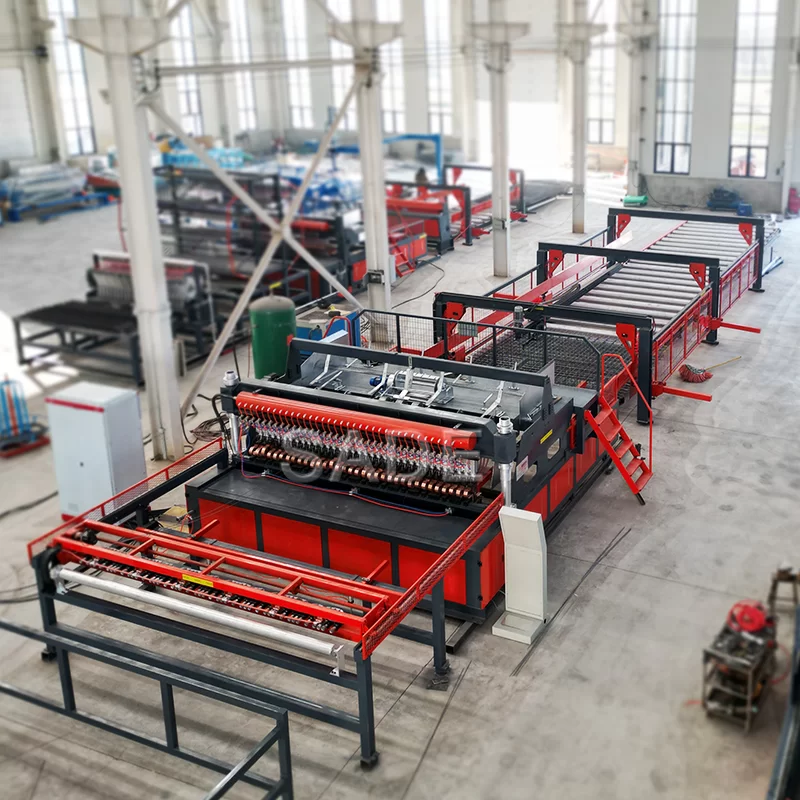
Using the mesh welding machine to produce high-strength steel mesh for slab and wall reinforcement in Yangon's rapid condominium developments.

02. Agricultural Perimeter Fencing

Implementing the wire mesh weaving machine to create durable, cost-effective fencing for livestock and crop protection in rural farming zones.

03. Mining Site Safety Gratings

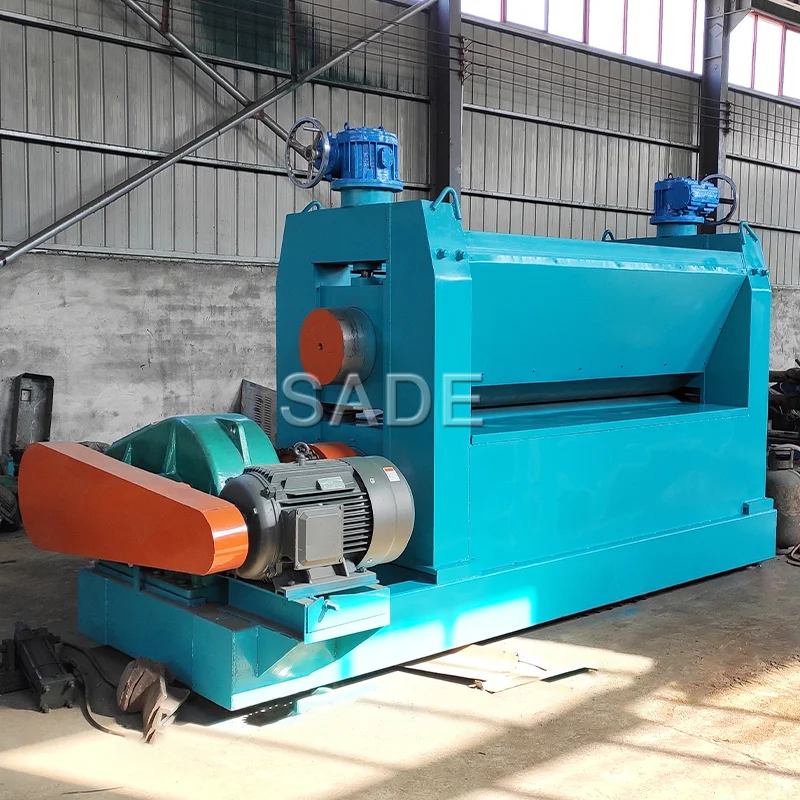
Utilizing the expanded metal press to manufacture slip-resistant walkways and drainage covers for mining operations in the Shan State.

04. Industrial Ventilation & Filters

Deploying precise weaving technology to produce specialized filters and ventilation screens for the emerging garment and textile factories.

05. Architectural Facades & Interior Design

Using the bender expanded metal machine to create aesthetic metal skins and decorative partitions for luxury hotels and commercial centers.

Brand Story

Global Development Journey of Hebei Sade Machinery Co., Ltd.

Foundational Excellence

Established as a specialist in metal forming, focusing on the core mechanics of wire welding and mesh stability.

Technological Breakthrough

Developed advanced PLC control systems that revolutionized the speed and precision of industrial welding machines.

Market Expansion

Successfully entered the Southeast Asian market, providing localized support and customized machinery for developing economies.

Quality Certification

Achieved international quality standards, ensuring that every machine exported meets rigorous safety and durability benchmarks.

Global Vision

Committed to solving the efficiency pain points of the global metal mesh industry through continuous R&D and sustainable engineering.

Complete Product Portfolio for Myanmar

Comprehensive machinery solutions tailored for local industrial requirements.

Common Questions for Myanmar Clients

Expert answers to the most frequent technical and commercial inquiries.

How to choose the right wire mesh welding machine for construction projects in Myanmar?

Consider the required wire diameter and mesh spacing. For heavy-duty concrete reinforcement, we recommend our high-capacity automatic welding series that ensures structural integrity and rapid output.

What is the difference between a bender expanded metal machine and a standard press?

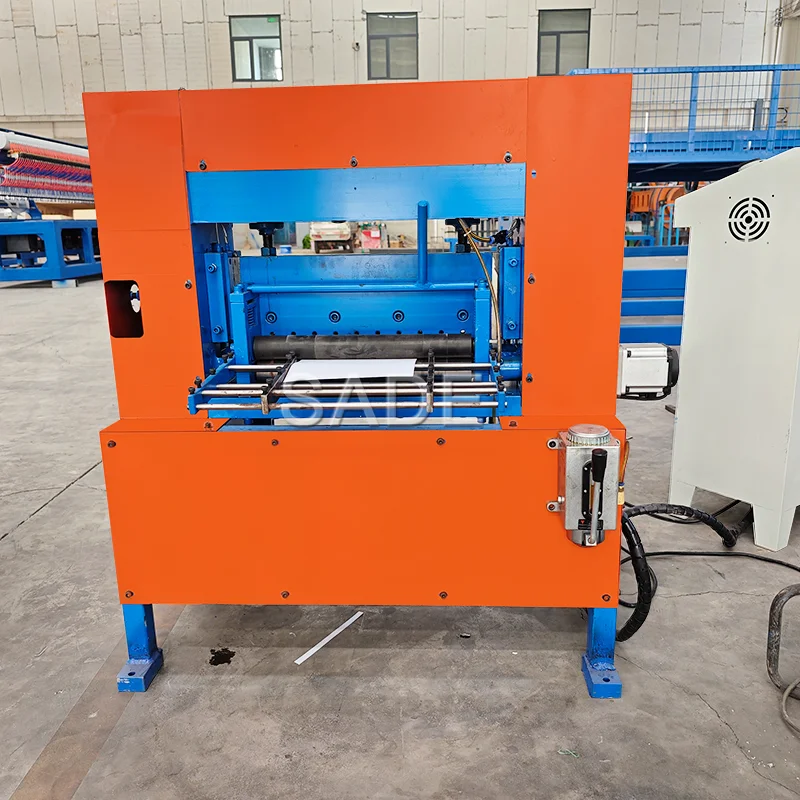
A standard expanded metal press creates the mesh pattern, while the bender expanded metal machine allows you to shape that mesh into specific angles or curves for architectural and industrial use.

Can a wire mesh weaving machine handle stainless steel wire for corrosive environments?

Yes, our weaving machines are designed with reinforced components and adjustable tension systems specifically to handle the hardness and properties of stainless steel.

What maintenance is required for a mesh welding machine in high-humidity areas?

Regular lubrication of moving parts and cleaning of the welding electrodes are essential. We recommend using moisture-resistant electrical enclosures for operations in coastal regions.

How long does it take to train operators on an expanded metal press?

Our machines feature intuitive interfaces. Typical operator training takes 3-5 days, covering safety protocols, material loading, and pattern adjustment.

Do you provide custom molds for specialized mesh patterns?

Yes, we offer fully customized tooling and mold design to ensure the final product meets your exact technical specifications for any specific application.

Request Your Technical Consultation

Our engineers are ready to help you optimize your production line in Myanmar. Contact us today for a customized machinery quote.

Contact Us Now