
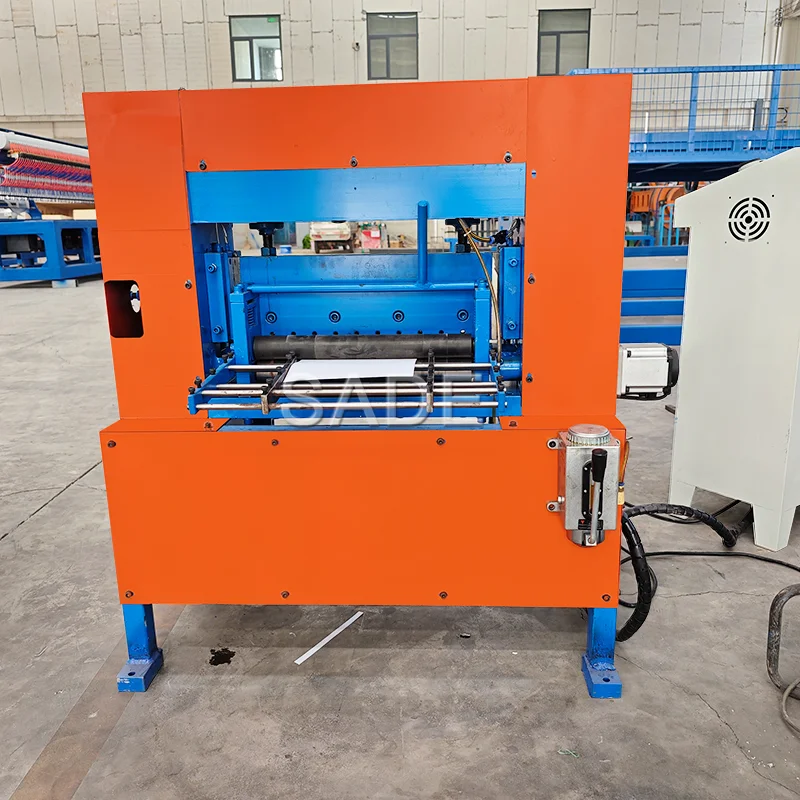
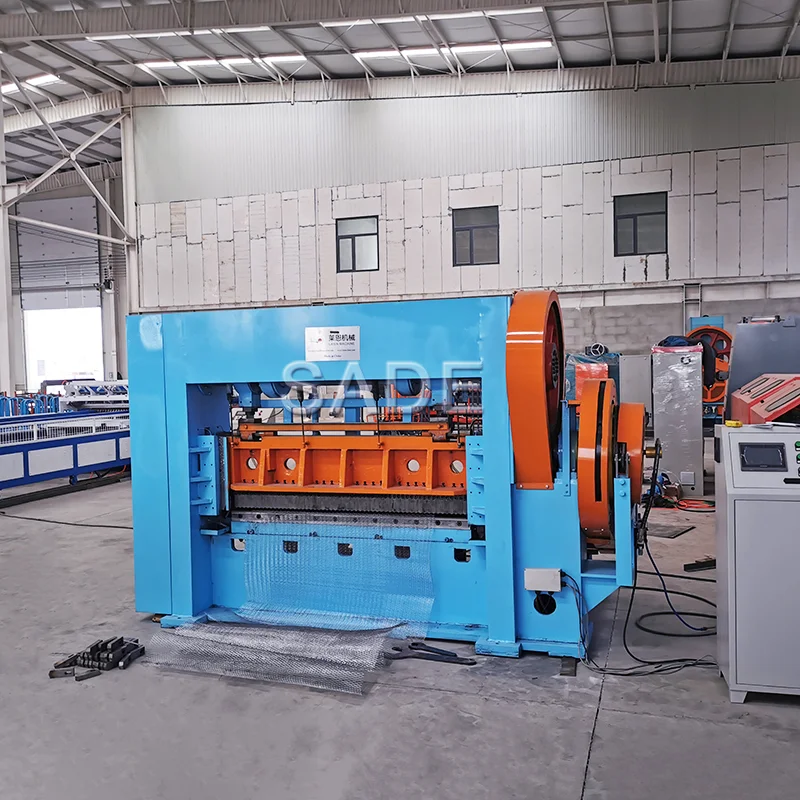
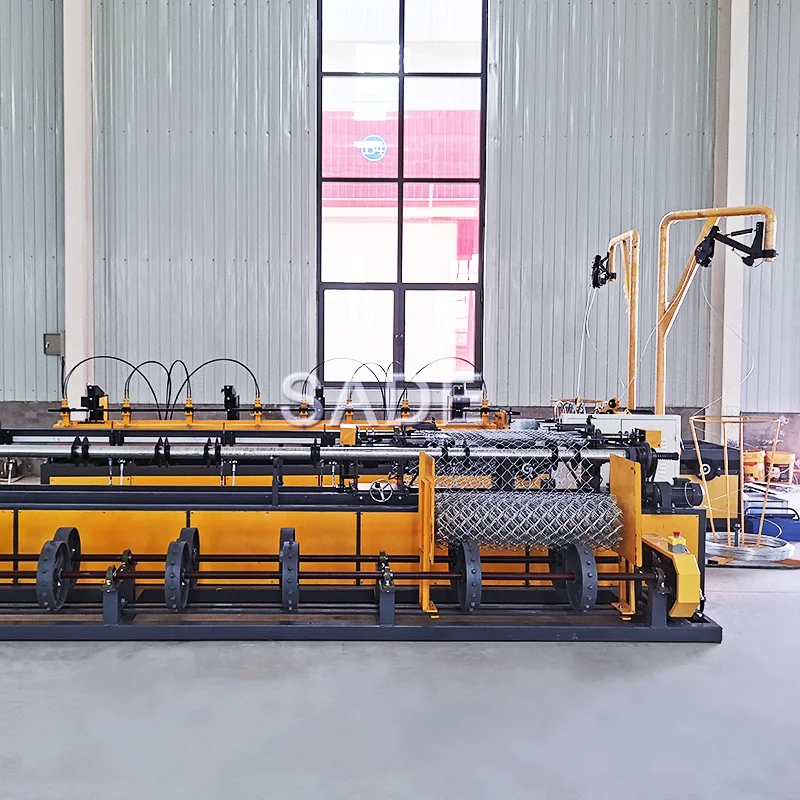
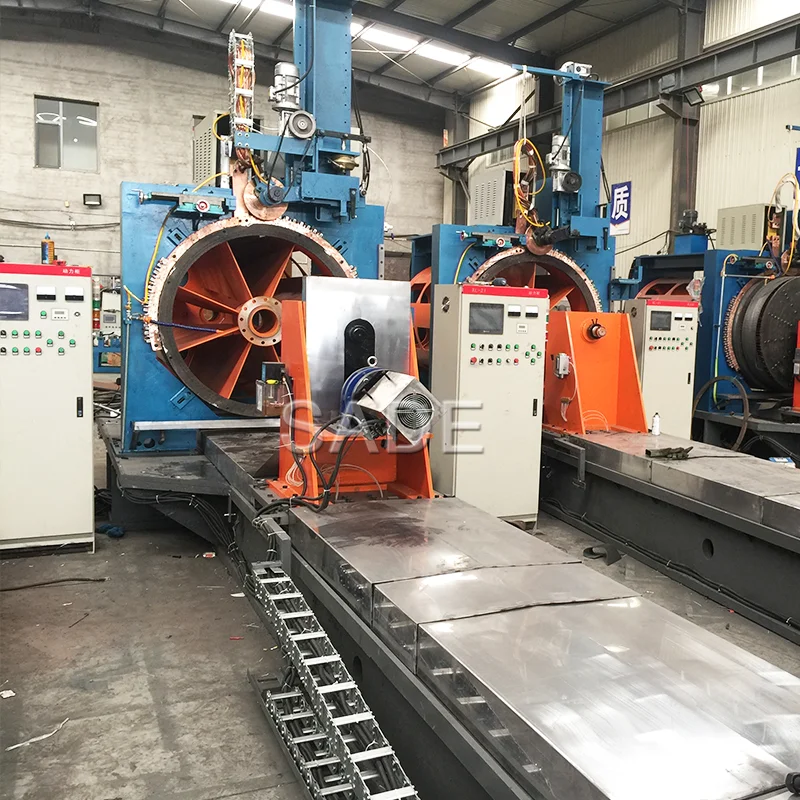
Poland's manufacturing sector, particularly in regions like Silesia, maintains a strong tradition of metallurgy. However, the current reliance on legacy wire mesh weaving machine technology often leads to bottlenecks in productivity and higher energy consumption, which is a critical concern given the rising electricity costs in Central Europe.
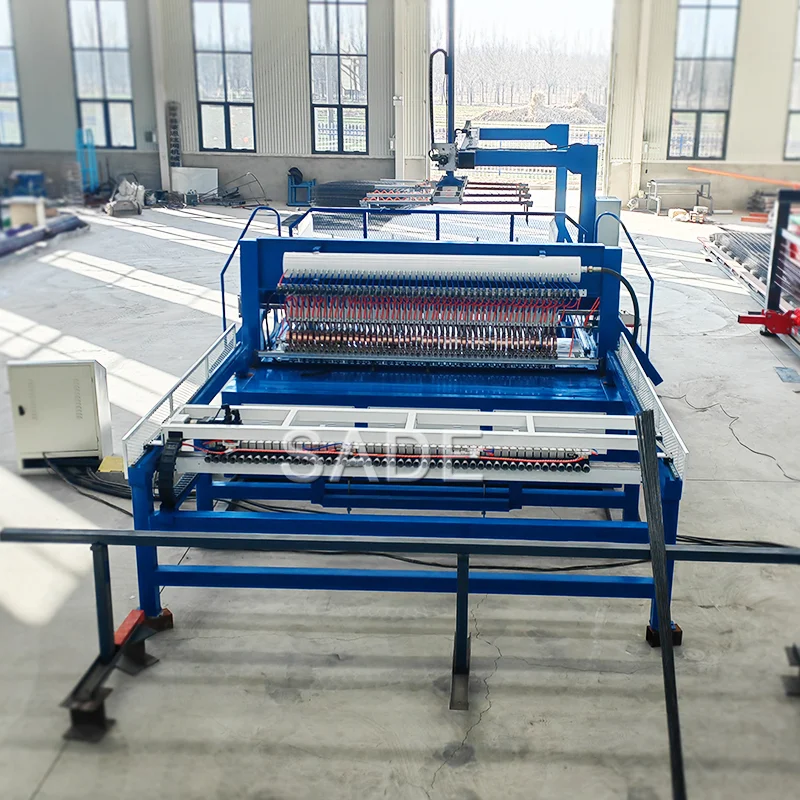
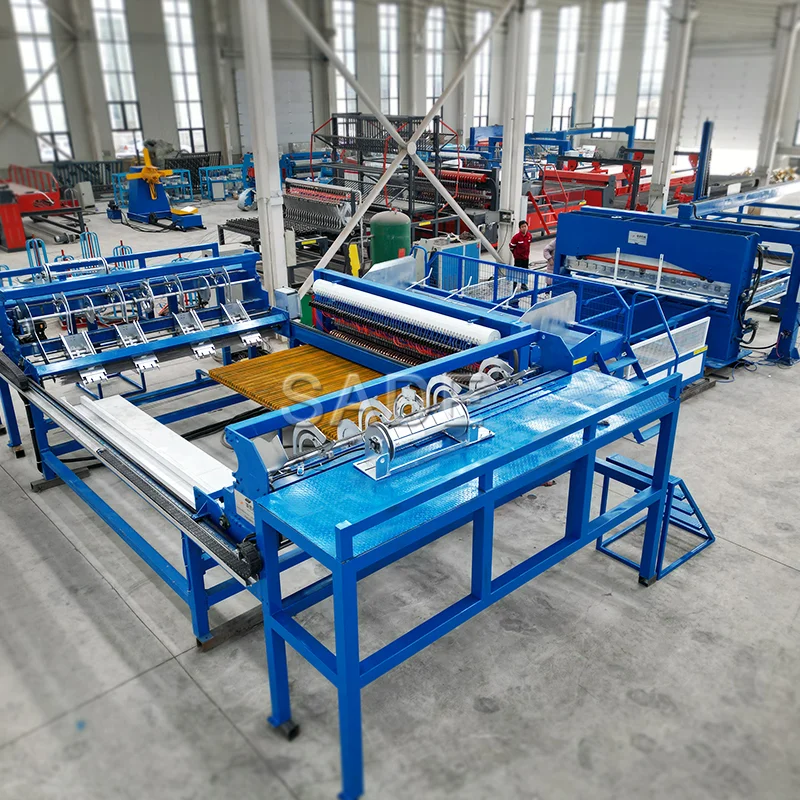
The demand for precision-engineered fencing and industrial filtering is surging. Polish factories are increasingly transitioning toward automated mesh welding machine systems to meet the rigorous quality standards required for EU-wide exports, moving away from manual spot-welding processes.
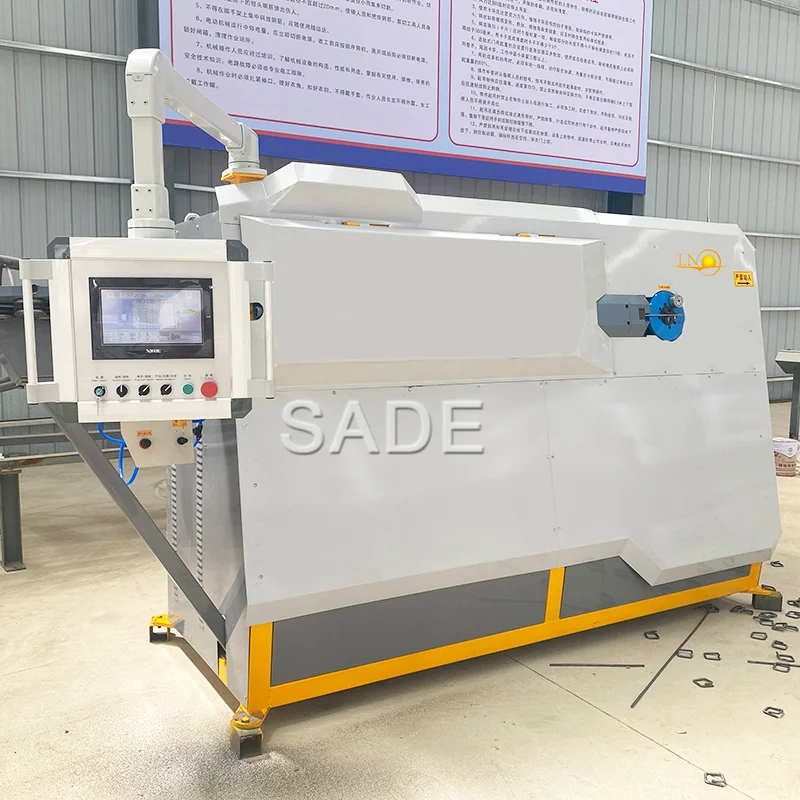
Economic shifts toward green energy and infrastructure modernization in Poland have created a void for high-performance equipment. There is a significant gap between the available traditional presses and the need for an intelligent bender expanded metal machine capable of handling high-tensile alloys used in modern Polish architecture.