
• Home
  • Global Service
  • Industrial Mesh Solutions for Ecuador Advanced mesh welding machine Technology

Industrial Mesh Solutions for Ecuador: Advanced mesh welding machine Technology

Empowering Ecuador's infrastructure and industrial growth with high-precision metal fabric machinery designed for durability and efficiency.

Industrial Mesh Solutions for Ecuador: Advanced mesh welding machine Technology

Providing the Ecuadorian manufacturing sector with state-of-the-art equipment for wire mesh and expanded metal production, ensuring compliance with international quality standards.

The State of Mesh Manufacturing in Ecuador

Analyzing the intersection of industrial demand and geological challenges in the Andean region.

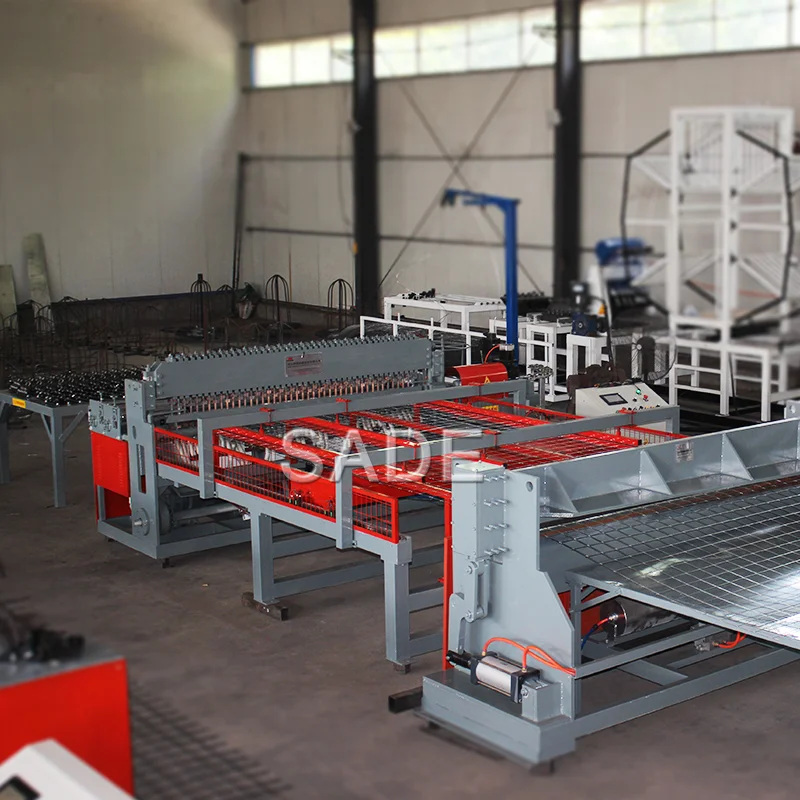
In Ecuador, the manufacturing landscape is heavily influenced by the construction and agricultural sectors. The demand for a reliable wire mesh welding machine has surged as the country invests in reinforced concrete structures and aquaculture fencing to protect shrimp farms along the coast.

Geographically, the diverse climate—from the humid coast to the high altitudes of the Andes—requires machinery that can withstand varying environmental stressors. Many local workshops still rely on semi-automatic processes, creating a significant market gap for fully automated expanded metal press systems that increase output and reduce labor costs.

Furthermore, the economic shift toward diversifying exports has led to an increased need for precision metal components. This has positioned the adoption of high-performance wire mesh weaving machine technology as a critical step for Ecuadorian firms aiming to compete in the global export market.
Evolution and Trajectory of Mesh Production

From manual weaving to intelligent automation in the Ecuadorian industrial sector.

Market Development History

Between 1990 and 2010, mesh production in Ecuador was dominated by manual labor and basic mechanical looms. Production was localized, focusing primarily on simple garden fencing and basic architectural grills using primitive weaving methods.

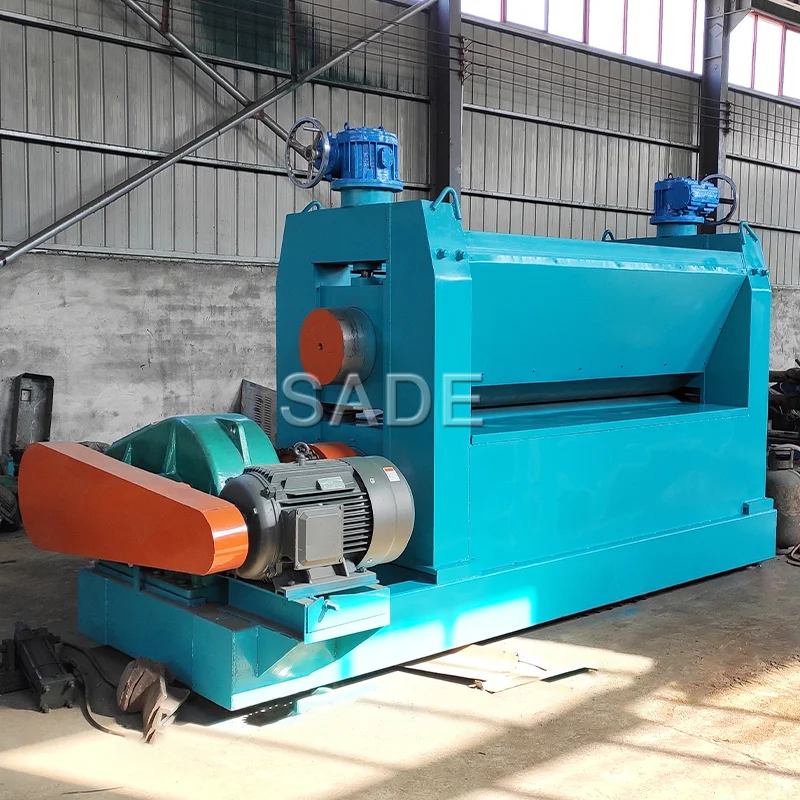
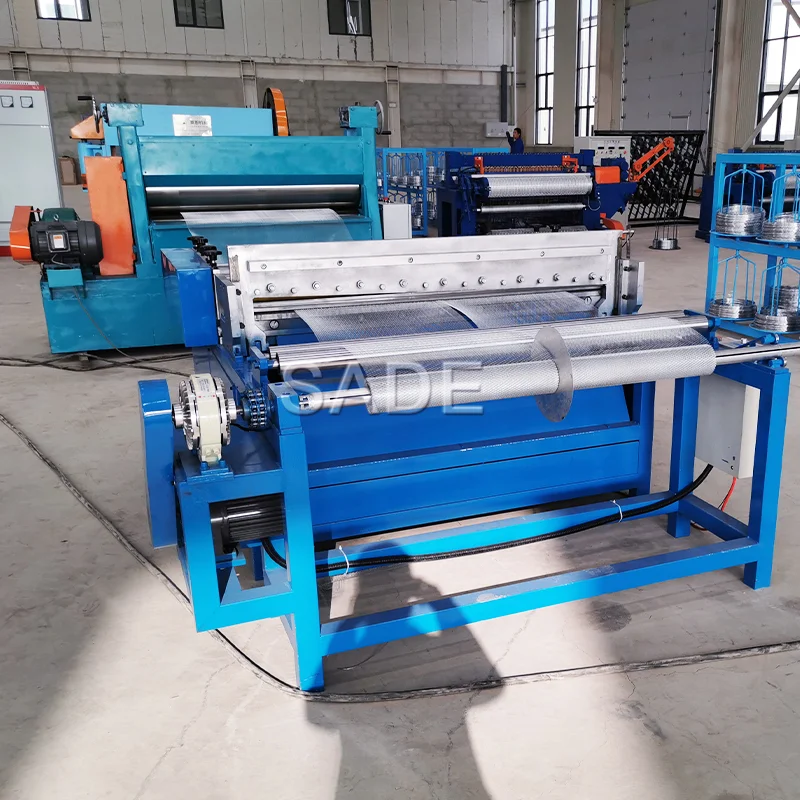
From 2011 to 2020, the industry witnessed the introduction of semi-automatic welding equipment. The shift toward using a dedicated bender expanded metal machine allowed local manufacturers to create more complex geometric patterns for industrial flooring and facades.

Since 2021, the integration of PLC (Programmable Logic Controller) systems has revolutionized the field. Today, the transition toward high-speed, CNC-controlled machinery has reduced material waste by 15% and significantly increased the structural integrity of welded mesh products.

Future Development Trends

IoT-Integrated Diagnostics

Integration of remote monitoring to predict maintenance needs, reducing downtime in remote Ecuadorian provinces.

Energy-Efficient Welding

Adoption of inverter-based power sources in welding machines to lower electricity costs in accordance with national energy goals.

High-Strength Alloy Processing

Development of machinery capable of processing corrosion-resistant alloys to combat the high salinity of coastal Ecuadorian environments.

Industry Outlook and Future Projections

Strategic insights into the future of metallurgical equipment in South America.

Automation Surge
Rapid adoption of fully automatic systems to replace manual labor in Quito and Guayaquil hubs.
Sustainable Sourcing
Integration of recycled steel processing capabilities within mesh weaving lines.
Precision Engineering
Move toward micron-level accuracy in weld points to meet seismic building codes.
Export Scaling
Using Ecuador as a strategic hub for supplying mesh products to neighboring Andean markets.

Industry Outlook

Based on Google Search trends for industrial machinery in South America, there is a growing intent toward "smart manufacturing." The next 3-5 years will see Ecuadorian firms transitioning from simple production to customized, high-value mesh products using adaptable software-driven machinery.

We predict a strong rise in the demand for modular equipment that allows producers to switch between different mesh densities quickly, catering to the varied needs of both the oil sector in the Amazon and the tourism infrastructure on the coast.

Localized Application Scenarios in Ecuador

Real-world implementations of mesh technology across diverse Ecuadorian industries.

1. Coastal Aquaculture Infrastructure

Utilizing high-precision mesh for shrimp farm enclosures, where saltwater corrosion resistance is paramount and high-tensile strength is required to withstand tidal currents.

2. Andean Seismic Reinforcement

Deployment of welded wire mesh in residential construction in Quito to provide essential structural reinforcement for earthquake-prone zones.

3. Amazonian Oil & Gas Security

Installation of expanded metal screens for equipment protection and security fencing around critical extraction sites in the Oriente region.

4. Agricultural Export Sorting

Application of custom-woven mesh for banana and cocoa sorting facilities, ensuring hygienic and durable filtration systems.

5. Urban Architectural Facades

Integration of expanded metal panels in modern commercial buildings in Guayaquil for solar shading and aesthetic ventilation.

Brand Story

Global Development Journey of Hebei Sade Machinery Co., Ltd.

Founding Vision

Established with a commitment to solving the inefficiency of traditional wire welding, we focused on creating robust machines for harsh industrial environments.

Technological Breakthrough

Developed the first generation of fully automatic PLC controllers, significantly reducing the skill gap required for operating mesh machinery.

Global Expansion

Extended our footprint into the South American market, tailoring equipment to meet the specific voltage and environmental needs of regions like Ecuador.

Quality Certification

Achieved international CE and ISO certifications, ensuring that every machine exported meets global safety and performance benchmarks.

Future Sustainability

Currently innovating in energy-saving welding technology to help our clients reduce their carbon footprint while increasing productivity.

Comprehensive Machinery Portfolio for Ecuador

A full suite of equipment from weaving to welding and pressing for local manufacturers.

Common Questions for Ecuadorian Mesh Manufacturers

Technical guidance and support for implementing mesh machinery in Ecuador.

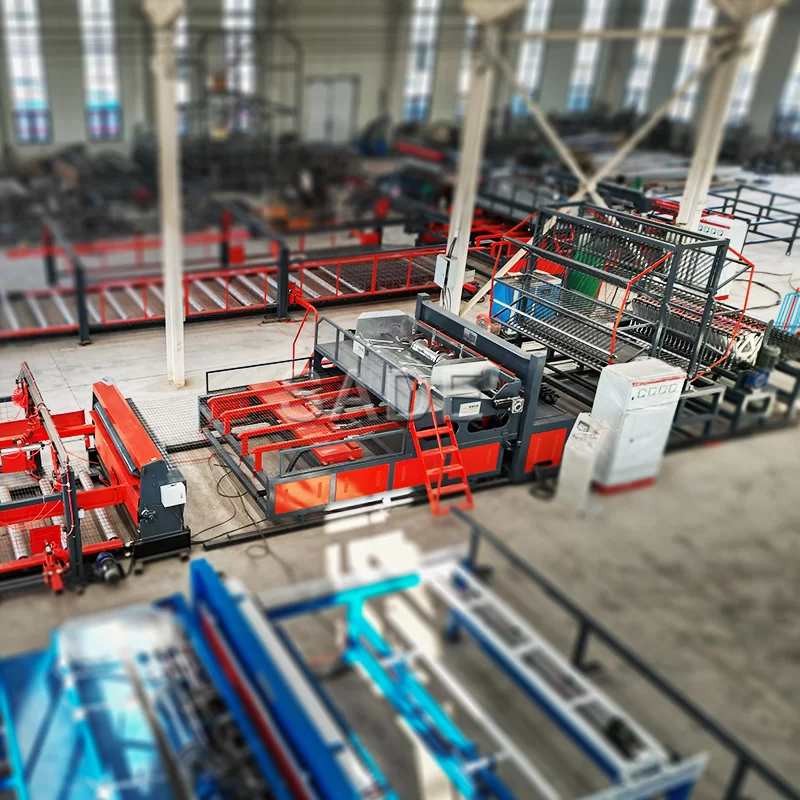
How to choose the right wire mesh welding machine for coastal humidity?

We recommend machines with anti-corrosion coatings and sealed electrical cabinets to protect the PLC and circuitry from the high humidity and salt air prevalent in coastal Ecuador.

Can a mesh welding machine be customized for specific seismic mesh sizes?

Yes, our equipment supports adjustable spacing and wire diameters, allowing you to produce reinforcement mesh that meets Ecuadorian construction standards for seismic zones.

What is the difference between a bender expanded metal machine and a standard press?

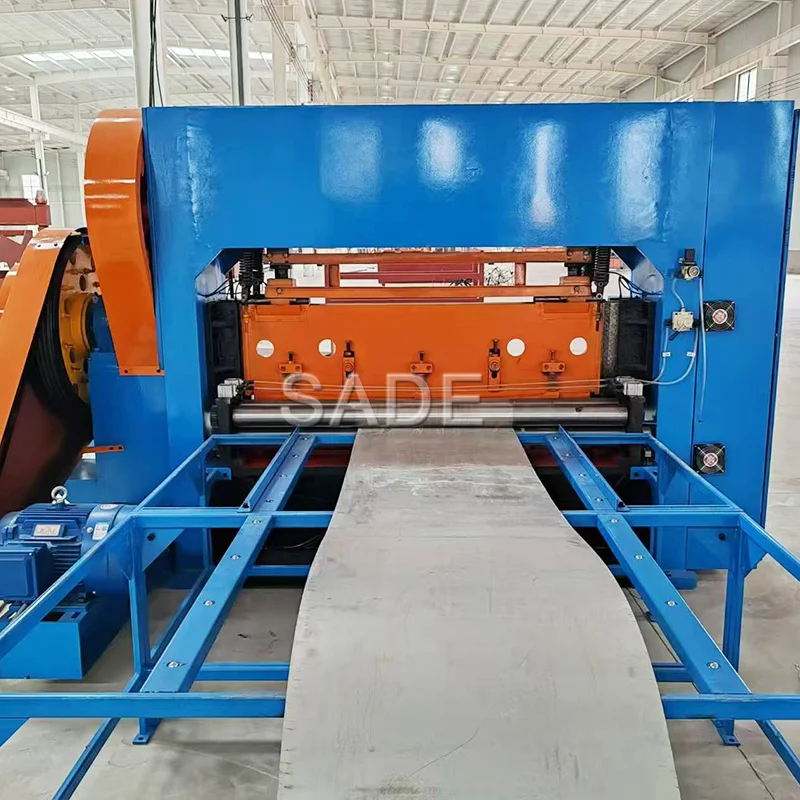
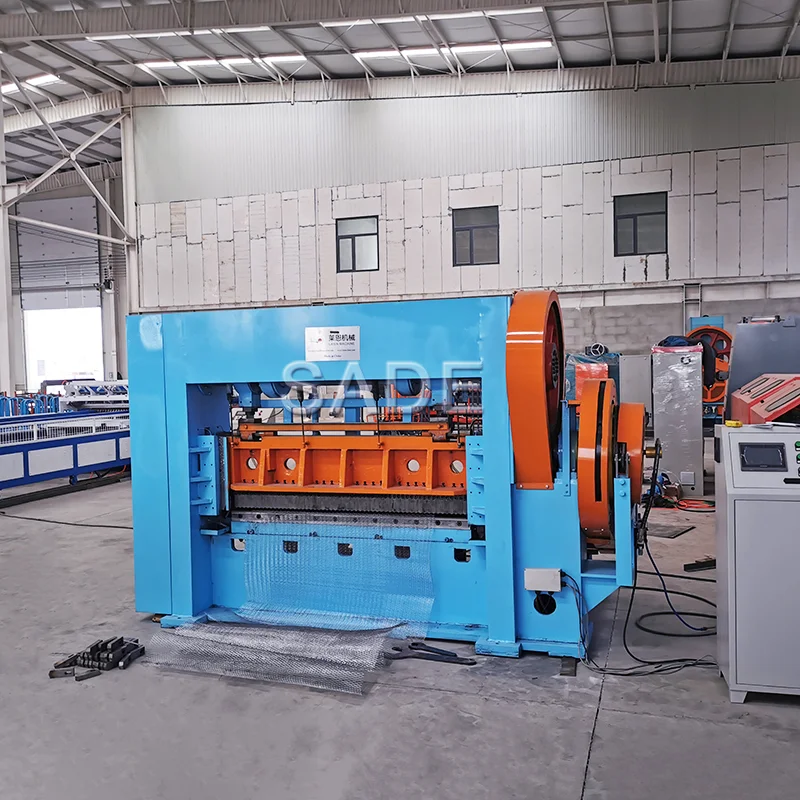
A bender expanded metal machine is designed for creating specific angled profiles and textures, whereas an expanded metal press focuses on the primary shearing and stretching process.

Which wire mesh weaving machine is best for agricultural sorting filters?

For agricultural applications, we recommend our high-precision weaving machines that handle stainless steel wire to ensure food-grade hygiene and long-term durability.

How do I maintain an expanded metal press in a dusty environment?

Regular lubrication of the moving parts and using air-blow systems to clear metal shavings from the press bed are essential for maintaining accuracy in industrial settings.

What is the average lead time for shipping machinery to Ecuador?

Depending on the customization level, lead times typically range from 15 to 30 days, followed by maritime shipping to Guayaquil or Manta ports.

Get Your Tailored Industrial Solution

Ready to upgrade your production capacity in Ecuador? Our experts are here to provide a technical consultation based on your specific material and volume needs.

Contact Us Now