
Industrial Mesh Welding Machine Solutions for North Korea

Precision-engineered metal fabrication equipment designed for the rigorous demands of North Korean heavy industry and infrastructure development.

Industrial Mesh Welding Machine Solutions for North Korea

We provide high-performance welding and weaving technologies tailored for North Korea's metallurgical and mining sectors, ensuring structural integrity and operational efficiency.

The Current State of Mesh Fabrication in North Korea

Analyzing the synergy between traditional metallurgy and modern machinery in the region.

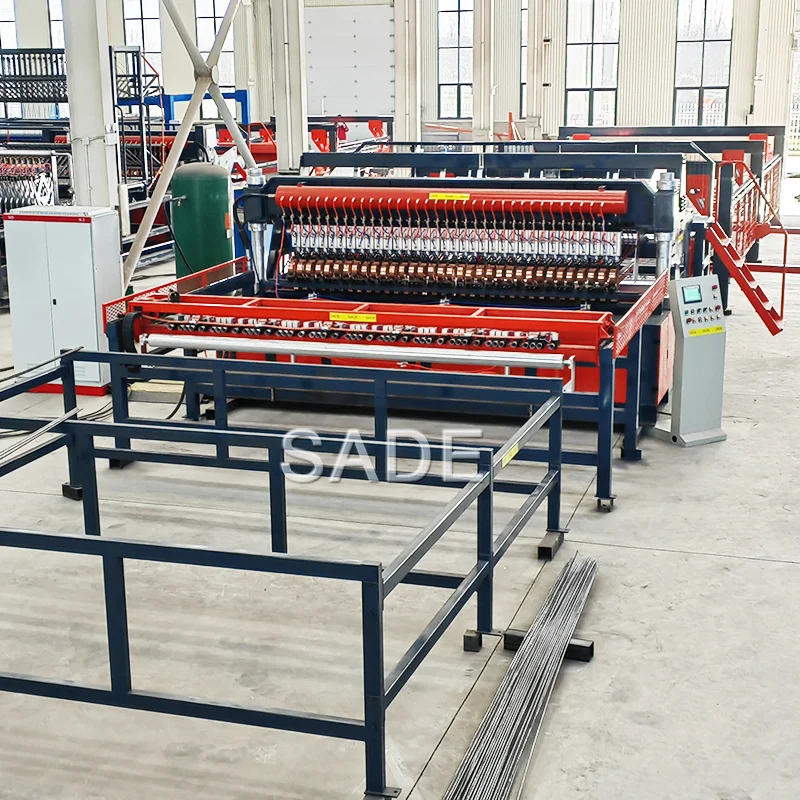
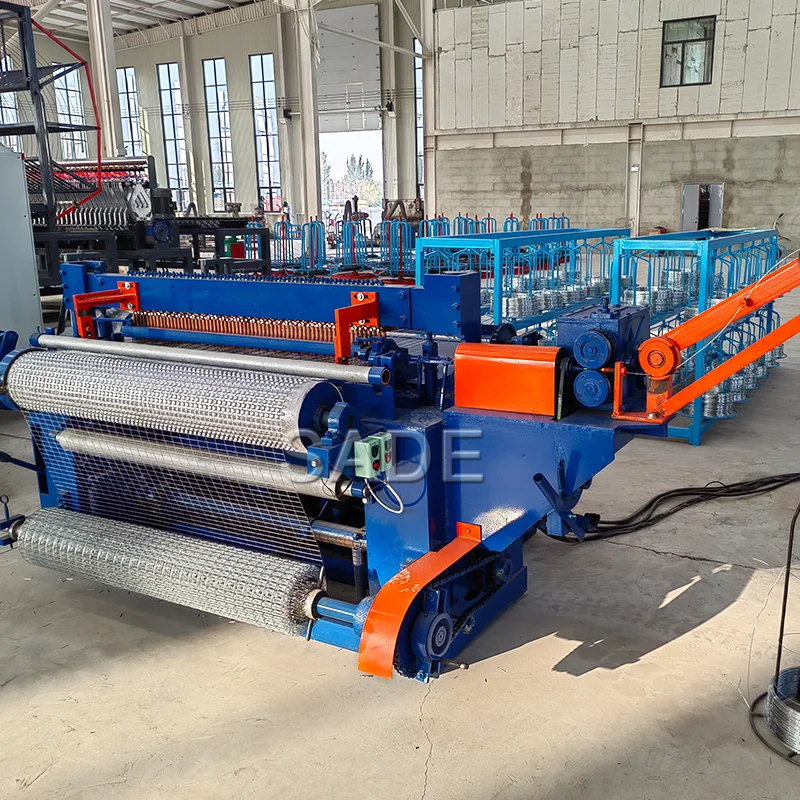
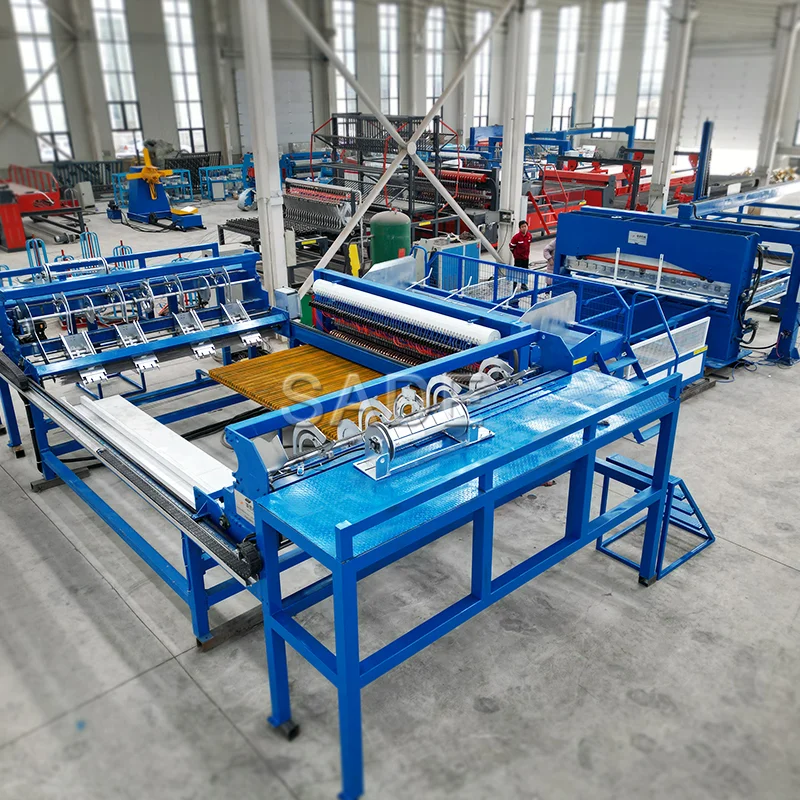
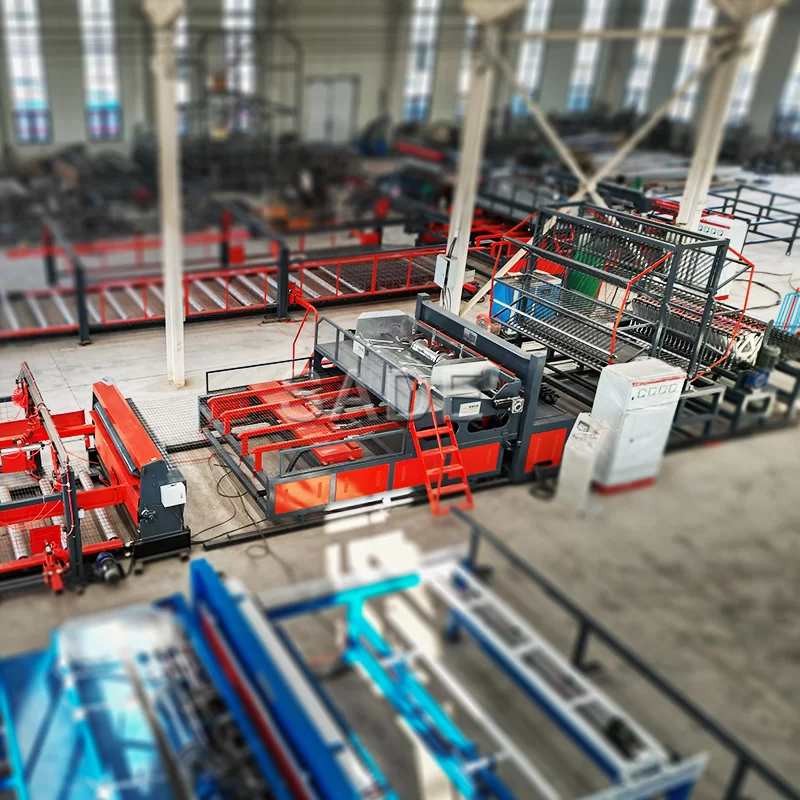
In North Korea, the manufacturing landscape is heavily centered around state-led heavy industry. The reliance on robust, long-lasting equipment is paramount due to the challenging mountainous terrain and the strategic importance of the mining sector. Currently, there is a significant transition from manual mesh production to utilizing a professional wire mesh welding machine to meet growing infrastructure needs.

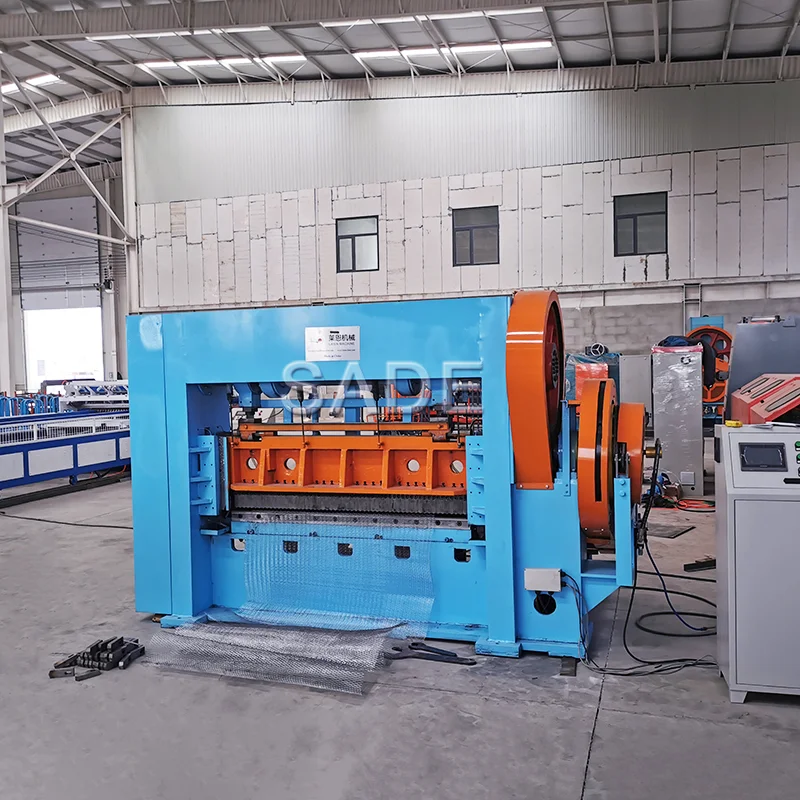
The regional climate, characterized by extreme temperature fluctuations, demands machinery with high thermal stability and corrosion resistance. Local factories are increasingly integrating an expanded metal press to produce high-strength grating for industrial flooring and ventilation systems in mining tunnels, where durability is non-negotiable.

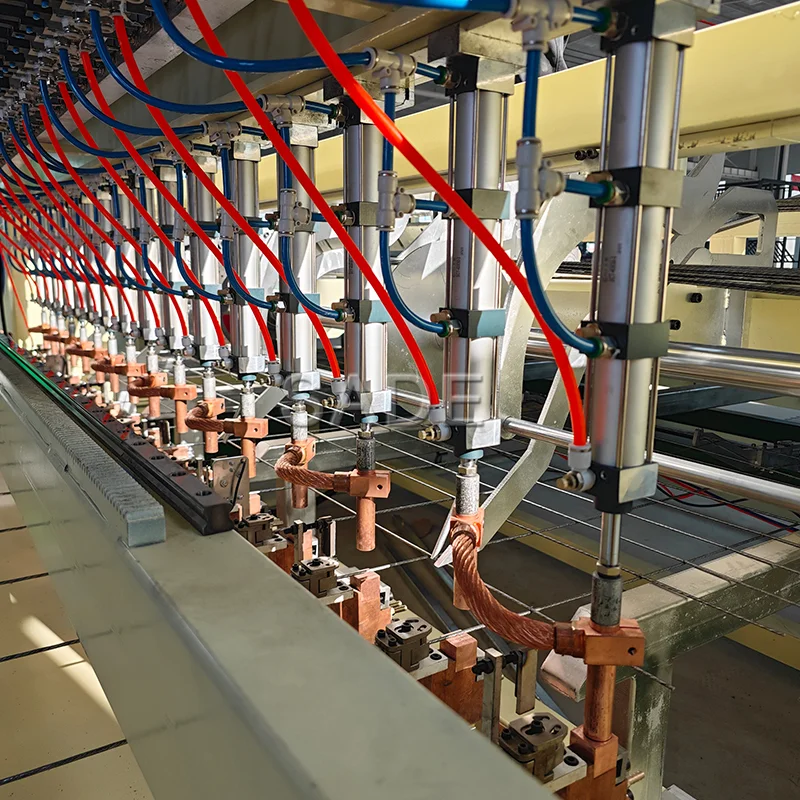
Despite historical reliance on legacy Soviet-era technology, the drive toward "modernization" has created a demand for higher precision. The adoption of a mesh welding machine has allowed local enterprises to reduce material waste and improve the uniformity of welded joints in reinforced concrete applications.
Evolution and Technical Trajectory of Mesh Machinery

From manual weaving to automated precision welding systems.

Market Development History

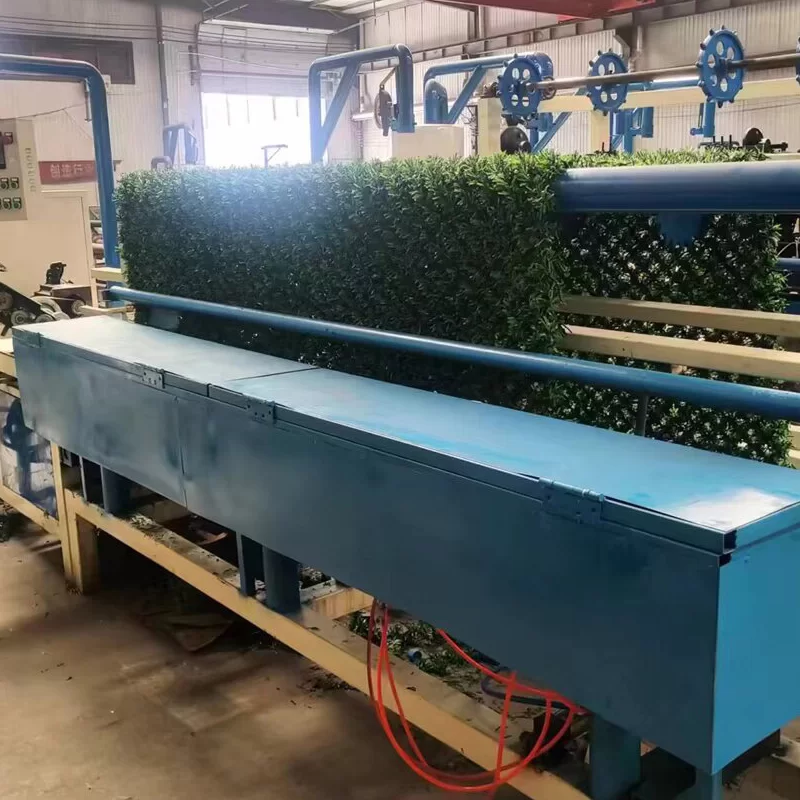
During the mid-20th century, mesh production in the region relied heavily on manual wire mesh weaving machine technology, producing basic screens for mineral filtration. These machines were mechanical and required intensive labor to maintain quality standards.

By the 1990s and early 2000s, the introduction of basic electrical resistance welding began to replace weaving for structural applications. The shift toward the bender expanded metal machine allowed for the creation of three-dimensional metal structures, enhancing the capacity for industrial filtration and security fencing.

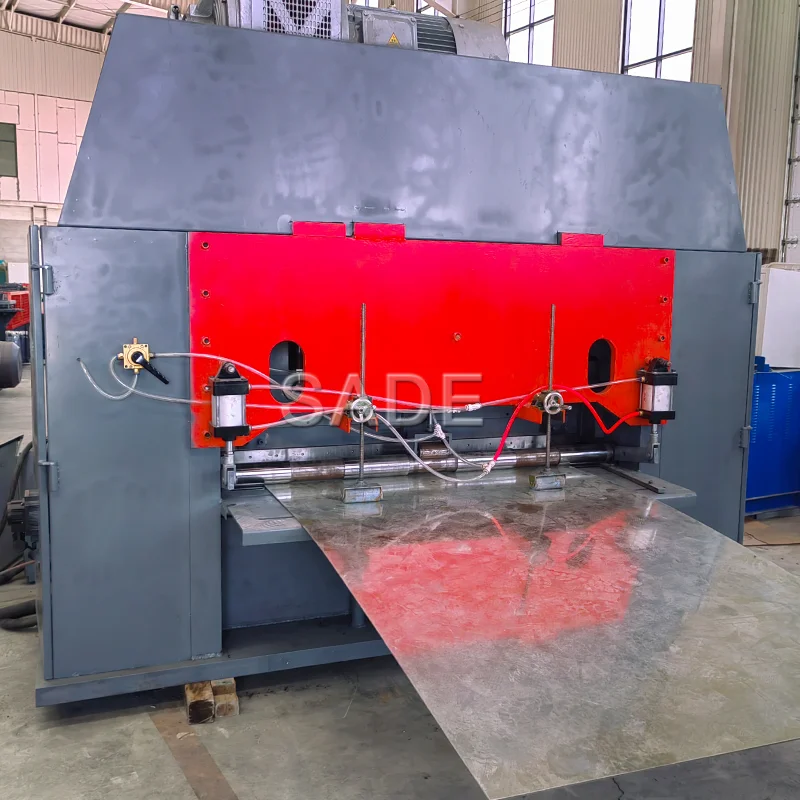
In the current era, the focus has shifted toward PLC-controlled automation. The integration of digital sensors in the expanded metal press has enabled the production of complex patterns with micron-level precision, aligning with global metallurgical standards.

Future Development Trends

Intelligent Automation

The next 3-5 years will see a surge in AI-driven weld monitoring, reducing the need for manual inspection and increasing the output of heavy-duty wire mesh.

Energy-Efficient Power Sources

With a focus on resource optimization, new generations of welding machines will utilize inverter technology to reduce electricity consumption by up to 30%.

High-Strength Alloy Compatibility

Future trends indicate a move toward processing specialized stainless steel and titanium alloys for extreme mining environments.

Industry Trends and Future Outlook

Predicting the technological leap in North Korean metal fabrication.

Digital Integration
Implementation of CNC systems to automate the wire feed and welding timing for maximum precision.
Material Diversification
Expanding the capability to weld galvanized and coated wires for anti-corrosive applications.
Modular Design
Developing modular equipment that can be easily upgraded as production needs scale up.
Eco-Friendly Production
Reducing carbon footprints through optimized heat cycles and low-emission welding processes.

Industry Outlook

Based on Google search trends for industrial machinery in the Asia-Pacific region, there is a growing trajectory toward "smart manufacturing." For North Korea, this means a shift from simple production to precision engineering, where the mesh welding machine becomes the cornerstone of infrastructure.

We anticipate that within 5 years, the demand for specialized expanded metal for civil engineering will increase, driving the adoption of high-tonnage presses and fully automated weaving lines to support national development goals.

Localized Application Scenarios in North Korea

Real-world implementation of our machinery in regional key industries.

01. Mining Shaft Reinforcement

Using high-strength welded mesh produced by our machines to reinforce deep-level mine shafts, preventing collapse in mineral-rich mountainous regions.

02. Heavy Industrial Flooring

Implementing an expanded metal press to create non-slip, heavy-duty grating for chemical and metallurgical plant walkways.

03. Agricultural Perimeter Fencing

Deploying high-speed weaving lines to produce durable wire mesh for livestock and crop protection across rural provinces.

04. Concrete Reinforcement for Bridges

Utilizing automated welding machines to create precise reinforcement grids for the construction of strategic bridges and highways.

05. Specialized Filtration Systems

Applying precision weaving technology for industrial filters used in the processing of rare earth minerals.

Brand Story

Global Development History of Hebei Sade Machinery Manufacturing Co., Ltd.

The Founding Vision

Established with the goal of solving the inefficiency of manual mesh production, we focused on early mechanical automation.

Technological Breakthrough

We pioneered the integration of PLC controls in wire welding, drastically reducing the error rate in industrial mesh production.

Market Expansion

Expanding our footprint across Asia, we adapted our machines to withstand the harshest industrial environments in the world.

Innovation Leadership

Developed the latest generation of high-speed expanded metal presses, setting new standards for production efficiency.

Commitment to Quality

Today, we serve global markets by bridging the gap between heavy-duty durability and precision engineering.

Comprehensive Product Portfolio for North Korea

A full suite of machinery designed for the unique demands of the regional metallurgical sector.

Frequently Asked Questions for North Korea

Expert answers regarding the implementation of mesh machinery.

How to maintain a wire mesh welding machine in cold climates?

We recommend using low-temperature resistant lubricants and maintaining a climate-controlled environment for the PLC control cabinet to ensure consistent performance during winter.

What is the capacity of a heavy-duty mesh welding machine?

Our industrial machines can handle wire diameters from 2mm to 12mm, producing grids suitable for heavy structural reinforcement in mining and civil engineering.

Can a bender expanded metal machine handle stainless steel?

Yes, our machines are equipped with high-torque motors and reinforced dies specifically designed to process stainless steel and other hard alloys.

What are the benefits of an automated expanded metal press?

Automation ensures perfectly uniform hole sizes and reduces material waste, which is critical for high-precision industrial filtration and grating.

How long is the lifespan of a wire mesh weaving machine?

With proper maintenance and lubrication, our weaving machines are designed for a service life of over 15 years in heavy industrial environments.

Do these machines require specialized electrical installation?

Our equipment is compatible with standard industrial power grids, but we provide detailed wiring diagrams to ensure safe integration with local power systems.

Get Your Custom Machinery Solution

Contact our engineers today for a technical consultation and a tailored equipment quote for your projects in North Korea.

Contact Us Now