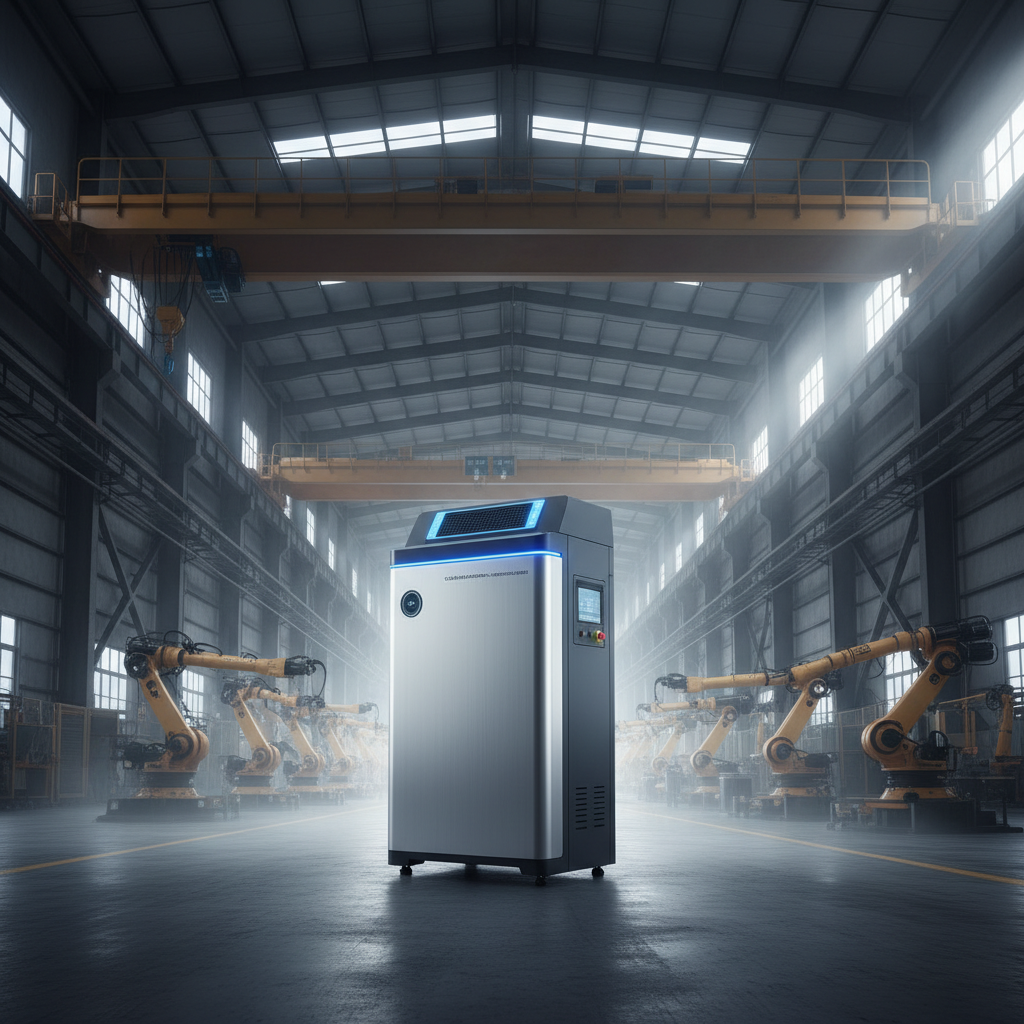

Selecting the right equipment for producing structural wire mesh requires a deep understanding of the balance between production speed and structural integrity. For professionals in the construction and civil engineering sectors, the efficiency of producing brick belt nets and reinforcement mesh is critical for preventing wall cracks and increasing elasticity in hollow wall reinforcements. Whether you are looking for high-volume output or specialized custom dimensions, understanding the gabion machine price and technical capabilities is the first step toward optimizing your production line. By integrating PLC-controlled systems, modern manufacturers can now achieve precise mesh widths and thicknesses, ensuring that the resulting architectural auxiliary materials meet the highest stability requirements for foundation stress points.

Brick belt nets serve as a vital architectural auxiliary material, primarily designed to reinforce hollow walls and provide essential elasticity to building structures. The primary goal is to mitigate the risk of wall cracks, which can compromise the longevity and safety of a building. By creating an irresistible overall structure composed of brick and cement mortar, these meshes allow the foundation to absorb maximum stress and vibration, offering excellent shockproof properties in local stress areas.
The technical challenge lies in the consistency of the weld and the precision of the mesh width. When the mesh is correctly integrated, it forms a skeletal support system that distributes loads evenly. This is particularly critical in areas with high requirements for strength and stability, where any failure in the reinforcement layer can lead to structural instability. Modern equipment allows for the production of meshes ranging from 100mm to 300mm in width, catering to various wall thicknesses and engineering specifications.

Efficiency in wire mesh manufacturing is driven by the synergy between motor power and control precision. Utilizing a 7.5Kw motor and a PLC-adjustable control system, a block mesh machine can reach press speeds of up to 120 times per minute. This level of automation ensures that every weld is consistent and every cut is precise, reducing material waste and labor costs. The ability to adjust parameters on the fly allows operators to switch between different mesh widths, such as 150mm or 200mm, without extensive downtime.
From a technical standpoint, the thickness of the wire—typically ranging from 0.3mm to 0.6mm—determines the final strength of the brick belt net. The machine's architecture is designed to handle these tolerances strictly, ensuring that the finished product maintains its structural shape even under the pressure of cement pouring. For buyers evaluating a gabion machine price, it is essential to look beyond the initial cost and consider the long-term ROI provided by high-speed PLC automation and reduced error rates.
When procuring specialized weaving or welding machinery, the primary consideration should be the intended application. For those focusing on architectural reinforcement, the stability of the welding process is paramount. A machine that can handle multiple width requests (100mm, 150mm, 200mm, 250mm, and 300mm) provides the versatility needed to serve various construction projects, from small-scale residential renovations to large industrial complexes.
Furthermore, the reliability of the supplier's R&D capabilities plays a significant role. Companies that possess independent design and development capabilities can offer customized solutions to meet specific project requirements. For instance, adjusting the rated voltage or modifying the chassis dimensions to fit a specific factory layout can significantly impact operational flow. Buyers should verify ISO9001 and CE certifications to ensure that the equipment meets international safety and quality standards, which is non-negotiable for export-oriented businesses.
| Parameter Item | Technical Specification | Operational Range | Requirement/Standard |
|---|---|---|---|
| Mesh Width Options | 100mm to 300mm | Adjustable (5 steps) | Customizable |
| Pressing Speed | 120 times/min | PLC Adjustable | High Efficiency |
| Wire Thickness | 0.3mm - 0.6mm | Material Dependent | Structural Grade |
| Power Configuration | 7.5Kw / 380V | 50Hz Standard | Industrial Rated |
| Machine Weight | 4.5 Tons | Fixed Chassis | Heavy Duty Stability |
The global demand for stable building materials has pushed the wire mesh industry toward greater specialization. Manufacturers are no longer just providing generic grids; they are producing engineered solutions like brick belt nets that solve specific failure points in masonry. By expanding the product portfolio to include welded wire mesh and crimped mesh machines, suppliers can offer a complete set of auxiliary devices—from straightening and cutting to rolling and finishing—creating a turnkey solution for new factories.
For enterprises operating in Europe, North America, or Southeast Asia, the ability to source equipment that is already CE certified reduces the barrier to market entry. The integration of high-precision lathes and a dedicated engineering team allows for the strict control of product costs and quality. This vertical integration ensures that the final equipment is not only durable but also optimized for the specific electricity standards and operational habits of the local region.
The trajectory of the machinery industry is moving toward "Smart Manufacturing," where IoT integration will allow for real-time monitoring of press speeds and material consumption. We expect to see a shift toward even more flexible PLC systems that can automatically adjust mesh width and thickness based on digital blueprints. This will further reduce the need for manual intervention and minimize the risk of human error in the production of critical reinforcement materials.
Additionally, there is a growing emphasis on material sustainability. The development of machines that can efficiently process recycled steel wire without compromising the weld strength is becoming a priority. As environmental regulations tighten globally, the capacity to produce high-strength, low-waste architectural auxiliary materials will become a key competitive advantage for mesh producers. Investing in versatile, high-performance equipment today ensures that a business can adapt to these evolving standards tomorrow.
The cost is primarily driven by the level of automation (such as PLC integration), the maximum press speed, the range of mesh widths the machine can handle, and the overall build quality of the chassis and motor. Customizations for specific voltage or dimensions also affect the final pricing.
PLC control allows for precise adjustment of the pressing speed and timing, which ensures that each weld is consistent. This eliminates manual errors and allows the operator to maintain a steady output of 120 times per minute while maintaining strict tolerances on wire thickness.
Yes, the equipment is designed to be versatile, supporting common mesh width requests including 100mm, 150mm, 200mm, 250mm, and 300mm, making it suitable for various building reinforcement needs.
They are used as architectural auxiliary materials in building foundations and hollow wall reinforcement to increase elasticity and prevent the formation of cracks under stress or vibration.
You should look for ISO9001 for quality management and CE certification for safety and environmental standards, especially if you are importing equipment into European or North American markets.
Regular lubrication of moving parts, inspection of electrical connections to ensure 380V stability, and periodic calibration of the PLC settings are recommended to maintain the 120 times/min press speed.
Investing in a high-performance block mesh machine is a strategic move for any construction material supplier aiming to enhance structural reliability. By combining PLC precision with heavy-duty industrial engineering, you can ensure your reinforcement products provide the stability and crack prevention that modern architecture demands.