
March 05, 2026
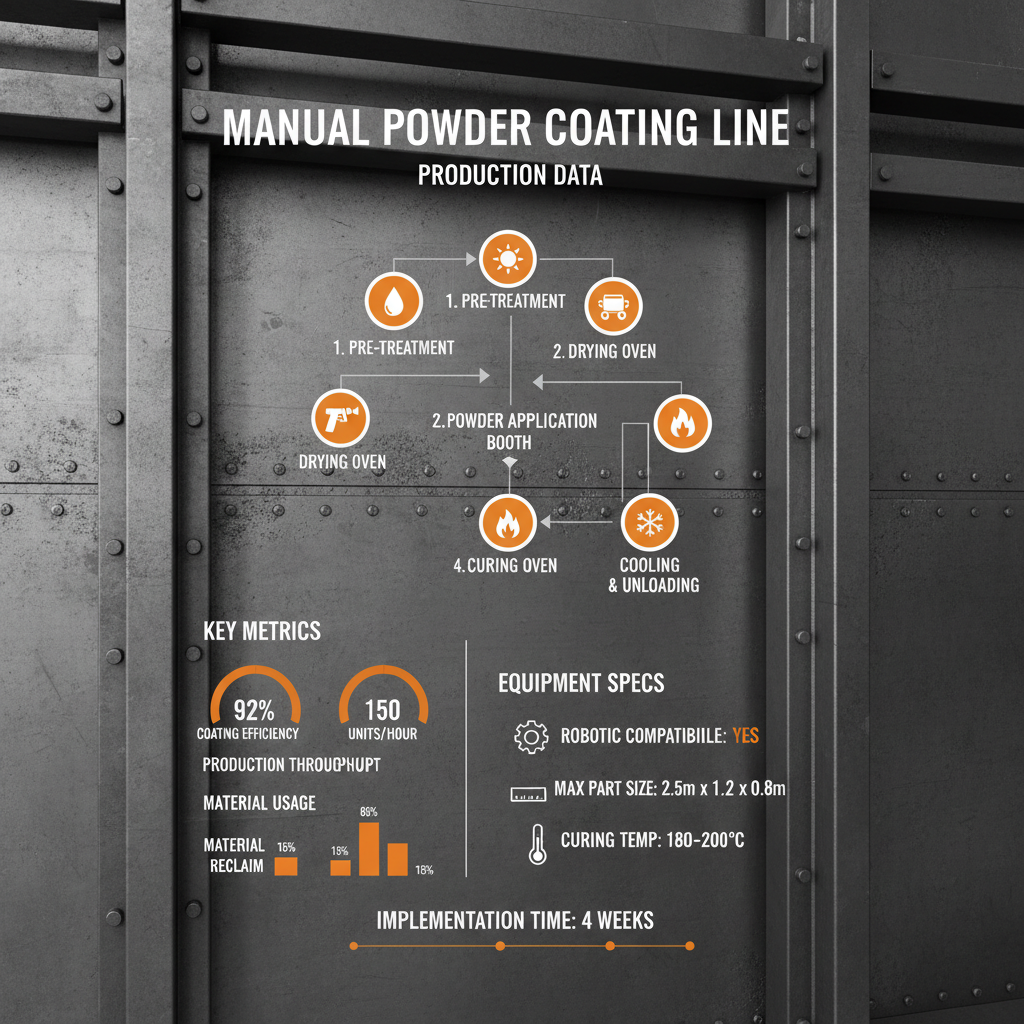
A manual powder coating line offers a cost-effective and versatile solution for applying a durable, high-quality finish to metal parts. This system is ideal for businesses with lower production volumes, diverse product lines, or those seeking flexibility in their coating processes. Compared to automated systems, manual lines require skilled operators but offer greater adaptability and lower initial investment. Choosing the right line involves understanding the components, benefits, and considerations for optimal performance. Investing in a quality powder coating line can significantly enhance product durability and aesthetics.
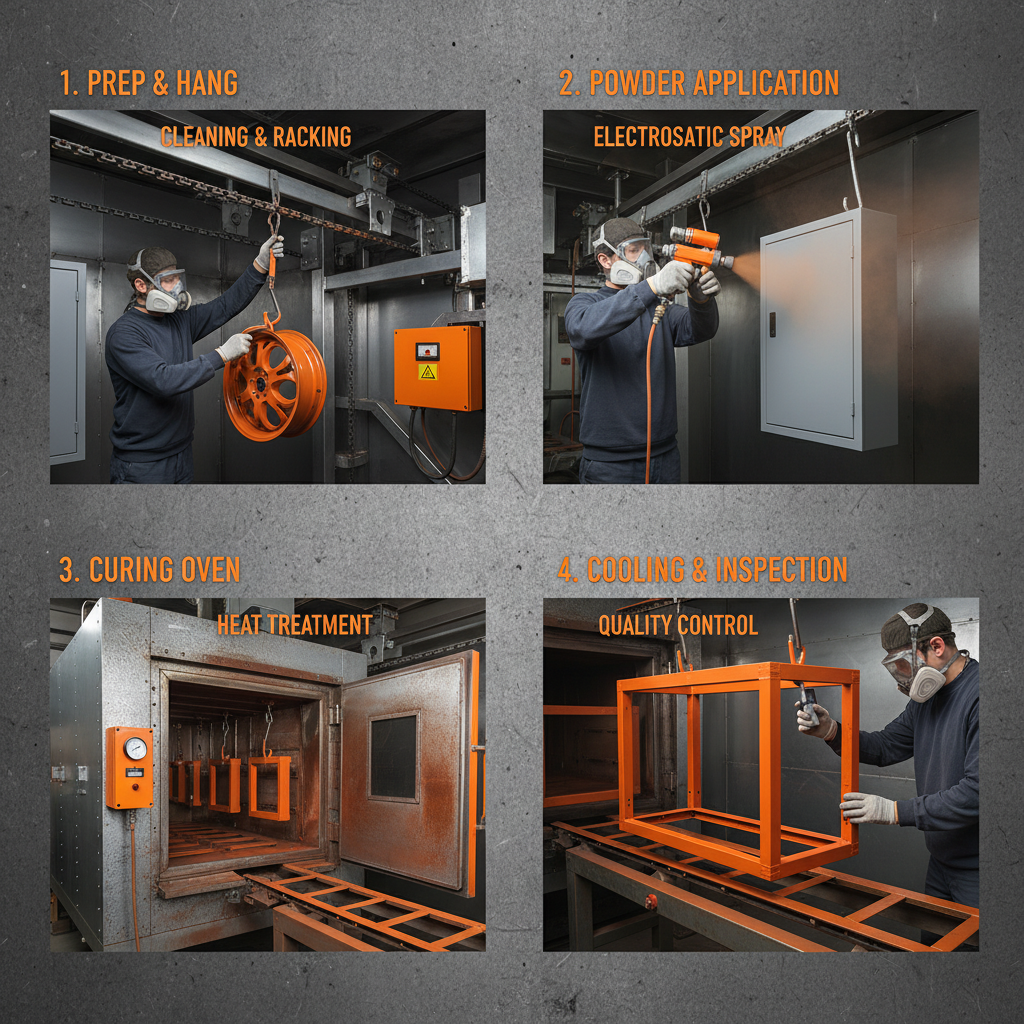
A typical manual powder coating line consists of several essential components working in harmony. These include a powder coating booth, grounding system, powder hopper, spray gun, a curing oven, and often a pre-treatment station. The booth provides a controlled environment for spraying, while the grounding system prevents static electricity build-up, ensuring efficient powder application. The spray gun, operated by a trained technician, applies the powder evenly to the parts. Crucially, the curing oven melts and fuses the powder to the metal, creating a robust and protective coating. Proper ventilation and filtration are vital throughout the process to maintain a safe and clean working environment.
Key Highlights: A well-designed manual powder coating line offers a blend of control, efficiency, and cost-effectiveness for a variety of applications.
The primary difference between manual and automated powder coating lines lies in the level of automation. Automated systems utilize robots and conveyor belts for a consistent and high-throughput process. Manual lines, however, rely on skilled operators to apply the powder. This difference impacts production speed, labor costs, and initial investment. Automated systems are best suited for large-scale production with consistent parts, while manual systems excel in flexibility and lower volume scenarios. The choice depends on your specific production needs and budget constraints. Mesh Machinery offers both manual and automated solutions.
Comparison Table:
• Initial Cost: Manual lines are significantly cheaper.
• Throughput: Automated lines offer higher production rates.
• Flexibility: Manual lines are more adaptable to diverse parts.
• Labor: Manual lines require skilled operators; automated lines need fewer.
Selecting the appropriate manual powder coating line involves careful consideration of your part sizes, production volume, and budget. Factors like the oven temperature range, booth size, and spray gun type are crucial. Also, evaluate the electrical requirements and available floor space. Consider the type of powder you’ll be using (epoxy, polyester, hybrid, etc.) as some lines are better suited for specific powder types. Prioritize equipment from reputable manufacturers known for quality and reliability. A system designed with ease of maintenance in mind will also save you time and money in the long run.
Safety is paramount when operating a manual powder coating line. Proper ventilation is essential to remove airborne powder particles, protecting operators from inhalation hazards. Grounding is critical to prevent static electricity build-up, which can cause sparks and potential fires. Operators should wear appropriate personal protective equipment (PPE), including respirators, gloves, and eye protection. Regular inspections of the equipment and adherence to safety protocols are crucial for maintaining a safe working environment. Mesh Machinery provides training and support to ensure safe operation of their equipment.
A manual powder coating line represents a smart investment for businesses seeking a flexible, cost-effective, and high-quality finishing solution. By carefully considering your needs and selecting the right equipment, you can achieve exceptional results and enhance your product offerings. Contact Mesh Machinery today to discuss your specific requirements and find the perfect powder coating solution.
Most metals can be powder coated, including steel, aluminum, and stainless steel. The key is proper surface preparation. The metal must be clean, dry, and free of rust or contaminants. A pre-treatment stage, such as sandblasting or chemical etching, is often required to ensure good adhesion. Different powder formulations are also optimized for different metal types, so choosing the correct powder is vital for a durable and lasting finish.
Curing temperatures vary depending on the type of powder used. Epoxy powders typically cure at lower temperatures (around 180-200°C or 356-392°F), while polyester and hybrid powders often require higher temperatures (around 190-220°C or 374-428°F). It's crucial to follow the powder manufacturer's recommendations for optimal curing. Proper curing ensures the powder melts and flows to create a smooth, durable, and chemically resistant finish.
Common issues include uneven coating, pinholes, and powder sagging. Uneven coating can result from improper spray technique, insufficient grounding, or incorrect powder settings. Pinholes may indicate moisture on the metal surface or improper curing. Powder sagging is often caused by applying too much powder or using a curing temperature that is too high. Regular maintenance of the equipment, adherence to proper procedures, and careful monitoring of the process can help prevent these problems.
Grounding is absolutely critical in powder coating. Powder coating relies on electrostatic attraction to adhere the powder to the metal part. A good grounding system ensures that the part is electrically connected to the spray gun and the powder coating booth, creating an electrical circuit. This allows the powder particles to be attracted to the part, resulting in a uniform and efficient coating. Without proper grounding, the powder may not adhere correctly, leading to uneven coverage and wasted powder.
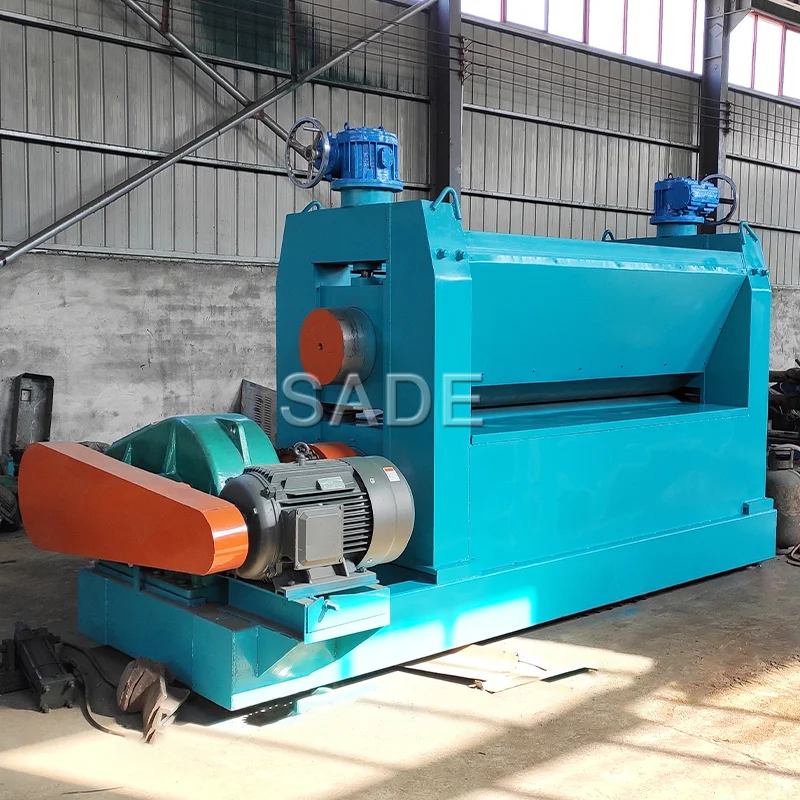
ZPJ Metal Mesh Flatting Machine
ZPJ metal mesh flatting machine is special designed for expanded metal flatting.It’s a corollary equipment of expanded metal machine. It can make expanded wire-mesh smoothly.And the flattened expanded metal have much more widely different applications.
Apr 24, 2026
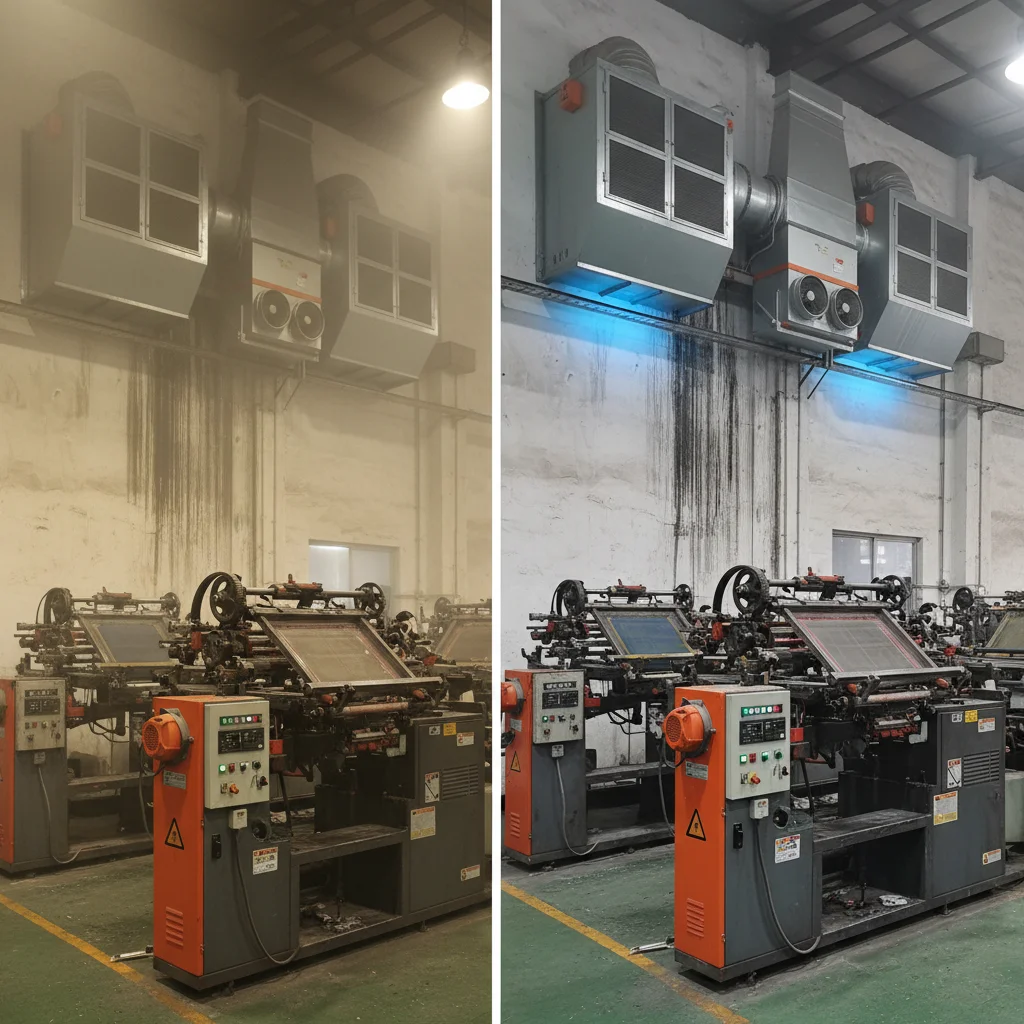
Industrial Wall Mounted Air Filtration for Clean Work Environments