
March 06, 2026
Designing a robust and efficient powder coating line is crucial for achieving high-quality finishes and optimizing production processes. This article will delve into the key considerations for powder coating line design, covering everything from pretreatment to curing, and highlighting the importance of selecting the right equipment for your specific needs. Effective design minimizes defects, increases throughput, and ensures long-term cost-effectiveness. Let’s explore the intricacies of creating a powder coating system that delivers superior results.
A typical powder coating line consists of several critical stages. These include: pretreatment (cleaning and surface preparation), application (electrostatic spraying), and curing (melting and fusing the powder to the substrate). Each stage requires careful consideration to ensure optimal adhesion and finish quality. The pretreatment stage is paramount; it removes oils, dirt, and oxides to create a receptive surface. The application stage utilizes electrostatic spraying to ensure even powder coverage and minimize waste. Finally, the curing process transforms the powder into a durable, protective coating. Mesh Machinery offers customized solutions to address these critical stages.
Key Highlights: The design must consider factors like production volume, part size and complexity, and the desired coating properties. Proper ventilation and safety measures are also essential.
Pretreatment is arguably the most crucial step in a successful powder coating operation. It’s the foundation upon which a durable and aesthetically pleasing finish is built. Common pretreatment methods include alkaline cleaning, acid cleaning, and phosphate coating. The choice depends on the substrate material and the type of contamination present. Alkaline cleaning removes oils, grease, and dirt, while acid cleaning removes rust and scale. Phosphate coating creates a chemically bonded layer that enhances corrosion resistance and powder adhesion. A poorly pretreated surface will lead to coating failures, such as blistering, peeling, and corrosion. Mesh Machinery can integrate advanced pretreatment systems into your powder coating line design.
Pretreatment Benefits:
• Enhanced powder adhesion
• Improved corrosion resistance
• Increased coating durability
• Superior finish quality
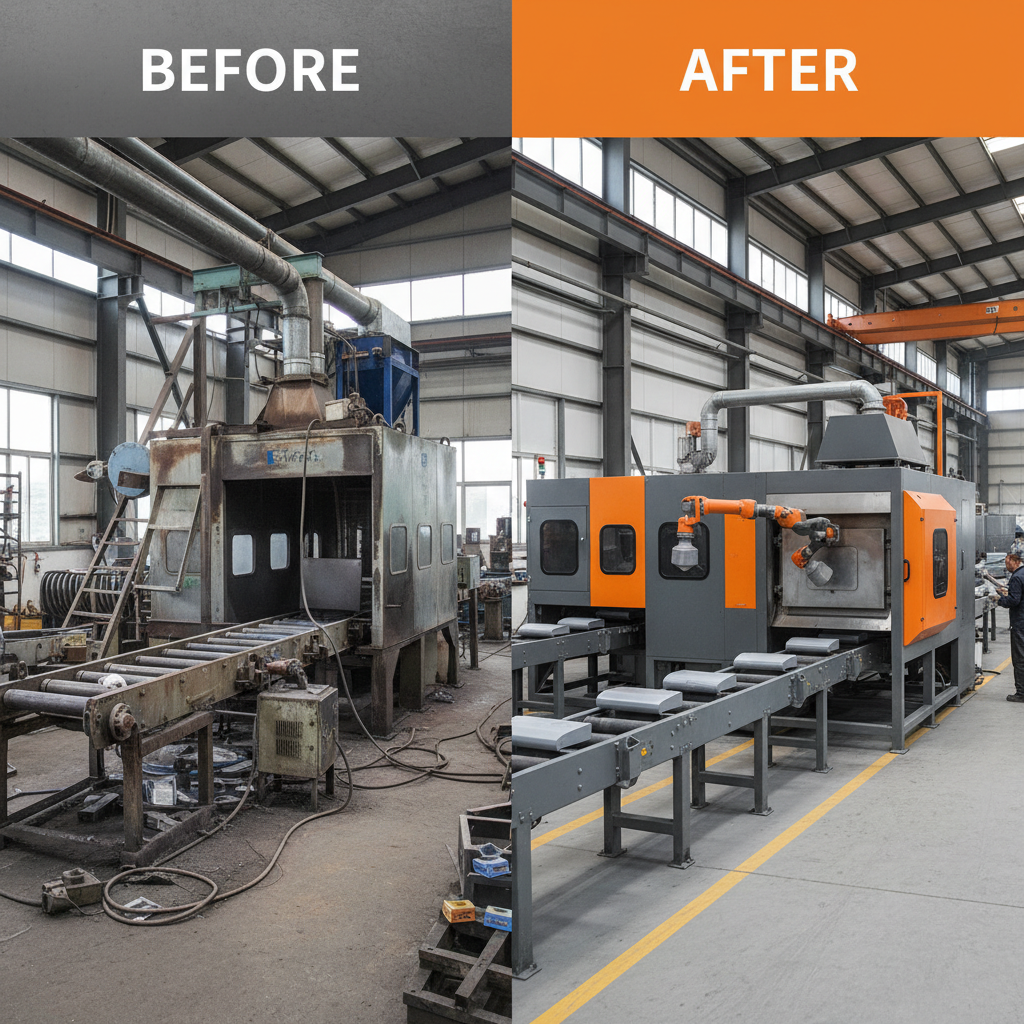
When designing a powder coating line, several factors must be taken into account. These include the size and shape of the parts to be coated, the required production volume, the type of powder coating being used, and the available space. Automation can significantly increase throughput and reduce labor costs, but it also requires a higher initial investment. Proper ventilation is crucial to remove excess powder and maintain a safe working environment. Additionally, the layout of the line should be optimized for efficient material flow and minimal handling. Mesh Machinery provides tailored line designs based on these critical parameters.
The curing oven is the final stage in the powder coating process, where the powder is melted and fused to the substrate. The type of oven – batch, conveyorized, or infrared – depends on production volume and part size. Conveyorized ovens are ideal for high-volume production, while batch ovens are suitable for smaller runs or large parts. Infrared ovens offer rapid curing times and energy efficiency. Maintaining precise temperature control and airflow within the oven is critical for achieving optimal coating properties, such as hardness, gloss, and adhesion. Mesh Machinery provides a range of curing oven solutions tailored to your specific application.
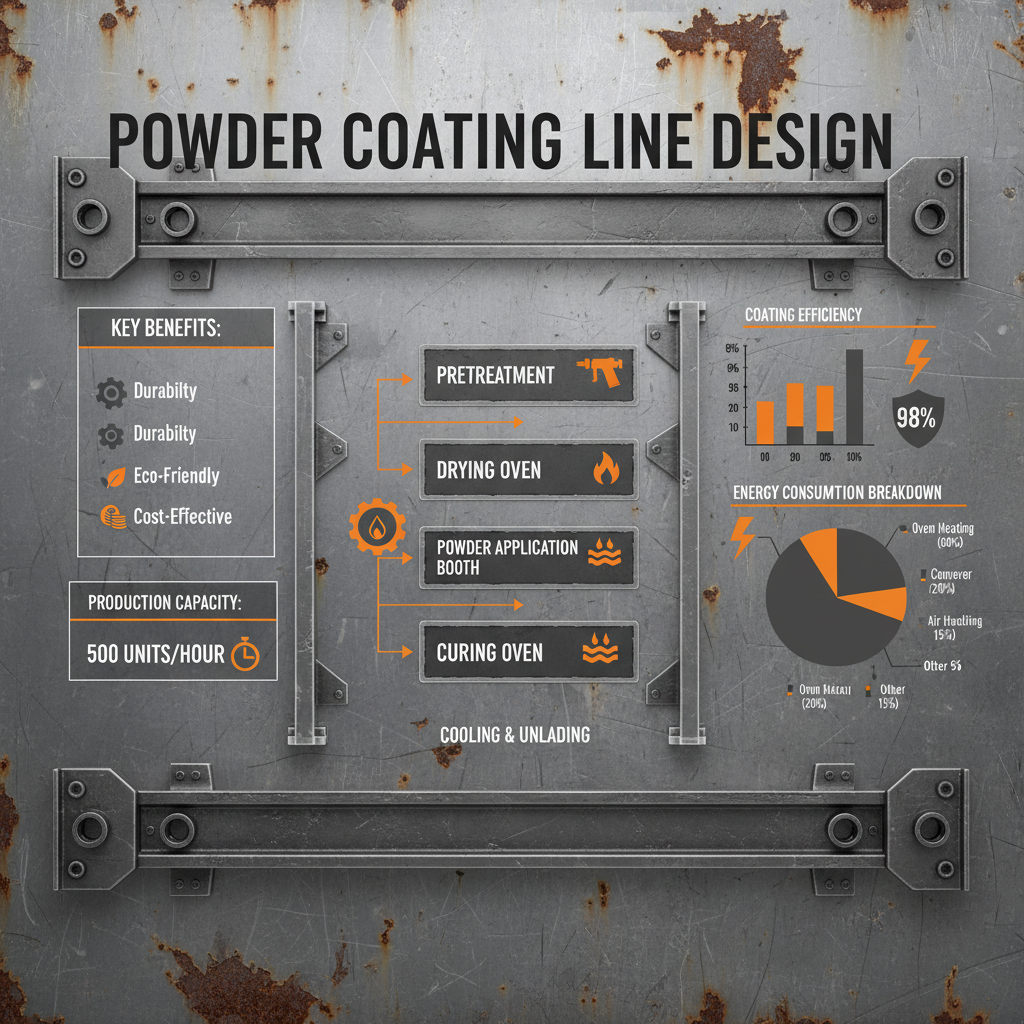
Choosing the right powder coating system requires careful consideration of your specific requirements. Factors to consider include the size of the parts, the desired coating thickness, the production volume, and the type of powder coating being used. Here's a table outlining typical specifications for various powder coating line configurations:
Designing an efficient powder coating line requires a comprehensive understanding of each stage, from pretreatment to curing. By carefully considering your specific needs and selecting the right equipment, you can achieve high-quality finishes, increase production throughput, and reduce costs. Mesh Machinery is dedicated to providing customized solutions and expert support to help you optimize your powder coating process.
Common defects include pinholes, orange peel, and craters. Pinholes are often caused by contamination or insufficient curing. Orange peel results from improper spray technique or powder properties. Craters can occur due to trapped air or moisture. To avoid these defects, ensure proper pretreatment, maintain consistent spray parameters, use high-quality powder, and control the curing process meticulously. Regular maintenance of your equipment and adherence to manufacturer guidelines are also crucial.
Ventilation is critically important. Powder coating generates dust, and improper ventilation can lead to health hazards and fire risks. A properly designed ventilation system removes excess powder from the air, maintains a safe working environment, and prevents the accumulation of combustible dust. The ventilation system should comply with relevant safety regulations and be regularly inspected and maintained.
The compatibility of powder coating with a substrate depends on the substrate material and the coating type. Epoxy powders are generally suitable for ferrous metals, providing excellent corrosion resistance. Polyester powders are versatile and can be used on various metals, offering good UV resistance. Acrylic powders are ideal for exterior applications requiring high gloss and color retention. Understanding the chemical and physical properties of both the substrate and the coating is crucial for achieving optimal adhesion and performance.
Grounding is essential for electrostatic powder coating. It ensures that the parts being coated are electrically connected to the system's ground, allowing the powder to adhere evenly and efficiently. Proper grounding prevents sparking, which could ignite combustible dust, and ensures the safety of the operators and equipment. Regularly check grounding connections to maintain a safe and effective coating process.
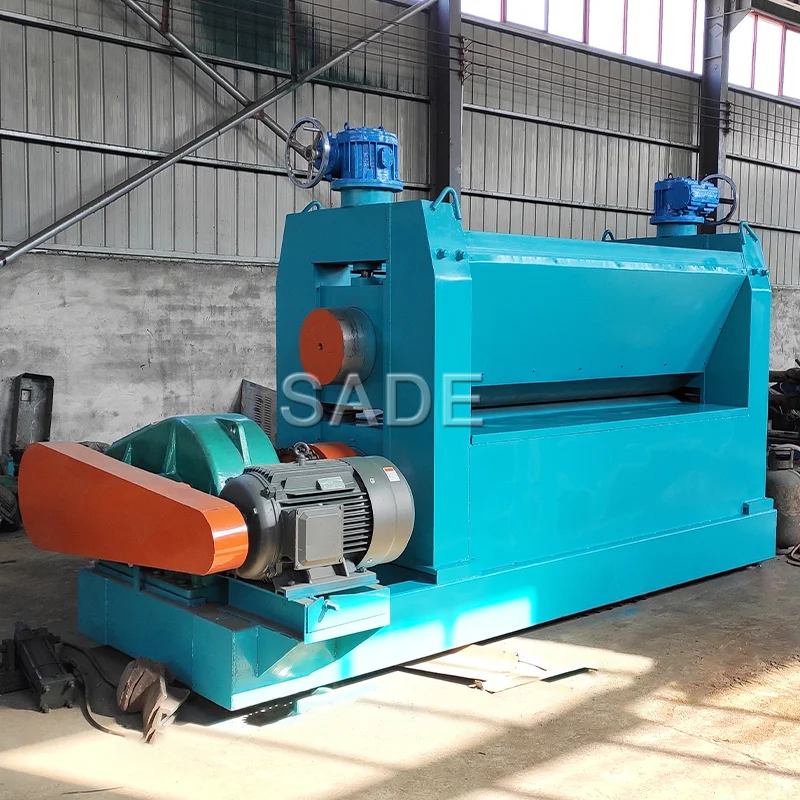
ZPJ Metal Mesh Flatting Machine
ZPJ metal mesh flatting machine is special designed for expanded metal flatting.It’s a corollary equipment of expanded metal machine. It can make expanded wire-mesh smoothly.And the flattened expanded metal have much more widely different applications.
Apr 24, 2026
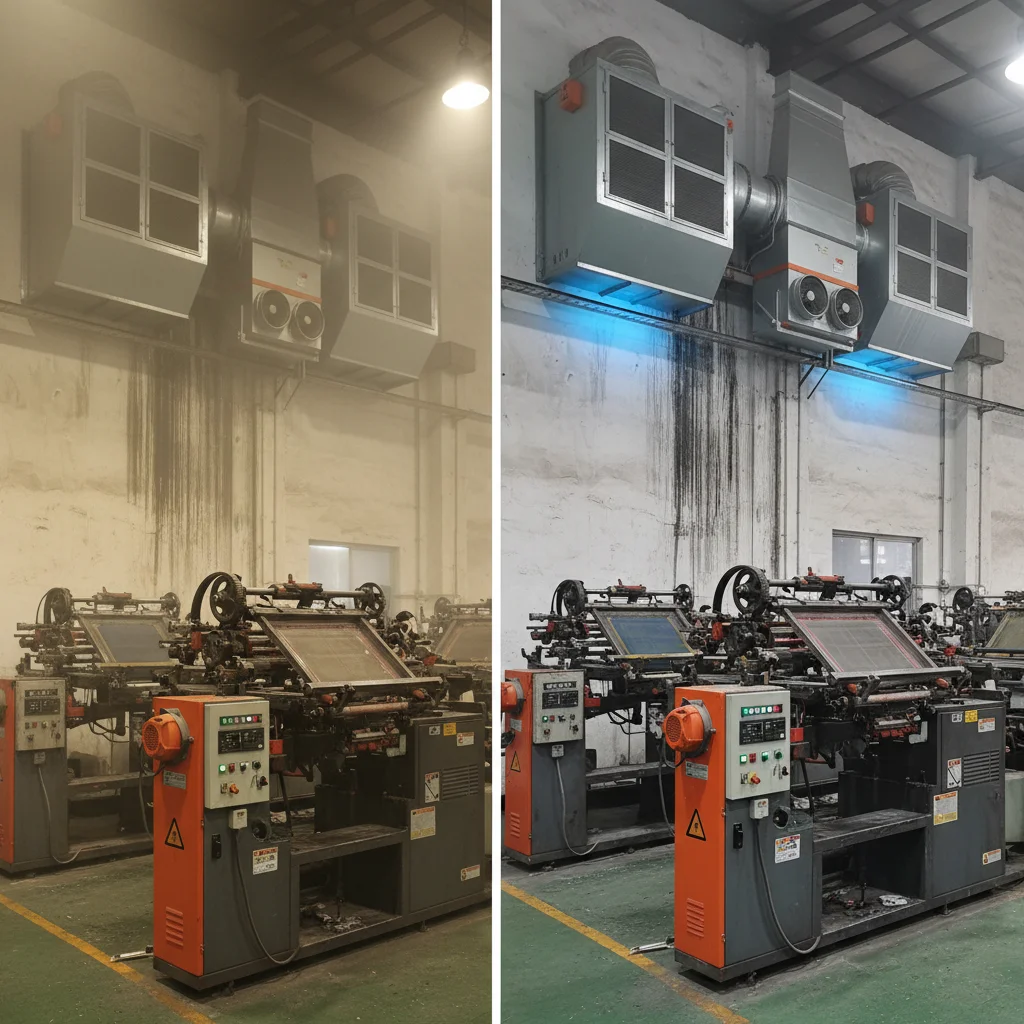
Industrial Wall Mounted Air Filtration for Clean Work Environments