
March 26, 2026
The demand for wire mesh is constantly growing across various industries, from construction and agriculture to security and filtration. Meeting this demand requires efficient and reliable wire mesh manufacturing machines. This article explores the different types of machines available, key considerations when choosing one, and the benefits of investing in quality equipment. We’ll focus on helping you understand what best suits your production needs and budget.
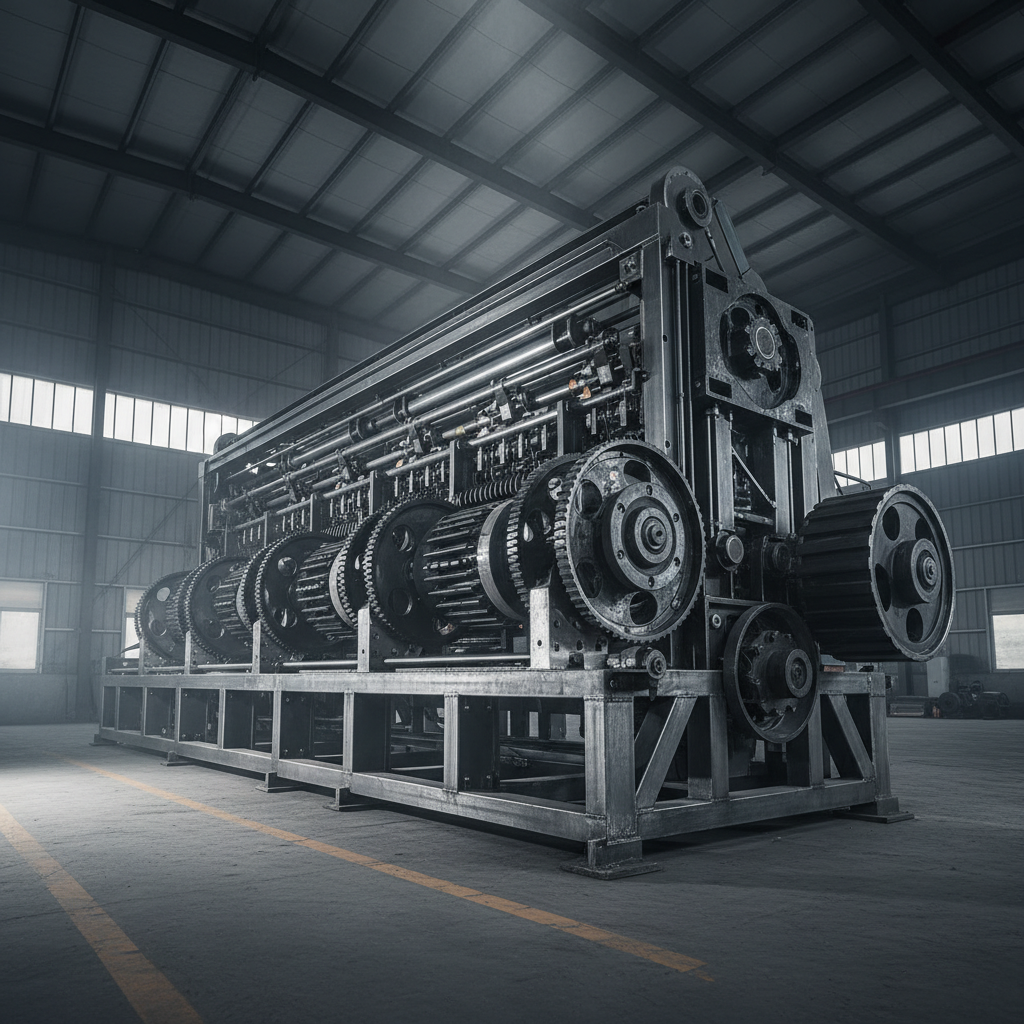
Several types of machines are used to create different kinds of wire mesh. The most common include: welded wire mesh machines, hexagonal wire netting machines, chain link fence machines, crimped wire mesh machines, and expanded metal mesh machines. Each machine is designed for a specific mesh type and offers varying levels of automation and production capacity. Choosing the right type depends heavily on the desired end product and your production volume. Understanding the nuances of each machine is crucial for maximizing efficiency and minimizing waste.
Key Takeaway: The initial investment in the correct machine type will significantly impact your long-term profitability and product quality.
Welded wire mesh machines are amongst the most versatile and widely used. They create mesh by electrically welding wires at their intersection points. These machines can produce a wide range of mesh sizes, wire diameters, and aperture shapes. Automation levels vary from semi-automatic to fully automatic, allowing for flexibility in production scale. Meshmachinery.com offers a diverse range of welded wire mesh machines suited for different applications.
Key Benefits of Welded Wire Mesh Machines:
• High production speed and efficiency
• Versatile for various mesh types and applications
• Consistent weld quality and mesh dimensions
• Relatively low maintenance requirements
Choosing between the different machine types requires careful consideration of your specific needs. Here’s a comparison to help you make an informed decision:
Several factors influence the ideal machine choice. These include: production capacity, mesh specifications, budget, level of automation desired, and after-sales support. Don't overlook the importance of a reliable supplier who can provide training, maintenance, and spare parts. Investing in a quality machine from a reputable source like Meshmachinery.com is essential for long-term success.
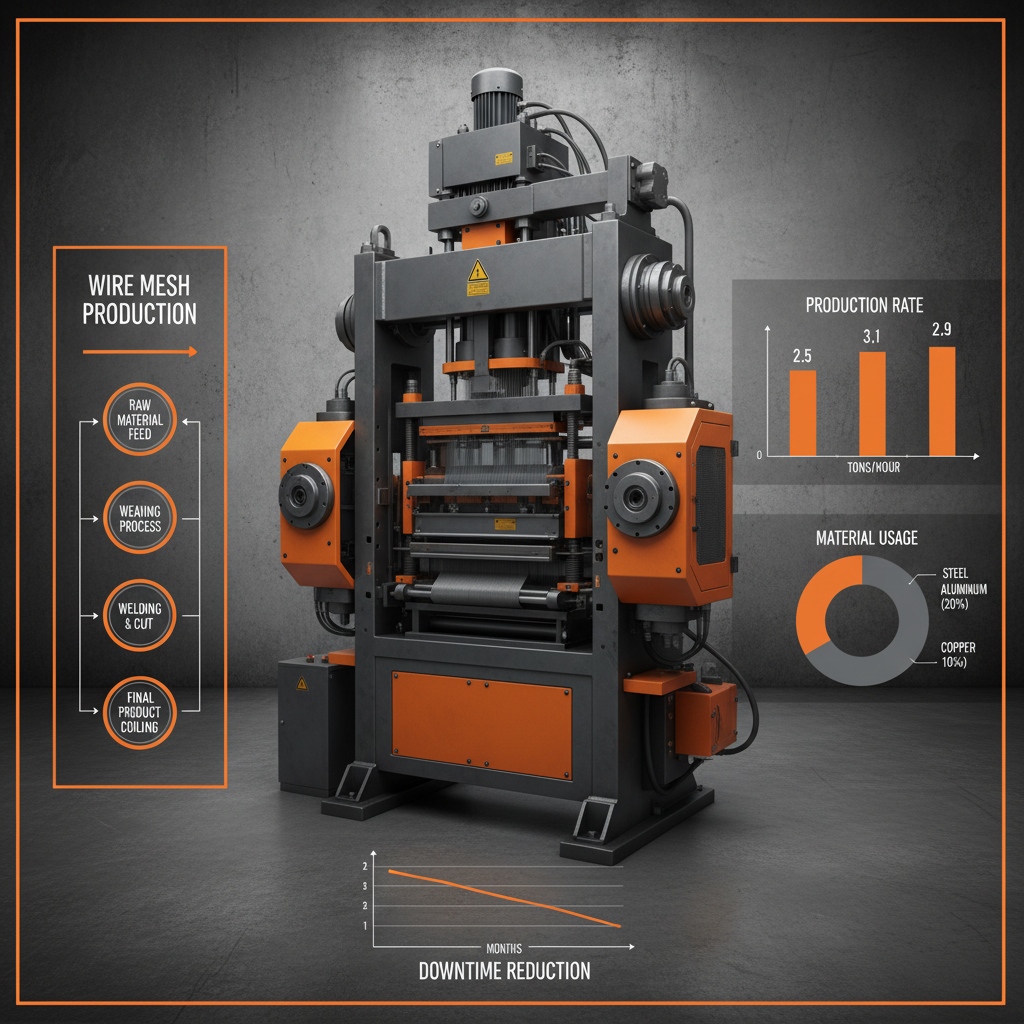
Selecting the right wire mesh manufacturing machine is a critical decision that impacts your business’s efficiency, product quality, and profitability. By carefully evaluating your needs and considering the factors outlined in this article, you can make an informed investment that will deliver long-term value. Don’t hesitate to consult with experts at Meshmachinery.com to discuss your specific requirements and find the perfect solution.
Lead times vary depending on the machine type, customization requirements, and the manufacturer's production schedule. Generally, standard machines have a lead time of 4-8 weeks, while customized machines can take 8-12 weeks or longer. It's crucial to inquire about the lead time when requesting a quote and factor it into your production planning. Meshmachinery.com provides accurate lead time estimates based on your specific order.
Meshmachinery.com provides comprehensive after-sales support, including machine installation, operator training, maintenance services, and readily available spare parts. They offer both on-site and remote technical assistance to ensure your machine operates smoothly and efficiently. Their team is dedicated to providing prompt and effective support to minimize downtime and maximize your investment.
The optimal wire diameter depends on the intended use of the wire mesh, the required strength and durability, and the mesh aperture size. It’s crucial to consider the load-bearing requirements and the environmental conditions the mesh will be exposed to. Meshmachinery.com’s technical experts can provide guidance on selecting the appropriate wire diameter based on your specific application.
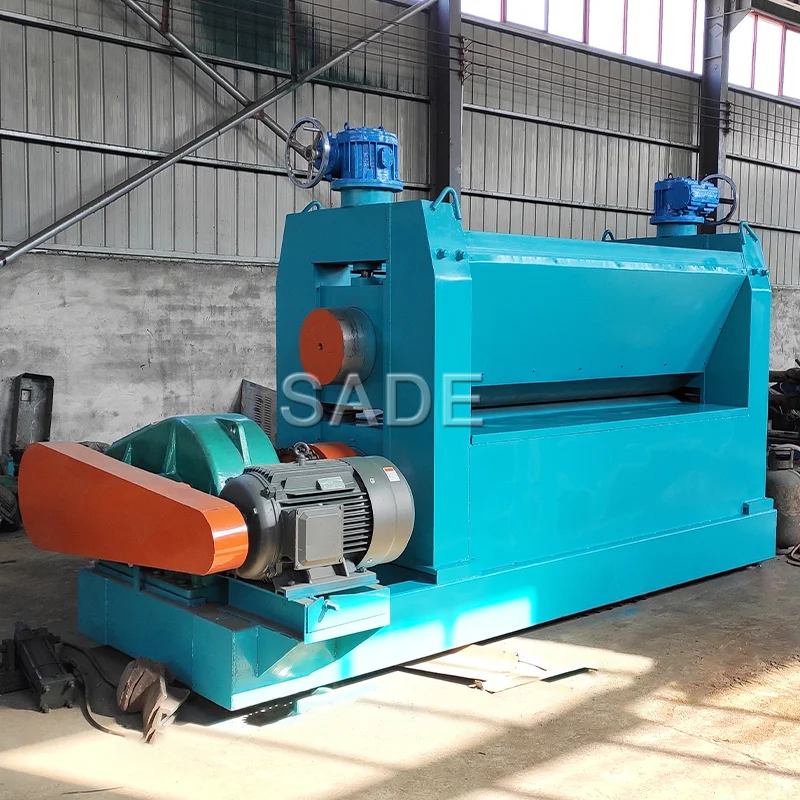
ZPJ Metal Mesh Flatting Machine
ZPJ metal mesh flatting machine is special designed for expanded metal flatting.It’s a corollary equipment of expanded metal machine. It can make expanded wire-mesh smoothly.And the flattened expanded metal have much more widely different applications.
Apr 24, 2026
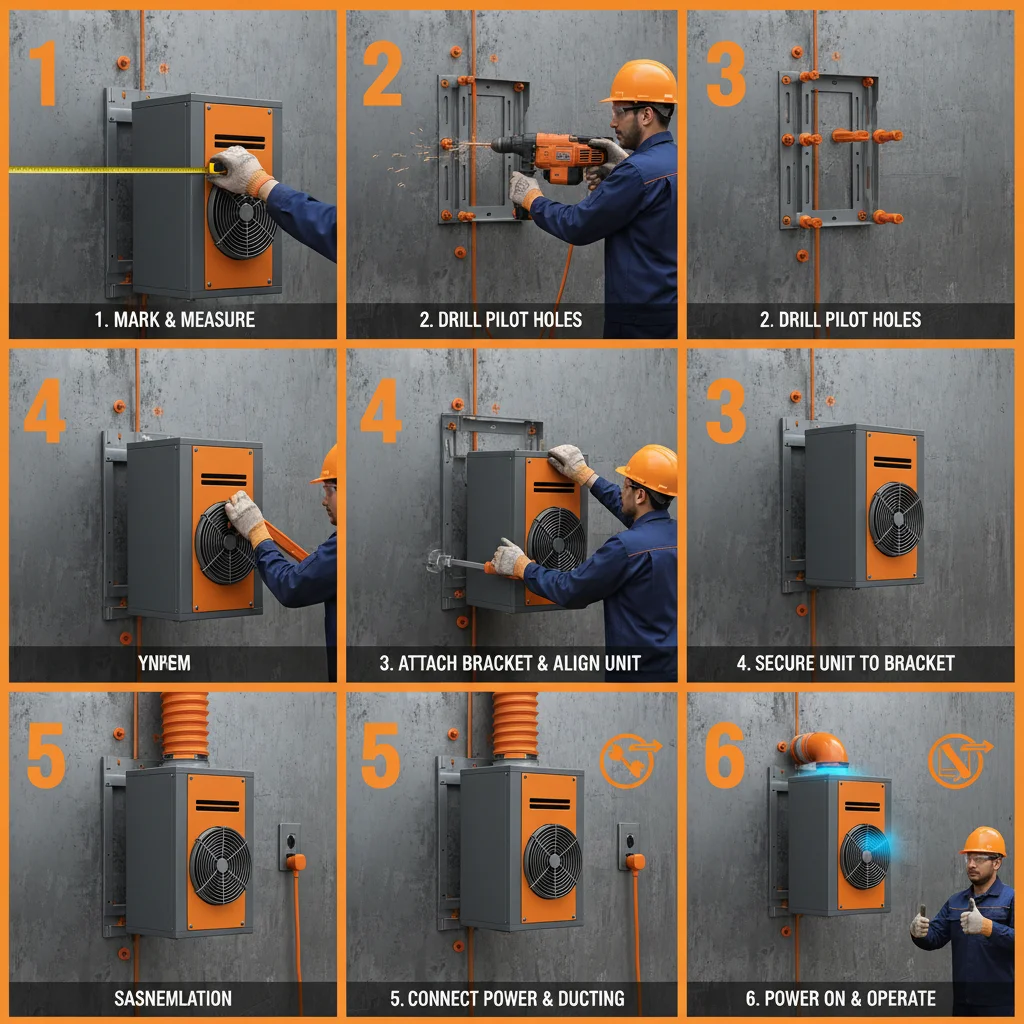
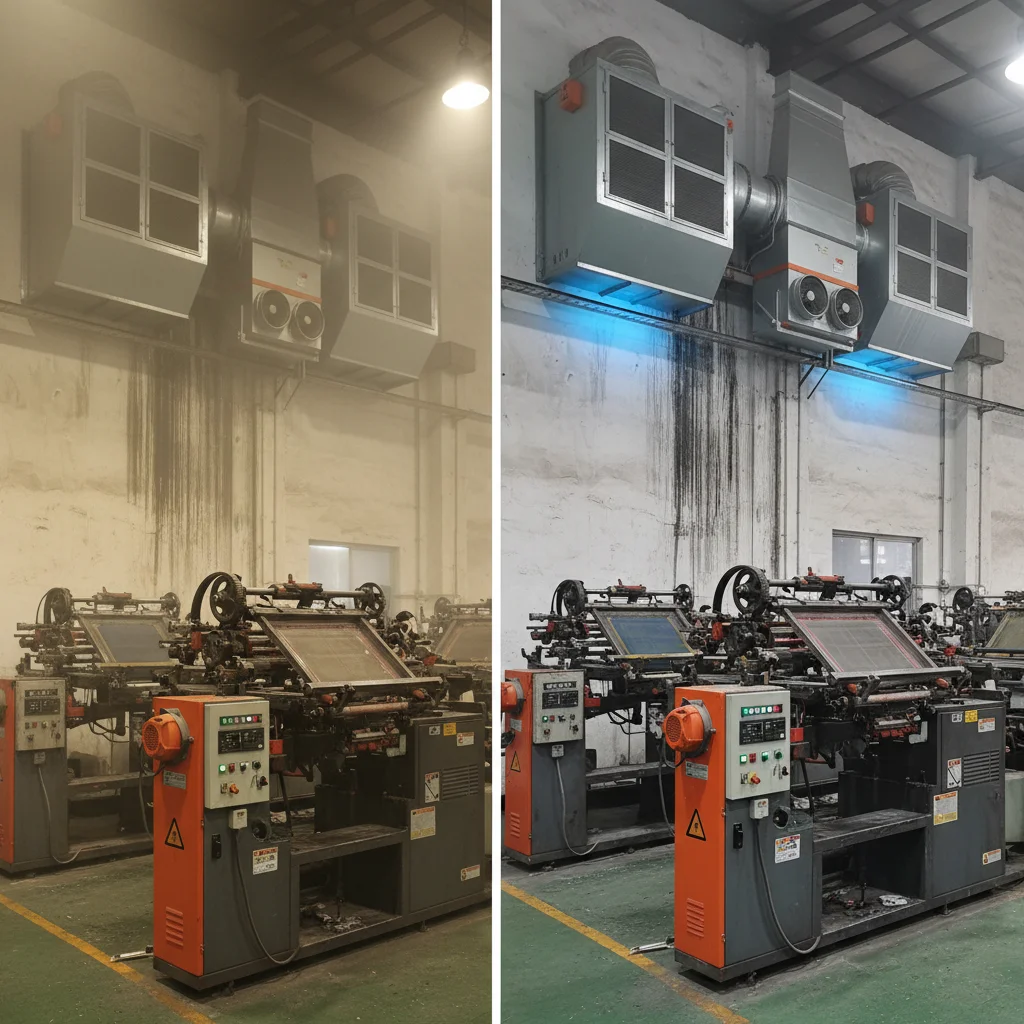
Industrial Wall Mounted Air Filtration for Clean Work Environments