
March 07, 2026
In the realm of electrical installation and cable management, efficient and precise cable tray forming is paramount. A cable tray forming machine is a crucial piece of equipment for businesses seeking to streamline their operations and ensure high-quality results. This article will explore the benefits, types, key considerations, and the latest innovations in cable tray forming technology, offering valuable insights for anyone involved in electrical construction, infrastructure projects, or cable management solutions. Proper cable management isn't just about aesthetics; it's about safety, efficiency, and longevity of electrical systems.
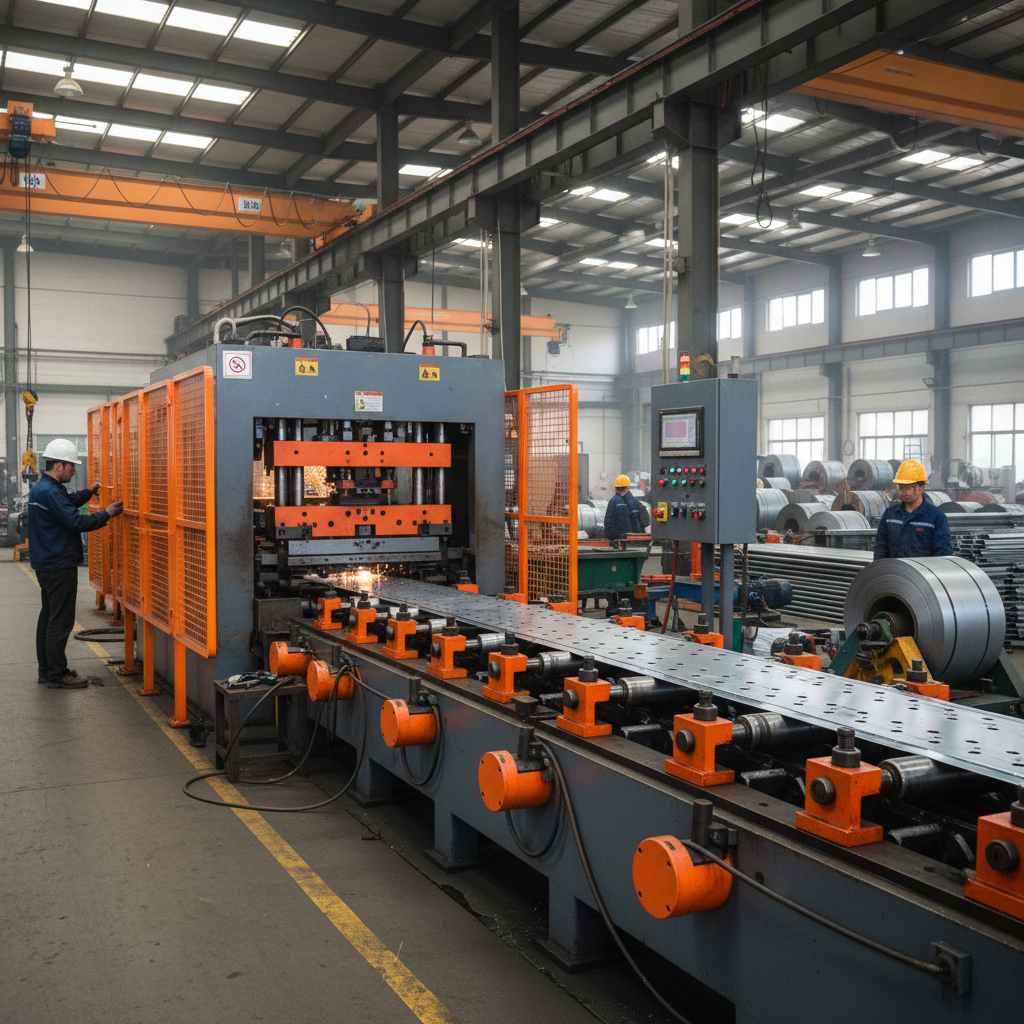
A cable tray forming machine is designed to bend and shape metal strips – typically steel or aluminum – into the desired profiles for cable trays. These machines automate a process that was once labor-intensive and prone to inconsistencies. They drastically reduce production time, improve accuracy, and minimize material waste. The core function is to create straight sections, bends, and tees in cable tray runs, all tailored to the specific requirements of the installation. Investing in a robust and reliable cable tray forming machine can significantly enhance a company’s capabilities and competitiveness.
Key Benefits: Reduced labor costs, increased production speed, improved accuracy, minimized material waste, consistent quality, and flexibility in design.
Several types of cable tray forming machines cater to different production scales and requirements. The most common include:
Choosing the Right Machine:
• Production Volume: High-volume needs favor roll forming.
• Design Complexity: Complex designs may require a combination machine.
• Budget: Press brakes are generally more affordable initially.
• Material Type: Ensure the machine can handle the chosen metal.
Selecting the right machine requires careful consideration of several factors. Production capacity is a crucial starting point; a machine’s throughput should align with your project demands. The range of tray profiles the machine can produce is equally important, as it determines its versatility. Material compatibility – ensuring the machine can handle the gauge and type of metal you use – is also essential. Finally, consider the level of automation, ease of use, and availability of maintenance and support. A reliable supplier like Mesh Machinery can provide expert guidance throughout this process.
The field of cable tray forming is constantly evolving. Modern machines incorporate features like CNC control for enhanced precision, automatic gauging systems for consistent quality, and remote monitoring capabilities for improved efficiency. The integration of Industry 4.0 principles – such as data analytics and predictive maintenance – is also gaining traction, allowing for optimized performance and reduced downtime. Mesh Machinery remains at the forefront of these innovations, delivering cutting-edge solutions to its clients.
Selecting a reliable supplier is as important as choosing the right machine. Mesh Machinery offers a comprehensive range of cable tray forming machines, backed by expert technical support, customized solutions, and a commitment to customer satisfaction. We provide end-to-end solutions, from initial consultation to installation, training, and ongoing maintenance. Partnering with us ensures a smooth and efficient implementation, maximizing your investment and boosting your productivity.
Investing in a high-quality cable tray forming machine is a strategic move for any business involved in electrical installation or cable management. It streamlines operations, enhances quality, and reduces costs. With the right machine and a reliable partner like Mesh Machinery, you can achieve superior results and gain a competitive edge in the market.
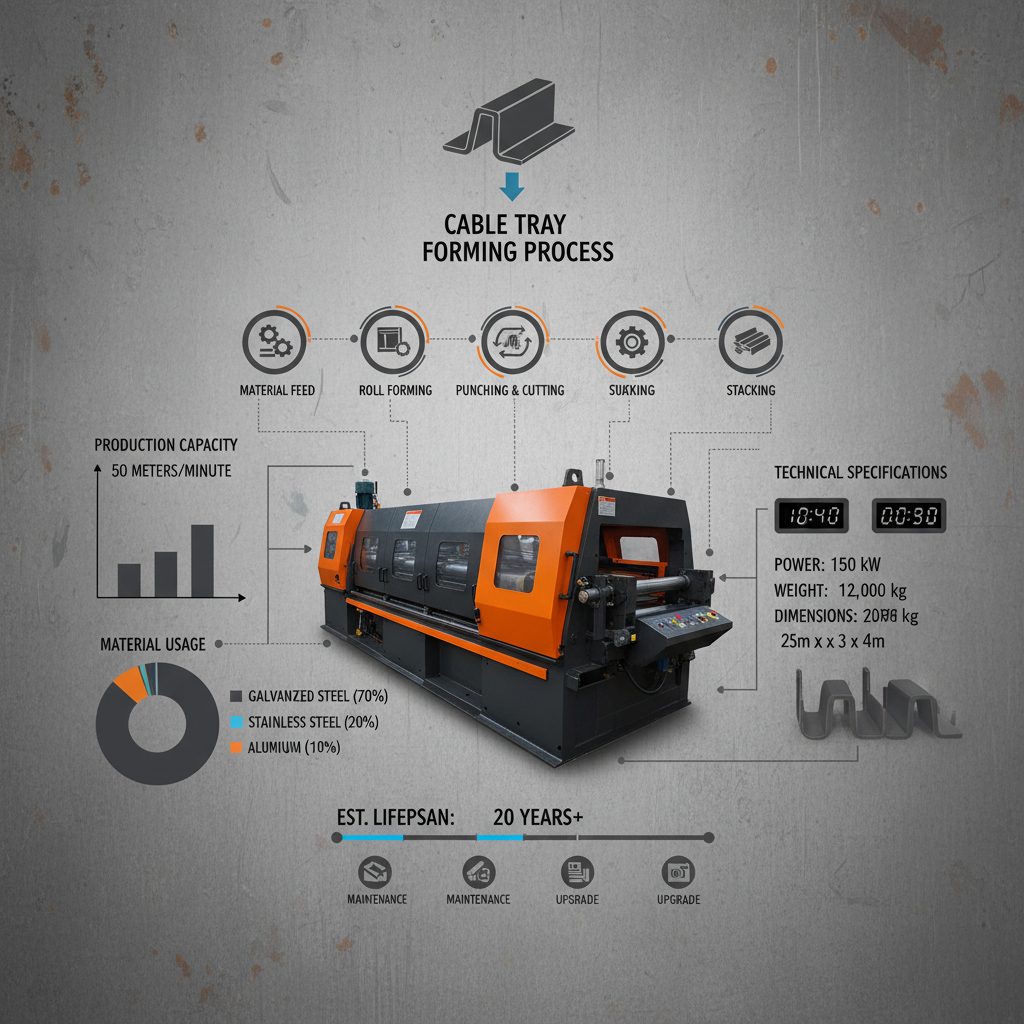
Most cable tray forming machines are designed to work with mild steel, galvanized steel, and aluminum. The gauge (thickness) of the material is also a key consideration. It’s important to specify the materials you’ll be using when selecting a machine to ensure compatibility. Some machines can handle stainless steel, but this typically requires specialized tooling and a more robust machine. Mesh Machinery offers machines capable of processing a wide variety of materials and gauges.
Production speed varies depending on the machine’s specifications, the complexity of the profile, and the material being used. However, a typical roll forming machine can produce anywhere from 10 to 50 meters of cable tray per minute. Higher-end machines with advanced automation features can achieve even faster speeds. It’s essential to assess your production needs and choose a machine accordingly.
Regular maintenance is crucial for ensuring optimal performance and longevity. This includes lubricating moving parts, inspecting rollers for wear and tear, checking the alignment of the machine, and cleaning the machine to prevent dust and debris buildup. Mesh Machinery provides comprehensive maintenance schedules and support services to help you keep your machine running smoothly.
Safety is paramount. Look for machines with features such as emergency stop buttons, safety guards to prevent access to moving parts, and overload protection systems. Proper training for operators is also essential to ensure they understand the machine's safety procedures. A reputable manufacturer will prioritize safety in their machine design and provide comprehensive safety documentation.
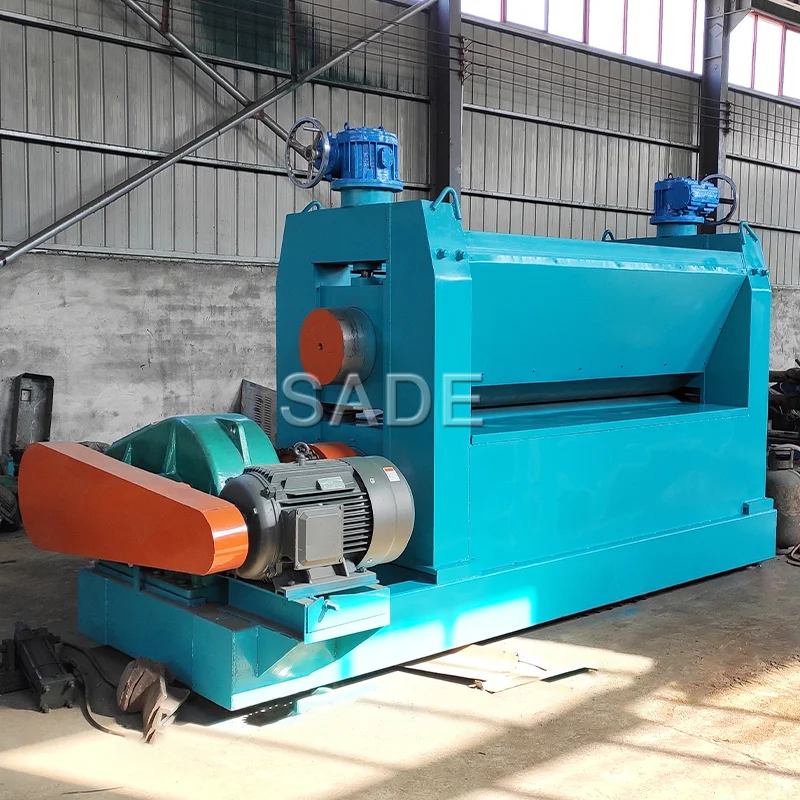
ZPJ Metal Mesh Flatting Machine
ZPJ metal mesh flatting machine is special designed for expanded metal flatting.It’s a corollary equipment of expanded metal machine. It can make expanded wire-mesh smoothly.And the flattened expanded metal have much more widely different applications.
Apr 24, 2026
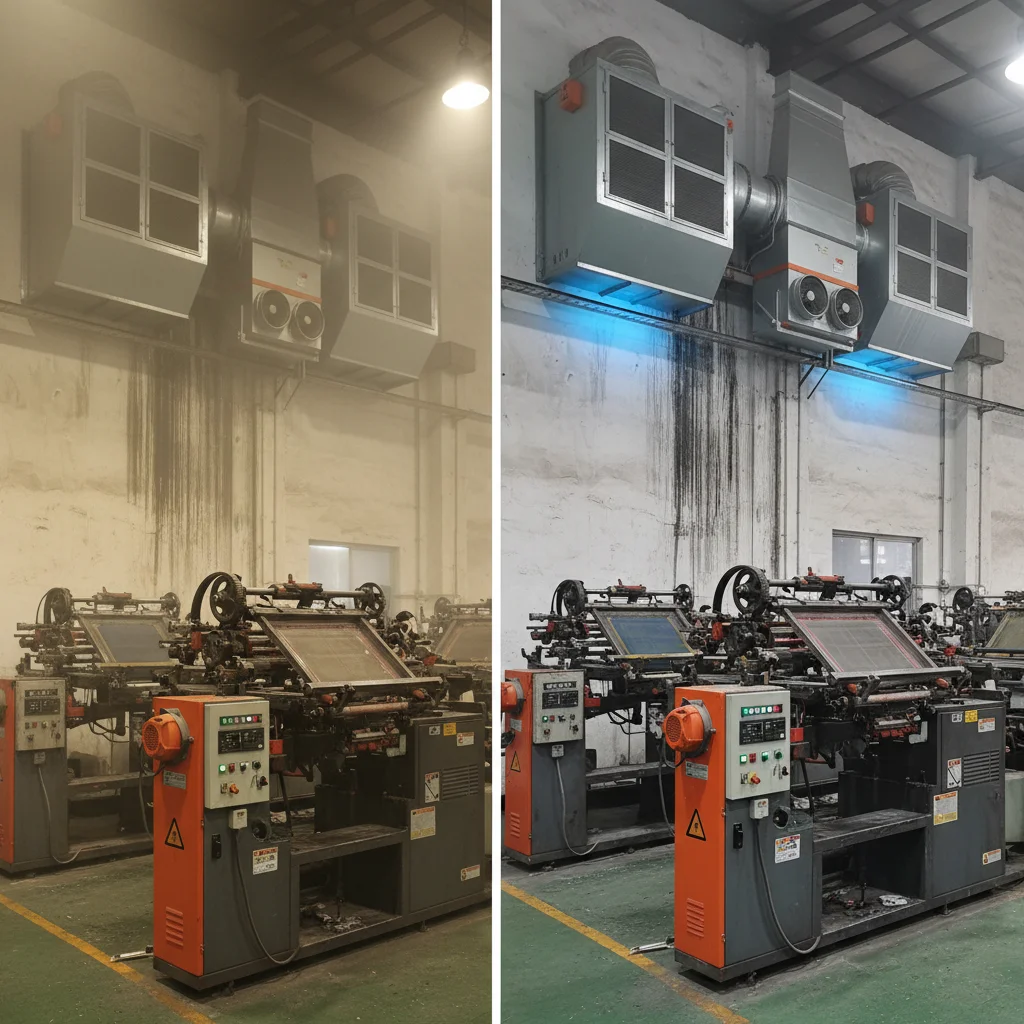
Industrial Wall Mounted Air Filtration for Clean Work Environments