
March 21, 2026
In the world of fabrication and metalworking, the demand for precision and efficiency is ever-increasing. A mesh welder emerges as a crucial tool, offering automated solutions for creating robust and consistent mesh structures. This article dives deep into the functionality, applications, benefits, and considerations when choosing a mesh welding machine. We’ll explore how advancements in this technology are shaping industries from agriculture to security, and why investing in a quality mesh welder is a strategic move for businesses seeking to streamline production and enhance product quality.
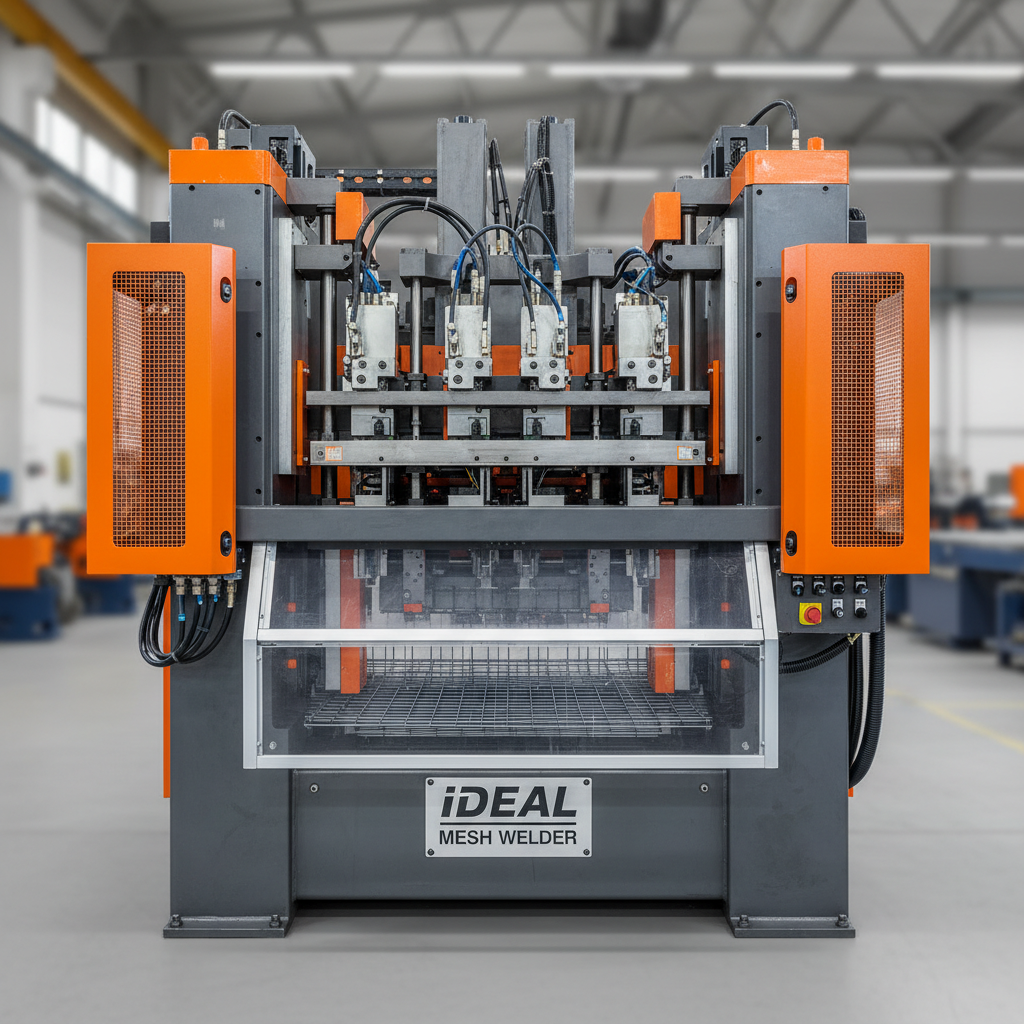
A mesh welder is an automated machine designed to fuse wires together at their intersecting points, creating a strong and consistent mesh structure. Unlike manual welding, which relies heavily on operator skill and can be prone to inconsistencies, mesh welding utilizes precise control systems. Typically, these machines employ resistance welding—a process where heat generated by the resistance to electric current passing through the wires melts the metal at the joint, creating a weld. Modern mesh welding machines are often equipped with programmable logic controllers (PLCs) allowing for customized weld patterns, wire spacing, and welding parameters. This level of control ensures consistent quality and minimizes material waste.
Key Benefits: Automated precision, consistent weld quality, reduced labor costs, increased production speed, and minimized material waste.
The versatility of mesh welding extends across numerous industries. In agriculture, it’s used to create fencing, animal enclosures, and support structures for crops. The construction industry benefits from welded mesh for reinforcement in concrete, creating lighter and stronger structures. Security applications leverage mesh welding to produce high-security fencing, cages, and barriers. Beyond these, you'll find mesh welding utilized in the manufacturing of shelving, display racks, filters, and even specialized components for the automotive industry. The ability to customize mesh dimensions and patterns makes it an invaluable tool for diverse applications.
Key Application Sectors:
• Agriculture: Fencing, crop supports
• Construction: Concrete reinforcement
• Security: Fencing, cages, barriers
• Manufacturing: Shelving, filters, automotive components
Selecting the ideal mesh welder requires careful consideration of several factors. The type of material you’ll be welding (e.g., steel, stainless steel, aluminum) is paramount, as different materials require different welding parameters. The wire diameter and mesh aperture size are also critical—the machine must be capable of handling the dimensions of your desired mesh. Production volume is another important factor. For high-volume production, a fully automated machine with advanced control systems is essential. Finally, consider the level of customization needed; some machines offer greater flexibility in weld patterns and mesh designs.
A high-performing mesh welder isn’t just about initial capabilities; it’s about sustained reliability. Regular maintenance is critical for optimal performance. This includes cleaning welding electrodes, checking and adjusting welding parameters, and lubricating moving parts. Inspecting wiring connections and ensuring proper grounding are also crucial for safety and preventing malfunctions. A well-maintained machine minimizes downtime, extends its lifespan, and ensures consistently high-quality welds. Investing in preventative maintenance programs offered by reputable manufacturers like Mesh Machinery can save significant costs in the long run.
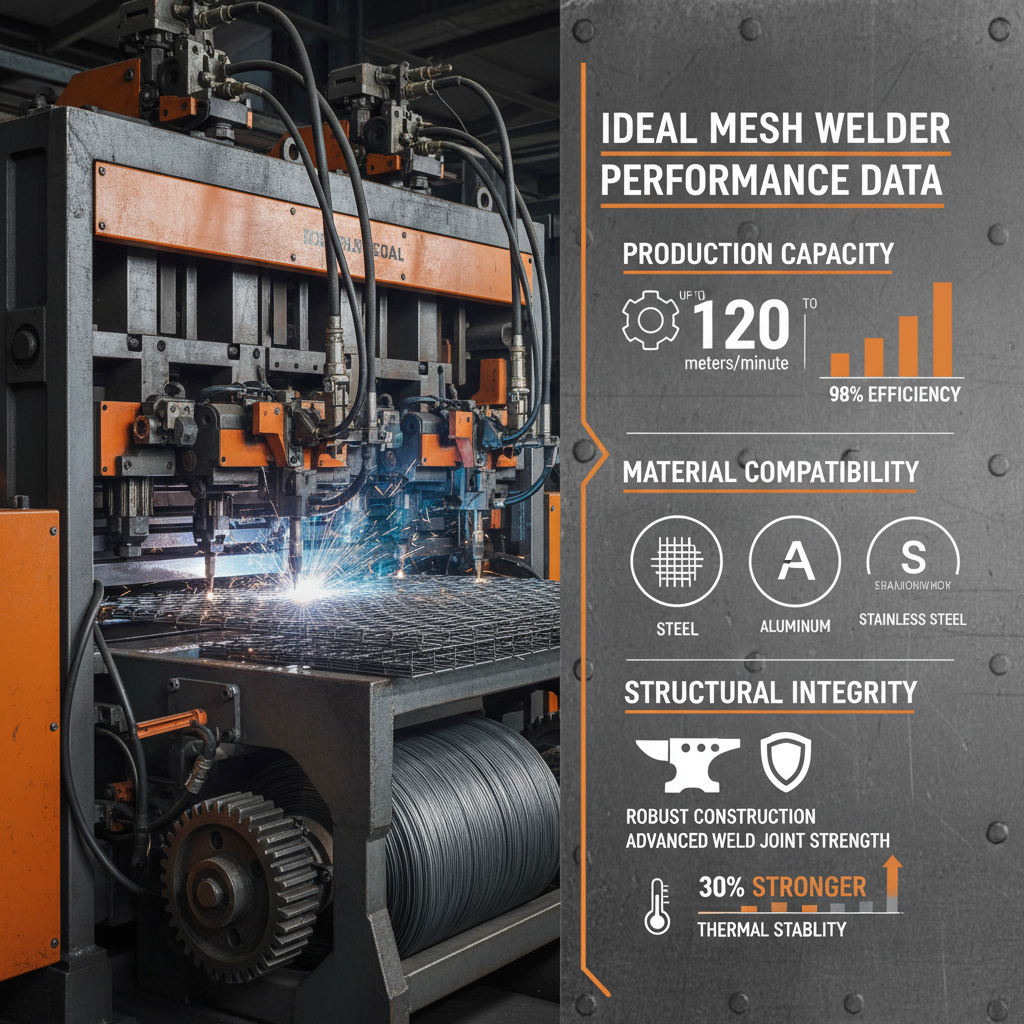
The field of mesh welding is continuously evolving. Recent advancements include the integration of artificial intelligence (AI) and machine learning algorithms to optimize welding parameters in real-time, leading to even greater precision and efficiency. The development of more versatile and adaptable welding heads is expanding the range of mesh designs that can be created. Furthermore, the increasing focus on sustainability is driving the development of energy-efficient mesh welding machines. As technology progresses, mesh welding machines will play an even more critical role in shaping the future of manufacturing and fabrication.
Investing in a mesh welder from a reputable provider like Mesh Machinery represents a strategic move for businesses aiming to improve efficiency, product quality, and overall competitiveness. By carefully considering your specific needs and selecting a machine that meets those requirements, you can unlock the full potential of this versatile technology.
Most mesh welders are designed to handle a variety of metals, including low-carbon steel, stainless steel, and aluminum. However, the specific material compatibility depends on the machine's capabilities and welding parameters. It's crucial to verify that the welder is suitable for the material you intend to use. Mesh Machinery offers models designed for a wide range of materials, ensuring versatility for diverse applications.
Production speed varies significantly depending on the machine's automation level, wire diameter, mesh aperture, and welding parameters. Fully automated machines can achieve significantly higher production rates compared to semi-automatic models. A typical high-volume machine can produce several meters of mesh per minute. Contacting Mesh Machinery will provide you with specific production speed data for their different models.
Safety is paramount. Key features include emergency stop buttons, safety guards to prevent accidental contact with moving parts, and proper electrical grounding to prevent shocks. Machines should also have overload protection to prevent damage to the welding circuitry. Mesh Machinery prioritizes safety in its designs, incorporating these features to ensure operator protection.
Power consumption varies depending on the machine's size and welding capacity. Smaller, less powerful machines may consume around 5-10 kW, while larger, high-volume machines can require 15-20 kW or more. It’s important to consider your facility's electrical infrastructure and ensure it can handle the machine's power requirements. Contact Mesh Machinery for specific power consumption details for each model.
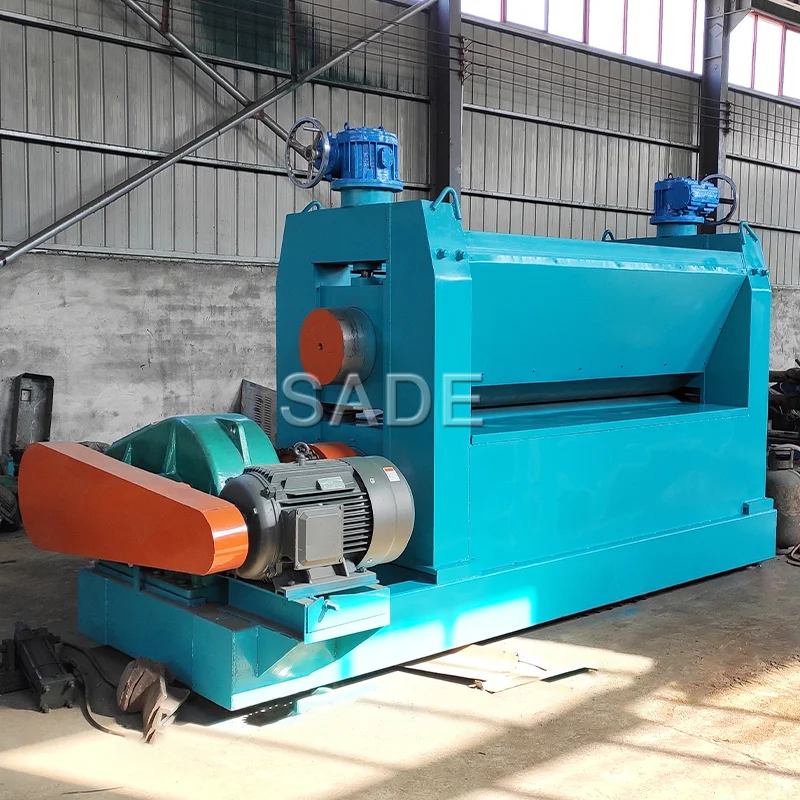
ZPJ Metal Mesh Flatting Machine
ZPJ metal mesh flatting machine is special designed for expanded metal flatting.It’s a corollary equipment of expanded metal machine. It can make expanded wire-mesh smoothly.And the flattened expanded metal have much more widely different applications.
Apr 24, 2026
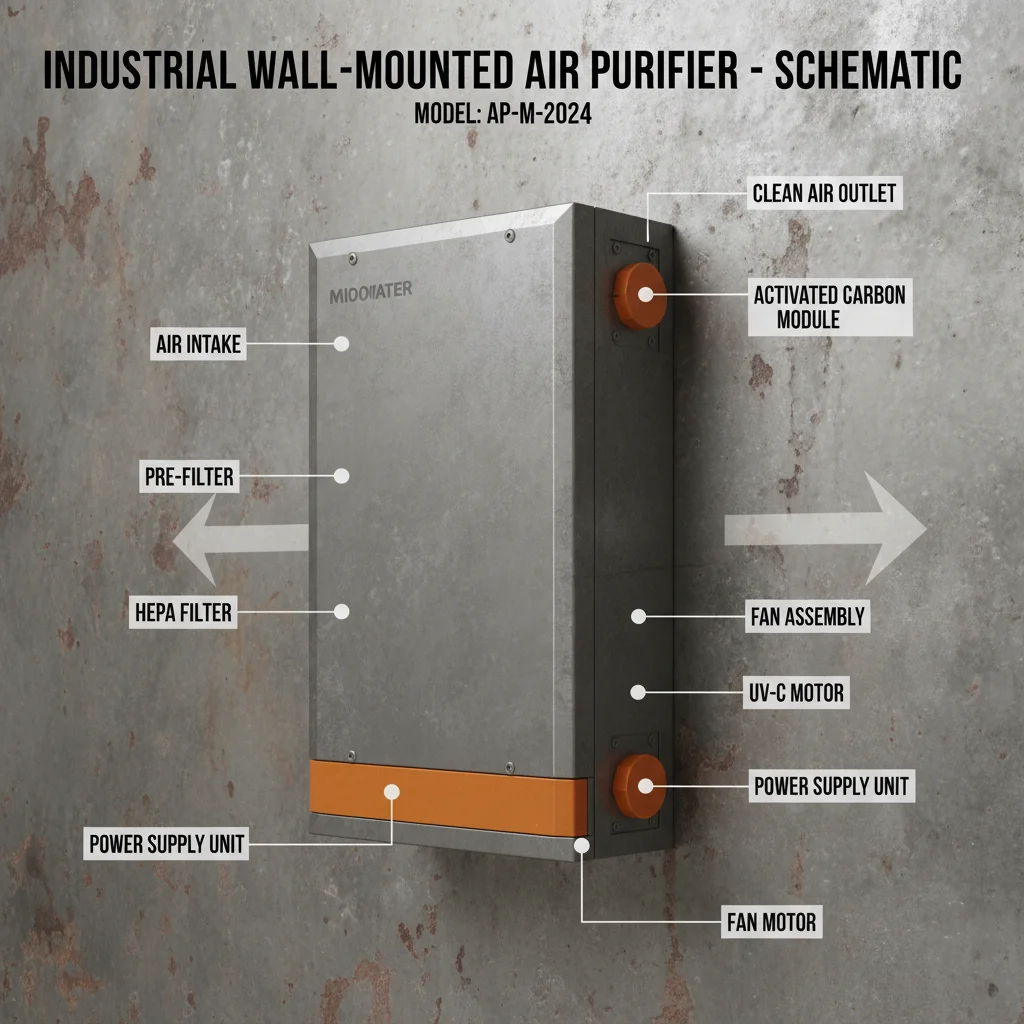
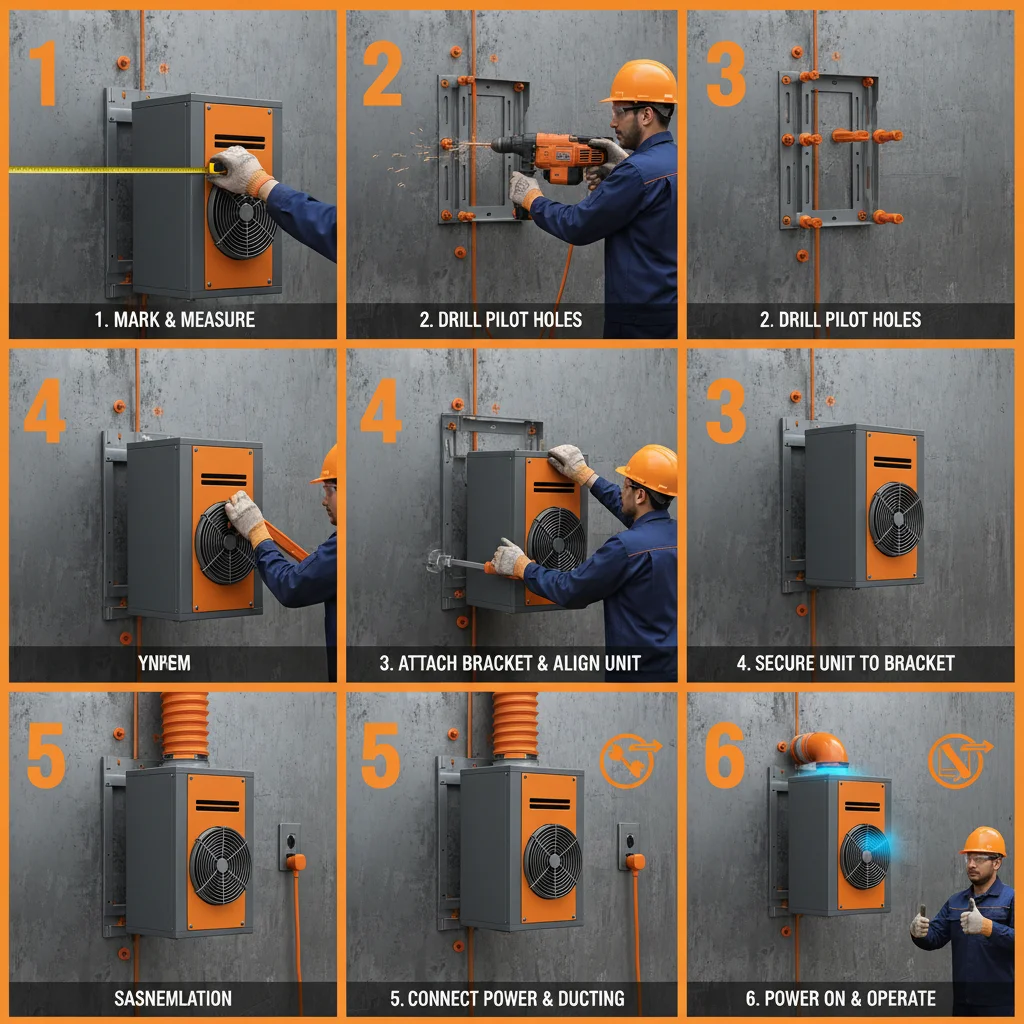
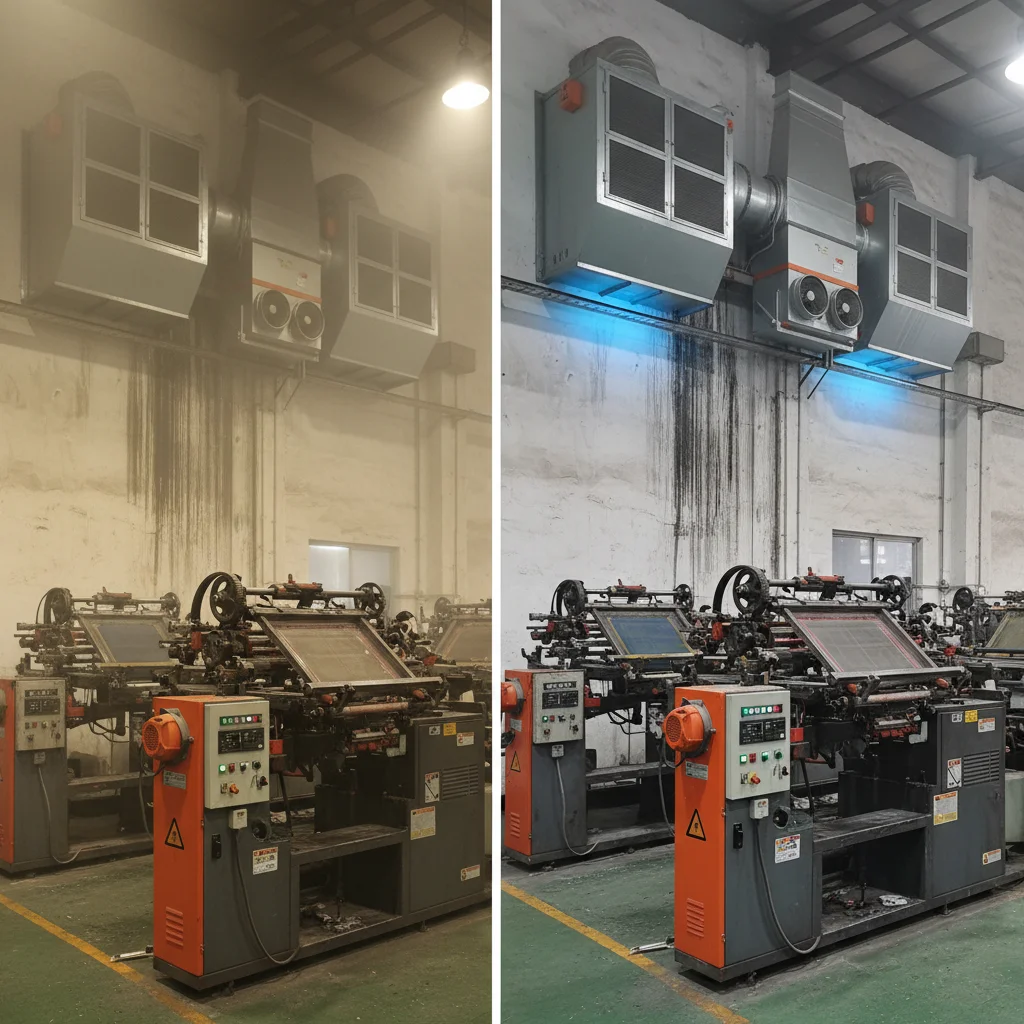
Industrial Wall Mounted Air Filtration for Clean Work Environments