
December 09, 2025
In the dynamic realm of modern construction, the integrity and longevity of structures hinge significantly on the quality of their foundational elements. Central to this is reinforced concrete, where steel rebar provides the tensile strength necessary to withstand immense pressures. However, raw rebar, straight and unyielding, requires precise shaping to conform to intricate architectural blueprints. This is where the bending machine rebar emerges as an indispensable tool, transforming raw steel into structurally vital components. Historically, this arduous task was performed manually, a process fraught with inaccuracies, inefficiencies, and significant physical strain. Today, advanced rebar bending machines offer unparalleled precision, speed, and safety, revolutionizing how reinforcement cages are assembled. This exploration delves into the critical role these machines play, examining their technical superiority, market landscape, customization potential, and real-world applications, ultimately guiding you toward optimizing your construction workflows and enhancing project outcomes.
The structural integrity of any reinforced concrete element – be it a column, beam, slab, or foundation – is directly proportional to the accuracy and quality of its rebar cages. Errors in rebar bending can cascade into significant problems, ranging from minor structural weaknesses to catastrophic failures, with profound economic and safety implications. Imagine a critical support beam in a high-rise building where the stirrups are incorrectly spaced or bent at the wrong angle; this seemingly minor oversight can compromise the entire structure's load-bearing capacity. Studies indicate that manual rebar bending can lead to up to a 15% material wastage due to improper cuts and bends, translating into millions of dollars in losses on large-scale projects annually. Furthermore, imprecise bending necessitates costly on-site rectifications, which can delay project timelines by weeks or even months, incurring significant labor and equipment rental charges. For instance, a major infrastructure project with a budget of $100 million could face an additional $2-3 million in direct costs solely from rebar rework if precision is not maintained from the outset. Automated rebar bending machines, by contrast, achieve accuracies within a millimeter, drastically reducing waste and rework. This level of precision is not merely about cost savings; it's about ensuring compliance with stringent building codes, enhancing structural resilience against seismic activity or extreme weather events, and ultimately safeguarding human lives. The shift towards automated bending is therefore not just an operational upgrade but a fundamental commitment to safety, efficiency, and sustainability in construction.
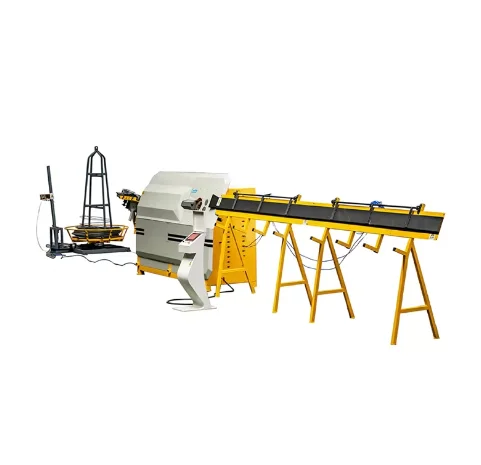
The evolution of rebar bending technology has progressed significantly from simple leverage tools to highly sophisticated, automated systems. Modern rebar bending machines integrate advanced features that dramatically enhance their performance and user-friendliness. Key technical advantages include Computer Numerical Control (CNC) systems, which allow operators to input precise bending angles and lengths, ensuring unparalleled accuracy and repeatability. This digital control eliminates human error, a common pitfall of manual methods. Hydraulic power systems provide immense force, enabling these machines to bend large diameter rebar (up to 50mm or 2 inches) with ease and speed. Automated feeding and cutting mechanisms further streamline the process, allowing for continuous operation and reducing manual intervention. Touch-screen interfaces with intuitive software make programming complex bends straightforward, even for operators with limited experience. Some high-end models offer 3D bending capabilities, fabricating intricate shapes essential for complex architectural designs like spiral columns or curved structural elements. Remote diagnostics and IoT integration are becoming increasingly common, allowing manufacturers to monitor machine performance, predict maintenance needs, and even troubleshoot issues remotely, minimizing downtime. This integration of smart technology not only boosts productivity but also enhances safety by automating hazardous tasks and providing real-time operational feedback. The result is a machine that is not just faster and more powerful, but also smarter, safer, and more adaptable to the evolving demands of modern construction projects.
Selecting the appropriate rebar bending machine requires a careful evaluation of various factors, including project scale, rebar types, desired automation level, and budget. The market offers a diverse range of machines, from compact portable units ideal for smaller jobs to industrial-scale automatic bending centers for high-volume production. Understanding the distinctions between leading manufacturers and models is crucial for making an informed investment. While specific brand names might vary by region, we can compare generalized attributes of machines typically found in the market. Below is a comparative table highlighting key features and performance indicators that prospective buyers should consider:
Feature/Manufacturer Type | Manufacturer Type A (Entry-Level/Portable) | Manufacturer Type B (Mid-Range/Semi-Automatic) | Manufacturer Type C (High-End/Fully Automatic CNC) |
Max Rebar Diameter Capacity | Up to 25mm (1 inch) | Up to 32mm (1.25 inches) | Up to 50mm (2 inches) |
Bending Speed (avg. bends/min) | 5-8 | 10-15 | 15-25+ (continuous) |
Automation Level | Manual feed & cut, electric/hydraulic bend | Automatic feed (optional), hydraulic bend, semi-automatic angle setting | Fully automatic feed, cut, bend; CNC programmable; integrated software |
Accuracy (Angle Tolerance) | ±2-3 degrees | ±1-2 degrees | ±0.5-1 degree |
Typical Price Range | $1,500 - $5,000 | $10,000 - $30,000 | $50,000 - $200,000+ |
Key Features | Portability, ease of use, basic bends | Increased capacity, faster operation, pre-sets | High speed, complex shapes, remote monitoring, software integration |
Ideal Application | Small construction sites, DIY, infrequent use | Medium-sized commercial projects, pre-fabrication yards | Large infrastructure projects, industrial rebar fabrication plants |
After-Sales Support | Basic (local dealer) | Standard (dealer network, parts) | Comprehensive (global network, dedicated technicians, software updates) |
This comparison underscores the vast differences in capability and investment. Portable machines offer flexibility for on-site adjustments, while high-end CNC systems excel in producing complex, high-volume rebar cages with minimal human intervention. Your choice should align with your operational scale, project complexity, and long-term strategic goals for efficiency and growth.
Modern construction projects are increasingly characterized by unique architectural designs and demanding structural requirements, which often necessitate rebar shapes that go beyond standard bends. This is where customized rebar bending solutions become invaluable. Instead of forcing designs to fit the limitations of conventional equipment or resorting to laborious and error-prone manual fabrication, bespoke bending strategies allow for unparalleled design flexibility and structural optimization. Customization can manifest in several ways: specialized tooling, for example, allows for bending rebar into unique radii, spirals, or multi-plane curves that standard dies cannot achieve. For instance, projects involving hyperbolic paraboloid roofs or intricately designed bridges often require rebar bent into highly specific, non-uniform curves. Software-driven customization is another powerful aspect; advanced CAD/CAM integration enables engineers to design complex rebar cages directly within their building information modeling (BIM) software, which then translates into machine-executable code. This seamless digital workflow minimizes interpretation errors and significantly accelerates the fabrication process. Furthermore, many high-end bending machines can be integrated with programmable logic controllers (PLCs) that allow for the creation of unique bending sequences and patterns, accommodating varying rebar diameters and steel grades within a single production run. This level of adaptability not only ensures that every piece of rebar precisely meets the project's specifications but also reduces material waste by optimizing stock utilization. The ability to produce complex, customized rebar shapes accurately and efficiently on demand is a significant competitive advantage, enabling contractors to undertake more ambitious projects and deliver superior structural quality.
The impact of advanced rebar bending machines is best understood through their application in diverse real-world projects, where they address specific challenges and contribute to successful outcomes. Consider the construction of high-rise skyscrapers in seismic zones. These structures demand intricate, densely packed rebar cages with precise stirrup placement and highly controlled bending radii to dissipate earthquake energy effectively. Automated rebar bending machines with their millimeter-level accuracy ensure that every rebar element conforms to stringent engineering specifications, crucial for the building's resilience. For example, on a recent 70-story tower project, the use of a fully automatic rebar bending system reduced the time required for cage assembly by 25% compared to previous projects using semi-manual methods, while simultaneously increasing material yield by 8%. Another compelling case is bridge construction, particularly long-span or arch bridges. These often require large-diameter rebar bent into enormous, consistent curves over vast distances. A manually bent rebar segment that is even slightly off could compromise the entire arch's load distribution. Modern CNC bending machines can produce these large, uniform curves with impeccable precision, significantly reducing fit-up issues on-site and accelerating erection times. In the realm of precast concrete manufacturing, where thousands of identical elements are produced, the repeatability and speed of automated bending machines are paramount. For instance, a precast factory manufacturing tunnel segments achieved a 30% increase in production throughput and a 12% reduction in labor costs after investing in a fleet of high-speed automatic rebar benders. These examples underscore how tailored and precise rebar bending solutions are not just about efficiency but are fundamental to the structural integrity, safety, and timely completion of complex and critical infrastructure projects globally.
As the construction industry continues its trajectory towards greater automation, sustainability, and data-driven decision-making, the role of sophisticated rebar bending machines will only expand. Investing in cutting-edge bending machine rebar technology is not merely an operational upgrade; it is a strategic decision to future-proof your business against evolving demands and competitive pressures. The immediate benefits are clear: superior precision, significant reductions in material waste, accelerated project timelines, and enhanced worker safety. Looking ahead, the integration of Artificial Intelligence (AI) and the Internet of Things (IoT) will further revolutionize these machines, enabling predictive maintenance, autonomous operation, and real-time optimization of bending processes based on live project data. Imagine machines that can self-diagnose issues, order replacement parts, and adjust their bending parameters in response to changes in rebar properties or design updates, all without human intervention. This vision of smart, interconnected fabrication promises unprecedented levels of efficiency and resilience. By embracing these advanced solutions today, construction firms can not only achieve immediate cost savings and productivity gains but also position themselves at the forefront of innovation, ready to tackle the increasingly complex and ambitious projects of tomorrow. The journey from manual labor to intelligent automation in rebar bending is a testament to the industry's commitment to building stronger, safer, and more sustainable structures for generations to come.
Q1: What are the primary types of bending machine rebar available?
A1: The primary types include manual rebar benders (for small jobs), electric/hydraulic portable rebar benders (for on-site flexibility), semi-automatic rebar benders (offering more power and capacity), and fully automatic CNC rebar bending and cutting machines (for high-volume, precise fabrication).
Q2: How does a CNC bending machine rebar enhance project efficiency?
A2: CNC machines enhance efficiency by providing unparalleled accuracy and repeatability, drastically reducing material waste, speeding up the bending process, minimizing human error, and allowing for rapid production of complex rebar shapes according to digital blueprints.
Q3: What factors should be considered when choosing a bending machine rebar?
A3: Key factors include the maximum rebar diameter to be bent, desired production volume, required accuracy, level of automation preferred, types of bends needed (e.g., standard, spiral, 3D), available budget, and after-sales support/maintenance considerations.
Q4: Can bending machine rebar handle different grades of steel?
A4: Yes, most modern rebar bending machines are designed to handle various grades of reinforcing steel (e.g., mild steel, high-yield steel) within their specified diameter ranges. However, it's crucial to check the machine's specifications for compatibility with specific steel grades and tensile strengths.
Q5: What safety features are important in a bending machine rebar?
A5: Essential safety features include emergency stop buttons, protective guards around moving parts, overload protection, automatic shut-off mechanisms, and clear operating instructions. Advanced machines may also feature laser safety scanners or light curtains.
Q6: How often does a bending machine rebar require maintenance?
A6: Maintenance frequency depends on usage and machine type, but generally, regular checks (daily/weekly) for wear and tear, lubrication of moving parts, and periodic professional servicing (monthly/quarterly) are recommended to ensure optimal performance and longevity.
Q7: What is the ROI (Return on Investment) for investing in an automated bending machine rebar?
A7: The ROI for automated rebar bending machines is typically significant due to reduced labor costs, substantial material savings from minimized waste, accelerated project timelines, improved structural quality, and enhanced worker safety. ROI can often be realized within a few years depending on project volume and initial investment.
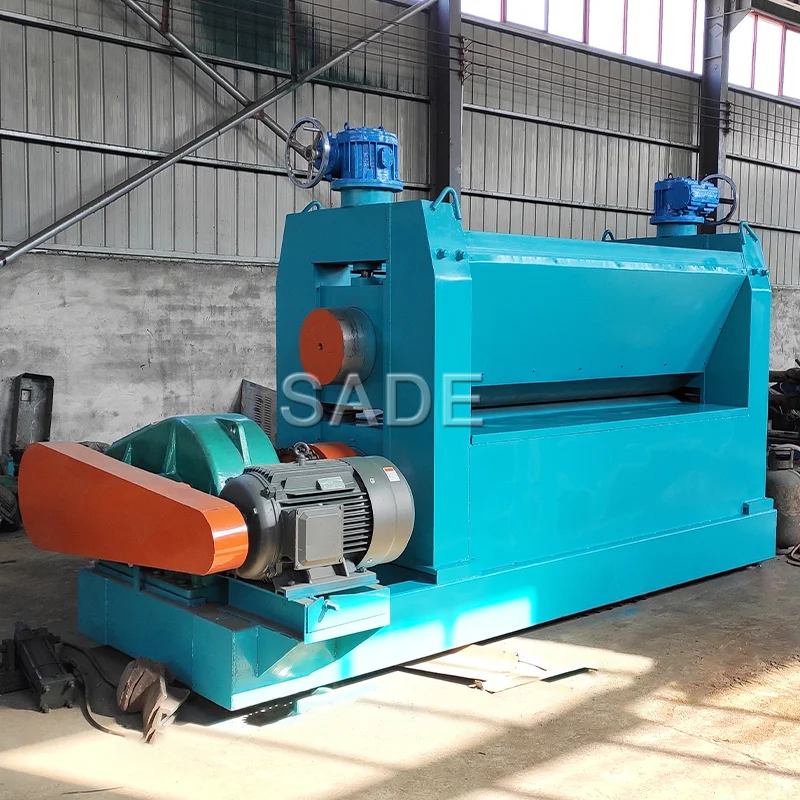
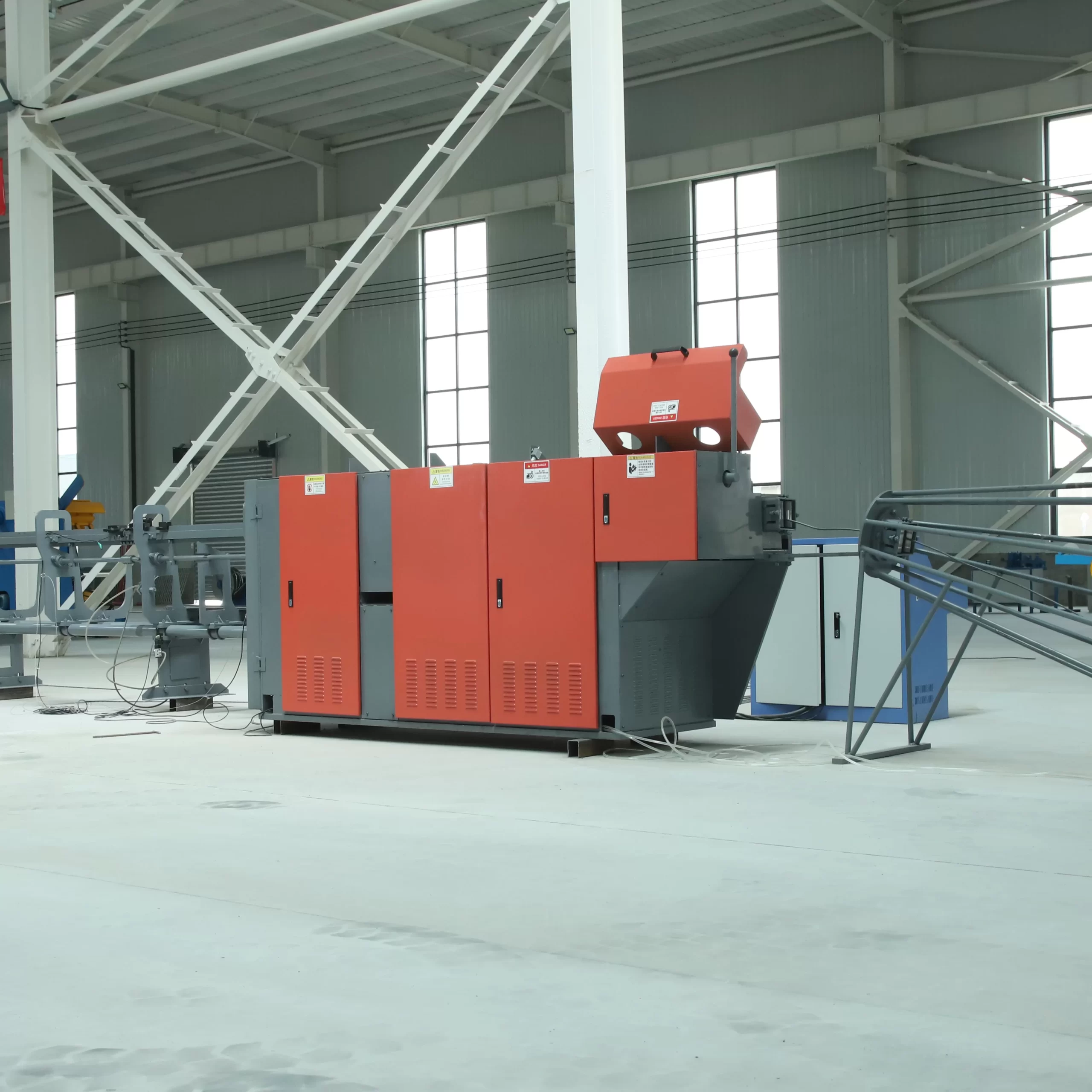
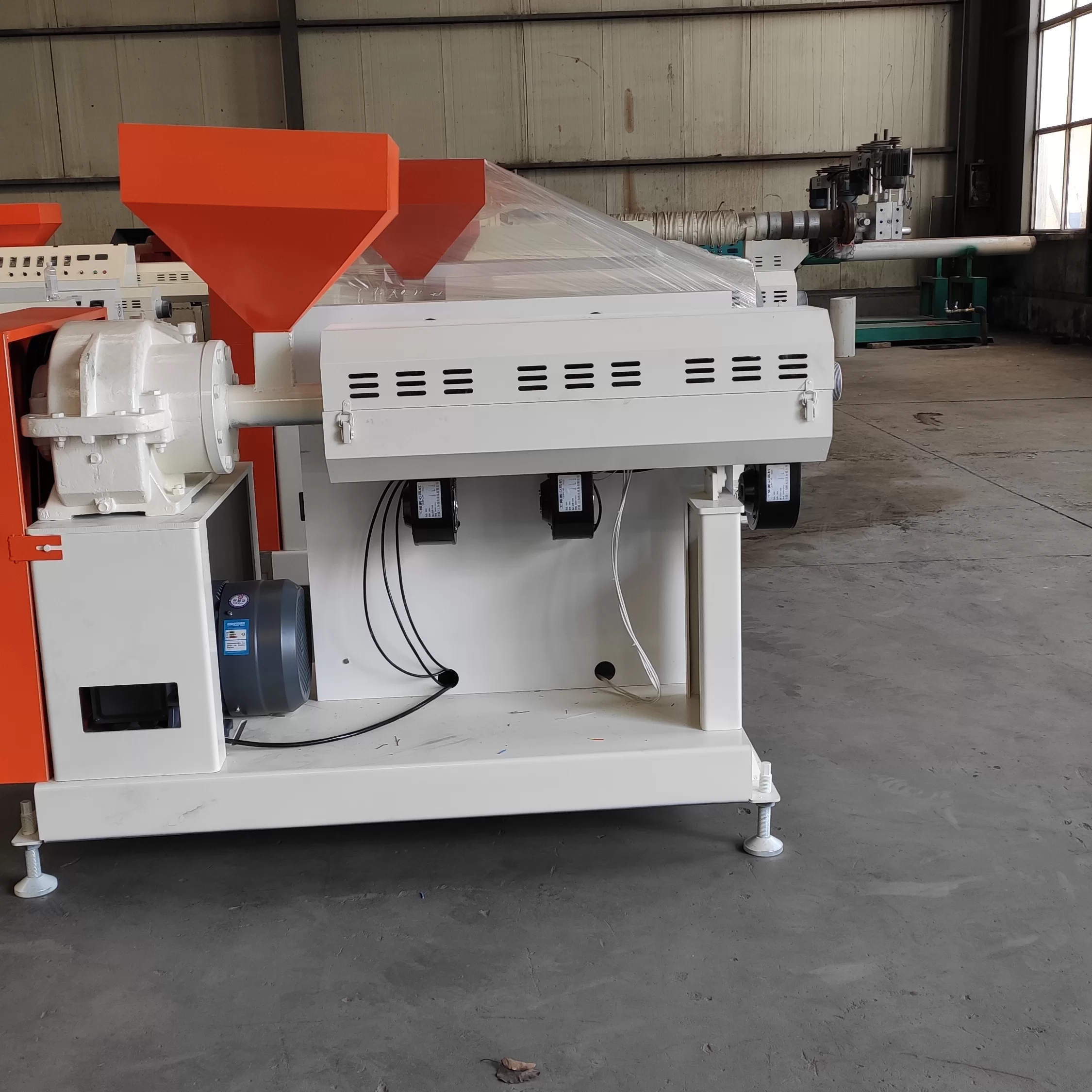
ZPJ Metal Mesh Flatting Machine
ZPJ metal mesh flatting machine is special designed for expanded metal flatting.It’s a corollary equipment of expanded metal machine. It can make expanded wire-mesh smoothly.And the flattened expanded metal have much more widely different applications.
Apr 24, 2026
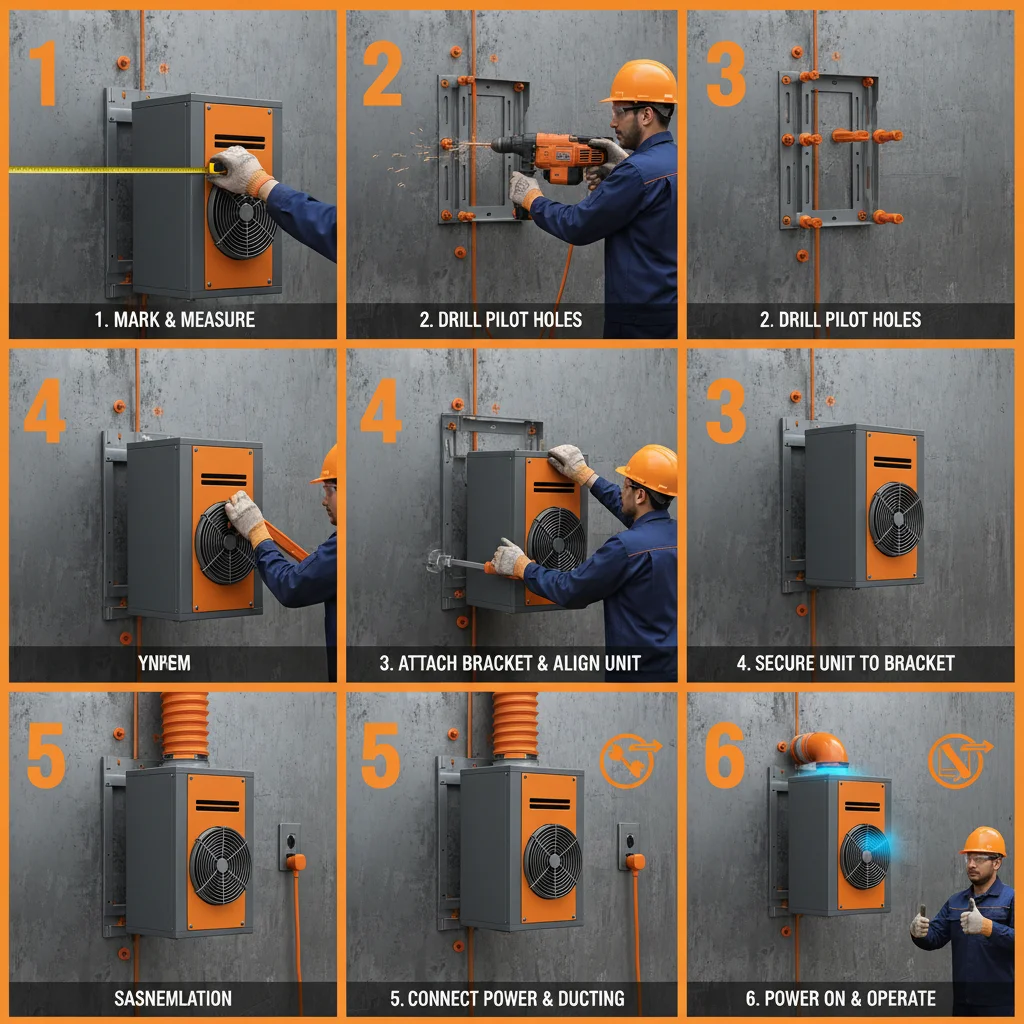
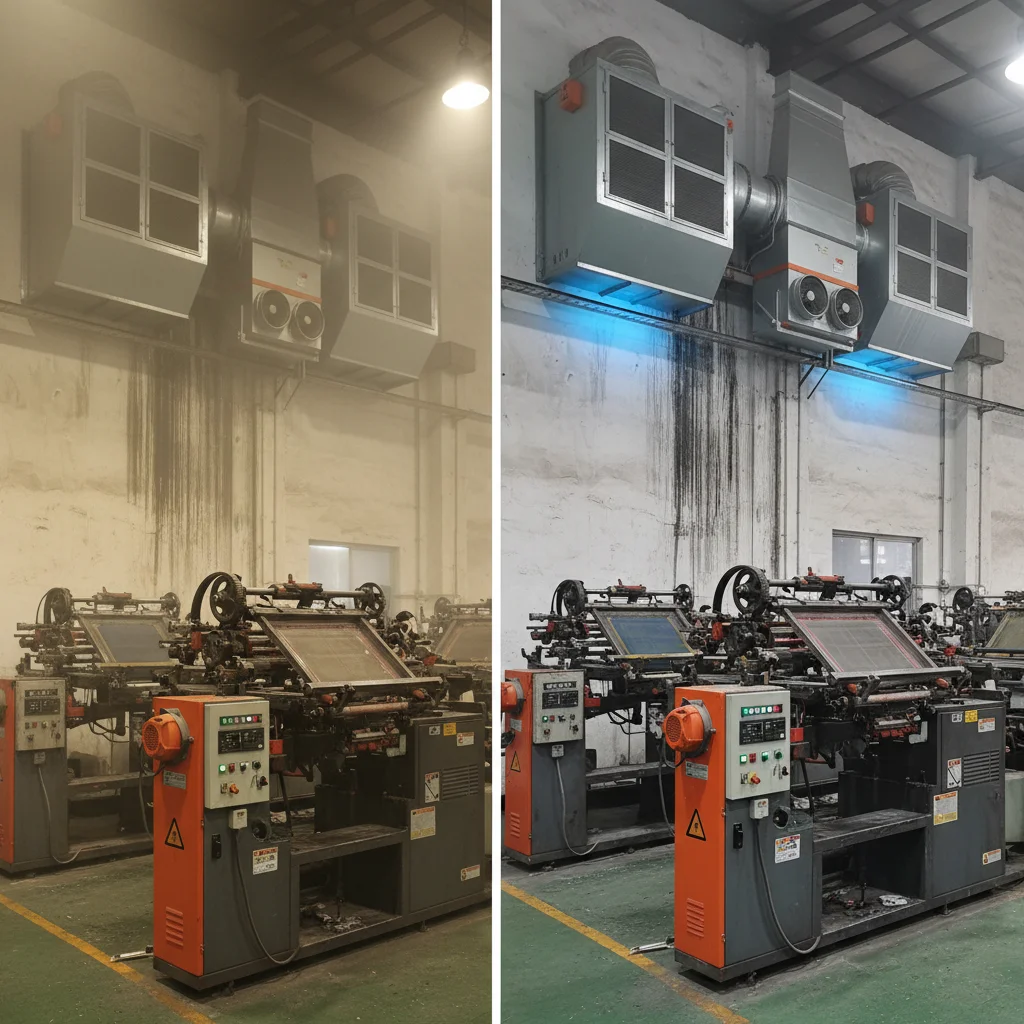
Industrial Wall Mounted Air Filtration for Clean Work Environments