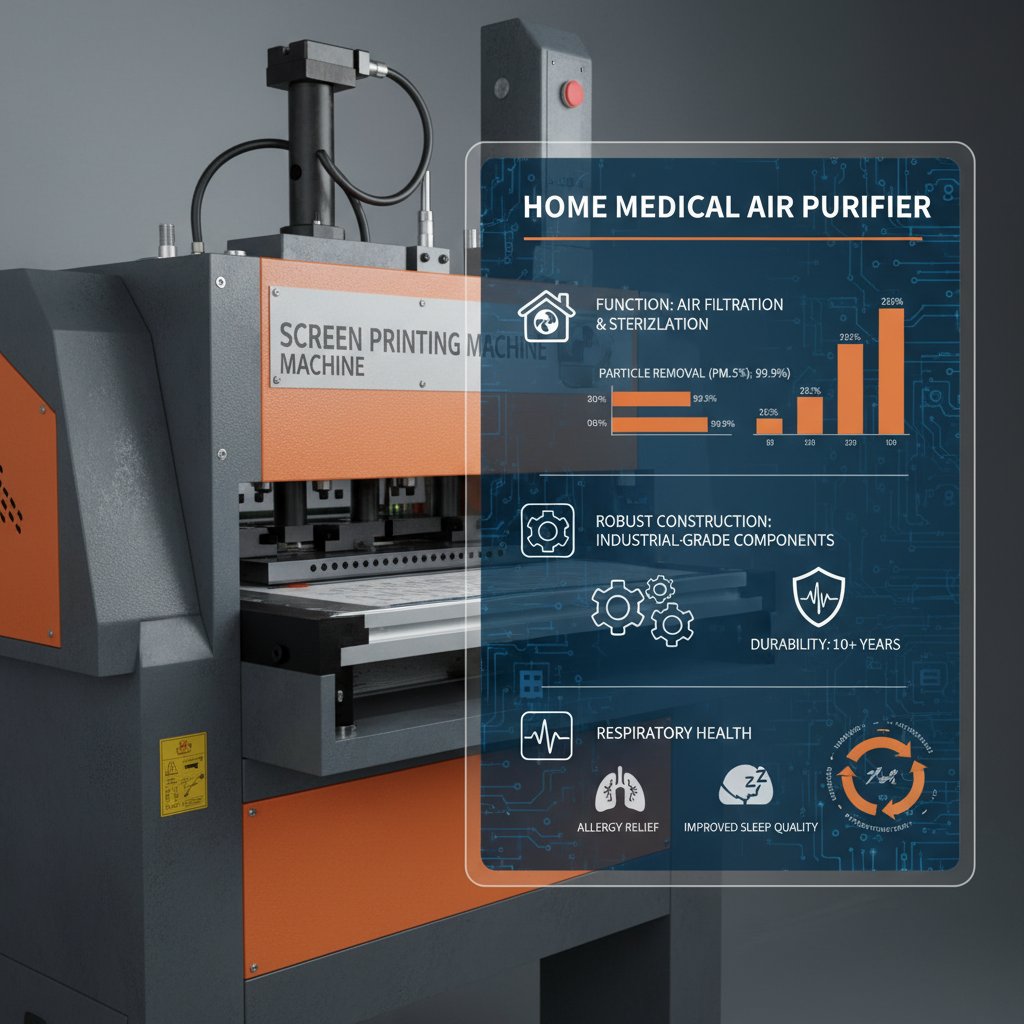
The air we breathe indoors often contains pollutants – dust, pollen, pet dander, mold spores, and even volatile organic compounds (VOCs). These can significantly impact health, particularly for individuals with allergies, asthma, or other respiratory conditions. A home medical air purifier is designed to address these concerns, actively removing these contaminants to create a healthier indoor environment. Understanding the intricacies of these devices is crucial in today's world, where people spend approximately 90% of their time indoors.
Globally, air pollution, both outdoor and indoor, is a leading environmental health risk factor. The World Health Organization (WHO) estimates that 4.2 million deaths annually are attributable to ambient air pollution. While much focus is on outdoor air quality, indoor air can be 2-5 times more polluted, and sometimes even higher. The increasing prevalence of respiratory illnesses and growing awareness of the importance of indoor air quality drive the demand for effective home medical air purifier solutions.
Investing in an effective system isn’t merely about convenience; it's about proactive health management. As urbanization continues and homes become more energy-efficient (and therefore less ventilated), the need for purification becomes even more critical. The development and understanding of home medical air purifier technology is now a vital component of modern wellness.
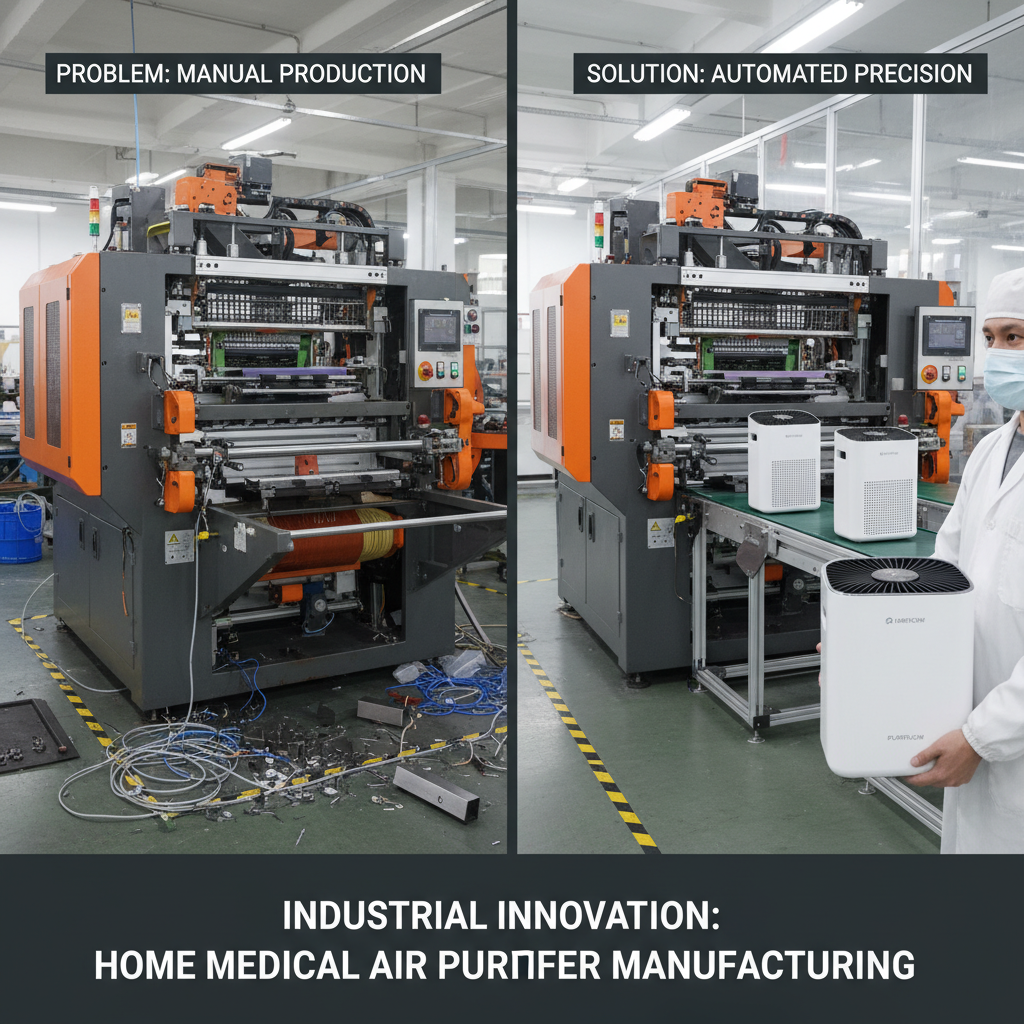
Introduction to Home Medical Air Purifiers
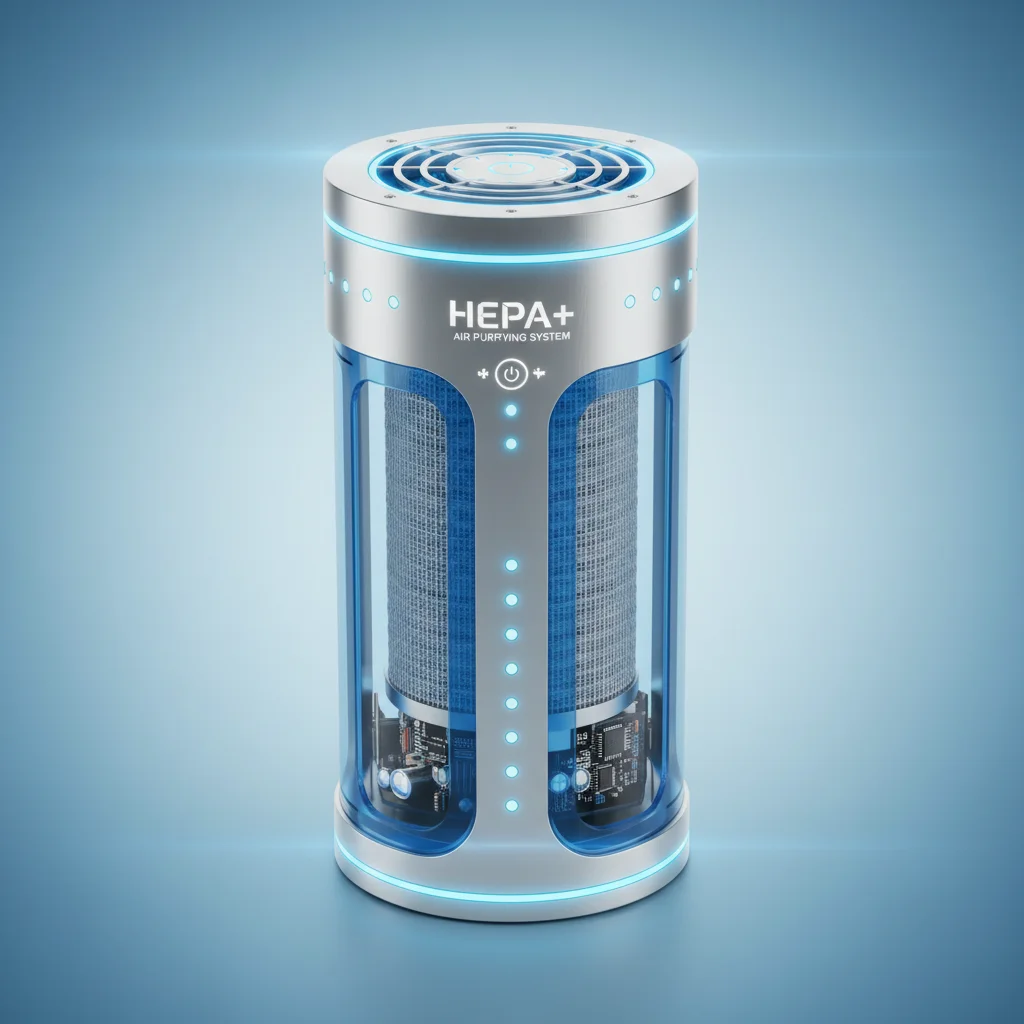
A home medical air purifier isn't simply a fan with a filter. It’s a sophisticated device utilizing a range of technologies to capture and neutralize airborne particles and gases. These systems are vital for protecting vulnerable populations like children, the elderly, and those with pre-existing respiratory conditions.
The effectiveness of a particular air purifier depends on several factors, including the type of filter used, the Clean Air Delivery Rate (CADR), the room size, and the specific pollutants present. Choosing the right model requires a careful assessment of these variables and an understanding of the technology involved.
Defining Home Medical Air Purification
Home medical air purification refers to the process of removing airborne contaminants from indoor spaces using specialized devices. These contaminants can include dust, pollen, pet dander, mold spores, bacteria, viruses, smoke, and volatile organic compounds (VOCs) emitted from household products. It's an extension of general air purification with a stronger focus on medical benefits and a higher standard of contaminant removal.
The need for medical-grade purification is becoming increasingly apparent as indoor air quality deteriorates due to tighter building construction and increased use of synthetic materials. These devices connect directly to improving patient health outcomes and are frequently recommended by healthcare professionals for individuals with allergies, asthma, or compromised immune systems.
This practice isn’t new, with rudimentary forms dating back to the early 20th century, but modern air purification leverages advanced filtration and sterilization technologies for superior performance and reliability. It plays a crucial role in maintaining a safe and healthy living environment, particularly for those most susceptible to air pollution-related illnesses.
Key Factors Influencing Air Purifier Performance
Several key factors determine the efficiency and effectiveness of a home medical air purifier. One crucial aspect is the filter type, with HEPA (High-Efficiency Particulate Air) filters being the gold standard for removing particles. Other technologies like activated carbon filters excel at adsorbing gases and odors.
Another significant metric is the Clean Air Delivery Rate (CADR), which indicates the volume of purified air an air purifier can deliver per minute. A higher CADR is generally desirable, especially for larger rooms. Room size also directly correlates with the required CADR – a smaller unit won’t effectively purify a large space.
Finally, the presence of additional features like UV-C sterilization and ionizers can enhance purification capabilities. However, it’s important to note that some ionizers may produce ozone, a potentially harmful byproduct, so selecting models with controlled ozone emission is crucial. Proper maintenance, including regular filter replacement, is also vital for sustained performance.
Global Applications and Use Cases
The application of home medical air purifier extends beyond residential settings. Hospitals and healthcare facilities routinely employ advanced air purification systems to prevent the spread of airborne infections and maintain sterile environments. Schools and daycare centers utilize these systems to protect children from allergens and pollutants.
In regions with high levels of outdoor air pollution, such as major cities in China and India, air purification is almost a necessity. The demand is also surging in areas affected by wildfires, where smoke inhalation poses a significant health risk. The growing prevalence of allergies globally also contributes to the widespread adoption of these devices.
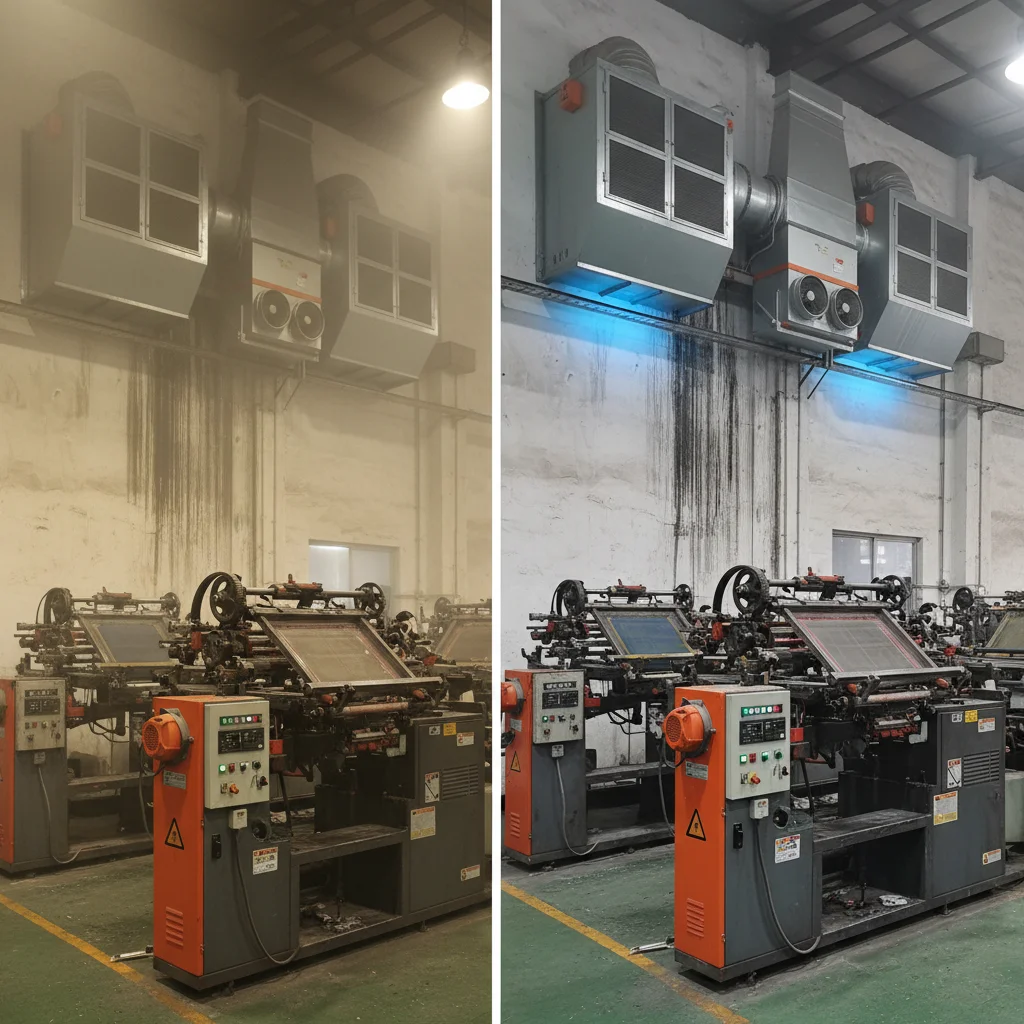
Furthermore, specialized air purification systems are being integrated into ventilation systems in commercial buildings and offices to improve indoor air quality and enhance employee well-being. In post-disaster relief operations, portable air purifiers are deployed to provide clean air in temporary shelters and aid stations, proving their versatility in diverse scenarios.
Comparison of Air Purifier Technologies
Advantages and Long-Term Value
The advantages of utilizing a home medical air purifier are numerous. Tangible benefits include reduced allergy symptoms, improved respiratory health, and decreased exposure to harmful pollutants. Long-term value lies in preventative healthcare, potentially reducing the frequency of doctor visits and medication needs.
Beyond the physical health benefits, improved air quality can boost cognitive function, increase productivity, and enhance overall well-being. There’s also a sense of security and peace of mind knowing you’re providing a healthier environment for yourself and your family. Economically, high-efficiency models can offer long-term savings compared to the ongoing costs of managing air pollution-related illnesses.
Future Trends and Innovations
The future of home medical air purifier technology is poised for significant advancements. Expect to see the integration of smart home technology, allowing for remote monitoring and control via smartphone apps. Nanomaterials are also being explored for their enhanced filtration capabilities.
Greater emphasis will be placed on energy efficiency and sustainability, with designs minimizing power consumption and utilizing eco-friendly materials. The development of self-cleaning filters and predictive maintenance algorithms will further reduce maintenance requirements and extend the lifespan of these devices.
Challenges and Solutions
One common challenge is the cost of replacement filters, which can add up over time. Solutions include the development of longer-lasting filters and subscription services offering convenient filter replacements. Another issue is the potential for ozone generation by some ionizers – choosing certified low-ozone models is vital.
Ensuring accurate CADR ratings and transparent product labeling remains a challenge. Independent testing and certification programs can help consumers make informed choices. Educating the public about the importance of proper air purifier usage and maintenance is also crucial for maximizing effectiveness.
Finally, addressing the need for affordable air purification solutions in developing countries is critical. Innovative financing models and the development of low-cost, effective air purifiers can help bridge this gap and make clean air accessible to all.
Frequently Asked Questions About Home Medical Air Purifiers
| Filter Type |
Replacement Frequency |
Room Size Suitability |
Noise Level |
| HEPA |
Every 6-12 months |
Small to Medium Rooms |
Low |
| Activated Carbon |
Every 3-6 months |
All Room Sizes |
Medium |
| True HEPA + Carbon |
HEPA: 6-12 months, Carbon: 3-6 months |
Medium to Large Rooms |
Medium |
| UV-C Sterilization |
Bulb Replacement Every 1-2 years |
Small to Medium Rooms |
Quiet Operation |
| Electrostatic Precipitator |
Cleaning Plates Regularly |
Large Rooms |
Can be Noisy |
| Ionizer |
Minimal Maintenance |
Small Rooms |
Silent |
FAQS
A home medical air purifier can significantly improve indoor air quality by removing allergens, dust, pollen, pet dander, mold spores, smoke, and volatile organic compounds (VOCs). This can lead to reduced allergy and asthma symptoms, improved respiratory health, and a decreased risk of airborne illnesses. They’re particularly beneficial for individuals with pre-existing respiratory conditions, children, and the elderly, providing a healthier and more comfortable living environment.
Filter replacement frequency depends on the type of filter and usage. HEPA filters typically need replacing every 6-12 months, while activated carbon filters require changing every 3-6 months. Some models have filter change indicators. Regularly checking and replacing filters is crucial for maintaining optimal performance and air quality. Ignoring filter replacements can actually decrease the purifier’s effectiveness and potentially release captured pollutants back into the air.
The appropriate air purifier size depends on the room’s square footage. Check the air purifier’s Clean Air Delivery Rate (CADR) and ensure it's suitable for the room size. Generally, a higher CADR is needed for larger rooms. Manufacturers typically provide guidelines for room size compatibility. It's best to slightly overestimate the required size for optimal performance.
Some ionizers can produce ozone, a lung irritant. While low levels of ozone are often considered acceptable, it's best to choose air purifiers that are certified to emit low or no ozone. Look for models that use ionization technology responsibly, or opt for air purifiers that utilize alternative filtration methods like HEPA and activated carbon without relying on ionization.
Place the air purifier in a central location in the room, away from obstructions. Keep windows and doors closed to prevent outdoor pollutants from entering. Regularly clean the air purifier's exterior and pre-filter to remove accumulated dust. Most importantly, replace the filters according to the manufacturer's recommendations. For optimal air circulation, consider using a fan in conjunction with the air purifier.
Air purifiers with HEPA filters can capture airborne particles, including those carrying viruses like COVID-19. While they don’t eliminate the virus entirely, they can significantly reduce its concentration in the air, lowering the risk of transmission. Combining air purification with other preventative measures, such as vaccination, masking, and social distancing, provides the best protection.
Conclusion
In conclusion, home medical air purifier are an increasingly vital component of modern health and wellness. From alleviating allergy symptoms and improving respiratory health to creating safer indoor environments, the benefits are substantial and far-reaching. Understanding the underlying technologies, key performance factors, and emerging trends is essential for making informed decisions.
Looking ahead, continued innovation in air purification technology promises even more effective and sustainable solutions. Investing in a high-quality air purifier is an investment in your health and the health of those around you. Visit our website at www.meshmachinery.com to explore our range of advanced home medical air purification systems and find the perfect solution for your needs.