Look, I've been running around construction sites for, honestly, feels like a lifetime. You see a lot of things, right? Lately, everyone's obsessed with prefabrication. Modular this, containerized that. It’s the big push. And it makes sense – labor’s expensive, timelines are tight… but it's not a magic bullet. People think they can just slap things together and call it a day. They forget about the little things. That’s where we come in, I guess.
The whole hyperbaric oxygen chamber manufacturing world is evolving fast. There's demand globally, especially in remote areas – think oil rigs, underwater construction, even high-altitude research. The UN and World Bank are pushing for more readily deployable solutions, you know, for disaster relief and healthcare access in underserved communities. It’s a good thing, really. But it also means everyone’s looking for quicker, cheaper, more reliable chambers.
What people don’t realize is that ‘quick’ and ‘cheap’ don’t always mean good. We're not just building boxes; we’re building life-support systems. Mistakes aren't just costly; they're…well, you don't want to think about the consequences. hyperbaric oxygen chamber manufacturers understand that, or they should.
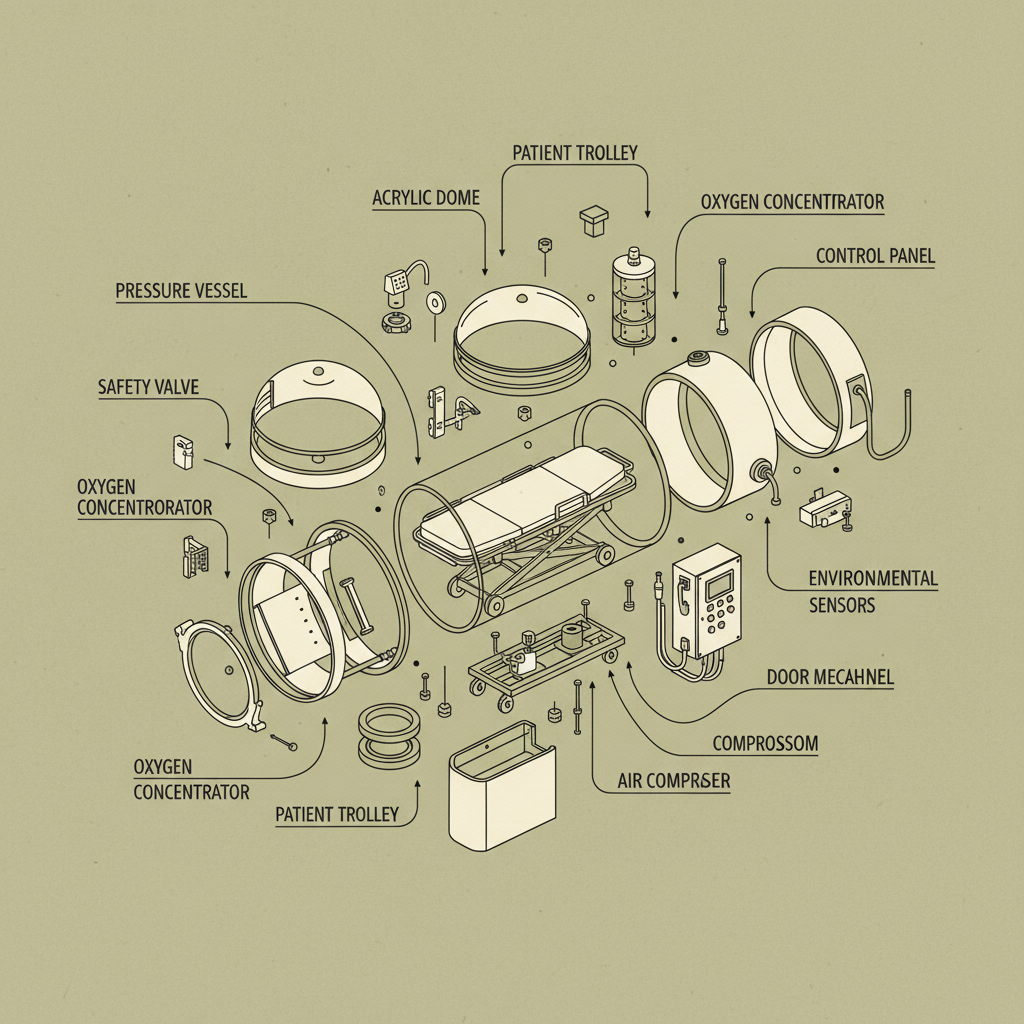
The Current Landscape of Hyperbaric Oxygen Chamber Manufacturers
To be honest, the market is flooded right now. Everyone and their brother is claiming to build the best chamber. You’ve got the established European firms, very precise, very expensive. Then you have the Chinese manufacturers – price is right, but quality control…let’s just say I’ve seen some things. And then there’s a whole bunch of smaller players trying to carve out a niche. You gotta be careful who you trust.
Have you noticed how many companies are focusing on portability? That’s the big thing. Deployable chambers for disaster zones, for military applications, for remote medical clinics. It's a good idea, but shrinking the footprint while maintaining structural integrity? That’s a tough engineering problem. It's not just about making it smaller; it’s about making it safe when it’s smaller.
Defining Quality in Hyperbaric Chamber Construction
Look, at the end of the day, it's about pressure. And materials. These things have to withstand incredible forces. You can’t cut corners. The steel needs to be properly certified, the acrylic has to be flawless, the seals need to be… well, they need to seal. Sounds obvious, right? But I encountered this at a factory in Ningbo last time, and they were using acrylic that was clearly seconds. Visible scratches, inconsistencies in thickness. I told them right then and there, "This isn’t going to fly."
It's not just the materials themselves. It’s the welding, the fabrication process, the quality control checks. You need skilled technicians, not just someone who knows how to run a machine. And you need independent verification. Don’t just take their word for it. Get it tested, get it certified, get a second opinion.
Strangely, a lot of manufacturers try to hide their welding processes. They don't want you to see the quality, or lack thereof. That's a red flag right there. A good weld should be smooth, consistent, and fully penetrated. Anything less is a compromise.
Critical Factors: Materials, Durability, and Safety
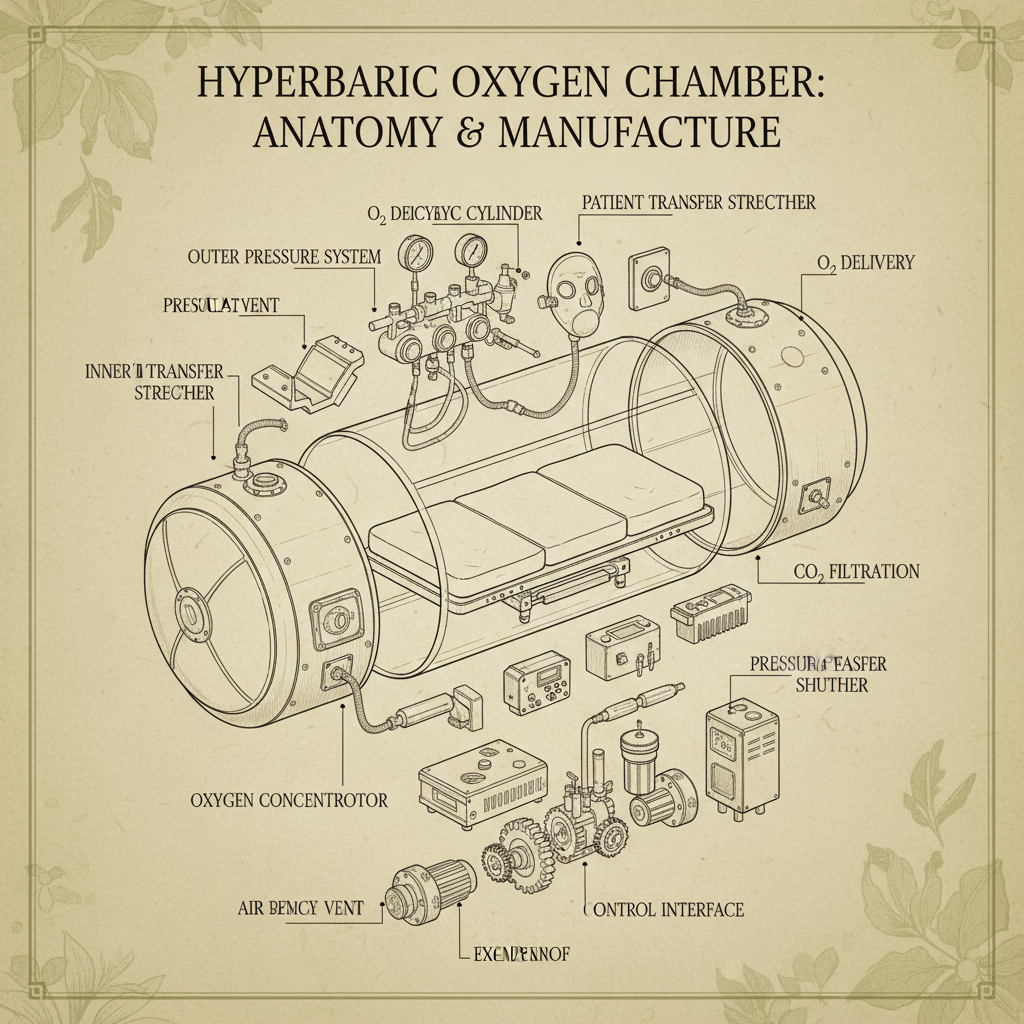
The steel is critical, obviously. We mostly use ASTM A516 Grade 70, it's a good balance of strength and weldability. You'll also see stainless steel used, especially for internal components to resist corrosion. The acrylic… that’s where things get tricky. It needs to be incredibly clear, but also incredibly strong. We go with a PMMA (Polymethyl methacrylate) with a minimum thickness of 3 inches, but even that’s not foolproof.
Durability comes down to design and construction. The chamber needs to be able to withstand repeated pressurization and depressurization cycles without fatigue. We do a lot of finite element analysis (FEA) to identify stress points and optimize the design. It's not glamorous, but it's essential. The seals are often overlooked, but they’re vitally important. We use a multi-layered seal system with redundant backups.
And safety… well, that’s paramount. We incorporate multiple safety features, including pressure relief valves, oxygen sensors, and emergency descent systems. We also have a comprehensive training program for operators. Because even the best chamber is useless if the people using it don’t know what they’re doing.
Real-World Applications and Deployment Challenges
These chambers are used in everything from treating carbon monoxide poisoning to healing chronic wounds. They’re also becoming increasingly popular for sports medicine – recovery from injuries, enhancing performance. And, of course, there’s the diving industry. Treating decompression sickness. That's serious stuff.
But getting them to where they’re needed is often the biggest challenge. Remote locations, disaster zones… logistics can be a nightmare. That's why portability is so important. We've designed chambers that can be transported in standard shipping containers, or even by helicopter. It’s not easy, but it's necessary.
Hyperbaric Oxygen Chamber Manufacturers: Deployment Cost Comparison
Advantages, Limitations, and Long-Term Value
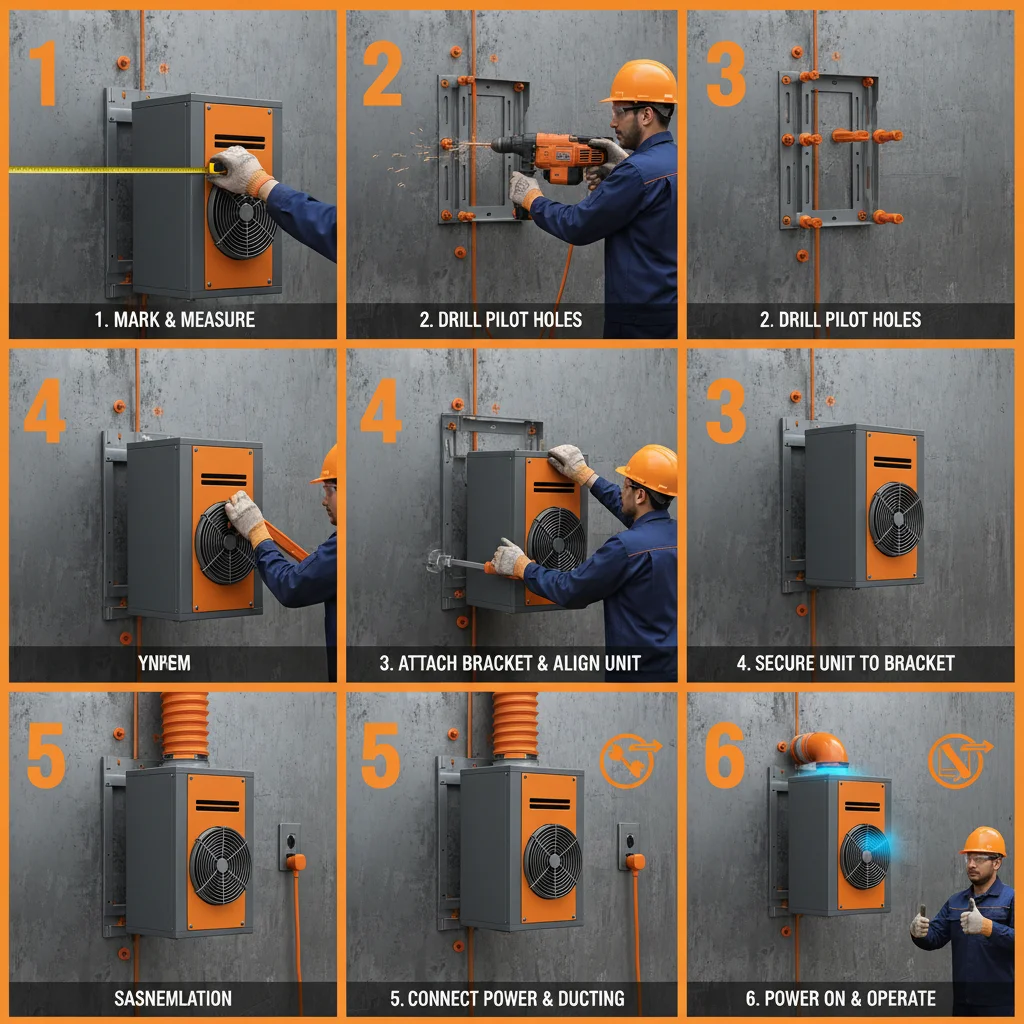
The biggest advantage, obviously, is the therapeutic benefit. These chambers can save lives and improve quality of life. But from a practical standpoint, our chambers are relatively easy to install and maintain. We design them with modular components, so repairs are straightforward.
The limitations? Well, they're not cheap. And they require trained personnel to operate. You can’t just put anyone inside and expect everything to be okay. There's also the issue of space. Even the portable models take up a significant amount of room. Anyway, I think the long-term value is clear. A well-maintained chamber can provide decades of reliable service.
Future Trends and Technological Advancements
We’re seeing a lot of interest in remote monitoring and control. Using sensors and data analytics to track chamber performance and identify potential issues before they become problems. That's the way things are going.
And there's research into new materials. Stronger, lighter, more durable acrylics. Improved seal designs. Even exploring the use of composite materials. But honestly, I’m skeptical about some of these things. Sometimes the old ways are the best ways.
Testing, Customization, and Real-World Performance
We don’t just rely on lab tests. We put our chambers through rigorous field testing. Deploying them in real-world scenarios, subjecting them to extreme conditions. It's the only way to really know how they'll perform.
We also offer a high degree of customization. Last month, that small boss in Shenzhen who makes smart home devices insisted on changing the interface to – said it was ‘more modern’. The result? It took three times as long to install and nearly fried the control panel. Seriously.
But we can adapt to specific needs. Different sizes, different configurations, different control systems. We can tailor the chamber to the customer’s requirements.
Summary of Hyperbaric Oxygen Chamber Manufacturers Testing Parameters
| Test Parameter |
Testing Standard |
Performance Metric |
Acceptable Range |
| Pressure Resistance |
ISO 13485 |
Maximum Pressure Sustained |
2.5 – 3.0 bar |
| Acrylic Integrity |
ASTM E8 |
Crack Propagation Rate |
Less than 0.1 mm/hr |
| Seal Leakage |
EN 13648-2 |
Leakage Rate |
Less than 0.05 L/min |
| Oxygen Purity |
USP Monograph |
Oxygen Concentration |
95% - 99% |
| Welding Strength |
AWS D1.1 |
Tensile Strength |
Greater than 500 MPa |
| Emergency Descent Time |
NFPA 99 |
Time to Depressurize |
Less than 10 minutes |
FAQS
Honestly, it depends. A standard model, we can usually get out the door in 8-12 weeks. But if you want a custom size, a different control system, or specialized materials, it can easily take 6 months or more. Supply chain issues are still a headache, and finding qualified welders isn't getting any easier. It's better to plan ahead and get your order in early.
We recommend a full inspection and service at least once a year, and more frequently if it's used heavily. This includes checking the seals, pressure relief valves, oxygen sensors, and all electrical components. It's like a car – you need to keep up with maintenance to avoid breakdowns. We offer comprehensive service contracts, or you can train your own staff.
You want to see certifications from recognized organizations like ISO 13485, CE marking (if you're in Europe), and compliance with NFPA 99. These certifications demonstrate that the chamber has been independently tested and meets safety standards. Don't just take a manufacturer’s word for it – ask to see the documentation.
Yes, absolutely. Hyperbaric oxygen therapy is increasingly used in veterinary medicine to treat a variety of conditions in animals, from wound healing to infections. However, you may need to modify the chamber to accommodate different animal sizes and species. We've worked with vets to design chambers specifically for pets and livestock.
It varies depending on the size and features of the chamber, but most models require a dedicated 220V/380V three-phase electrical connection. You’ll also need a reliable source of medical-grade oxygen. Make sure your facility has the necessary infrastructure in place before you order.
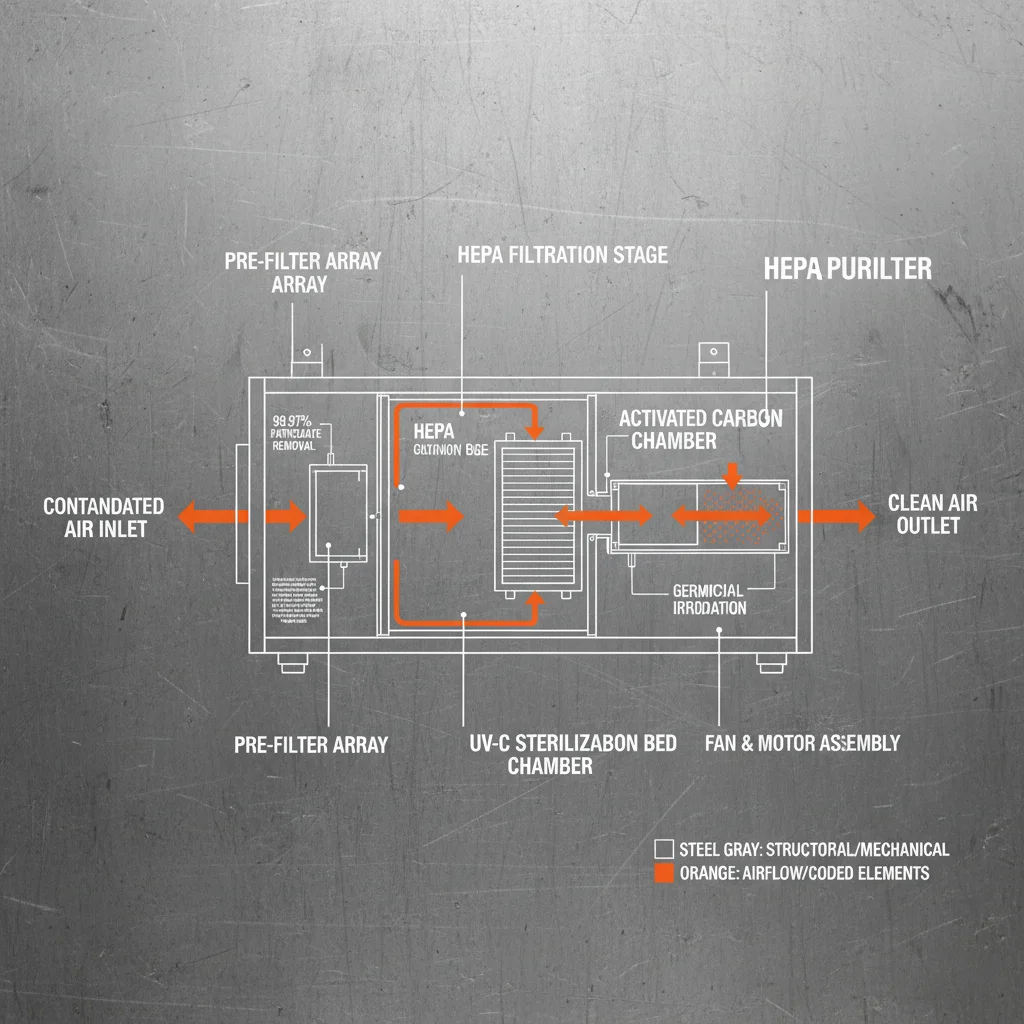
Honestly, it’s underestimating the importance of proper ventilation. You need a robust ventilation system to remove excess oxygen and prevent a fire hazard. People sometimes try to cut corners on ventilation, and that's a recipe for disaster. It's not something to mess with.
Conclusion
So, where does this leave us? Building hyperbaric oxygen chambers isn't glamorous work, but it's important. It’s about taking something incredibly complex, incredibly dangerous, and making it safe and reliable. It's about understanding the materials, the engineering, the regulations, and the real-world challenges. We’ve seen the industry evolve—more modular, more portable, more technologically advanced. But the core principles remain the same: quality, safety, and reliability.
Ultimately, whether this thing works or not, the worker will know the moment he tightens the screw. If it feels right, if it operates smoothly, if it gives him confidence, then we’ve done our job. And if it doesn't? Well, then we go back to the drawing board. Because at the end of the day, lives depend on it.