Look, I’ve spent the last twenty years breathing dust on construction sites, wrestling with blueprints, and talking shop with the guys actually building things. When it comes to air quality, especially indoors, you quickly realize how critical it is. A wall mounted hepa air filter isn’t some fancy gadget – it’s a necessity, plain and simple. Especially as we’re sealing buildings up tighter for energy efficiency, we're also trapping more pollutants. We’re talking everything from construction debris to mold spores to just plain old dust. It impacts worker health, project timelines, and ultimately, the quality of the finished product.
I’ve seen projects get held up because of indoor air quality issues. Sick days add up, productivity drops, and then you’re looking at expensive remediation. Investing in good filtration upfront, like a robust wall mounted hepa air filter system, is a smart business decision. It's about protecting your crew and delivering a project on time and within budget. It’s not just about meeting regulations, it's about doing the right thing.
What I've learned over the years is that a lot of folks don't really understand what they're buying. They see 'HEPA' and think it's a magic bullet. But there’s a lot more to it than that. You need to consider filter life, airflow, noise levels, and how easy it is to maintain. A filter that’s constantly clogged isn’t doing anyone any good, and a unit that sounds like a jet engine won't be popular with the workers. Finding the right wall mounted hepa air filter is a balancing act.
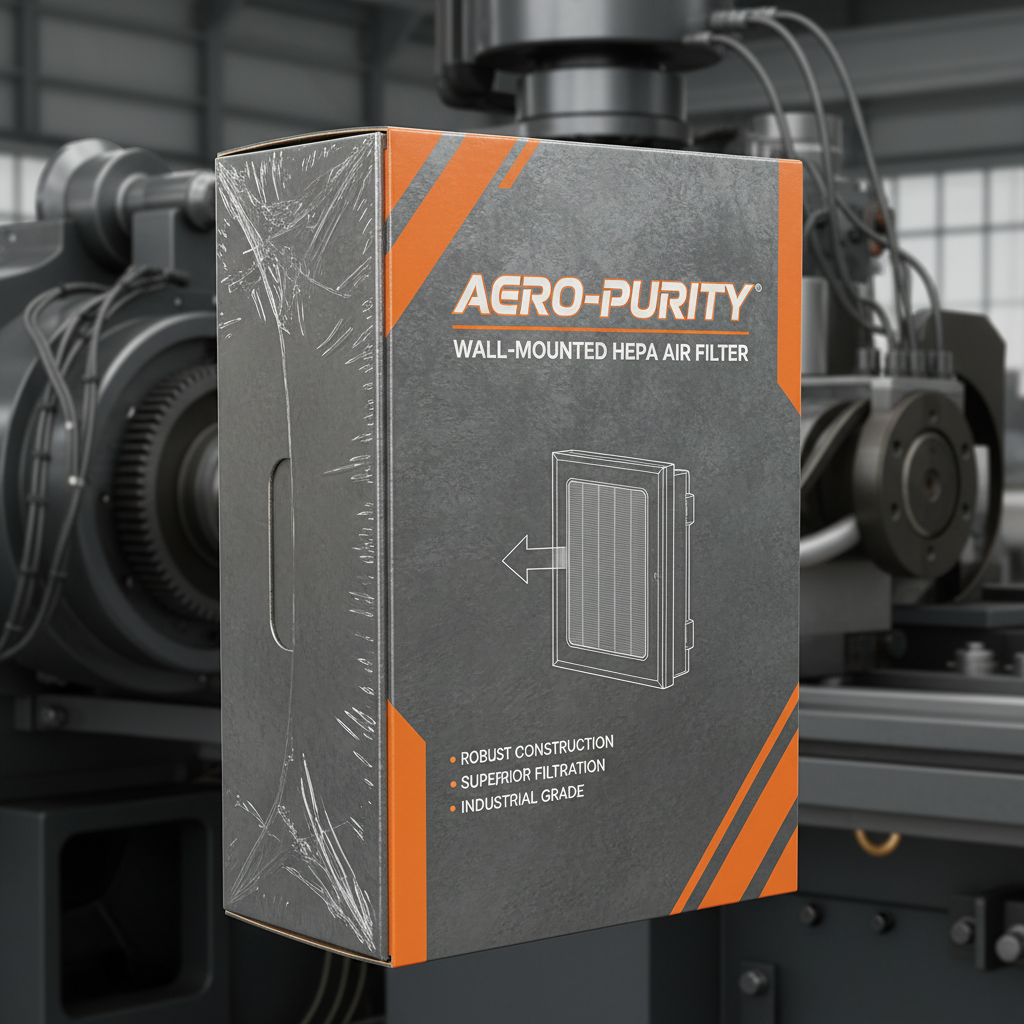
The Importance of Wall Mounted HEPA Air Filters in Construction
Let's be honest, construction sites are messy. Cutting concrete, grinding, sanding – it all generates particulate matter that hangs in the air. Without proper filtration, this stuff gets into your lungs. A wall mounted hepa air filter acts as a vital barrier, removing these harmful particles and creating a healthier work environment. It isn't about being soft; it's about protecting the guys and gals who are putting in the hours.
Beyond worker health, good filtration can actually improve the quality of the work. Dust settling on surfaces needs to be cleaned, adding time and expense to the project. Keeping the air clean minimizes that, streamlining the process. I've seen it firsthand – a clean environment leads to a cleaner finish.
Understanding HEPA Filtration Technology
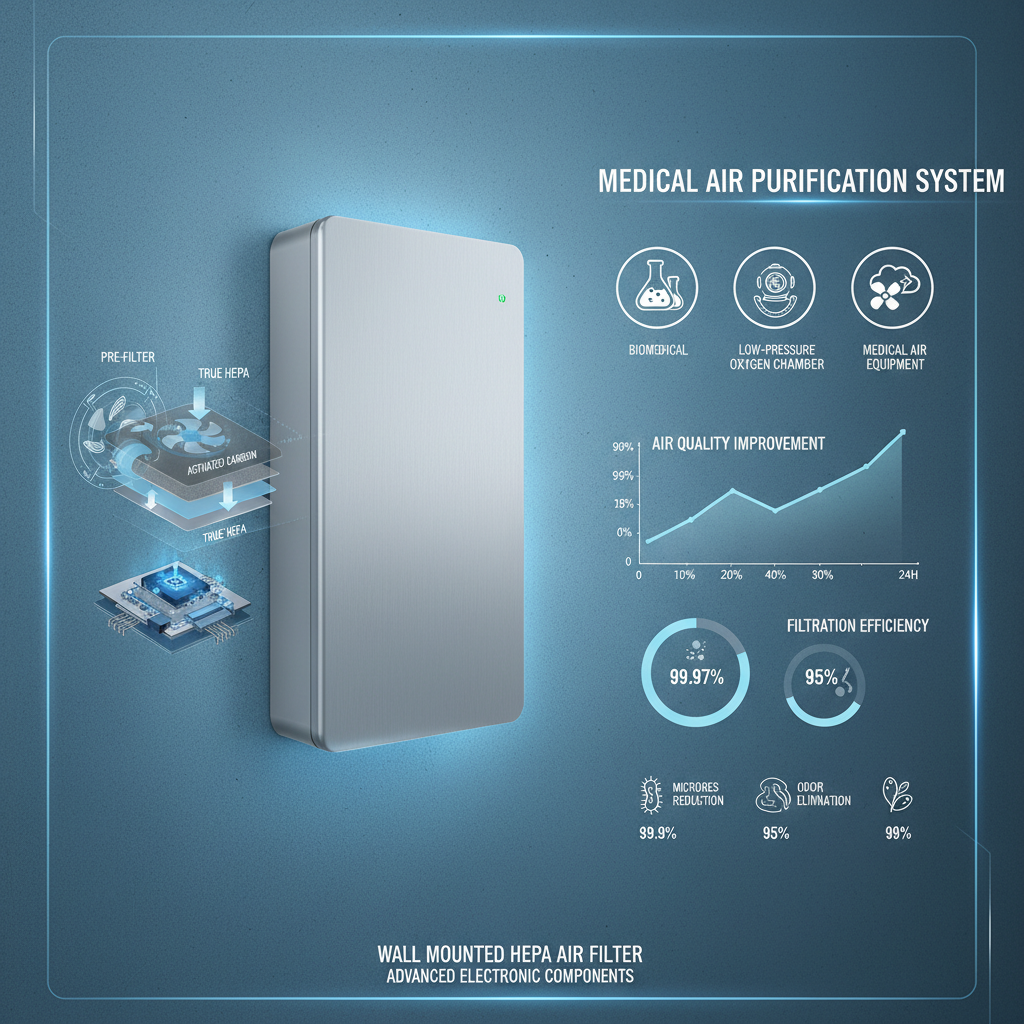
HEPA – High-Efficiency Particulate Air – isn’t just a marketing term. It’s a standard. To be certified HEPA, a filter has to remove 99.97% of particles 0.3 microns in size. That’s small. Really small. That includes dust, pollen, mold, bacteria, and even some viruses. But the filter itself is only part of the equation. The fan, the housing, and the overall system design all play a role in how effectively the filter works.
A lot of guys will ask about MERV ratings. MERV (Minimum Efficiency Reporting Value) rates filters on a scale of 1 to 20. HEPA filters typically have a MERV rating of 17-20. Lower MERV filters capture larger particles, but they don't offer the same level of protection against the really fine stuff. Choosing the right MERV rating depends on the specific application, but for construction, you want to be in that HEPA range.
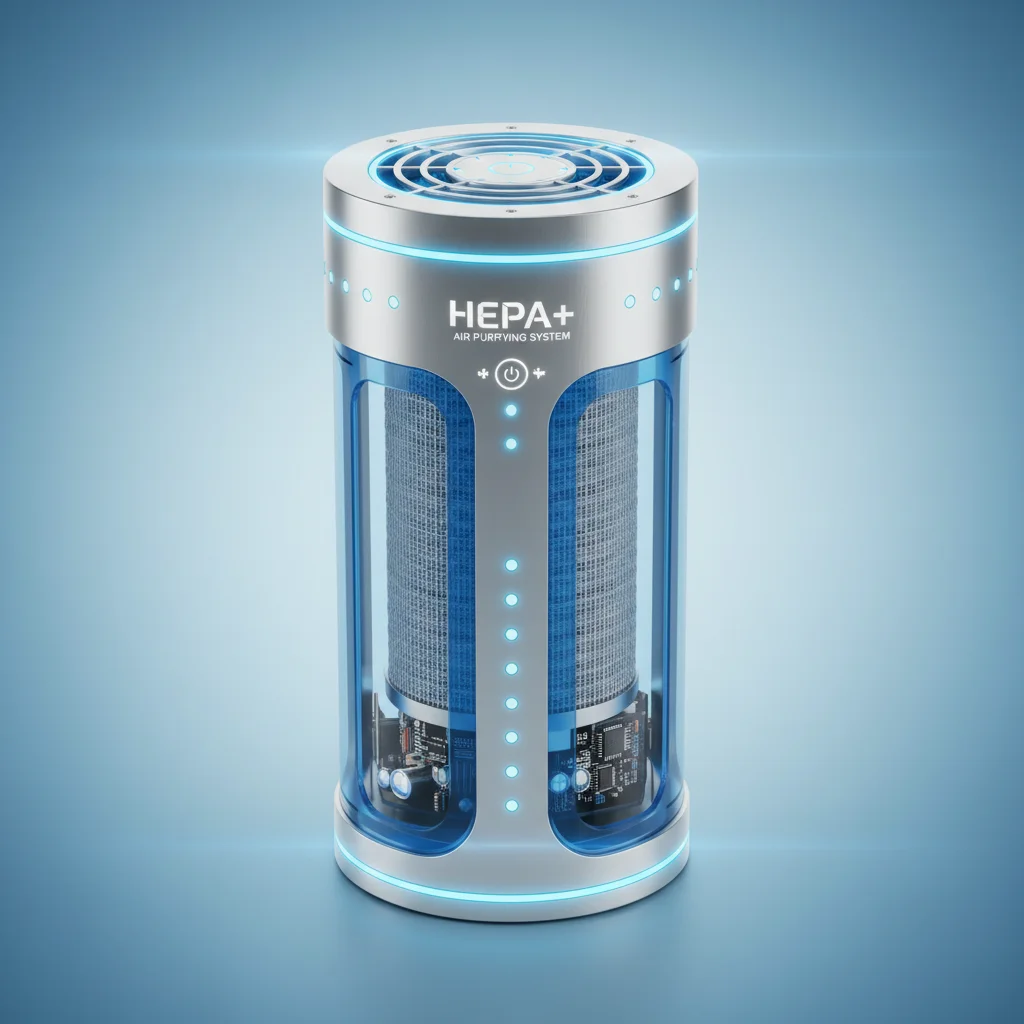
It's also important to understand that HEPA filters don't remove gases or odors. For that, you need activated carbon filters. Some units combine both HEPA and carbon filtration for a more comprehensive solution.
Key Factors to Consider When Selecting a Wall Mounted HEPA Air Filter
When I'm spec'ing out a wall mounted hepa air filter for a job site, I'm looking at several things. First, airflow – measured in cubic feet per minute (CFM). You need enough CFM to effectively clean the air in the space, taking into account the size of the room and the amount of dust generated. Don’t skimp on this; underpowered units are a waste of money.
Second, filter life. How often are you going to have to replace the filter? A filter that needs changing every week is a logistical nightmare. Look for filters that have a long lifespan, but also consider the cost of replacement filters. Third, noise levels. No one wants to work in a room that sounds like a wind tunnel. Check the decibel rating and choose a unit that's relatively quiet.
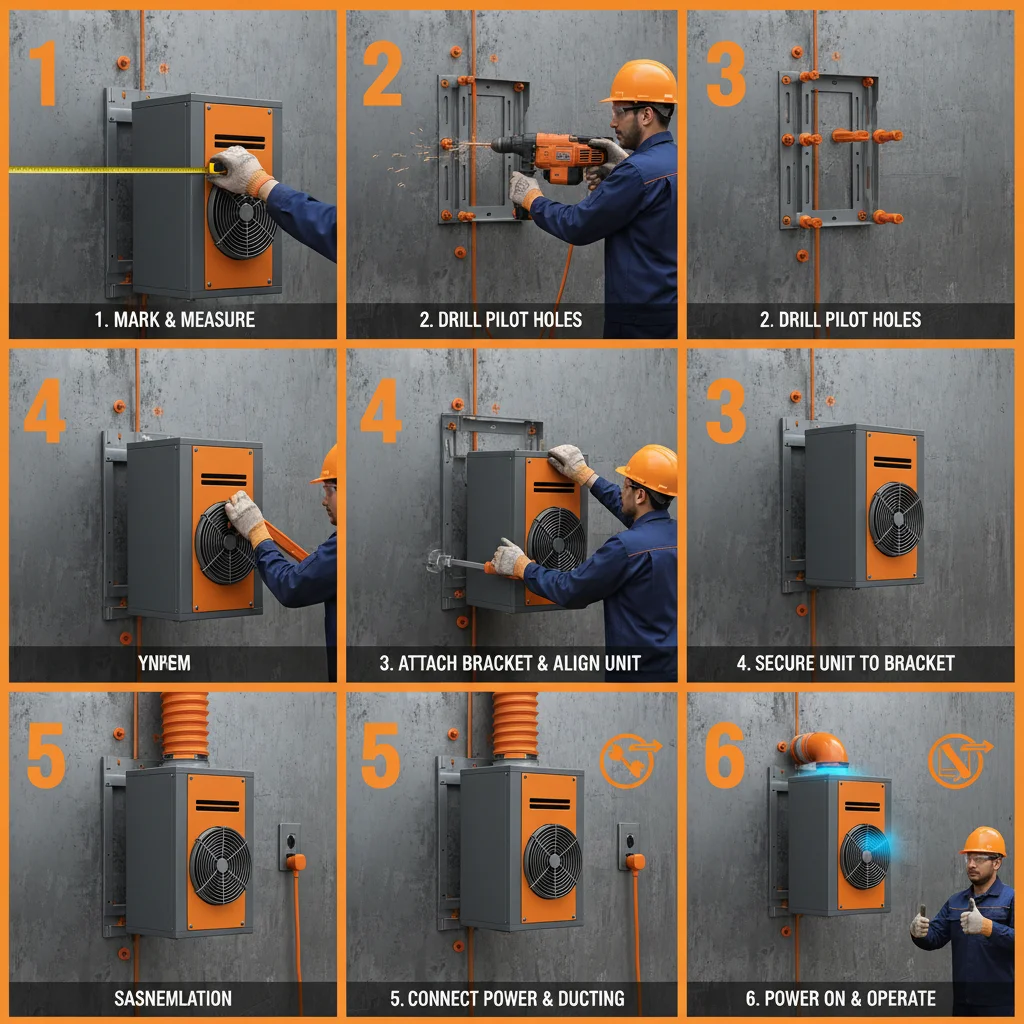
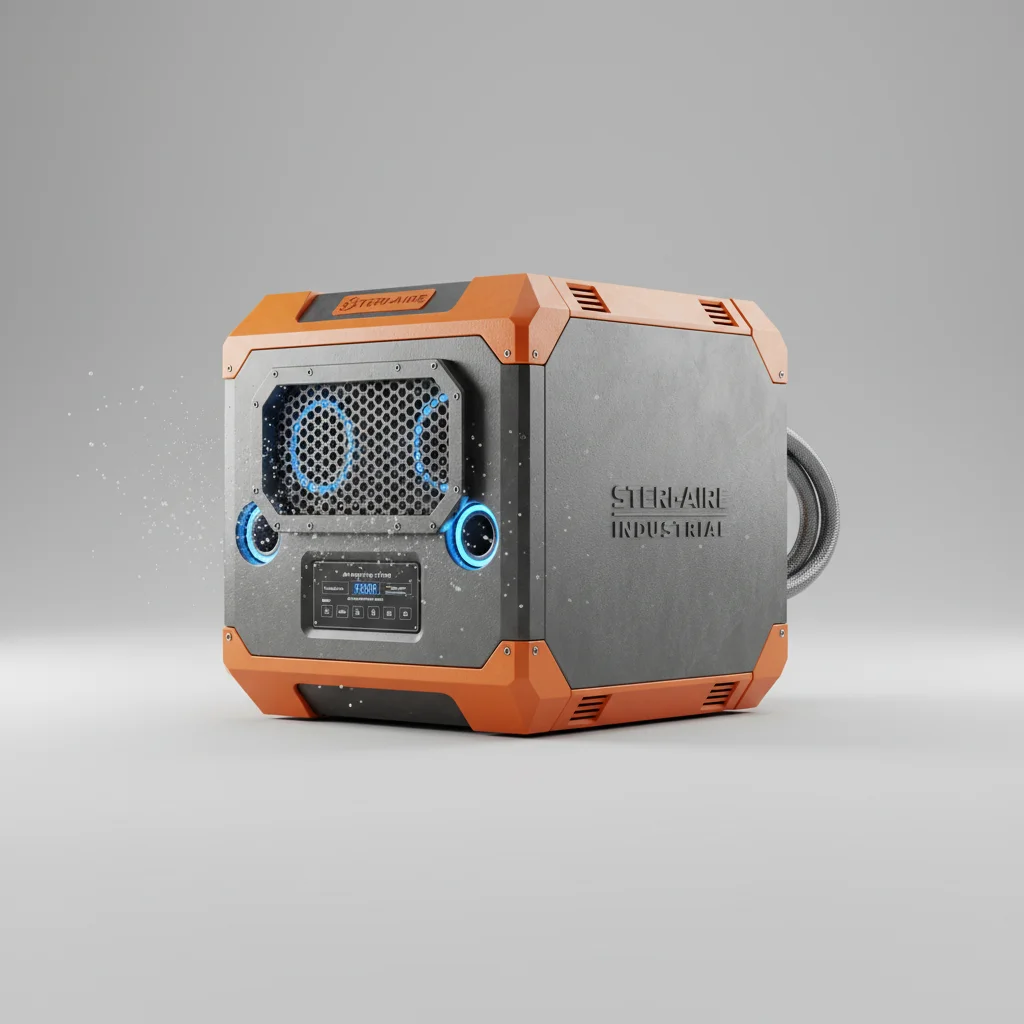
Finally, portability and mounting options. A wall mounted hepa air filter needs to be easy to move around the job site and securely mounted. Look for units that are durable and have versatile mounting options.
Application and Performance Metrics
The size of the space is the biggest factor. We're talking about CFM – cubic feet per minute. You need to calculate the air changes per hour (ACH). Generally, for construction, you want at least 6 ACH. That means the unit should be able to completely filter the air in the room six times every hour.
Beyond just ACH, you need to look at the particulate matter (PM) levels. PM2.5 and PM10 are common measurements. PM2.5 refers to particles 2.5 microns in size or smaller, and PM10 refers to particles 10 microns or smaller. Lower numbers are better. Investing in a decent air quality monitor can help you track these levels and ensure the wall mounted hepa air filter is doing its job.
Performance Comparison of Wall Mounted HEPA Air Filter Models
Real-World Applications and Case Studies
I recently used a wall mounted hepa air filter system during a renovation of an older school building. The building had a history of mold problems, and we needed to protect the students and staff. We installed several units throughout the building, focusing on areas where the renovation work was happening. The air quality improved dramatically, and we received positive feedback from the school administration.
Another time, we used them during an asbestos abatement project. That’s a highly regulated environment, and proper filtration is absolutely critical. The wall mounted hepa air filter helped us maintain negative air pressure in the work area, preventing the spread of asbestos fibers.
Long-Term Benefits and Cost Analysis
Investing in good air filtration isn’t just about immediate health and safety. It’s also about reducing long-term costs. Fewer sick days mean increased productivity. A cleaner work environment means less cleaning and maintenance. And avoiding costly remediation projects can save you a fortune.
The initial cost of a wall mounted hepa air filter system can seem significant, but when you factor in the long-term benefits, it’s a smart investment. You can also look at leasing options, which can spread the cost over time.
Beyond the financial benefits, there's a moral component. Providing a safe and healthy work environment is the right thing to do. It boosts morale, improves worker retention, and builds a positive reputation for your company.
Future Trends and Innovations in HEPA Filtration
We’re starting to see more “smart” air filters that can monitor air quality in real-time and automatically adjust fan speed. These units can also send alerts when filters need to be replaced. That sort of automation will be huge.
There’s also a growing focus on sustainable filtration materials. Companies are exploring biodegradable filters and more energy-efficient fan designs. We need to minimize the environmental impact of these systems, too.
I think we'll also see more integrated systems – air filtration combined with HVAC systems. That’ll be more efficient and cost-effective in the long run.
Summary of Wall Mounted HEPA Air Filter Analysis
| Feature |
Importance Level (1-10) |
Cost Impact (Low/Medium/High) |
Maintenance Frequency |
| Airflow (CFM) |
9 |
Medium |
Low |
| Filter Efficiency |
10 |
High |
Medium |
| Noise Level |
7 |
Low |
Low |
| Portability |
6 |
Low |
Low |
| Filter Replacement Cost |
8 |
Medium |
Medium/High |
| System Durability |
9 |
High |
Low |
FAQS
A standard air filter typically captures larger particles like dust and pollen, while a HEPA filter is specifically designed to remove at least 99.97% of particles 0.3 microns in size, including bacteria, viruses, and mold spores. It's a much finer level of filtration, crucial for protecting worker health, especially in construction environments.
Filter replacement frequency depends on the environment and usage. Generally, a HEPA filter should be replaced every 6-12 months under normal conditions. However, in high-dust environments like construction sites, you may need to replace it more frequently – every 1-3 months. Regularly inspect the filter for buildup and replace it when it appears dirty or airflow is reduced.
Sizing depends on the room's square footage and ceiling height. Calculate the volume of the space and then consider the filter's CFM (cubic feet per minute) rating. Aim for at least 6 air changes per hour (ACH). Consult the manufacturer's specifications for recommended room sizes. It's better to slightly oversize the unit than undersize it.
Some units can be noisy, but many modern HEPA air filters are designed for quiet operation. Check the decibel (dB) rating before purchasing. Lower dB ratings indicate quieter operation. Look for models with multiple fan speed settings, allowing you to reduce noise levels when needed.
HEPA filters primarily remove particulate matter. They don't effectively remove gases or odors. For odor removal, you'll need a filter that contains activated carbon. Some units combine both HEPA and carbon filters for comprehensive air purification.
Regular maintenance is crucial. Replace the filter as recommended, and clean the unit's exterior with a damp cloth. Vacuum the intake vents periodically to remove dust buildup. Ensure the unit is placed on a stable surface and away from obstructions that could restrict airflow. Follow the manufacturer's instructions for specific maintenance procedures.
Conclusion
Investing in a wall mounted hepa air filter isn't just about meeting regulations or ticking a box on a safety checklist. It's about protecting the health of your workers, improving project quality, and ultimately, building a more sustainable and responsible business. A well-chosen and properly maintained HEPA filtration system pays for itself in increased productivity, reduced healthcare costs, and a better overall work environment.
Don’t wait until there’s a problem. Be proactive. Consider a wall mounted hepa air filter system as an essential part of your construction plan, not an afterthought. Take the time to research different models, choose the right size and features for your needs, and ensure proper installation and maintenance. Your crew – and your bottom line – will thank you.