
November 26, 2025
In the intricate world of industrial manufacturing, where strength meets versatility, crimped wire mesh stands as an indispensable material. Its unique interlock and robust structure make it ideal for a multitude of demanding applications, from heavy-duty filtration and aggregate screening to architectural embellishments and secure fencing. However, the true efficacy and cost-effectiveness of this material hinge entirely on the machinery that brings it to life. We are talking about the crimped wire mesh machine – a critical piece of industrial equipment that forms the backbone of modern mesh production. Over the past decade, advancements in automation, precision engineering, and material handling have utterly transformed this sector, moving far beyond rudimentary manual processes. Today's state-of-the-art machines are not merely tools; they are sophisticated systems designed to deliver unparalleled accuracy, speed, and consistency, fundamentally reshaping the possibilities for manufacturers. Businesses looking to gain a competitive edge must acknowledge that investing in a cutting-edge machine is no longer just an option but a strategic imperative. The right equipment promises not only higher output and superior product quality but also a substantial reduction in operational overheads and waste, ensuring a sustainable and profitable future in an increasingly competitive global market. Understanding the nuances of these machines, their capabilities, and their long-term value is paramount for any enterprise aiming for excellence in wire mesh fabrication.
Modern manufacturing demands not just speed but also unwavering precision, and this is where advanced crimped wire mesh machines truly excel. Unlike their predecessors, contemporary models are engineered with an array of sophisticated features designed to optimize every stage of the production process. At their core often lies a powerful servo-motor driven system, allowing for meticulous control over crimping depth, spacing, and consistency. This level of precision is critical, especially when dealing with various wire gauges and material types, from stainless steel and galvanized steel to copper and specialized alloys. Integrated programmable logic controllers (PLCs) with intuitive human-machine interfaces (HMIs) enable operators to set complex patterns and mesh specifications with ease, dramatically reducing setup times and minimizing human error. High-speed crimping heads can operate at rates exceeding 200 crimps per minute, translating into substantial increases in hourly output compared to older mechanical systems which might achieve only 80-100 crimps per minute. Furthermore, automated wire feeding and tension control systems ensure a smooth, uninterrupted material flow, preventing tangles and ensuring uniform mesh tension across the entire width. Many machines now incorporate advanced diagnostic capabilities, providing real-time performance data and predictive maintenance alerts, which can reduce unplanned downtime by up to 25%. This technological prowess not only boosts productivity but also ensures that the final product adheres to the most stringent quality standards, making it suitable for high-stakes applications where structural integrity is non-negotiable.
Beyond the technical specifications, the true measure of any industrial equipment lies in its ability to generate significant return on investment (ROI). For manufacturers of crimped wire mesh, investing in a high-quality, advanced machine translates into substantial economic advantages that profoundly impact the bottom line. Foremost among these is the dramatic reduction in operational costs. Automated systems require less manual intervention, allowing businesses to optimize their workforce allocation and reduce labor expenses by up to 30% compared to semi-automatic setups. The precision engineering inherent in modern machines also leads to a marked decrease in material waste. By minimizing errors and off-spec products, manufacturers can achieve material savings of 5-10%, which accumulates significantly over time, especially with costly specialized wires. Furthermore, energy efficiency is a key design consideration for leading manufacturers. Advanced motor controls and optimized mechanical designs can cut power consumption by 15-20% per unit of output compared to older, less efficient models. The robust construction and use of high-grade components in premium machines also translate into longer operational lifespans and reduced maintenance requirements, lowering total cost of ownership over a decade by potentially thousands of dollars. Higher production speeds mean increased output, which directly correlates with greater revenue potential and the ability to fulfill larger orders faster. Ultimately, the superior quality of mesh produced – flatter, more uniform, and with consistent crimping – leads to fewer rejections, enhanced customer satisfaction, and a stronger market reputation, all of which contribute to a healthier financial outlook.
Choosing the right crimped wire mesh machine involves more than just looking at the price tag; it requires a comprehensive evaluation of features, performance, and vendor support. The market offers a spectrum of options, from entry-level models to high-end, fully automated systems. Understanding these distinctions is crucial for making an informed decision that aligns with a company's production goals and budget. Below is a comparative analysis illustrating key differences across hypothetical manufacturer tiers:
Feature | Premium Manufacturer (e.g., Brand A) | Mid-Range Manufacturer (e.g., Brand B) | Entry-Level Manufacturer (e.g., Brand C) |
Crimping Speed (Crimps/min) | 200-250+ | 120-180 | 60-100 |
Wire Diameter Range (mm) | 1.5 - 10.0 | 2.0 - 6.0 | 2.5 - 5.0 |
Mesh Aperture Range (mm) | 5 - 100 | 10 - 75 | 15 - 50 |
Automation Level | Full (PLC, HMI, Auto-feed, Diagnostics) | Semi-Automated (PLC, Basic HMI) | Manual/Basic Controls |
Power Consumption (kW/hr) | 15-25 (Optimized Servo) | 20-35 (Standard Motor) | 25-40 (Less Efficient) |
Material Compatibility | Wide (SS, Mild Steel, Copper, Alloys) | Good (SS, Mild Steel) | Limited (Mild Steel) |
Tooling Changeover Time | < 30 minutes (Quick-change) | 30-60 minutes | > 60 minutes |
After-Sales Service & Support | Excellent (24/7, remote diagnostics, global parts) | Good (Regional support, standard hours) | Basic (Limited parts availability) |
Typical Price Range (USD) | $80,000 - $250,000+ | $40,000 - $80,000 | $20,000 - $40,000 |
While an entry-level machine might suit small-scale, intermittent production, businesses targeting high volume, diverse product lines, or stringent quality requirements will find the investment in a premium or mid-range machine pays dividends through enhanced efficiency, superior product quality, and significantly reduced operational headaches.
The beauty of modern industrial machinery lies not just in its standard capabilities but also in its adaptability. For businesses operating in specialized niches or those with unique production demands, the ability to customize a crimped wire mesh machine is an invaluable asset. Manufacturers often provide a range of customization options, transforming a standard machine into a bespoke solution. This can include specialized tooling designed to handle unusual wire diameters, unique crimp profiles (e.g., intermediate crimp, lock crimp, flat top crimp) or specific mesh patterns that are not part of the conventional offering. For clients working with exotic materials like high-strength alloys or non-ferrous metals, machine components can be upgraded or modified to ensure optimal processing without compromising machine longevity or product quality. Furthermore, the width of the mesh produced can be tailored to specific project requirements, avoiding unnecessary waste and additional cutting processes down the line. Beyond mechanical adaptations, software customization is increasingly common. This allows for integration with existing factory management systems, remote monitoring capabilities, or the development of specific programming modes for highly complex or proprietary mesh designs. The level of automation can also be scaled, from adding automatic cutting and rolling systems for seamless production lines to incorporating advanced safety features for hazardous environments. Embracing customization ensures that the investment aligns perfectly with a company's strategic goals, opening up new product development possibilities and enabling manufacturers to meet precise client specifications with unparalleled precision and efficiency.
The versatility of crimped wire mesh extends its utility across an astonishingly broad spectrum of industries, making the machines that produce it foundational to numerous sectors. In the mining and quarrying industry, heavy-duty crimped mesh screens are absolutely critical for aggregate separation, sifting various rock sizes, gravel, and sand. Their robust construction and resistance to abrasion ensure long service life in harsh environments, directly impacting the efficiency and cost-effectiveness of material processing. Architecture and design have found a growing affinity for crimped wire mesh, utilizing it for visually stunning facades, sophisticated balustrades, sunscreens, and interior design elements due to its aesthetic appeal and ability to allow light and air filtration while maintaining security. In the realm of filtration, fine crimped mesh is indispensable for liquid and gas filtration in chemical processing, petrochemical plants, and water treatment facilities, providing precise particle separation. The agricultural sector benefits from its durability in livestock enclosures, grain storage, and specialized drying racks. Construction sites deploy crimped mesh for security fencing, safety barriers, and reinforcing elements, valuing its strength and resistance to impact. Even in the food processing industry, specialized stainless steel crimped mesh is used in washing, drying, and conveying applications, adhering to stringent hygiene standards. Each application underscores the fundamental need for consistently high-quality mesh, which can only be achieved through reliable and precise manufacturing processes driven by advanced crimped wire mesh machines. The continued innovation in machine technology ensures that as new industrial demands emerge, the ability to produce customized, high-performance mesh will remain a cornerstone of modern manufacturing.
As we navigate an era defined by rapid technological advancement and fierce global competition, the strategic choices manufacturers make today will dictate their trajectory for years to come. The decision to invest in a premium crimped wire mesh machine transcends a simple equipment purchase; it represents a commitment to innovation, efficiency, and unwavering quality. Such an investment future-proofs operations, ensuring that a company can adapt to evolving market demands, embrace new material challenges, and deliver products that consistently exceed customer expectations. The cumulative benefits—from reduced labor costs and minimal material waste to increased production speeds and enhanced product integrity—contribute directly to a formidable competitive advantage. By choosing a machine with advanced automation, robust construction, and comprehensive after-sales support, businesses not only optimize their current production but also safeguard against obsolescence and unforeseen operational disruptions. Moreover, the enhanced reputation derived from consistently delivering superior-quality crimped wire mesh can open doors to new markets, foster stronger client relationships, and attract higher-value contracts. In essence, a cutting-edge crimped wire mesh machine is not merely a piece of machinery; it is an engine for growth, a guarantor of precision, and a cornerstone for sustained success in a dynamic industrial landscape. For any enterprise serious about leading its field, prioritizing this critical asset is not just an option—it is the only viable path forward.
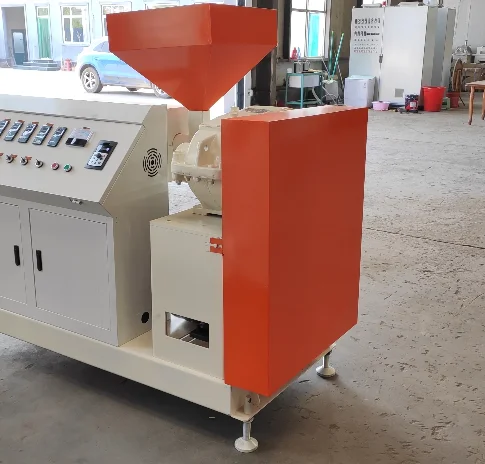
A: A crimped wire mesh machine is an industrial apparatus designed to produce wire mesh with specific crimping patterns (bends) in the individual wires, which are then woven together. These crimps ensure the wires are locked in place, providing superior stability, precise mesh apertures, and enhanced structural integrity compared to plain woven mesh.
A: Modern machines are versatile and can process a wide range of wire materials, including stainless steel (various grades), galvanized steel, mild steel, high-carbon steel, copper, brass, aluminum, and various specialized alloys, depending on the machine's specifications and tooling.
A: Key benefits include significantly higher production speeds, superior precision and consistency in mesh patterns, reduced labor costs, minimal material waste, lower energy consumption, longer machine lifespan, and the ability to produce complex designs that are difficult or impossible manually.
A: Consider your required production volume, the range of wire diameters and materials you'll process, desired mesh aperture flexibility, level of automation needed, budget, after-sales support, and the reputation of the manufacturer. Matching these to machine specifications is crucial.
A: Regular maintenance typically involves daily lubrication of moving parts, periodic inspection and cleaning of crimping dies and weaving components, checking electrical connections, and ensuring all safety systems are functional. Scheduled professional servicing is also recommended.
A: Yes, many advanced crimped wire mesh machines offer customization options. This includes specialized tooling for unique crimp profiles (e.g., intermediate, lock, flat top), adjustable mesh widths, and programmable controls to create custom aperture sizes and weaving patterns.
A: Crimped wire mesh is widely used in mining and quarrying (screening, sifting), architecture and construction (facades, balustrades, security), filtration (liquid, gas, chemical), agriculture (enclosures, drying), and food processing (conveyors, drying racks) due to its strength and precision.
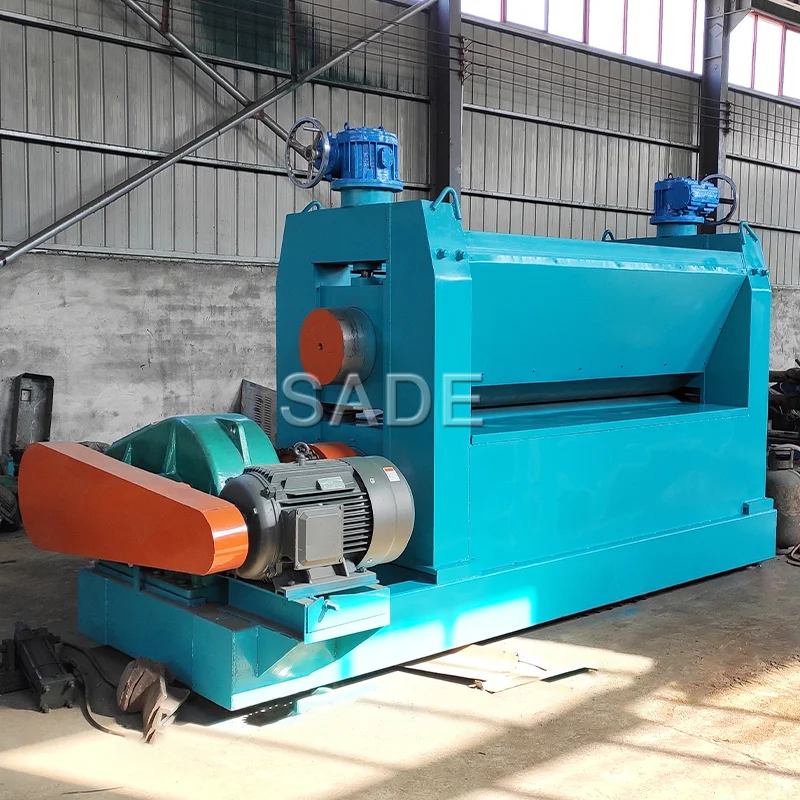
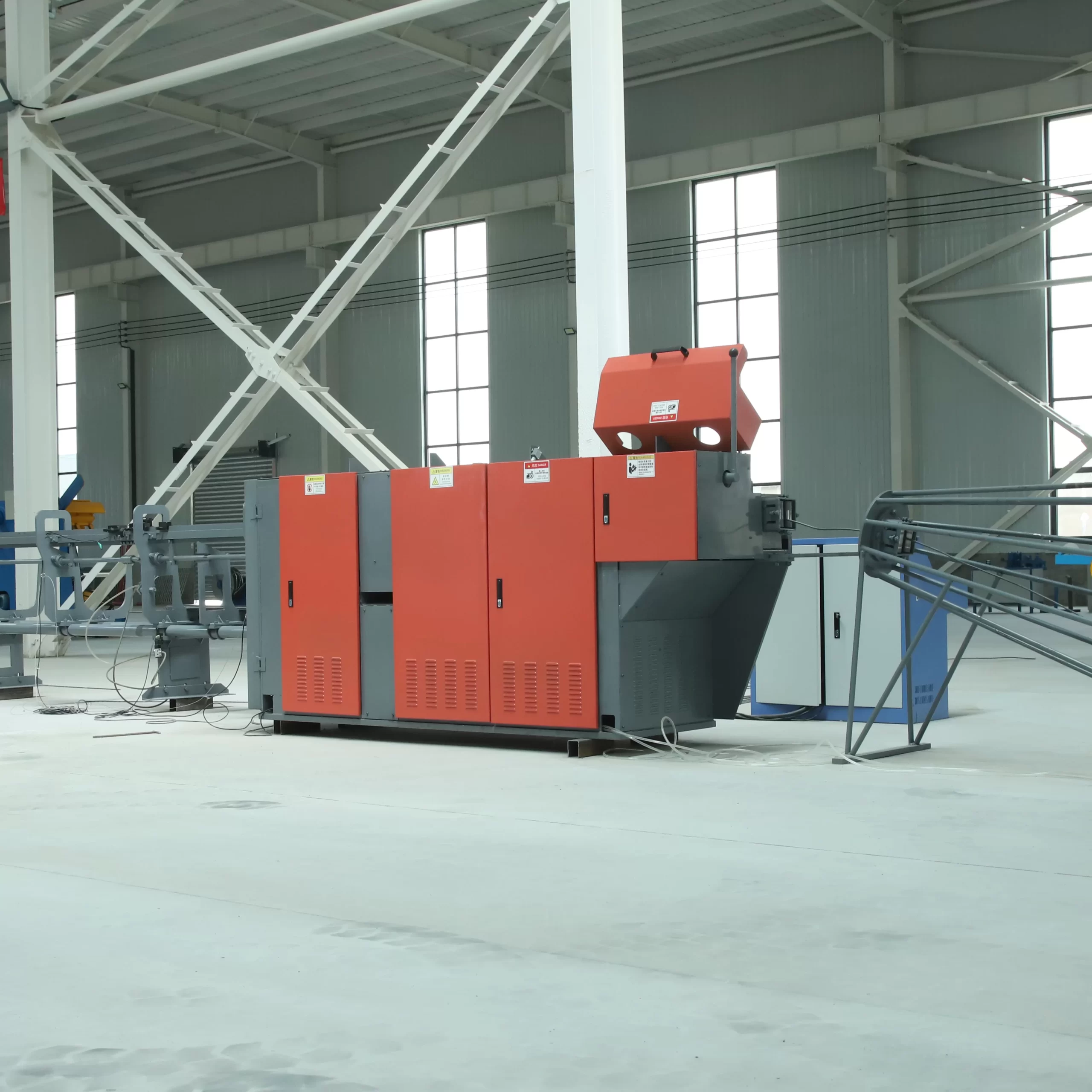
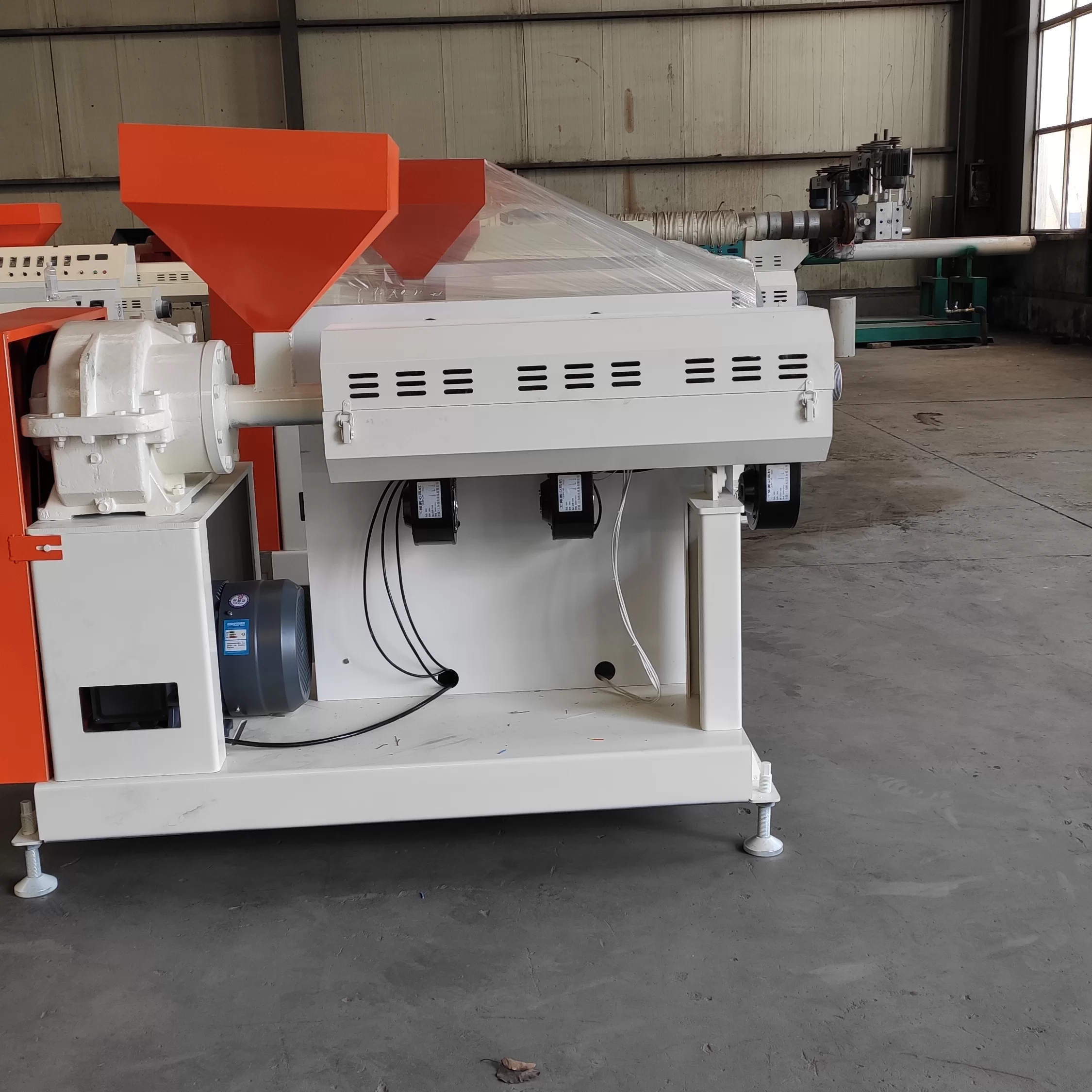
ZPJ Metal Mesh Flatting Machine
ZPJ metal mesh flatting machine is special designed for expanded metal flatting.It’s a corollary equipment of expanded metal machine. It can make expanded wire-mesh smoothly.And the flattened expanded metal have much more widely different applications.
Apr 24, 2026
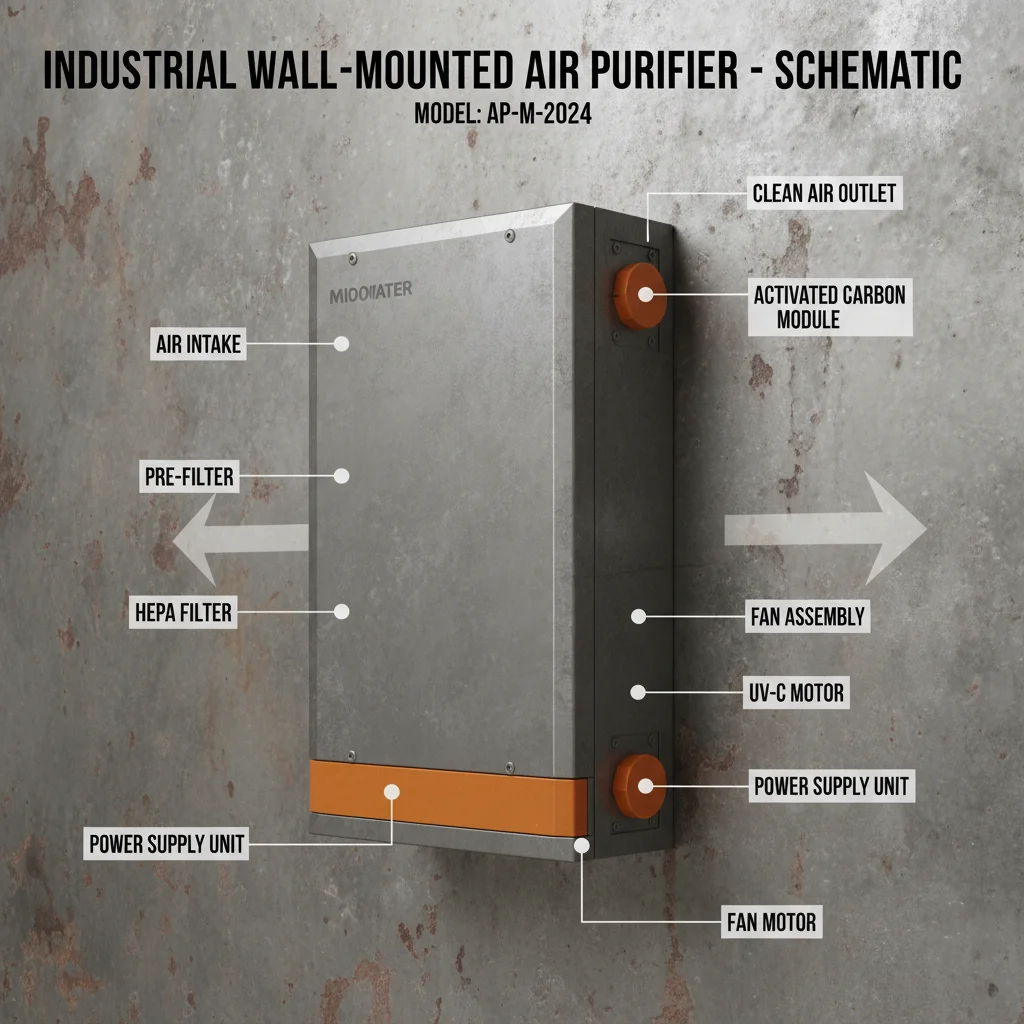
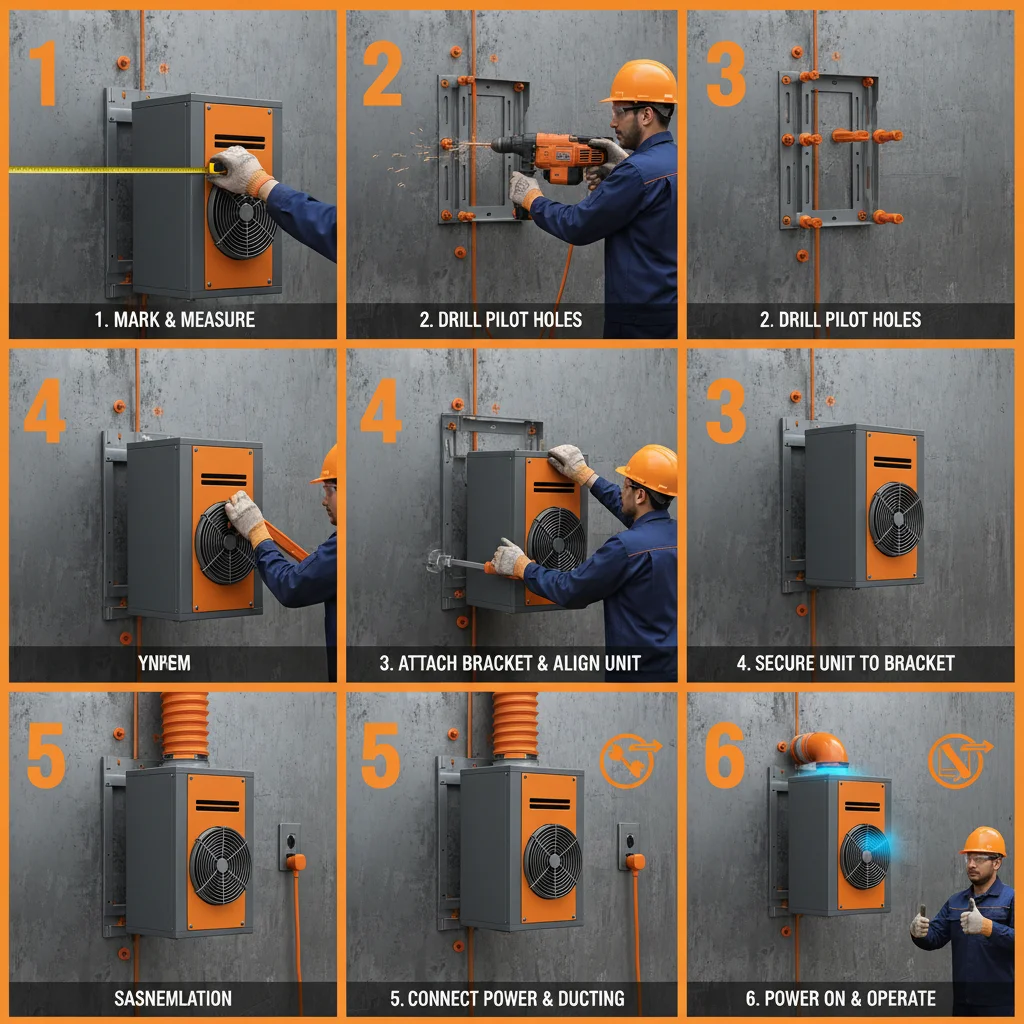
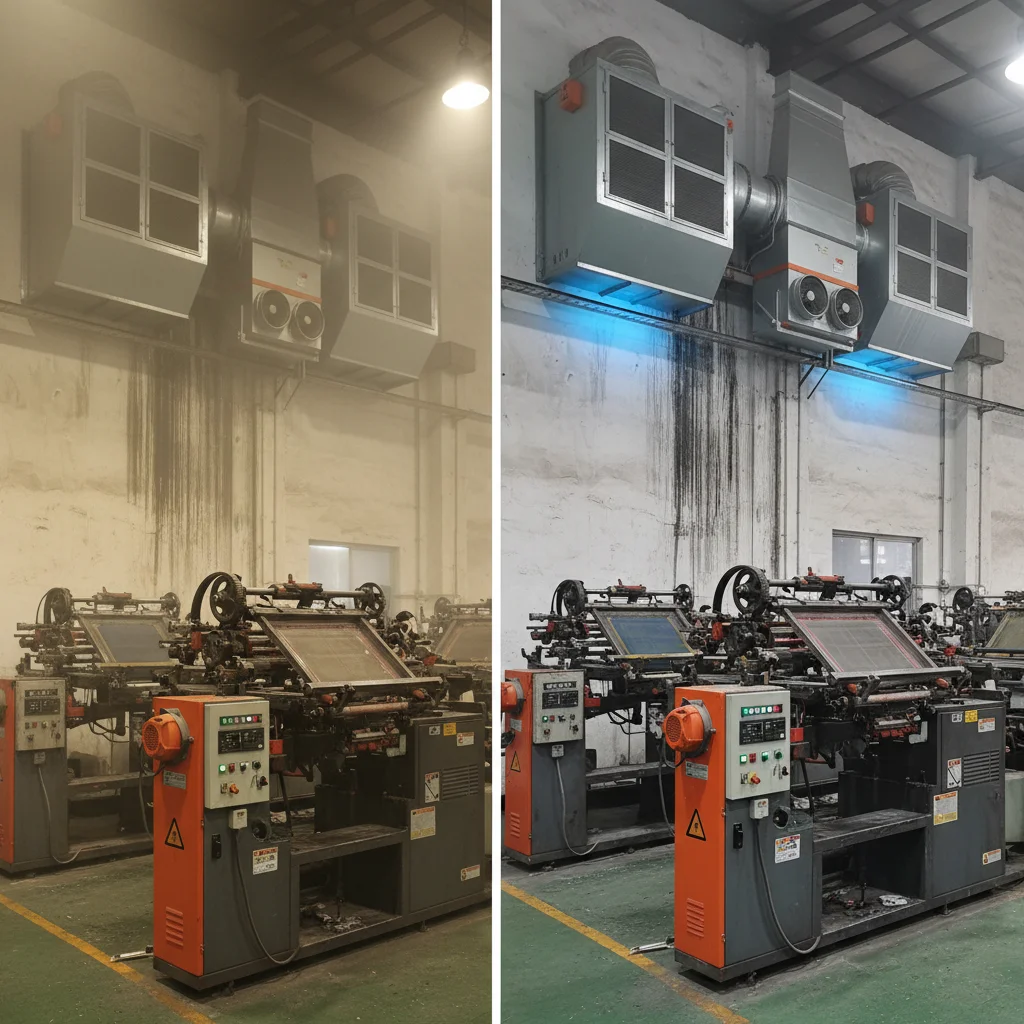
Industrial Wall Mounted Air Filtration for Clean Work Environments