
November 26, 2025
In a world increasingly reliant on durable, versatile, and cost-effective materials, hexagonal wire netting stands out as a fundamental component across countless industries. From robust agricultural fencing to critical civil engineering applications, its demand continues to surge. Recent market analysis projects the global wire mesh market, a segment inclusive of hexagonal netting, to exceed USD 140 billion by 2028, growing at a Compound Annual Growth Rate (CAGR) of over 5.5% annually. This impressive trajectory underscores an undeniable truth: the efficiency and reliability of producing this material are paramount. At the heart of meeting this escalating demand lies the advanced hexagonal wire netting machine. No longer merely a mechanical apparatus for weaving, today's machines are sophisticated engineering marvels, designed to revolutionize production processes, enhance product quality, and significantly reduce operational overheads. They represent a critical investment for manufacturers aiming to scale their output, diversify their product offerings, and maintain a competitive edge in a dynamic global market. The ability to consistently produce high-quality netting at speed, with minimal waste and precise specifications, directly translates into increased profitability and market share. This introductory exploration sets the stage for understanding how these sophisticated machines are not just tools, but strategic assets driving innovation and productivity in the manufacturing sector, enabling businesses to meet exacting standards and capitalize on growing global demand.
The evolution of the hexagonal wire netting machine from rudimentary mechanical weavers to highly automated, intelligent systems marks a significant leap in industrial manufacturing. Modern machines integrate cutting-edge technologies that confer a distinct operational superiority over their predecessors. Key among these advancements is the incorporation of advanced Programmable Logic Controllers (PLCs) and intuitive Human-Machine Interface (HMI) touchscreens, providing operators with precise control over complex parameters such as mesh size, wire diameter, roll width, and production speed. This digital precision drastically reduces setup times and minimizes human error, ensuring consistent output quality from the first meter to the last. Furthermore, the adoption of sophisticated servo motor technology for precise wire feeding and twisting mechanisms delivers unparalleled accuracy and speed. Unlike traditional mechanical systems with fixed speeds, servo motors allow for dynamic adjustments during operation, optimizing energy consumption and extending the lifespan of critical components by reducing wear and tear. For instance, a well-calibrated servo-driven system can achieve up to 15-20% higher energy efficiency compared to older models utilizing standard AC motors, translating into substantial long-term cost savings for manufacturers. Automated lubrication systems, integrated real-time fault detection, and predictive diagnostic capabilities further enhance operational reliability, significantly reducing unscheduled downtime by proactively identifying and addressing potential issues before they escalate. These machines are meticulously engineered for continuous, high-volume production, capable of running for extended periods with minimal supervision, thereby optimizing labor allocation, increasing overall factory output, and ensuring a predictable production schedule. The synergistic combination of these technical innovations results in a production process that is faster, more reliable, significantly more accurate, and ultimately, more profitable for the enterprise, setting new benchmarks for efficiency and consistency in netting manufacturing.
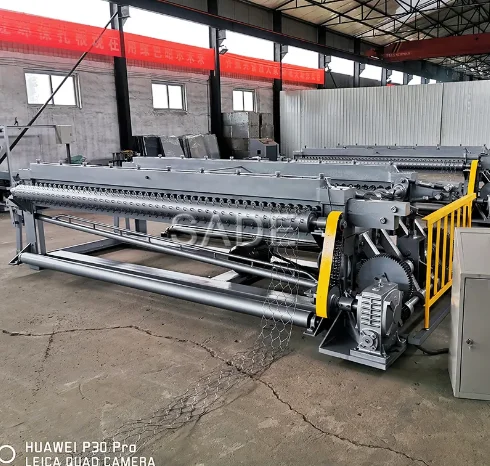
The core value proposition of a high-performance hexagonal wire netting machine lies in its meticulously engineered features designed to deliver superior product quality and operational efficiency. Central to this is the robust construction of the machine frame, typically employing high-grade, heavy-duty steel to withstand continuous vibrations, high-speed operations, and heavy loads. This ensures exceptional longevity and stability even under the most intensive operating conditions, minimizing maintenance frequency. The weaving mechanism itself is a marvel of precision, often featuring advanced double twisting technology that creates strong, uniform hexagonal meshes with tightly interlocked wires, effectively preventing unraveling and ensuring maximum structural integrity. This is crucial for applications demanding high tensile strength and long-term durability, such as gabion construction or critical safety barriers. Leading manufacturers offer machines capable of handling a wide range of wire diameters, typically from 0.4mm to 4.0mm, and producing mesh sizes varying from 1/2 inch to 4 inches, accommodating an incredibly diverse spectrum of market needs. Automated features like integrated automatic cutting and winding systems are indispensable. These systems precisely cut the netting to predetermined lengths (e.g., 25m, 50m, 100m rolls) and neatly roll it onto spools or cores, significantly reducing manual labor, improving roll quality, and minimizing the potential for human error. Some advanced models even include sophisticated selvedge wire devices that automatically reinforce the longitudinal edges of the netting, significantly enhancing its strength, stability, and aesthetic appeal. The benefits extend beyond mere production numbers; the consistent mesh size and uniform quality produced by these machines minimize material waste, potentially reducing scrap rates by up to 10% compared to less precise methods. Furthermore, the high degree of automation and enclosed working parts ensures enhanced operator safety by minimizing direct interaction with moving components, aligning with stringent industrial safety standards and creating a safer working environment. These integrated features collectively ensure that the output is not only plentiful but also consistently meets the exacting standards required for demanding applications, solidifying a manufacturer's reputation for quality and reliability.
Selecting the optimal manufacturer for your hexagonal wire netting machine is a decision with profound long-term implications for your production capacity, product quality, and overall return on investment. The global market presents a spectrum of suppliers, each with varying levels of technological sophistication, service offerings, and price points. A critical assessment involves meticulously weighing a manufacturer's reputation, technological prowess, after-sales support, and customization capabilities against your specific operational requirements and budget constraints. It’s imperative to understand that this is not simply about finding the cheapest initial outlay, but rather forging the most value-driven partnership that aligns with your strategic goals for sustained growth and efficiency. Consider factors such as the manufacturer's proven track record and experience in the industry, their ongoing commitment to Research & Development (R&D) to stay abreast of technological advancements, and the global reach and responsiveness of their support network. A truly reliable manufacturer will offer comprehensive training programs for your operators, ensuring proficient machine handling, readily available spare parts with short lead times, and responsive technical assistance, thereby minimizing potential downtime and maximizing operational uptime. Below is a comparative table illustrating key differentiating factors between a standard manufacturer and an advanced, industry-leading manufacturer, highlighting what to look for when making this crucial investment:
Feature/Service Criterion | Standard Manufacturer Offerings | Advanced Manufacturer (Industry Leader) Offerings |
Maximum Production Speed (SPM) | 60-80 SPM (Strokes Per Minute) - Moderate output | 100-150+ SPM - Significantly higher output potential (e.g., up to 450-600 m²/hour) |
Level of Automation | Basic controls, manual wire changes, some manual adjustments | Full PLC/HMI control, automatic cutting/winding, integrated fault detection, remote diagnostics |
Wire Material Compatibility | Limited to common types (e.g., galvanized, mild steel) | Wide range: galvanized, PVC coated, stainless steel, aluminum, high-carbon steel, diverse material handling |
Mesh Size & Wire Gauge Precision | Acceptable consistency, minor variances possible | High consistency, minimal deviation (<1% variance), ultra-precise mesh formation |
Energy Efficiency Optimization | Standard AC motors, moderate power consumption | Advanced servo motors, optimized power consumption (up to 20-30% energy savings over older models) |
Machine Durability & Lifespan | 5-8 years with diligent maintenance | 10-15+ years with proper maintenance, constructed with robust, high-grade components for extended operational life |
After-Sales Support & Spares | Basic warranty, limited local spare parts availability, often slower response times | Extended comprehensive warranty, global technical support network, rapid spare parts delivery, dedicated remote assistance, preventive maintenance programs |
Customization & Integration Options | Minimal to none, mostly standard models | Extensive customization (specific netting width, mesh type, wire gauge, integrated production lines, special winding solutions) |
Initial Investment Cost | Generally lower initial capital expenditure | Higher initial capital expenditure (justified by superior long-term ROI) |
As evident from the comparison, while a standard manufacturer might offer a lower initial investment, an advanced manufacturer provides superior technology, significantly higher efficiency, greater versatility, and comprehensive support that translates into demonstrably lower operational costs, reduced downtime, and increased profitability over the machine's entire lifespan. The decision ultimately hinges on your desired production scale, quality requirements, and future growth ambitions. Investing in an advanced machine from a reputable, industry-leading manufacturer can yield a substantial return on investment within 3-5 years purely through enhanced efficiency, reduced labor costs, superior product quality, and minimized waste, making the initial higher expenditure a justifiable and strategic choice for sustainable business growth.
In today's highly dynamic and diverse market, a one-size-fits-all approach to manufacturing rarely suffices. Recognizing this critical need, leading manufacturers of hexagonal wire netting machines offer extensive customization options, allowing businesses to tailor their production capabilities precisely to specific market demands, unique product specifications, and distinct operational contexts. This unparalleled adaptability is crucial for maintaining a competitive edge and unlocking new revenue streams in niche or high-demand sectors. Customization can involve various critical parameters: for instance, machines can be meticulously configured to produce netting of specific widths, ranging from narrow rolls for craft applications or small animal cages to incredibly wide sheets for massive industrial gabion baskets or large-scale rockfall protection, sometimes exceeding 4 meters in finished width. Similarly, the machine's ability to seamlessly handle different wire gauges and materials—such as heavily galvanized steel for long-term outdoor exposure, PVC-coated wire for enhanced corrosion resistance and aesthetic appeal, or even specialized stainless steel for high-corrosion environments—can be optimized. A manufacturer might require a machine specifically designed to accommodate heavy-gauge wire (e.g., 3.0-4.0mm) for robust rockfall protection barriers or demanding gabion construction, or conversely, a delicate configuration for fine wire used in intricate poultry netting or stucco reinforcement. Beyond material specifications, customization extends to levels of automation and integration. While a basic machine might require more manual intervention, an advanced, custom-built setup can integrate automatic lubrication, sophisticated automatic stop mechanisms triggered by wire breaks or roll completion, and even direct connections to downstream packaging or palletizing lines, creating a highly efficient, fully automated production ecosystem. For businesses looking to scale their operations, manufacturers can also design modular systems, allowing for future expansion by adding more production lines or incorporating advanced features as market demand grows or product diversification becomes necessary. This foresight in design ensures that your initial capital investment remains relevant, highly productive, and adaptable for years to come, accommodating shifts in market trends or a significant increase in production volume without necessitating a complete and costly overhaul of your existing machinery. This level of personalized engineering transforms the machine from a mere piece of equipment into a strategic tool perfectly aligned with a company's evolving manufacturing strategy and long-term business objectives.
The ubiquity of hexagonal wire netting is a profound testament to its exceptional versatility, impressive strength-to-weight ratio, and remarkable cost-effectiveness. The material consistently produced by these advanced machines finds critical and indispensable applications across an astonishing array of industries, underscoring its foundational role in modern infrastructure, safety, and daily life. In the expansive agricultural sector, it is the preferred choice for robust poultry fencing, secure rabbit hutches, and general animal enclosures, primarily due to its small, interlocking mesh size which effectively prevents escapes and deters predators, while simultaneously allowing ample airflow and visibility. For the demanding fields of construction and civil engineering, lighter gauge hexagonal netting is vital for plastering and stucco reinforcement, providing an excellent substrate for mortar adhesion and significantly preventing premature cracking and structural failure. More critically, heavy-gauge hexagonal netting is absolutely fundamental in manufacturing resilient gabion baskets and critical rockfall protection barriers. These versatile structures are deployed globally for essential erosion control, constructing robust retaining walls, effective riverbank protection, and vital stabilization of dangerous slopes, showcasing the material's inherent structural integrity and resilience even under extreme environmental conditions. For instance, a major infrastructure project involving new highway construction in mountainous terrain might necessitate the deployment of hundreds of thousands of square meters of rockfall netting to protect motorists and prevent catastrophic landslides, a critical application where the consistency and reliability of machine-produced netting are non-negotiable. Furthermore, in the specialized insulation industry, lighter gauge hexagonal netting acts as a securement layer for mineral wool, fiberglass, and other thermal insulation materials in industrial pipes, boilers, and large storage tanks, ensuring optimal thermal efficiency, structural integrity, and essential safety. Its remarkable adaptability even extends to decorative purposes, intricate arts and crafts projects, and the creation of temporary event barriers. The sheer breadth of these diverse applications highlights the profound economic and safety impact of reliably manufactured hexagonal wire netting, making the machine that produces it a cornerstone of multiple industrial supply chains and a vital component in global development. Each application leverages the netting's unique properties—flexibility, durability, and open structure—which are consistently delivered through the unparalleled precision and efficiency of modern production machinery.
In conclusion, the decision to invest in a modern hexagonal wire netting machine is far more than a simple equipment purchase; it is a profound strategic commitment to enhancing productivity, ensuring superior product quality, and securing a formidable competitive advantage in a fiercely competitive global marketplace. We've meticulously explored how cutting-edge technical innovations, such as advanced PLCs, intuitive HMI controls, and energy-efficient servo motor technology, are actively transforming the manufacturing landscape, offering unparalleled efficiency, precision, and operational reliability. The detailed analysis of key features like robust machine construction, advanced double twisting mechanisms, and fully automated cutting and winding systems underscores the inherent, tangible value these sophisticated machines bring to every production line, driving both output and profitability. Our comprehensive comparative analysis starkly highlighted the significant differences between standard and advanced manufacturers, emphasizing that while initial capital costs may vary, the long-term return on investment from a premium, highly automated solution is undeniably superior, often translating into substantial operational savings, increased throughput, and enhanced product reputation over the machine’s extensive lifespan. Furthermore, the extensive customization options available ensure that businesses can precisely align their production capabilities with evolving market demands, from specific mesh sizes and wire gauges to seamlessly integrated automated production lines. The vast array of applications, spanning critical sectors like agriculture, construction, civil engineering, and insulation, firmly establishes hexagonal wire netting as an exceptionally versatile and indispensable material, making the machine that produces it a foundational asset for diverse, high-growth industries. As global demand for reliable and high-quality netting continues its upward trajectory, securing a state-of-the-art hexagonal wire netting machine unequivocally positions your operation for sustained growth and profitability. This strategic investment not only streamlines current production processes but also effectively future-proofs your business against market fluctuations, emerging demands, and technological shifts, ensuring you remain at the absolute forefront of quality and efficiency for decades to come. Choose wisely, and empower your enterprise with the technological edge it undeniably deserves to thrive.
A: Modern machines are highly versatile and can process a wide range of wire types, including galvanized steel wire, PVC-coated wire, mild steel wire, and even stainless steel wire, allowing for diverse product applications and resistance properties.
A: Machines can typically produce mesh sizes ranging from 1/2 inch to 4 inches (e.g., 13mm to 100mm) and handle wire gauges from 0.4mm to 4.0mm, depending on the specific model and its custom configuration.
A: Automation, including advanced PLC/HMI controls, automatic cutting and winding systems, and integrated fault detection, significantly reduces manual labor, minimizes human error, increases production speed, and ensures consistent product quality, leading to higher overall efficiency and lower operational costs.
A: Regular maintenance includes daily checks and lubrication of moving parts, periodic inspection for wear and tear on critical components like molds and cutters, cleaning wire path channels, and performing scheduled software updates for PLC-controlled systems. Advanced machines often feature automatic lubrication systems to simplify this.
A: With proper, consistent maintenance and sourcing from a reputable manufacturer known for quality, a high-performance hexagonal wire netting machine can have an impressive lifespan of 10 to 15 years, or even longer, providing excellent long-term return on investment.
A: Yes, leading manufacturers offer extensive customization options, including specific netting widths (e.g., up to 4 meters), unique mesh sizes, specialized wire gauges, material compatibility, and the integration of advanced features like direct connections to packaging lines, allowing businesses to tailor production to unique market demands.
A: Key industries include agriculture (poultry fences, animal enclosures), construction (plastering reinforcement, gabion baskets), civil engineering (rockfall protection, erosion control, retaining walls), and insulation (securing thermal insulation materials in industrial applications), among many others due to its versatility.
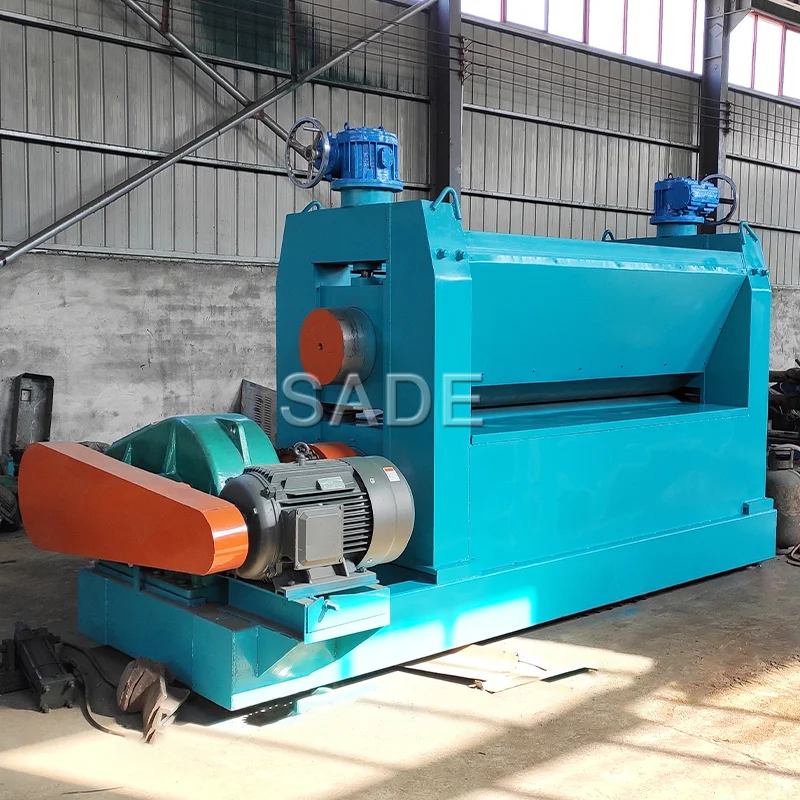
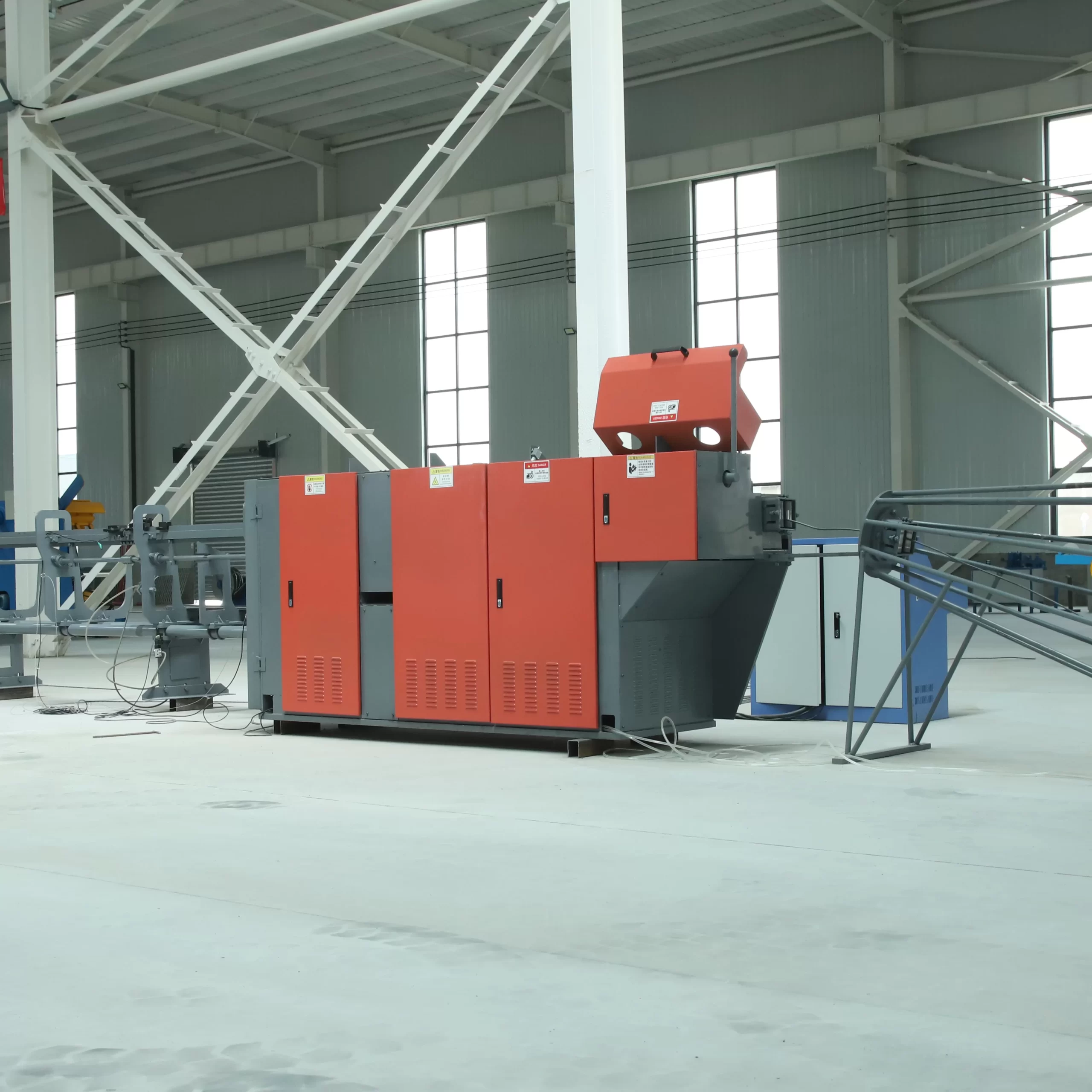
ZPJ Metal Mesh Flatting Machine
ZPJ metal mesh flatting machine is special designed for expanded metal flatting.It’s a corollary equipment of expanded metal machine. It can make expanded wire-mesh smoothly.And the flattened expanded metal have much more widely different applications.
Apr 24, 2026
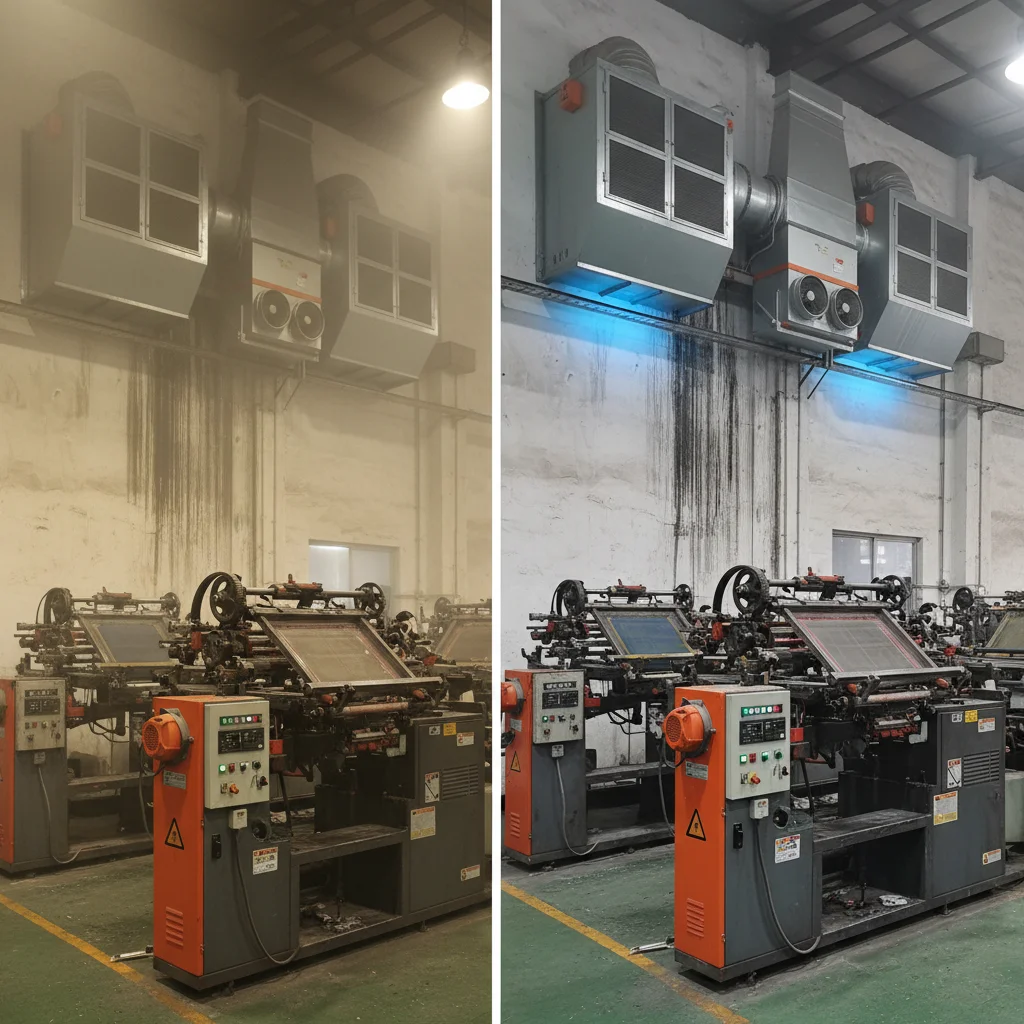
Industrial Wall Mounted Air Filtration for Clean Work Environments