Medical air filtration is a critical aspect of maintaining sterile and safe environments in healthcare facilities, pharmaceutical manufacturing, and research laboratories. The quality of air directly impacts patient outcomes, product integrity, and the health of personnel. As global health concerns rise and technological advancements continue, the demand for sophisticated and reliable medical air filtration systems is increasingly important. Understanding the principles, applications, and future trends of this field is vital for ensuring optimal performance and safeguarding public health.
The global medical air filtration market is experiencing substantial growth, driven by factors like increasing hospital admissions, a rising prevalence of airborne diseases, and stricter regulatory standards. According to a report by Grand View Research, the global medical air filtration market was valued at USD 7.1 billion in 2022 and is projected to reach USD 12.8 billion by 2030, growing at a CAGR of 7.7% from 2023 to 2030. This expansion highlights the critical need for effective solutions to combat contamination and maintain air quality.
Effective medical air filtration isn’t simply about removing dust; it’s about creating a precisely controlled atmosphere, free from harmful particulates, bacteria, viruses, and volatile organic compounds (VOCs). Modern healthcare and research rely on the ability to maintain specific environmental conditions, and medical air filtration is the cornerstone of achieving these standards. This is particularly important in areas like operating rooms, isolation wards, and pharmaceutical cleanrooms.
Introduction to Medical Air Filtration
Medical air filtration plays a crucial role in protecting vulnerable patients from healthcare-associated infections (HAIs). These infections, often caused by airborne pathogens, pose a significant threat to patient safety and contribute to increased healthcare costs. Sophisticated filtration systems minimize the risk of these infections, improving patient outcomes and reducing the burden on healthcare resources.
Beyond patient safety, effective medical air filtration is essential for maintaining the integrity of pharmaceutical and biotechnology products. Contamination during manufacturing can lead to product recalls, financial losses, and potential harm to consumers. Rigorous air quality control is therefore a non-negotiable requirement in these industries, driving innovation and investment in advanced filtration technologies.
Defining Medical Air Filtration
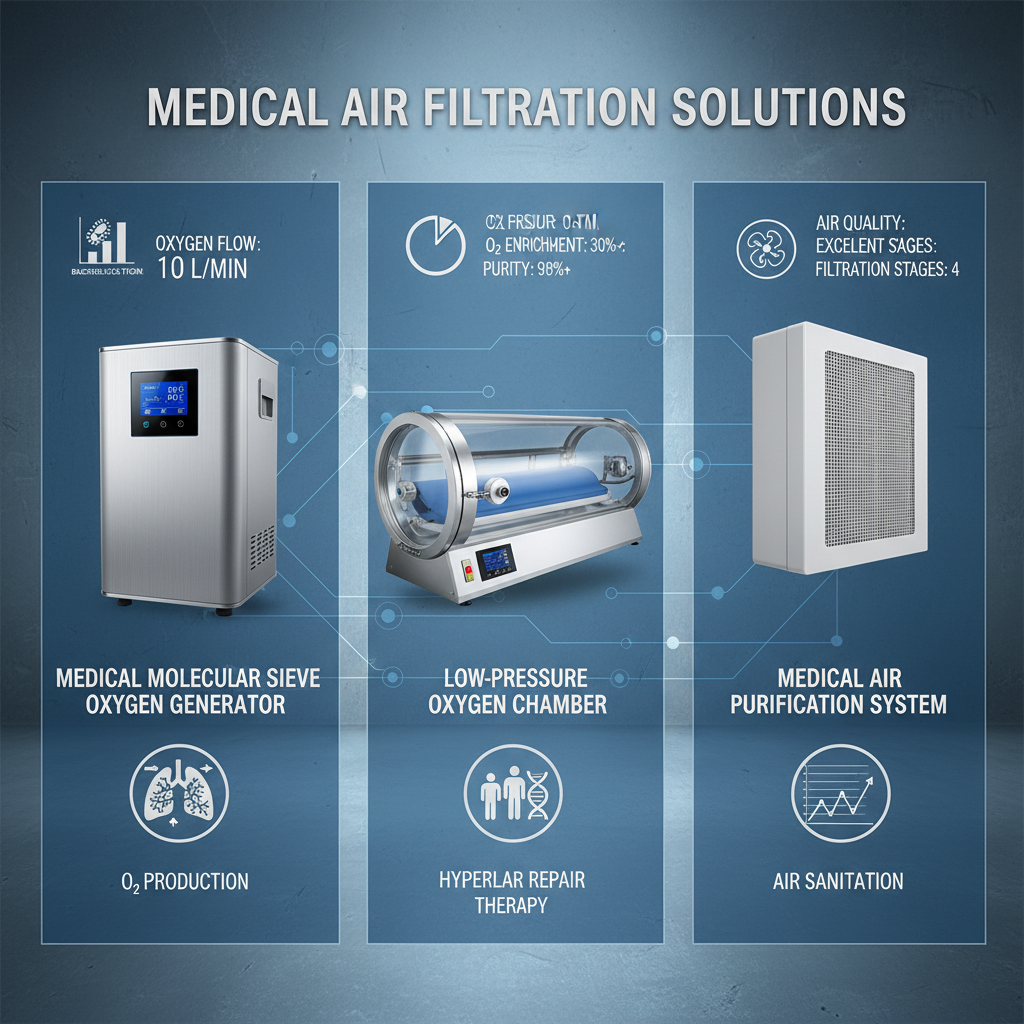
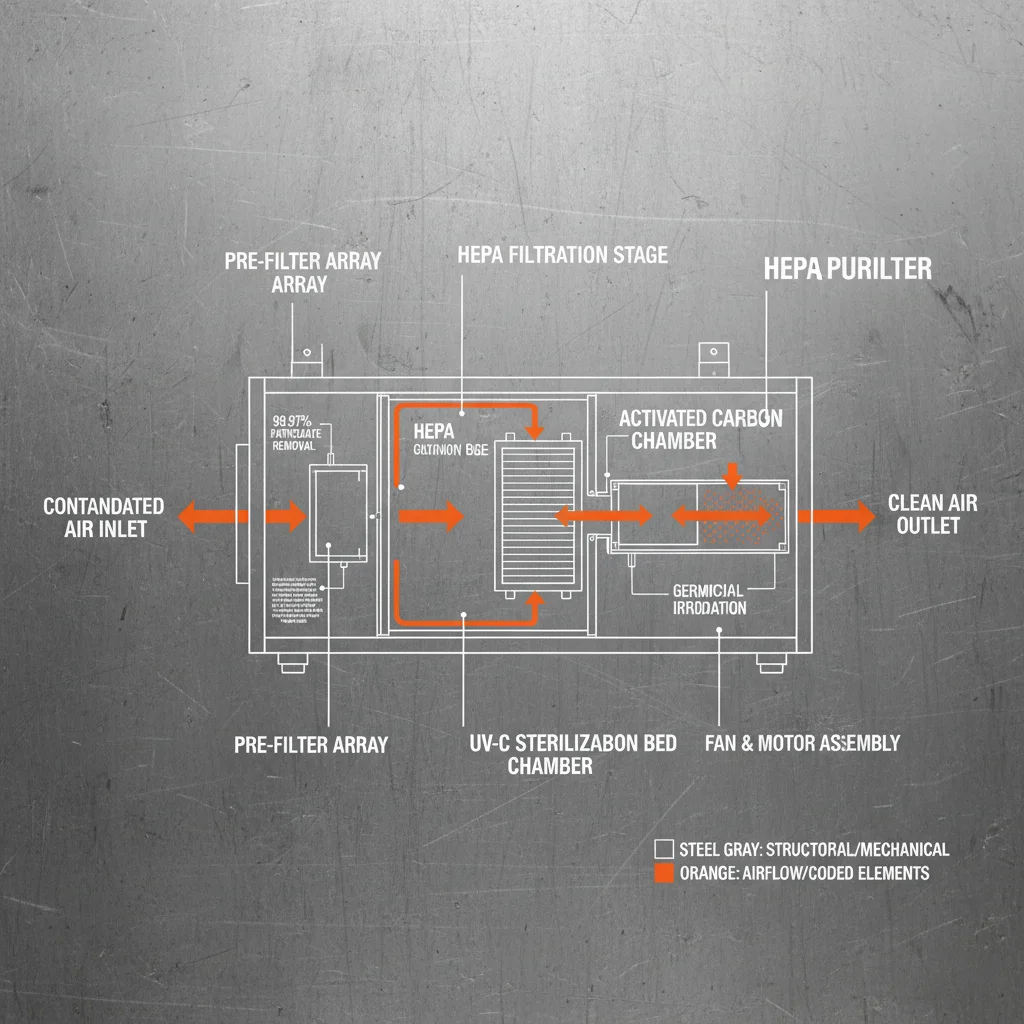
Medical air filtration is the process of removing airborne contaminants – including dust, pollen, mold spores, bacteria, viruses, and volatile organic compounds (VOCs) – from the air supply within healthcare environments. It goes beyond standard HVAC filtration, employing specialized technologies to achieve a higher level of air purity. This is achieved through a multi-stage approach, often involving pre-filters, HEPA filters, and sometimes even UV disinfection.
The goal of medical air filtration is to create a controlled atmosphere that minimizes the risk of infection, supports sensitive medical procedures, and protects the integrity of research and manufacturing processes. This directly connects to modern needs for stringent sterilization and controlled environments, particularly given the rise of antimicrobial resistance and the increasing complexity of medical treatments.
This practice isn't limited to hospitals. It extends to pharmaceutical production facilities, research laboratories conducting sensitive experiments, dental offices needing sterile environments, and even specialized clinics offering procedures like IVF, where even minute airborne contaminants can impact success rates.
Core Components of Effective Systems
A robust medical air filtration system is composed of several key elements working in concert. The first, and often overlooked, is proper system design. A well-designed system considers airflow patterns, room pressurization, and the specific contamination risks associated with the space. This requires careful planning and often the expertise of HVAC engineers specializing in healthcare environments.
High-Efficiency Particulate Air (HEPA) filters are the workhorses of medical air filtration. These filters are rated to capture at least 99.97% of particles 0.3 microns in diameter, effectively removing bacteria, viruses, and other microscopic contaminants. However, HEPA filters require regular monitoring and replacement to maintain their effectiveness, and their performance can be affected by upstream filtration.
Pre-filters play a vital role in extending the life of HEPA filters by removing larger particles, such as dust and pollen. UV germicidal irradiation (UVGI) can be used as an additional layer of defense, inactivating microorganisms that may pass through the filters. Finally, continuous monitoring systems provide real-time data on air quality, allowing for prompt intervention if contamination levels rise.
Practical Applications & Global Reach
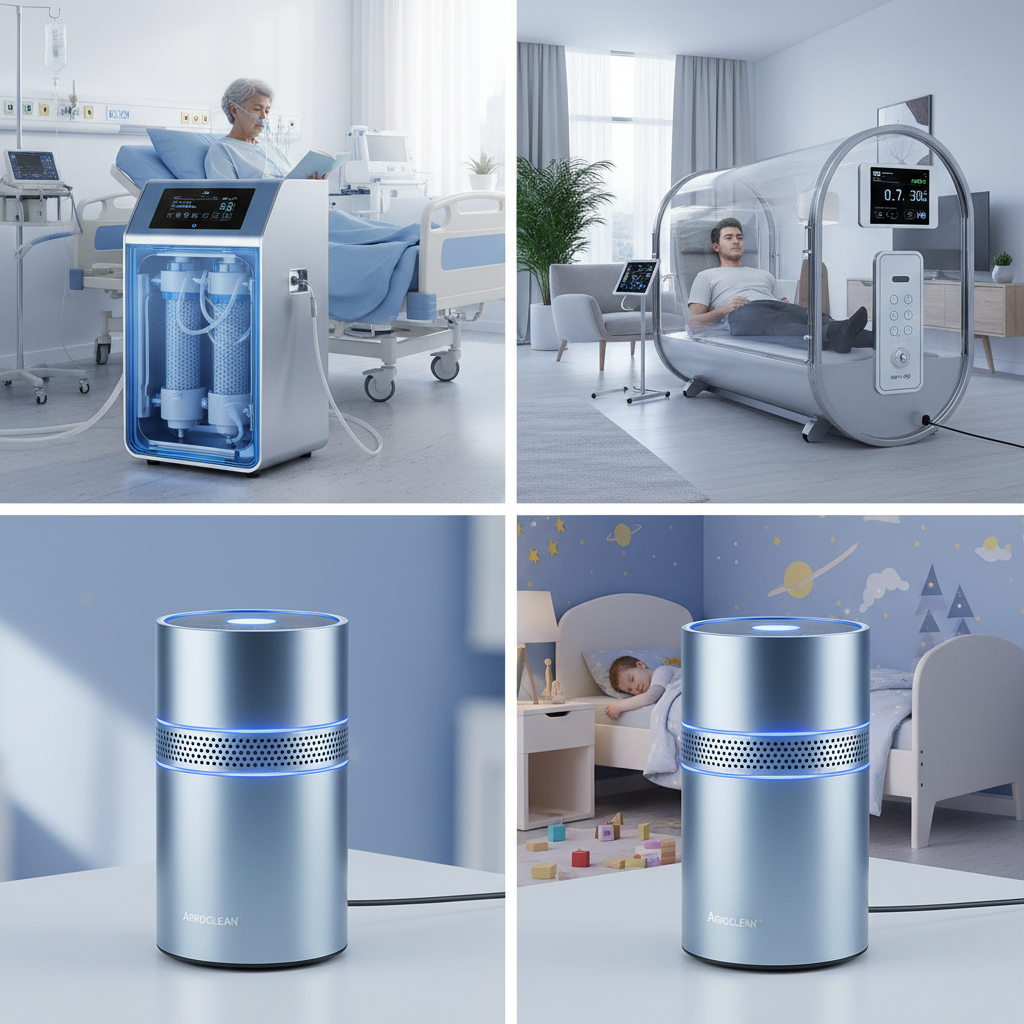
Medical air filtration systems are indispensable in operating rooms, where maintaining a sterile environment is paramount to preventing surgical site infections. Similarly, isolation wards utilize these systems to contain airborne pathogens and protect both patients and healthcare workers. The application extends to intensive care units (ICUs), where immunocompromised patients are particularly vulnerable to infection.
Medical Air Filtration Effectiveness by Method
Benefits and Long-Term Value
The investment in high-quality medical air filtration yields substantial returns. The primary benefit is improved patient safety, resulting in reduced HAIs and faster recovery times. This translates to lower healthcare costs, decreased hospital readmissions, and enhanced patient satisfaction. Beyond the immediate clinical benefits, robust air filtration systems contribute to a positive perception of the healthcare facility, building trust with patients and the community.
From a sustainability perspective, efficient filtration systems can reduce energy consumption by minimizing the need for air recirculation. Furthermore, the use of durable, long-lasting filters reduces waste and lowers the overall environmental impact. The long-term value extends to the preservation of valuable equipment, like sensitive diagnostic instruments, by protecting them from airborne contaminants.
Future Trends and Innovations
The future of medical air filtration is being shaped by advancements in nanotechnology, materials science, and digital monitoring. Nanomaterials are being explored for their potential to create filters with even higher efficiency and lower pressure drop. Smart sensors and IoT (Internet of Things) devices are enabling real-time air quality monitoring and predictive maintenance, optimizing system performance and reducing downtime.
There’s a growing trend toward integrating air filtration with building management systems, allowing for centralized control and data analysis. Furthermore, research is focusing on developing more sustainable and eco-friendly filtration materials, reducing reliance on traditional synthetic fibers. Expect to see increased adoption of portable, self-contained air filtration units for rapid deployment in emergency situations or for creating localized clean zones.
Challenges and Solutions in Implementation
Despite the clear benefits, implementing and maintaining effective medical air filtration systems presents several challenges. One significant hurdle is the cost of initial investment and ongoing maintenance, particularly for smaller healthcare facilities. Ensuring proper filter selection, installation, and regular replacement requires specialized expertise.
Another challenge is addressing legacy HVAC systems that were not designed to accommodate high-efficiency filtration. Retrofitting these systems can be complex and expensive. Solutions include phased upgrades, utilizing pre-filters to extend the life of HEPA filters, and implementing robust monitoring programs to detect and address any performance issues promptly.
Training and education are also crucial. Healthcare personnel need to understand the importance of air filtration and how to operate and maintain the systems correctly. Collaboration between HVAC engineers, infection control specialists, and facility managers is essential for overcoming these challenges and ensuring optimal air quality.
Summary of Challenges and Solutions for Medical Air Filtration Implementation
| Challenge |
Impact on System Performance |
Potential Solution |
Cost Estimate (USD) |
| High Initial Investment |
Delays implementation, compromises filter quality |
Phased implementation, leasing options |
$5,000 - $20,000 |
| Lack of Trained Personnel |
Improper filter maintenance, reduced efficiency |
Comprehensive training programs, vendor support |
$1,000 - $5,000 |
| Retrofitting Legacy Systems |
Limited filter compatibility, airflow issues |
System upgrades, pre-filter installation |
$10,000 - $50,000 |
| Filter Selection Complexity |
Incorrect filter type, suboptimal performance |
Consult with filtration experts, conduct air quality assessments |
$500 - $2,000 |
| Insufficient Monitoring |
Delayed detection of filter failure, compromised air quality |
Real-time air quality sensors, automated alerts |
$2,000 - $10,000 |
| Maintaining Proper System Pressure |
Reduced filtration efficiency, increased energy consumption |
Regular system inspections, airflow balancing |
$500 - $1,500 |
FAQS
While both HEPA and ULPA filters are highly efficient, ULPA (Ultra-Low Penetration Air) filters offer a higher level of performance. HEPA filters capture at least 99.97% of particles 0.3 microns in size, while ULPA filters capture 99.999% of particles, including smaller ones. ULPA filters are typically used in applications requiring the highest level of air purity, such as semiconductor manufacturing and some specialized medical procedures.
The frequency of filter replacement depends on several factors, including the level of contamination, the type of filter, and the usage rate. However, a general guideline is to inspect filters monthly and replace them at least annually, or more frequently if pressure drop exceeds recommended levels. Regular monitoring of pressure differentials is crucial for determining filter loading and ensuring optimal performance.
UVGI (Ultraviolet Germicidal Irradiation) is often used as a supplemental disinfection method in conjunction with filtration. UV light inactivates microorganisms, such as bacteria, viruses, and mold spores, that may pass through the filters. It doesn't remove particulates, but it reduces the risk of airborne infection by rendering microorganisms harmless.
Maintaining proper airflow and pressurization is crucial for preventing the spread of contaminants. This involves ensuring that air flows from clean to less clean areas, creating negative or positive pressure zones as needed, and conducting regular airflow measurements. A qualified HVAC engineer specializing in healthcare facilities should be consulted for system design and maintenance.
Costs vary significantly based on the size of the facility, the complexity of the system, and the specific filtration technologies employed. Initial costs can range from a few thousand dollars for a basic system to tens of thousands of dollars for a more sophisticated setup. Ongoing costs include filter replacement, maintenance, and energy consumption. A thorough cost-benefit analysis should be conducted.
Regulations vary by country and region. In the United States, organizations like ASHRAE (American Society of Heating, Refrigerating and Air-Conditioning Engineers) provide guidelines, while the CDC (Centers for Disease Control and Prevention) offers recommendations. Healthcare facilities must comply with relevant building codes and infection control standards. Understanding and adhering to these regulations is crucial for maintaining a safe and compliant environment.
Conclusion
Medical air filtration is an indispensable component of modern healthcare and research, protecting patients, personnel, and the integrity of critical processes. From HEPA filtration and UVGI disinfection to advanced monitoring systems, a comprehensive approach is essential for maintaining optimal air quality and mitigating the risk of airborne contamination. Investing in robust medical air filtration is not merely a compliance requirement, but a commitment to safety, quality, and innovation.
As technology continues to evolve, we can anticipate even more sophisticated and efficient air filtration solutions. Proactive implementation of these advancements, coupled with ongoing maintenance and a dedication to best practices, will ensure that healthcare facilities remain at the forefront of infection control and provide the safest possible environments for those they serve. For more information about tailored medical air filtration solutions, visit our website: www.meshmachinery.com.