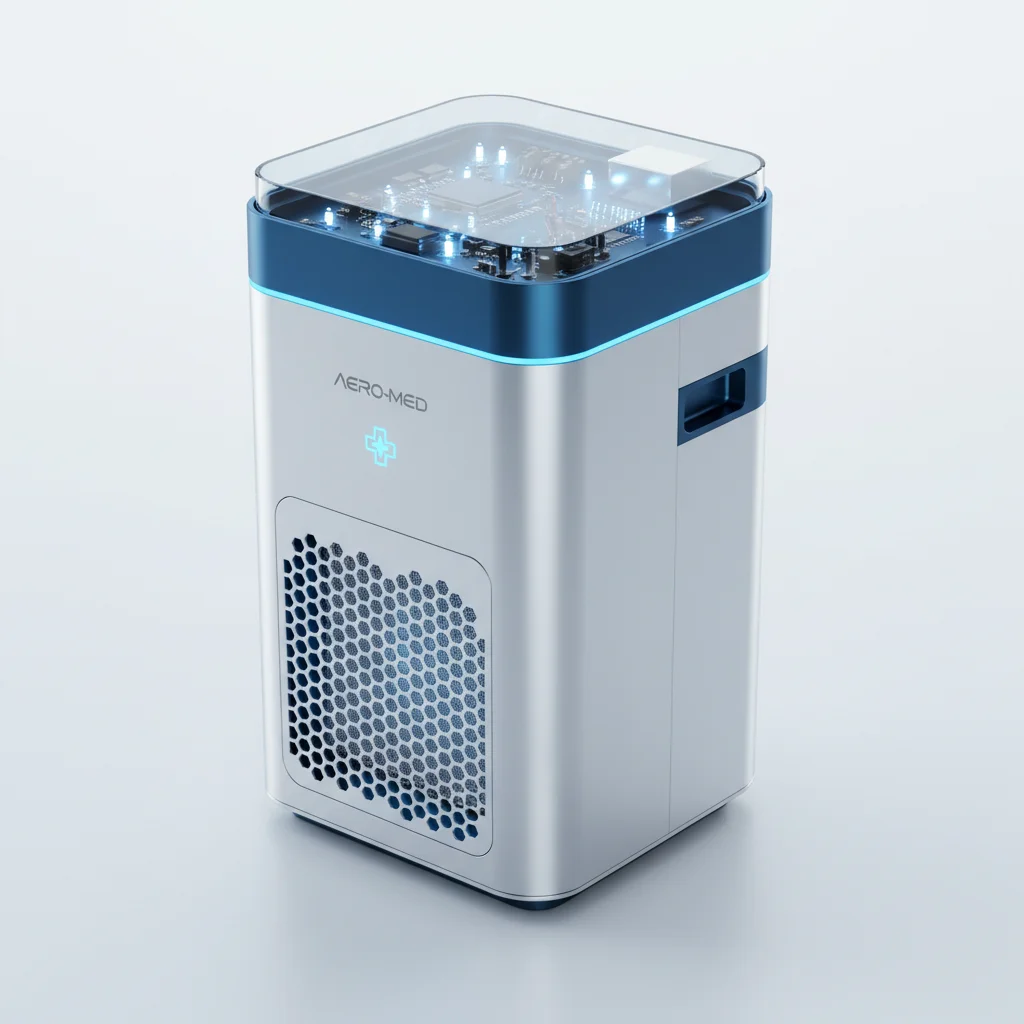
The need for effective air purification has never been more critical. From healthcare facilities battling airborne pathogens to industrial settings requiring stringent quality control, and even everyday homes seeking to improve indoor air quality, the demand for reliable air sterilization is surging. An air sterilization machine represents a crucial advancement in protecting human health and ensuring operational efficiency. This technology addresses a global challenge – the prevalence of harmful airborne contaminants – with solutions applicable across diverse environments.
The increasing awareness of the detrimental effects of poor air quality, coupled with advancements in sterilization technologies, drives the growth of the air sterilization machine market. Globally, organizations like the World Health Organization (WHO) emphasize the importance of clean air, while regulatory bodies like ISO establish standards for air quality control. This escalating demand isn't simply about comfort; it's about mitigating health risks, preventing disease transmission, and creating safer, more productive spaces.
Understanding the nuances of air sterilization – from different technologies to practical applications – is paramount for individuals and organizations seeking to invest in effective solutions. This exploration provides a comprehensive overview of air sterilization machines, covering their key features, applications, benefits, and future trends, helping stakeholders make informed decisions for a healthier and safer future.
Introduction: Global or Industry Context
The increasing global concerns regarding indoor air quality are propelling the demand for advanced air sterilization solutions. Traditional air purification methods often fall short in eliminating airborne pathogens, volatile organic compounds (VOCs), and particulate matter, necessitating the deployment of more sophisticated technologies like those found within an air sterilization machine. This demand isn't limited to developed nations; developing countries facing rapid urbanization and industrialization are also increasingly recognizing the need for clean air.
The global air purifier market, encompassing air sterilization machines, is projected to reach significant values in the coming years, driven by heightened awareness of respiratory illnesses, stricter regulations regarding air quality standards, and the increasing prevalence of air pollution in urban areas. Reports from organizations like the United Nations Environment Programme (UNEP) highlight the severe impact of air pollution on public health, emphasizing the urgency of implementing effective air sterilization solutions.
The pandemic underscored the vital role of air sterilization in preventing the spread of airborne diseases. Hospitals, laboratories, and public transportation systems quickly realized the limitations of standard ventilation systems and began adopting air sterilization machine technologies to ensure a safe environment for both staff and the public. This has led to increased investment in research and development, resulting in more efficient and cost-effective air sterilization solutions.
Definition & Meaning
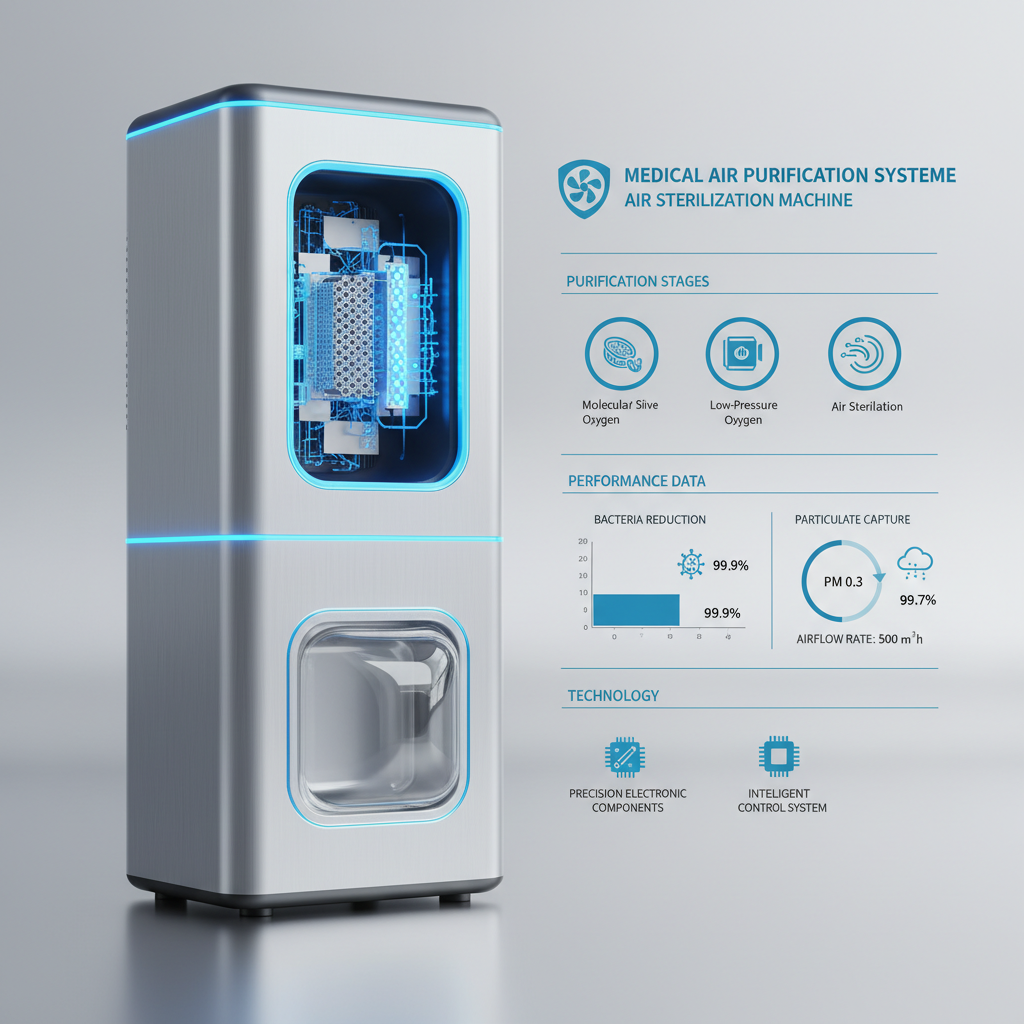
An air sterilization machine is a device designed to eliminate airborne contaminants, including bacteria, viruses, fungi, spores, and volatile organic compounds (VOCs), achieving a high level of air purity. Unlike air purification, which focuses on filtering out particles, air sterilization aims to deactivate or kill harmful microorganisms. This is typically achieved through technologies like UV-C irradiation, HEPA filtration combined with sterilization processes, or ozone generation (though the latter requires careful implementation and safety measures).
The importance of air sterilization extends beyond simply reducing the risk of infection. In industrial settings, precise air sterilization is crucial for maintaining product quality in industries like pharmaceuticals, food processing, and microelectronics. In research laboratories, stringent air sterilization protocols are essential to prevent contamination of experiments and ensure the validity of results. The connection to modern industry stems from the necessity of maintaining controlled environments.
At its core, an air sterilization machine represents a proactive approach to health and safety. It’s not merely about reacting to air quality issues; it’s about preventing them from occurring in the first place. The concept of air sterilization is intrinsically linked to humanitarian needs in disaster relief scenarios, providing clean air in makeshift hospitals and shelters, contributing to the well-being of vulnerable populations.
Key Factors or Core Components
Effectiveness of Sterilization Technology: The core of any air sterilization machine lies in its sterilization method. UV-C irradiation is widely used due to its germicidal properties, but its effectiveness depends on factors like UV-C intensity, exposure time, and the presence of shadows. HEPA filtration, combined with sterilization, offers a broader spectrum of contaminant removal. The chosen technology must be appropriate for the specific application and target contaminants.
Airflow and Circulation: Effective air sterilization requires adequate airflow throughout the space. The machine must be capable of drawing in contaminated air, exposing it to the sterilization process, and then distributing clean air evenly. Airflow rates, fan efficiency, and room geometry all play crucial roles in achieving optimal sterilization.
Maintenance and Reliability: An air sterilization machine needs to be easily maintained to ensure continuous performance. Filter replacement schedules, UV-C bulb lifespan, and component accessibility are critical considerations. A reliable machine minimizes downtime and ensures consistent air quality.
Safety Features: Safety is paramount, especially with technologies like UV-C and ozone generation. Machines should incorporate features like automatic shut-off mechanisms, shielding to prevent UV-C exposure, and sensors to monitor air quality and ensure safe operating conditions.
Energy Efficiency: The operational cost of an air sterilization machine should be minimized through energy-efficient design. This includes using low-power components, optimizing airflow patterns, and incorporating smart control systems.
Size and Portability: Depending on the application, the size and portability of the machine can be important. For large facilities, stationary units are suitable, while portable units are ideal for smaller spaces or mobile applications.
Global Applications & Use Cases
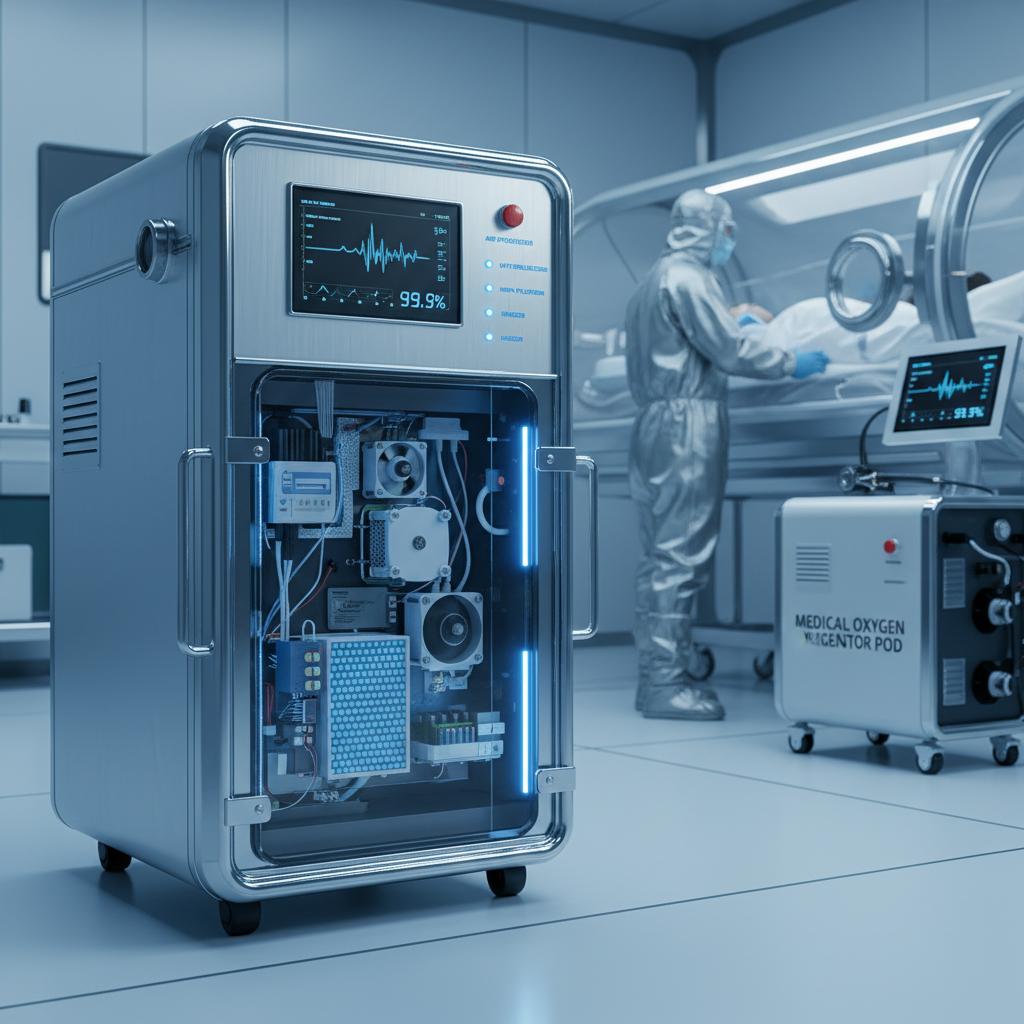
Air sterilization machines find widespread application in healthcare settings, including hospitals, clinics, operating rooms, and isolation wards, where controlling airborne infections is crucial. The pharmaceutical industry utilizes these machines to maintain sterile environments during drug manufacturing and research. Similarly, the food and beverage industry relies on air sterilization to prevent contamination during processing and packaging.
In post-disaster relief operations, portable air sterilization machines are deployed to provide clean air in emergency shelters and field hospitals, mitigating the risk of disease outbreaks among displaced populations. Remote industrial zones, lacking robust infrastructure, benefit from self-contained air sterilization units to maintain air quality in laboratories and production facilities.
The growing trend of indoor farming and controlled-environment agriculture (CEA) necessitates precise air sterilization to protect crops from pathogens and pests. Furthermore, the increasing demand for clean air in commercial buildings, schools, and public transportation systems is driving the adoption of air sterilization technologies across various sectors.
Air Sterilization Machine Methods - Relative Effectiveness
Advantages & Long-Term Value
Investing in an air sterilization machine delivers tangible benefits, including reduced healthcare costs through lower infection rates, increased productivity due to fewer sick days, and improved product quality in sensitive industries. The cost savings associated with preventing contamination can be substantial, especially in sectors like pharmaceuticals and food processing.
From a sustainability perspective, effective air sterilization reduces the need for excessive ventilation, leading to lower energy consumption and a smaller carbon footprint. The long-term value extends beyond economic considerations to encompass the emotional well-being and safety of individuals, fostering trust and confidence in the environments they occupy.
Furthermore, adopting advanced air sterilization technologies demonstrates a commitment to innovation and responsible environmental stewardship, enhancing an organization's reputation and building stronger stakeholder relationships. The reliability of a well-maintained air sterilization machine contributes to a sense of security and peace of mind, knowing that the air is consistently clean and safe.
Future Trends & Innovations
The future of air sterilization is marked by a shift towards more intelligent and integrated systems. Smart air sterilization machines, equipped with sensors and data analytics, will automatically adjust sterilization parameters based on real-time air quality monitoring. Integration with building management systems (BMS) will enable centralized control and optimization of air quality throughout entire facilities.
Research into novel sterilization technologies, such as pulsed-xenon UV light and advanced oxidation processes (AOPs), promises even greater effectiveness and energy efficiency. The incorporation of green energy sources, like solar power, will further reduce the environmental impact of air sterilization machines, aligning with sustainability goals.
Challenges & Solutions
A common challenge is the potential for UV-C exposure, requiring careful shielding and safety interlocks in air sterilization machines. Another limitation is the susceptibility of some sterilization methods to shadows and obstructions, reducing their effectiveness in complex environments. Addressing these issues requires innovative design solutions and rigorous testing.
The cost of initial investment and ongoing maintenance can also be a barrier to adoption, particularly for small businesses and developing countries. Exploring financing options, developing more affordable technologies, and offering comprehensive maintenance packages can help overcome these challenges.
Furthermore, educating users about the proper operation and maintenance of air sterilization machines is crucial to ensure optimal performance and longevity. Developing user-friendly interfaces and providing clear instructions can empower users to effectively manage air quality in their environments.
Key Performance Indicators for Air Sterilization Machine Assessment
| Sterilization Efficiency |
Operational Cost |
Maintenance Frequency |
Environmental Impact |
| Percentage reduction of target pathogens |
Annual energy consumption and filter replacement costs |
Frequency of filter changes, UV-C bulb replacements, and other maintenance tasks |
Carbon footprint and waste generation |
| 99.99% for bacteria, 99.9% for viruses |
$50 - $200 per year |
Filter changes every 6-12 months, UV-C bulb every 9,000 hours |
Low, especially with energy-efficient models |
| 99.9% for common airborne viruses |
$100 - $300 per year |
Filter changes every 3-6 months, UV-C bulb every 6,000 hours |
Moderate, depending on filter type and energy source |
| 95% for mold spores and fungal contaminants |
$200 - $400 per year |
Filter changes every 3 months, UV-C bulb every 3,000 hours |
High, due to frequent filter replacements |
| 98% for VOCs |
$75 - $150 per year |
Filter changes every 6 months, carbon filter replacement annually |
Low to moderate, depending on carbon filter disposal |
| 99.5% for particulate matter (PM2.5) |
$150 - $250 per year |
Filter changes every 6-12 months |
Moderate, depending on filter material |
FAQS
While both aim to improve air quality, air purifiers primarily filter out particles like dust and pollen. Air sterilization machines go a step further, killing or deactivating harmful microorganisms like bacteria, viruses, and fungi. Sterilization offers a higher level of air purity, crucial for sensitive environments like hospitals and laboratories.
Filter replacement frequency depends on the machine's design and the air quality in your environment. Generally, HEPA filters should be replaced every 6-12 months, while carbon filters may need more frequent replacement, around every 3-6 months. Check the manufacturer's recommendations for specific guidelines.
UV-C radiation can be harmful to skin and eyes. However, reputable air sterilization machines incorporate shielding and safety interlocks to prevent exposure. Ensure the machine is designed with these safety features and that the UV-C bulb is fully contained within the unit.
Air sterilization machines with activated carbon filters can effectively remove odors caused by VOCs and other airborne chemicals. However, the effectiveness depends on the type and concentration of the odor-causing compounds and the quality of the carbon filter.
The cost of an air sterilization machine varies widely depending on its size, features, and sterilization technology. Portable units for home use can range from $200 to $800, while larger, industrial-grade machines can cost several thousand dollars. Consider your specific needs and budget when making a selection.
Regular maintenance includes filter replacement, UV-C bulb replacement (if applicable), and cleaning the machine's exterior. It’s also important to check for any signs of damage or malfunction and to follow the manufacturer's instructions for proper operation and maintenance.
Conclusion
In conclusion, the implementation of an air sterilization machine is no longer a luxury, but a necessity in today’s world. From protecting public health to ensuring product quality and enhancing environmental sustainability, the benefits are multifaceted and far-reaching. Understanding the key factors, applications, and future trends in air sterilization empowers individuals and organizations to make informed decisions and invest in solutions that promote a safer, healthier future for all.
As technology continues to evolve, we can anticipate even more sophisticated and efficient air sterilization solutions emerging, driven by the need for proactive air quality management. Investing in research and development, promoting awareness of air sterilization benefits, and fostering collaboration between industry, government, and healthcare professionals are crucial steps towards creating a world where clean air is accessible to everyone. Visit our website at www.meshmachinery.com to learn more about our range of air sterilization solutions.