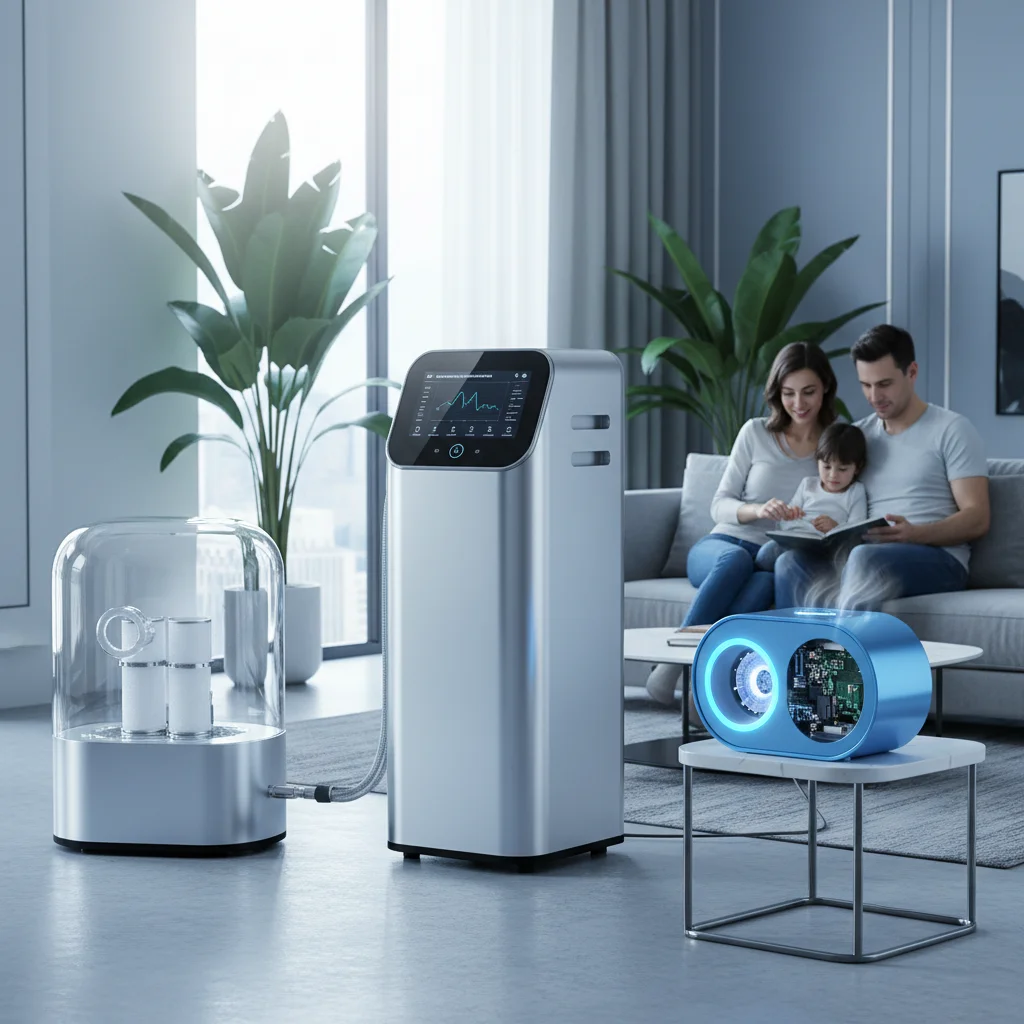
Look, I've spent the last fifteen years breathing concrete dust and arguing with HVAC guys. I’ve seen a lot of band-aid solutions for indoor air quality, especially on construction sites and in older buildings. But a solid wall mounted air purifier with uv light – a good one – is a game changer. It’s not just about comfort; it's about keeping crews healthy, reducing sick days, and meeting increasingly stringent air quality standards. We're talking about protecting long-term lung health, especially with the silica dust issues we're facing now. It's not a luxury anymore, it's a necessity.
Frankly, the market was flooded with flimsy, underpowered units for too long. They'd hum, vibrate, and barely make a dent in the dust and fumes. But the technology has finally caught up. Modern wall mounted air purifier with uv light systems, especially those with true HEPA filters and UV-C sterilization, are actually delivering on their promises. I've seen a real difference in job site conditions, and the guys are noticing it too. Less coughing, less fatigue, and more importantly, fewer respiratory issues.
And it’s not just construction. Retrofitting older buildings, schools, even hospitals – these are all places where a dedicated, wall-mounted solution with UV sterilization makes a huge impact. It's about creating a safer, healthier indoor environment for everyone. The cost savings in the long run, from reduced healthcare claims and increased productivity, far outweigh the initial investment. That's what I tell the owners, and that’s what they’re starting to understand.
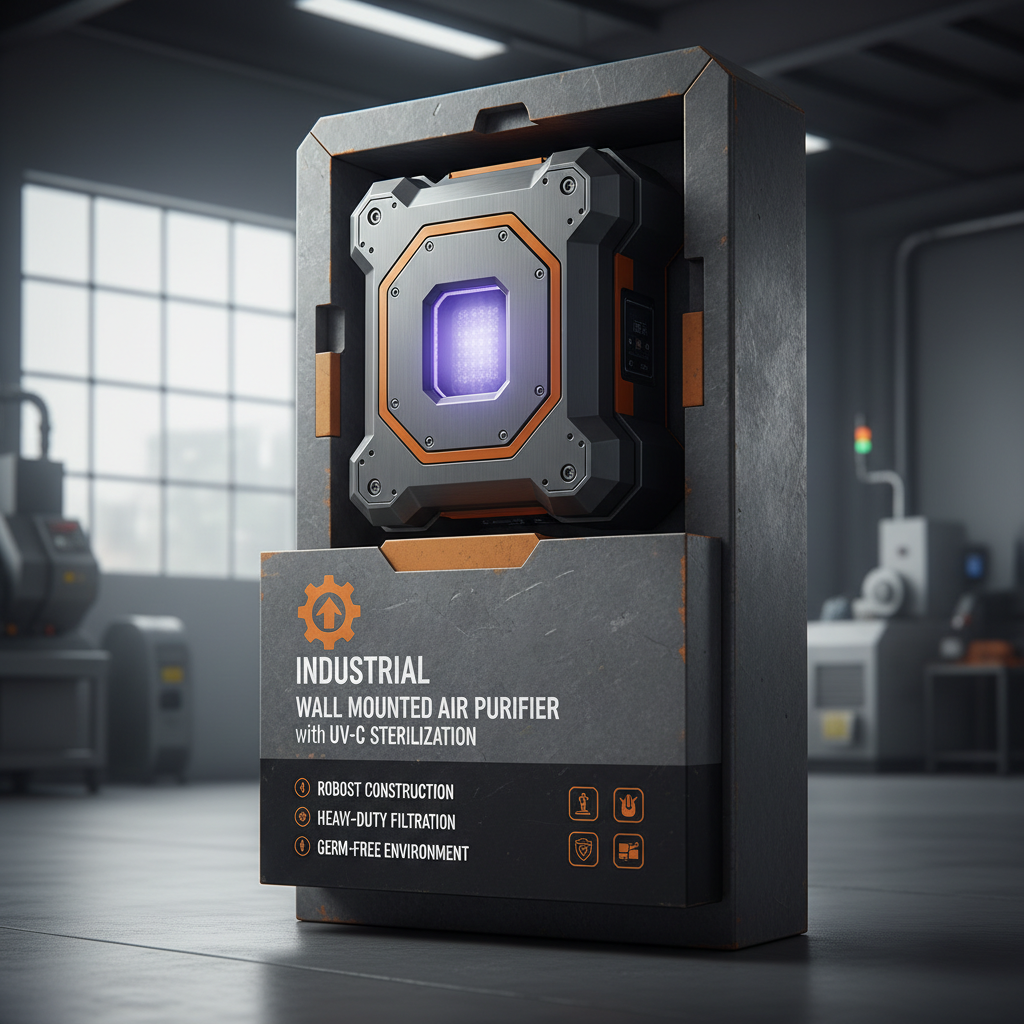
The Importance of Wall Mounted Air Purification
Let's be real, indoor air is often more polluted than outdoor air. Especially in closed construction environments or older buildings. A wall mounted air purifier with uv light isn’t just about dust; it’s about volatile organic compounds (VOCs) from paints, adhesives, and cleaning products. It's about mold spores, bacteria, and viruses. We're dealing with a complex cocktail of airborne contaminants, and ignoring it is a recipe for disaster, both in terms of health and productivity.
The need for better indoor air quality is becoming critical. Regulations are tightening, and people are more aware of the health risks. I'm seeing a huge push for better ventilation and air purification, and companies are realizing they need to invest in solutions that actually work. It's about protecting their employees, their customers, and their bottom line.
Understanding Wall Mounted Air Purifiers with UV Light
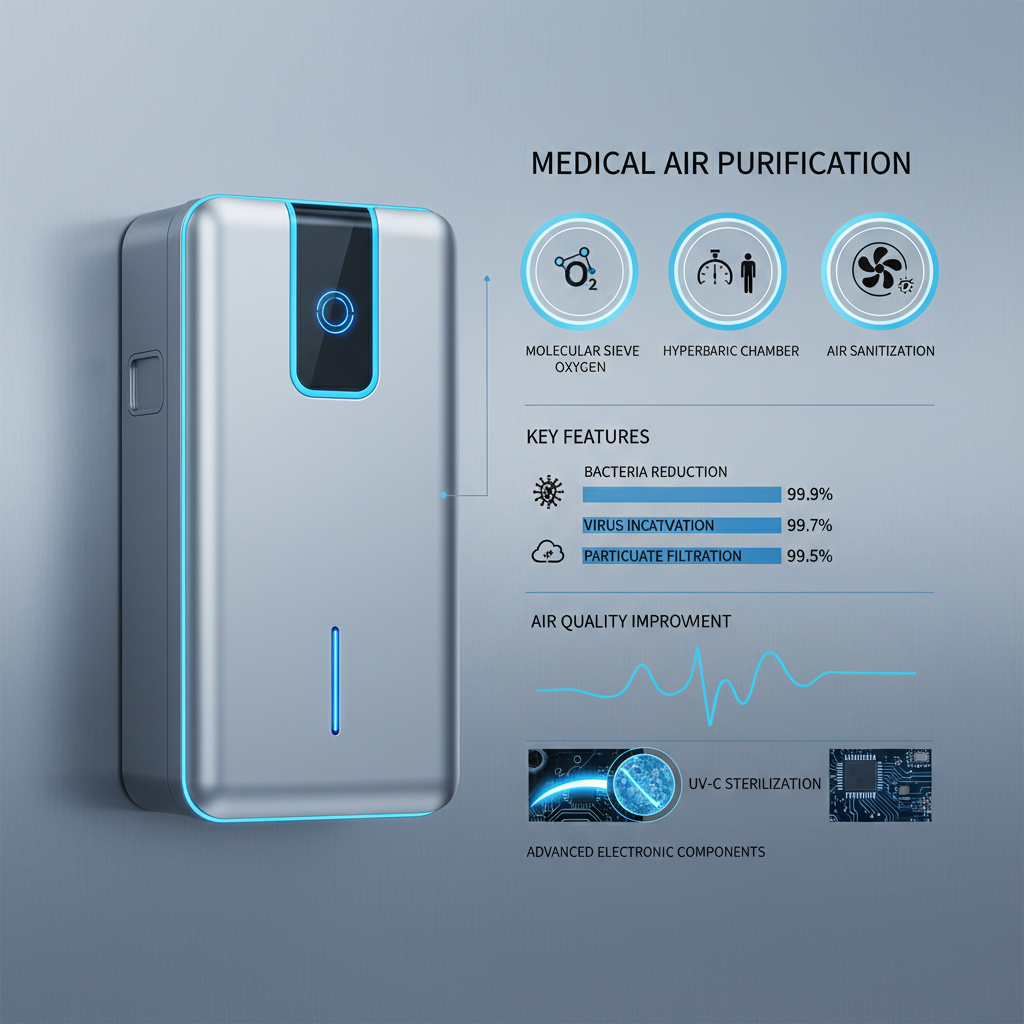
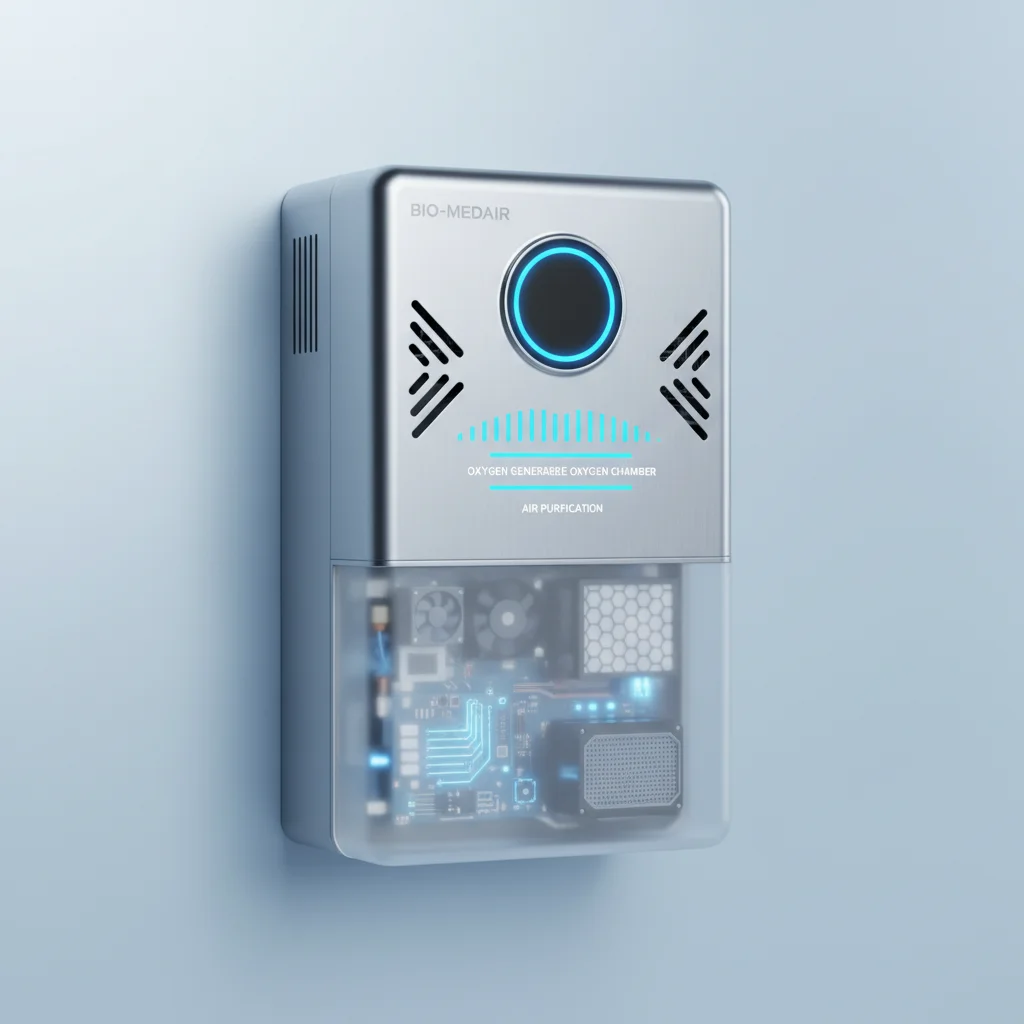
Essentially, these units pull air in, run it through a series of filters, and then bombard it with UV-C light. The filters trap particulate matter – dust, pollen, mold – while the UV-C light neutralizes bacteria, viruses, and other microorganisms. The “wall mounted” part is crucial. It gets the unit out of the way, maximizing floor space and avoiding trip hazards, which is vital on a busy construction site. You don’t want someone kicking over a floor-standing unit and releasing all that collected gunk back into the air!
The UV-C light is the key differentiator. It disrupts the DNA of these pathogens, rendering them harmless. It's not a magic bullet, but it adds a crucial layer of protection. Not all UV-C lights are created equal either; you need a sufficient intensity and exposure time to be effective. That’s where the quality of the unit really matters.
It connects directly to air quality standards. OSHA and other regulatory bodies are increasingly focused on indoor air quality, and using a wall mounted air purifier with uv light can help demonstrate compliance. Plus, it shows your workforce that you care about their wellbeing.
Core Components & Performance Factors
The heart of any good system is the filter. You’re looking for a True HEPA filter – that means it captures 99.97% of particles 0.3 microns in size. Pre-filters are also important for catching larger particles and extending the life of the HEPA filter. Then you have the UV-C lamp, the fan (which needs to be powerful enough to move air effectively but not so loud it drives everyone crazy!), and the housing materials. Cheap plastic won’t last long on a job site.
But performance isn't just about the components; it's about the CADR – Clean Air Delivery Rate. That tells you how quickly the unit can clean a room of a certain size. You need to match the CADR to the square footage of the space. I’ve seen guys buy units that look good on paper but can’t handle the volume of air in a large workshop. It's a waste of money. Air changes per hour (ACH) is another crucial metric. You want at least 4-6 ACH for effective air purification.
And don't underestimate the importance of maintenance. Filters need to be replaced regularly, and UV-C lamps have a limited lifespan. A system that's difficult to maintain is a system that won't be maintained. Simple access to filters and lamps is a huge plus.
Real-World Applications and Industries Benefitting
Construction is a big one, as I’ve said. Silica dust mitigation is huge right now, and these units, combined with proper ventilation and wet cutting techniques, are making a real difference. Hospitals and healthcare facilities are obvious candidates – minimizing airborne pathogens is critical. But I’m also seeing them used in schools, offices, even gyms. Anywhere with a lot of people in a confined space.
I recently worked on a project retrofitting a historic building with a wall mounted air purifier with uv light system. The building had poor ventilation, and the air quality was terrible. The system we installed significantly improved the indoor air quality, making it a much healthier and more comfortable environment for the occupants.
Wall Mounted Air Purifier with UV Light Effectiveness by Application
Advantages: Cost, Sustainability, and Health Impacts
The initial cost is a factor, sure. But consider the long-term savings. Reduced sick days mean increased productivity. Fewer healthcare claims lower insurance costs. Plus, a healthier workforce is a happier workforce. It's an investment, not an expense.
From a sustainability standpoint, extending the lifespan of filters through pre-filtration and choosing units with energy-efficient fans can make a difference. Some manufacturers are also using more sustainable materials in their housings.
Future Trends and Technological Advancements
I'm seeing a lot of innovation in sensor technology. Units that can automatically adjust fan speed based on air quality levels will be huge. Integrating these systems with building management systems (BMS) for centralized monitoring and control is another trend. And there’s research into new filter materials that are even more effective at capturing ultrafine particles.
Smart air purifiers that can learn your patterns and optimize performance based on occupancy and activity levels are also on the horizon. We’re moving towards a more proactive, data-driven approach to indoor air quality.
Challenges and Practical Solutions
One of the biggest challenges is proper installation. You need to make sure the unit is mounted securely and that the airflow isn’t obstructed. Another is educating people about the importance of regular maintenance. A fancy unit is useless if the filters are clogged and the UV-C lamp is burned out.
I recommend developing a clear maintenance schedule and providing training to the people responsible for maintaining the system. Also, choosing a unit with easy-to-access filters and lamps is crucial. And finally, don’t skimp on quality. A cheap unit will likely end up costing you more in the long run.
Here’s a quick look at common issues and solutions:
Common Challenges and Solutions for Wall Mounted Air Purifiers with UV Light
| Challenge |
Impact on Performance |
Solution |
Cost of Implementation |
| Clogged Filters |
Reduced airflow, decreased purification effectiveness |
Regular filter replacement (monthly/quarterly) |
$20-$100 per replacement |
| Weak UV-C Lamp |
Reduced sterilization capability |
Lamp replacement (annually) |
$50-$150 per replacement |
| Improper Mounting |
Reduced airflow, noise vibration |
Professional installation, secure mounting hardware |
$100-$300 |
| Insufficient CADR |
Inadequate air purification for room size |
Select unit with appropriate CADR for the space |
$0 (during initial selection) |
| Lack of Maintenance |
Reduced efficiency, shorter lifespan |
Scheduled maintenance plan, staff training |
$50-$200 per year |
| Air Leaks Around Unit |
Reduced efficiency, unfiltered air circulation |
Seal gaps with caulk or foam sealant |
$10-$50 |
FAQS
Regular maintenance is key to keeping your purifier running efficiently. You'll need to replace the filters – usually a pre-filter every 1-3 months and a HEPA filter every 6-12 months – depending on usage. The UV-C lamp also needs replacing annually. Most importantly, keep the intake and exhaust vents free from obstruction. A neglected unit will lose effectiveness quickly, and it will work the fan harder, shortening its lifespan.
Filter replacement frequency depends on air quality and usage. A pre-filter should be checked monthly and replaced when visibly dirty. HEPA filters typically last 6-12 months, but in dusty environments, you might need to replace them more often. Some units have filter change indicators, which can be helpful. Ignoring filter replacement reduces airflow and purification efficiency.
UV-C light can be harmful with direct exposure, which is why it’s contained within the unit. A properly designed wall mounted air purifier with uv light ensures that the UV-C light doesn’t leak out. It's a closed system. Don't attempt to open or tamper with the unit. The UV-C light is a powerful tool for sterilization, but only when used safely.
The size depends on the room's square footage and ceiling height. Look for the CADR (Clean Air Delivery Rate) rating. A higher CADR means the unit can clean a larger space. A general rule of thumb is to choose a unit with a CADR that's appropriate for the room size. Consider also the ACH (Air Changes per Hour) – you want at least 4-6 ACH for effective purification.
Noise levels vary depending on the unit and fan speed. Look for units with noise ratings (in decibels, dB). Lower dB levels are quieter. Many units have multiple fan speeds, allowing you to adjust the noise level. Consider where you're mounting the unit – avoiding bedrooms or offices where quiet is essential is a good idea.
While you can't see the purification happening, you can look for improvements in air quality, such as reduced dust levels, fewer odors, and fewer allergy symptoms. Some units have air quality sensors that provide feedback. Regularly inspect and replace the filters as recommended to ensure optimal performance. Trusting the senses and maintaining a schedule are keys.
Conclusion
A wall mounted air purifier with uv light isn’t a luxury item anymore. It’s a practical necessity for protecting health, improving productivity, and ensuring compliance with increasingly stringent air quality standards. From construction sites to hospitals, schools to offices, the benefits are clear. Choosing the right unit, prioritizing proper maintenance, and understanding the technology are all crucial for maximizing its effectiveness.
The future of indoor air quality is smart, proactive, and data-driven. We’ll see more advanced sensors, automated controls, and integration with building management systems. But the fundamental principle remains the same: clean air is essential for a healthy and productive life. Don’t wait for regulations to force your hand – invest in a wall mounted air purifier with uv light today and breathe easier tomorrow. Visit our website to learn more.