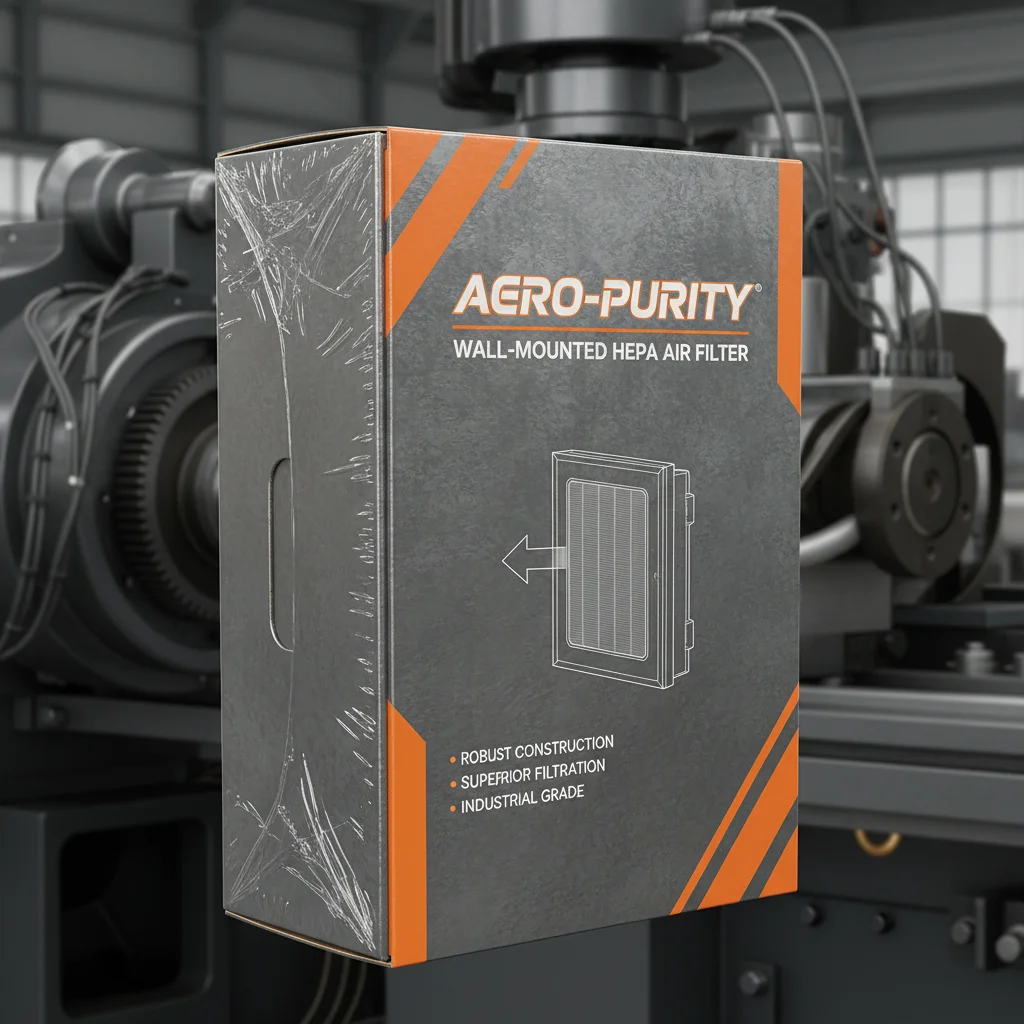
Look, I’ve spent the last fifteen years crawling around construction sites, breathing dust, and frankly, arguing with engineers. What I’ve learned is this: air quality matters. It matters to the guys laying the concrete, to the electricians running wire, and it absolutely matters to the long-term health of the building's occupants. A wall hanging air purifier isn’t some fancy gadget for Silicon Valley offices; it’s a practical piece of kit that’s becoming essential on any modern job and increasingly in homes where indoor air pollution is a real concern.
For years, we’ve focused on ventilation – opening windows, running exhaust fans. That’s good, but it's rarely enough. Construction dust, volatile organic compounds from paints and adhesives, even mold spores… they build up. And traditional air purification systems? Bulky, expensive, and a nightmare to move around. That's where the flexibility of a wall hanging air purifier changes the game. It's about protecting the workforce and delivering a better final product.
I've seen a lot of "solutions" come and go, but these have a real impact. They’re not about marketing hype; they're about concrete improvements in air quality and tangible benefits for everyone involved. It’s a small change that can make a big difference.
The Importance of Wall Hanging Air Purifiers
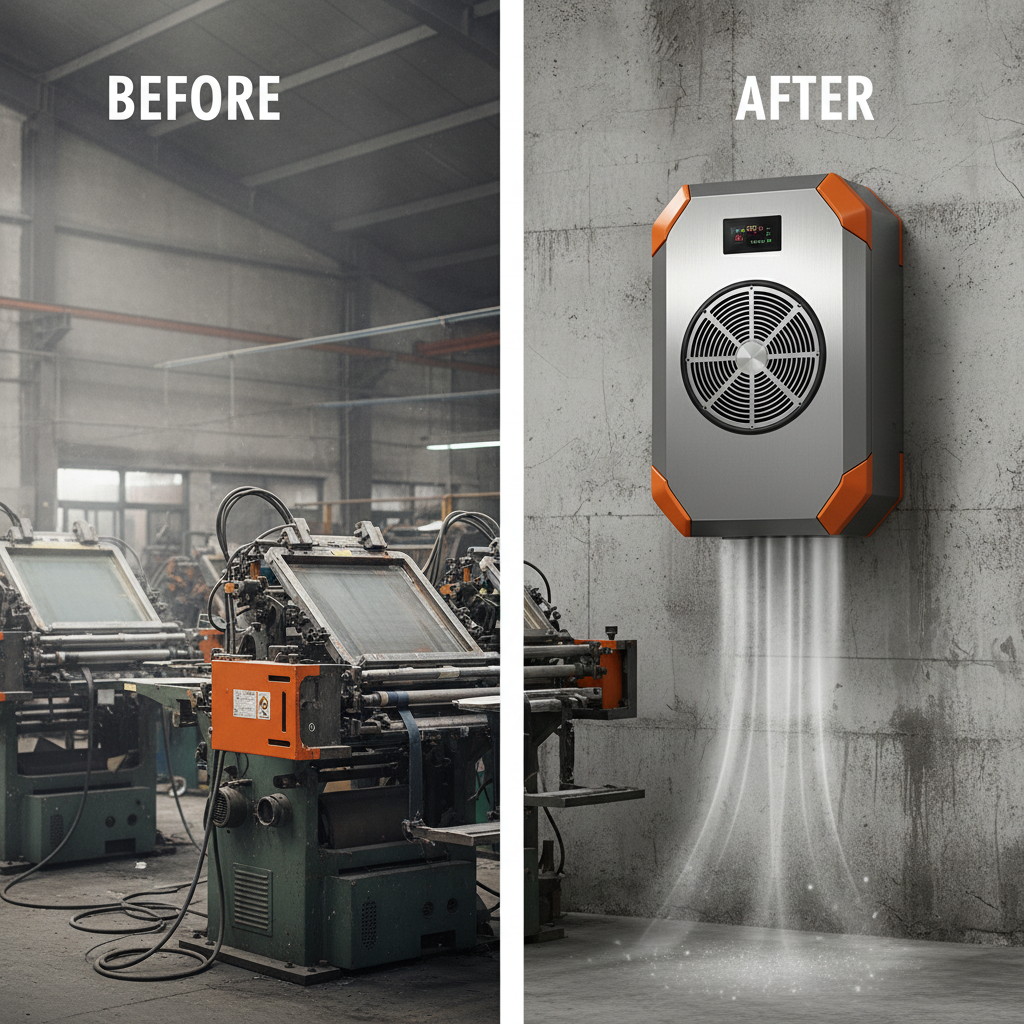
We're seeing increasing awareness – and for good reason – about the impact of air quality on worker productivity and health. Construction sites, manufacturing plants, even older buildings undergoing renovation… they're breeding grounds for particulate matter, gases, and allergens. A wall hanging air purifier is a proactive measure, not a reactive one. It’s about preventing problems before they lead to sick days, decreased efficiency, and potential long-term health issues.
According to the EPA, Americans spend about 90% of their time indoors. That’s a huge amount of exposure. And indoor air can be two to five times more polluted than outdoor air. Ignoring this issue isn't an option, especially when a relatively simple solution like a strategically placed, wall-mounted purifier can make a significant difference.
Defining Wall Hanging Air Purification
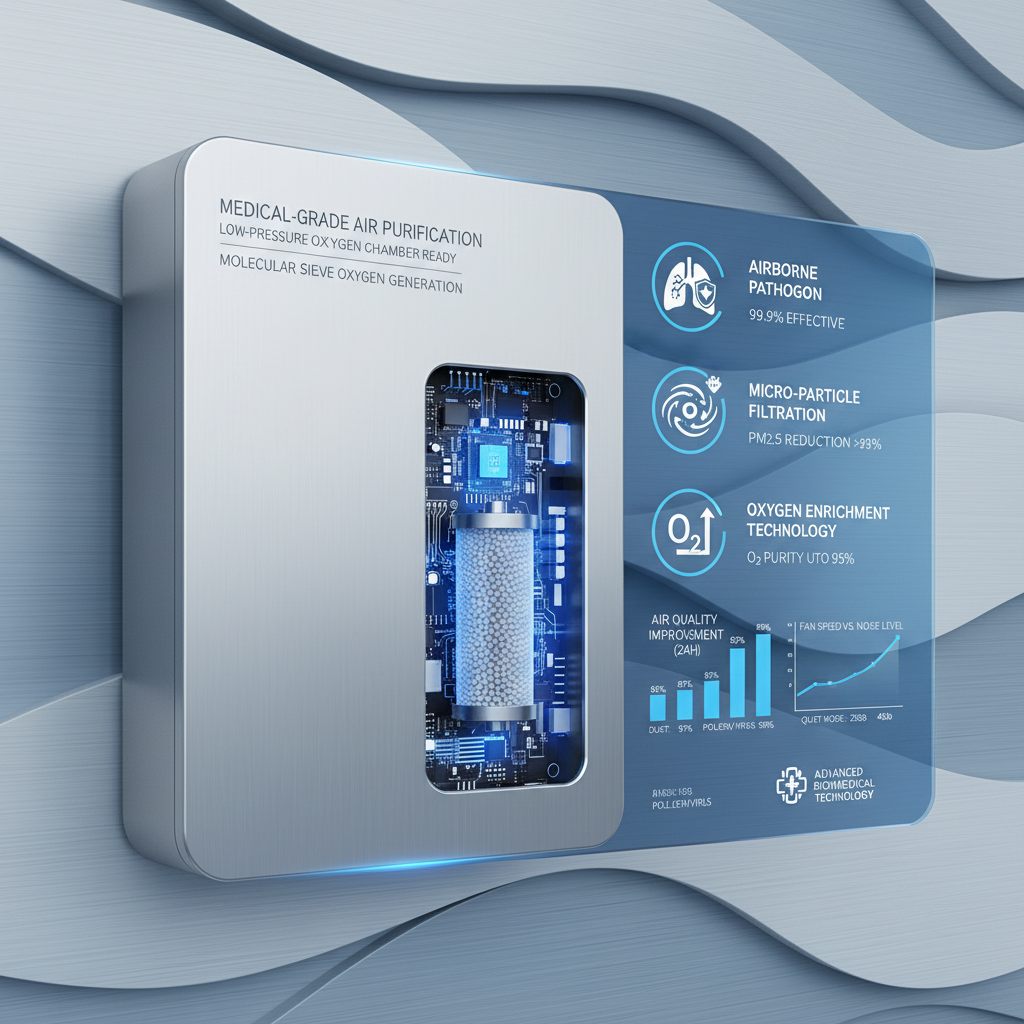
Essentially, a wall hanging air purifier is an air cleaning system designed to be mounted on a wall, freeing up valuable floor space. That’s the core difference. They typically utilize filtration – HEPA filters for particulate matter, activated carbon filters for gases and odors – and often incorporate UV-C sterilization to kill bacteria and viruses. But the mounting system is key. It allows for targeted air purification in areas where traditional floor-standing units are impractical.
It's a direct response to the needs of modern industries and even home environments. Think about a small workshop, a crowded office, a hospital waiting room, or even a home renovation project. Floor space is at a premium. A wall-mounted unit provides clean air without sacrificing precious square footage.
This isn't just about comfort; it’s about safety and compliance. Many industries have regulations regarding airborne contaminants, and a wall hanging air purifier can help meet those standards.
Core Components and Performance Factors
Let's break down what makes these things actually work. First, you’ve got your pre-filter, catching the big stuff – dust bunnies, pollen, pet dander. Then comes the HEPA filter, the real workhorse, removing 99.97% of particles 0.3 microns in size. Crucially, filter quality matters. Cheap filters are useless. And finally, activated carbon filters – essential for tackling odors and volatile organic compounds (VOCs).
But it's not just about the filters. Airflow is critical. A purifier needs to be able to circulate air effectively throughout the room. Look at the CADR (Clean Air Delivery Rate) – a higher CADR means faster cleaning. Also, consider the unit's noise level. You don't want something that sounds like a jet engine. And finally, the ease of filter replacement – if it’s a pain to maintain, it won’t get maintained.
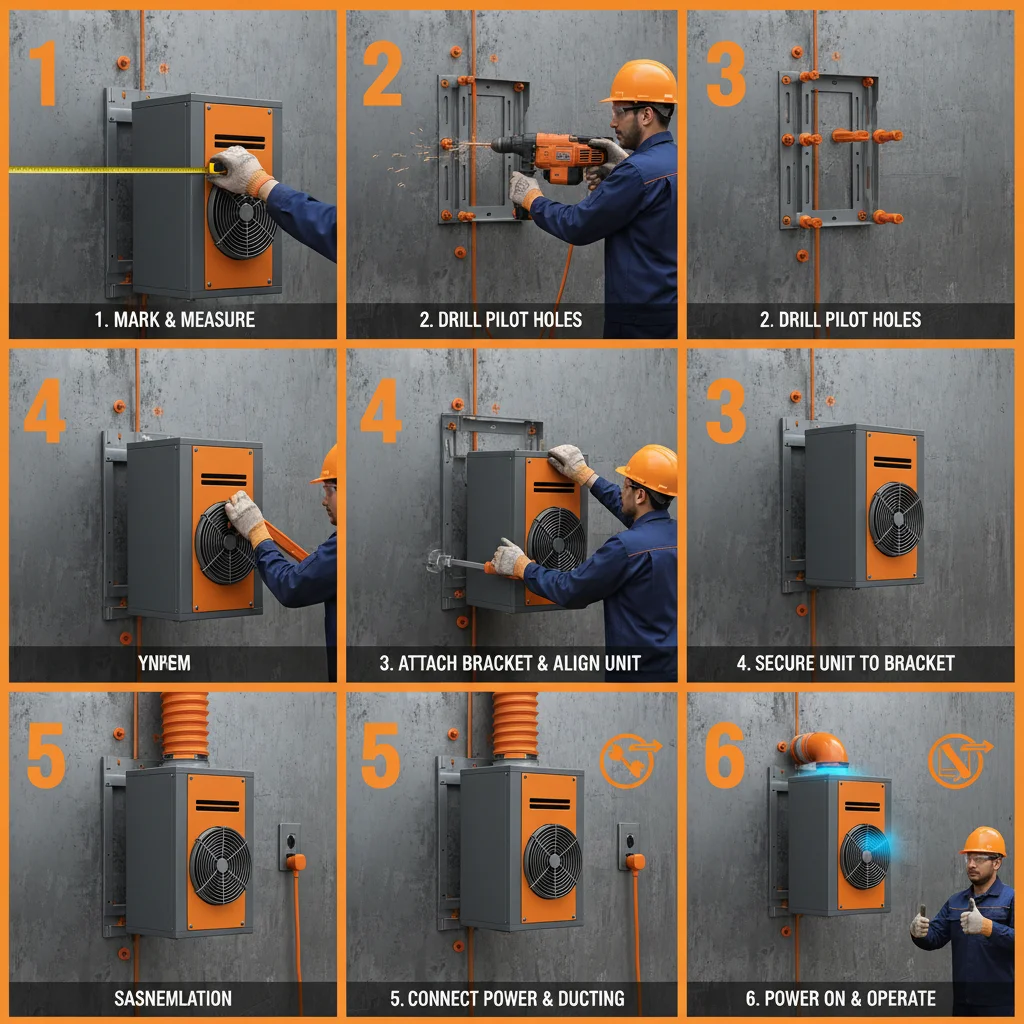
The mounting system itself is a performance factor. It needs to be secure, stable, and allow for easy access to the filters. A flimsy mount is a disaster waiting to happen. We’ve seen too many units come crashing down.
Applications Across Industries
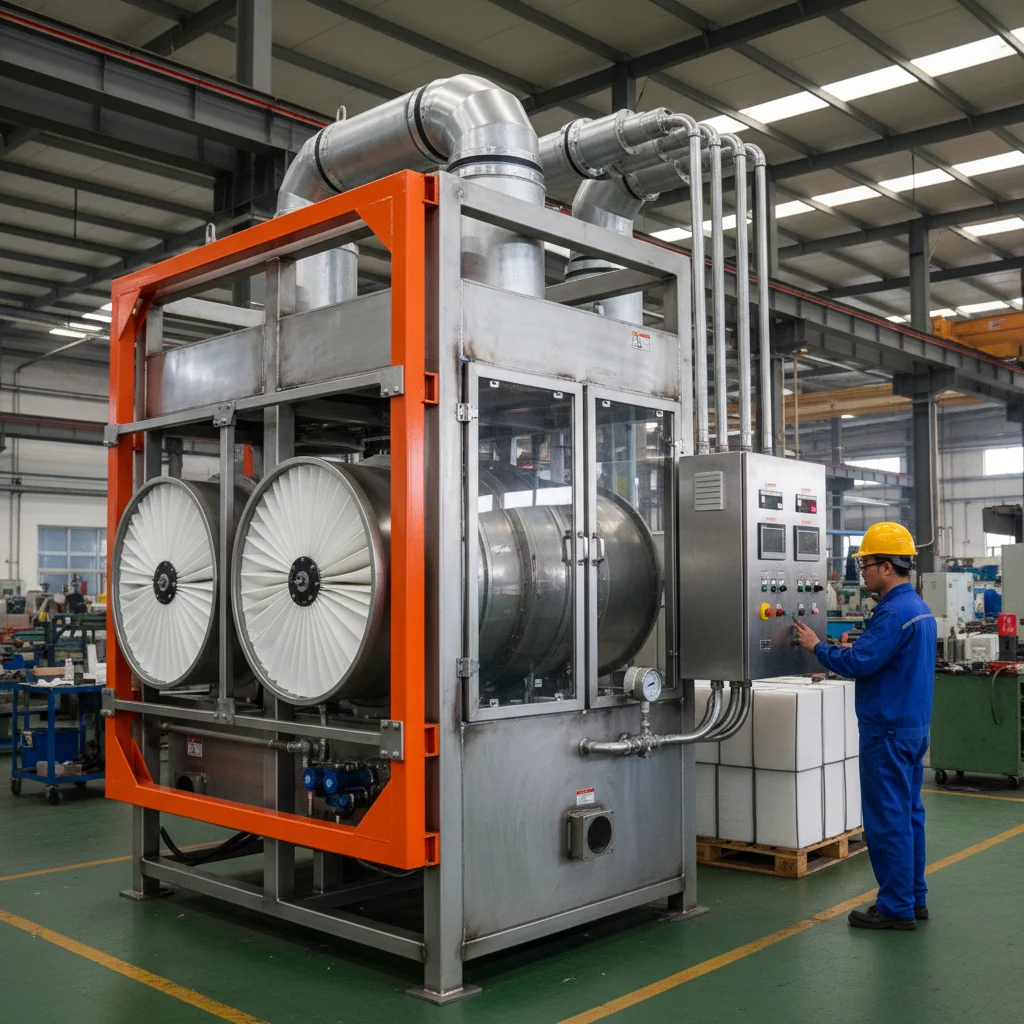
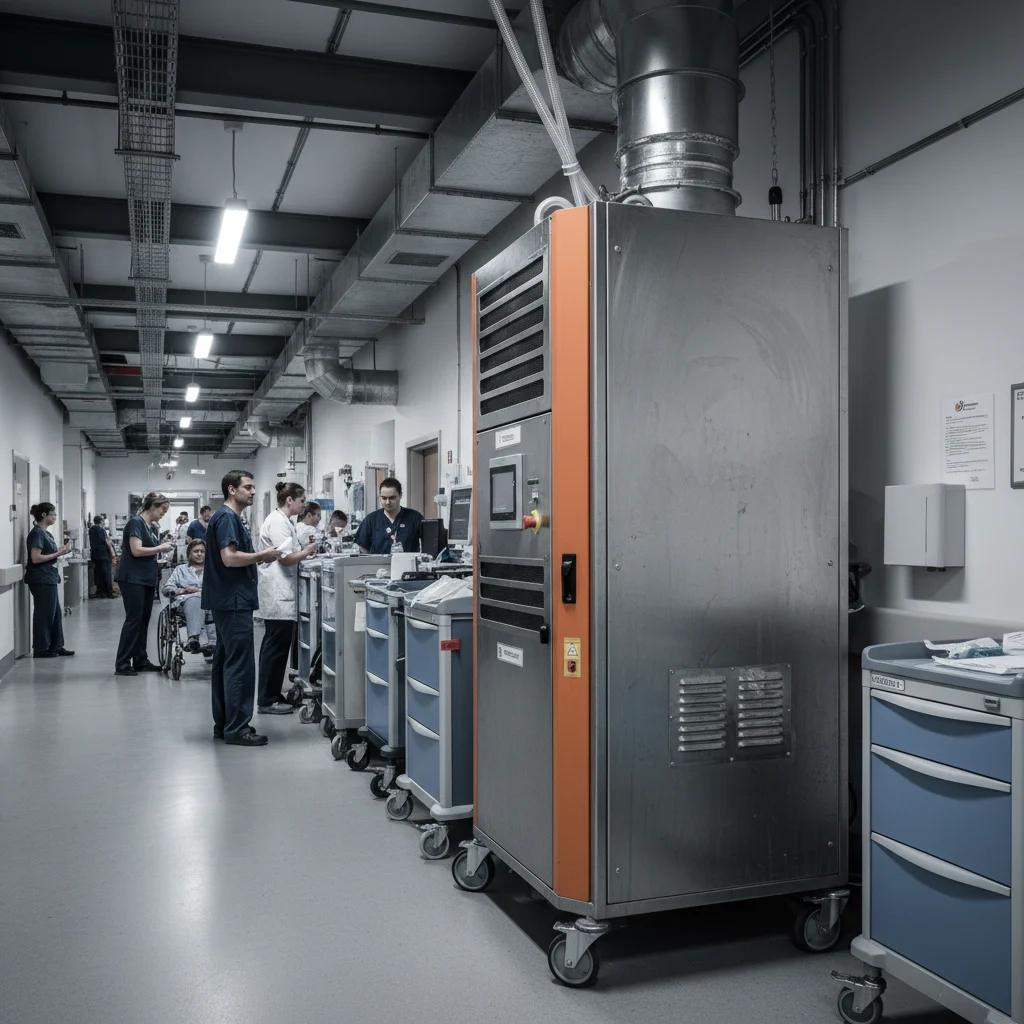
I've seen these deployed everywhere. Construction sites, absolutely – mitigating dust from concrete, drywall, and wood. Manufacturing plants, controlling fumes and particulate matter from welding, grinding, and painting. Healthcare facilities, improving air quality in waiting rooms and patient areas.
In post-disaster relief operations, a wall hanging air purifier can be a lifesaver, removing smoke and debris from temporary shelters. And even in remote industrial zones where air quality monitoring is limited, they provide a crucial layer of protection for workers.
Wall Hanging Air Purifier Performance Metrics
Advantages and Long-Term Value Proposition
The cost savings are real. Less sick leave, improved worker productivity, and reduced healthcare costs all add up. But it's also about creating a healthier work environment. A workforce that feels safe and cared for is a more engaged and productive workforce.
These units are generally energy-efficient, which translates to lower operating costs. And their relatively simple design means they're less prone to breakdowns than more complex systems. Plus, the wall-mounted design minimizes the risk of accidental damage.
Future Trends and Innovations in Air Purification
We're starting to see integration with smart building systems – remote monitoring, automated filter replacement notifications, and even adjustments based on real-time air quality data. And the development of more sustainable filter materials is a big focus. We're moving away from purely synthetic filters towards bio-based options.
I also think we'll see more personalized air purification systems – units that can be customized to address specific contaminants based on the environment. And the combination of air purification with other technologies, like UV-C disinfection and photocatalytic oxidation, will become more common.
And the demand will only grow as awareness of the importance of indoor air quality continues to increase.
Challenges and Solutions for Effective Implementation
The biggest challenge is maintenance. If filters aren't replaced regularly, the unit becomes ineffective, and can even worsen air quality. That’s why regular maintenance schedules and easy filter access are crucial. It's a people issue as much as a technology issue.
Another challenge is proper sizing. You need to select a unit that's appropriate for the size of the room. Too small, and it won’t be effective. Too large, and it’s a waste of energy and money.
The solution? Proper training for maintenance personnel, clear labeling of filter replacement schedules, and careful consideration of room size and air quality needs. And, frankly, investing in a quality unit from a reputable manufacturer. You get what you pay for.
Overview of Common Wall Hanging Air Purifier Challenges and Solutions
| Challenge |
Impact on Performance |
Solution |
Implementation Cost (1-10) |
| Insufficient Filter Maintenance |
Reduced Airflow, Decreased Purification Efficiency |
Scheduled Maintenance, Filter Replacement Reminders |
3 |
| Incorrect Unit Sizing |
Ineffective Air Cleaning, Increased Energy Consumption |
Room Size Assessment, CADR Calculation |
4 |
| Poor Mounting Stability |
Unit Failure, Safety Hazard |
Secure Mounting Hardware, Professional Installation |
6 |
| Inadequate Air Circulation |
Uneven Air Cleaning, Hotspots |
Strategic Unit Placement, Fan Speed Adjustment |
2 |
| High Noise Levels |
Disturbance, Reduced Productivity |
Low-Noise Fan Technology, Sound Dampening |
5 |
| Filter Compatibility Issues |
Reduced Performance, Unit Damage |
Using Manufacturer-Recommended Filters |
1 |
FAQS
The biggest benefit is space-saving, especially in smaller workshops or crowded office environments. Wall-mounted units also reduce the risk of accidental damage and can be strategically positioned for optimal airflow. From my experience, they are significantly easier to integrate into existing layouts without disrupting workflow. They’re also less likely to be tripped over or blocked by equipment.
It depends on the environment and the type of filters used. Generally, pre-filters should be checked monthly and replaced when dirty. HEPA filters typically last 6-12 months, while activated carbon filters may need replacing every 3-6 months. Pay attention to the unit’s filter replacement indicator, if equipped, and keep a log of replacement dates. Ignoring this leads to a dramatic drop in performance.
Most modern wall hanging air purifiers are designed with energy efficiency in mind. Look for models with Energy Star certification. They typically consume less energy than traditional air conditioners or HVAC systems. The power draw will vary depending on the unit’s size and features, but generally, the long-term energy savings are significant.
Yes, but it depends on the filter type. Activated carbon filters are specifically designed to absorb odors, gases, and volatile organic compounds (VOCs) like formaldehyde and benzene. Make sure the unit you choose includes a high-quality activated carbon filter if odor control is a priority. HEPA filters don't address gases and odors.
CADR stands for Clean Air Delivery Rate. It indicates how quickly the unit can clean a room. To determine the appropriate CADR, calculate the room's square footage and multiply by the ceiling height. Then, look for a unit with a CADR rating that’s at least two-thirds of the room’s volume. Higher CADR is generally better, but also consider the unit’s noise level.
Installation is generally straightforward, requiring basic tools and a secure mounting surface. However, if you’re not comfortable working with electrical wiring, it’s best to hire a qualified electrician. Maintenance is primarily filter replacement, which is usually a simple process. Look for units with easy-to-access filter compartments to make maintenance even easier.
Conclusion
In the end, a wall hanging air purifier isn’t a luxury; it’s a practical investment in health, safety, and productivity. From construction sites to hospitals to homes, the benefits are clear: cleaner air, improved worker well-being, and reduced long-term costs. It's about taking a proactive approach to air quality and creating a healthier environment for everyone.
I’ve seen firsthand how these units can make a real difference. Don't wait until someone gets sick. Invest in clean air today. Explore the options available at www.meshmachinery.com and take the first step towards a healthier future.