
April 07, 2026
In the realm of industrial manufacturing and fabrication, the efficiency and precision of machinery are paramount. A mesh cutting machine plays a crucial role in producing accurately cut mesh for diverse applications. From filtration systems to protective barriers, these machines offer a sophisticated solution for handling various mesh materials. This article provides a comprehensive overview of mesh cutting machines, their types, applications, benefits, and factors to consider when choosing the right machine for your needs. Exploring the world of mesh cutting, we'll delve into how Meshmachinery.com delivers cutting-edge technology to meet diverse industrial demands.
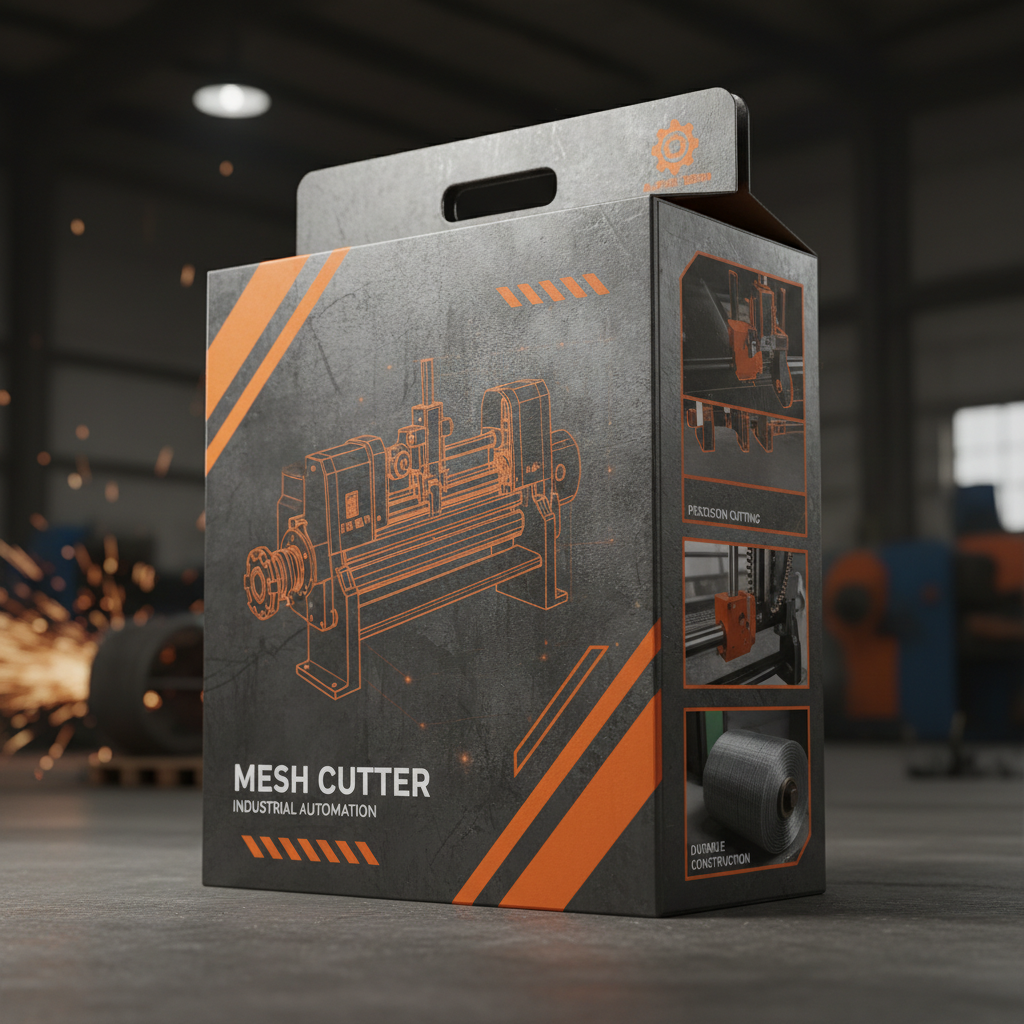
Mesh cutting machines come in various configurations, each suited for specific materials and production volumes. The main types include: Rotary Mesh Cutting Machines, utilizing rotating blades for clean and precise cuts; Shear Mesh Cutting Machines, employing a shearing action for heavier-duty materials; and Laser Mesh Cutting Machines, which provide unparalleled precision and versatility, especially for complex shapes. Furthermore, some machines offer automated features like CNC control, enhancing efficiency and minimizing human error. Understanding these differences is crucial for selecting a machine that aligns with your production requirements.
Key Highlights: Different mesh cutting machines cater to diverse needs, from high-volume production to intricate designs. Choosing the right type significantly impacts efficiency and product quality.
The applications of mesh cutting machines are vast and span numerous industries. In the filtration industry, precise mesh cuts are essential for manufacturing filters used in air and water purification systems. The automotive industry utilizes cut mesh for radiator grilles and speaker covers. The construction industry employs mesh for reinforcement materials and safety netting. Moreover, the agricultural sector benefits from mesh cutting in creating protective covers for crops. The demand for accurate and reliable mesh cutting continues to grow as industries seek innovative solutions for their manufacturing processes.
Industry Applications:
• Filtration Systems
• Automotive Components
• Construction Materials
• Agricultural Protective Covers
Choosing between a rotary and laser mesh cutting machine depends on your specific requirements. Rotary cutters excel in high-volume production of straight cuts, offering speed and efficiency. Laser cutters, on the other hand, provide greater precision and flexibility, making them ideal for intricate designs and a wider range of materials. Laser cutters also minimize material waste due to their narrow kerf width. Consider the material type, production volume, and desired accuracy when making your decision.
Investing in a high-quality mesh cutting machine offers numerous benefits. Increased efficiency, reduced material waste, improved product quality, and enhanced safety are just a few. Automated features minimize labor costs and the risk of human error. Precision cutting ensures consistent results, meeting stringent quality control standards. Furthermore, a reliable machine reduces downtime and maximizes production output. These advantages translate into significant cost savings and increased profitability for your business.
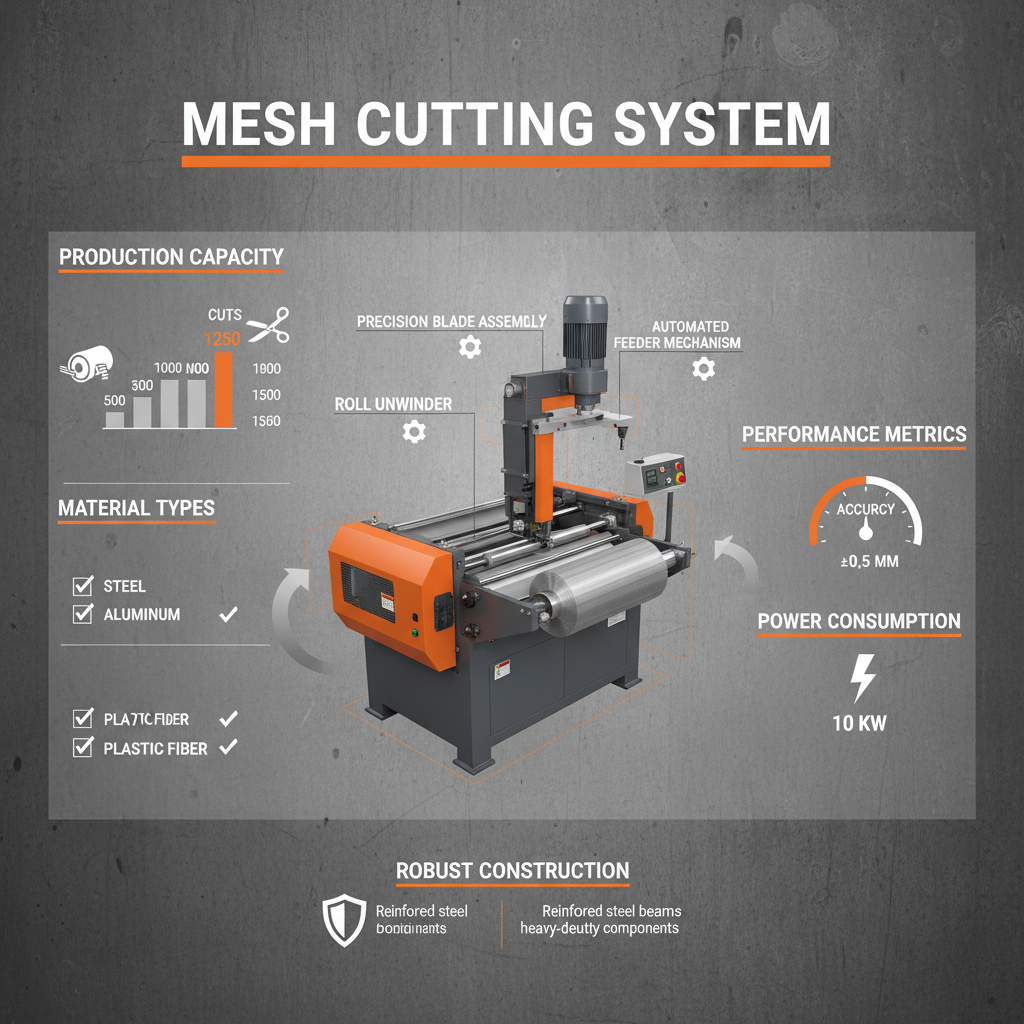
Several factors should influence your decision when selecting a mesh cutting machine. The type of mesh material (metal, plastic, fabric) is crucial, as different materials require different cutting methods. Production volume dictates the level of automation needed. Budget constraints will narrow down your options. Available space within your facility is another consideration. Finally, after-sales support and maintenance are vital for ensuring the long-term reliability of your investment. Meshmachinery.com offers expert guidance to help you select the perfect machine for your unique needs.
Investing in the right mesh cutting machine is a strategic decision that can significantly impact your manufacturing efficiency, product quality, and overall profitability. By carefully considering your specific needs and partnering with a reputable supplier like Meshmachinery.com, you can ensure a seamless and successful implementation. Don't settle for less – choose a solution that delivers precision, reliability, and long-term value.
Regular maintenance is crucial for ensuring the longevity and optimal performance of your mesh cutting machine. This includes daily cleaning to remove debris, lubrication of moving parts, and periodic inspection of blades or laser components. For rotary cutters, blade sharpening or replacement is essential. Laser cutters require occasional lens cleaning and alignment checks. Following the manufacturer's recommended maintenance schedule is vital. Neglecting maintenance can lead to decreased efficiency, inaccurate cuts, and potential breakdowns.
The ability to handle different mesh thicknesses depends on the machine's specifications and capabilities. Some machines are designed for a specific range of thicknesses, while others offer adjustable settings to accommodate variations. It’s important to consider the range of mesh thicknesses you’ll be working with when choosing a machine. Laser cutters generally offer greater flexibility in handling varying thicknesses compared to rotary or shear cutters.
Safety is paramount when operating a mesh cutting machine. Essential safety features include emergency stop buttons, safety guards to prevent access to moving parts, and interlocks that automatically shut down the machine if a guard is removed. Laser cutters should have enclosed housings to contain laser radiation. Proper training for operators is also crucial to ensure safe and responsible operation. Always prioritize machines that adhere to relevant safety standards.
Lead times for purchasing a mesh cutting machine can vary depending on the machine's complexity, customization requirements, and the manufacturer's current production schedule. Standard models typically have shorter lead times than custom-built machines. It's best to inquire with the supplier, such as Meshmachinery.com, to get an accurate estimate based on your specific needs and order details.
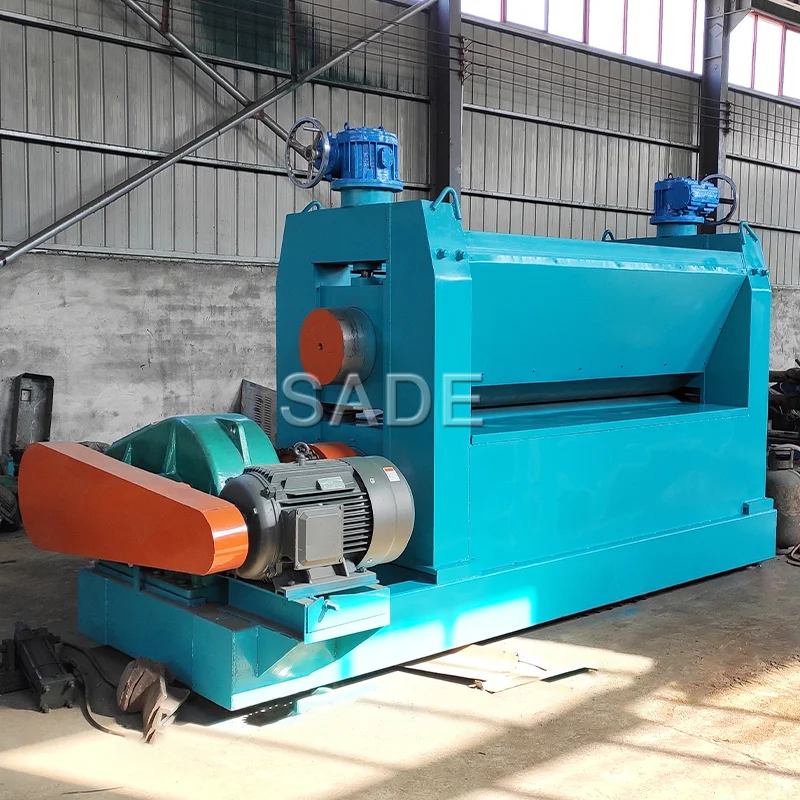
ZPJ Metal Mesh Flatting Machine
ZPJ metal mesh flatting machine is special designed for expanded metal flatting.It’s a corollary equipment of expanded metal machine. It can make expanded wire-mesh smoothly.And the flattened expanded metal have much more widely different applications.
Apr 24, 2026
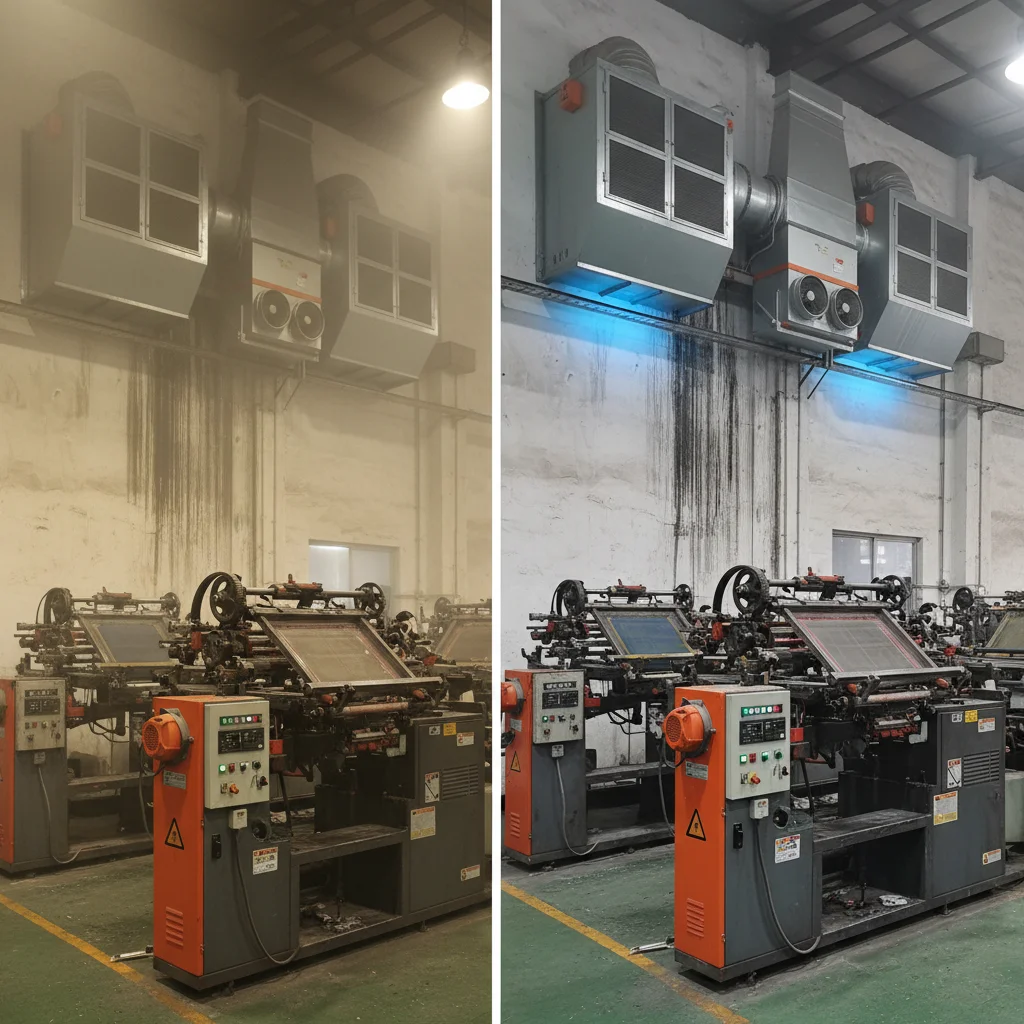
Industrial Wall Mounted Air Filtration for Clean Work Environments