
April 07, 2026
In the world of fabrication and industrial manufacturing, a reliable and efficient welding solution is paramount. A mesh welder offers a specialized approach to joining mesh materials, offering unique advantages over traditional welding methods. This article will explore the applications, benefits, types, and key considerations when selecting a mesh welder, providing a comprehensive guide for professionals and those looking to optimize their fabrication processes. Choosing the right equipment is critical for achieving high-quality welds and maximizing productivity. We’ll detail how Mesh Machinery’s solutions are leading the industry.
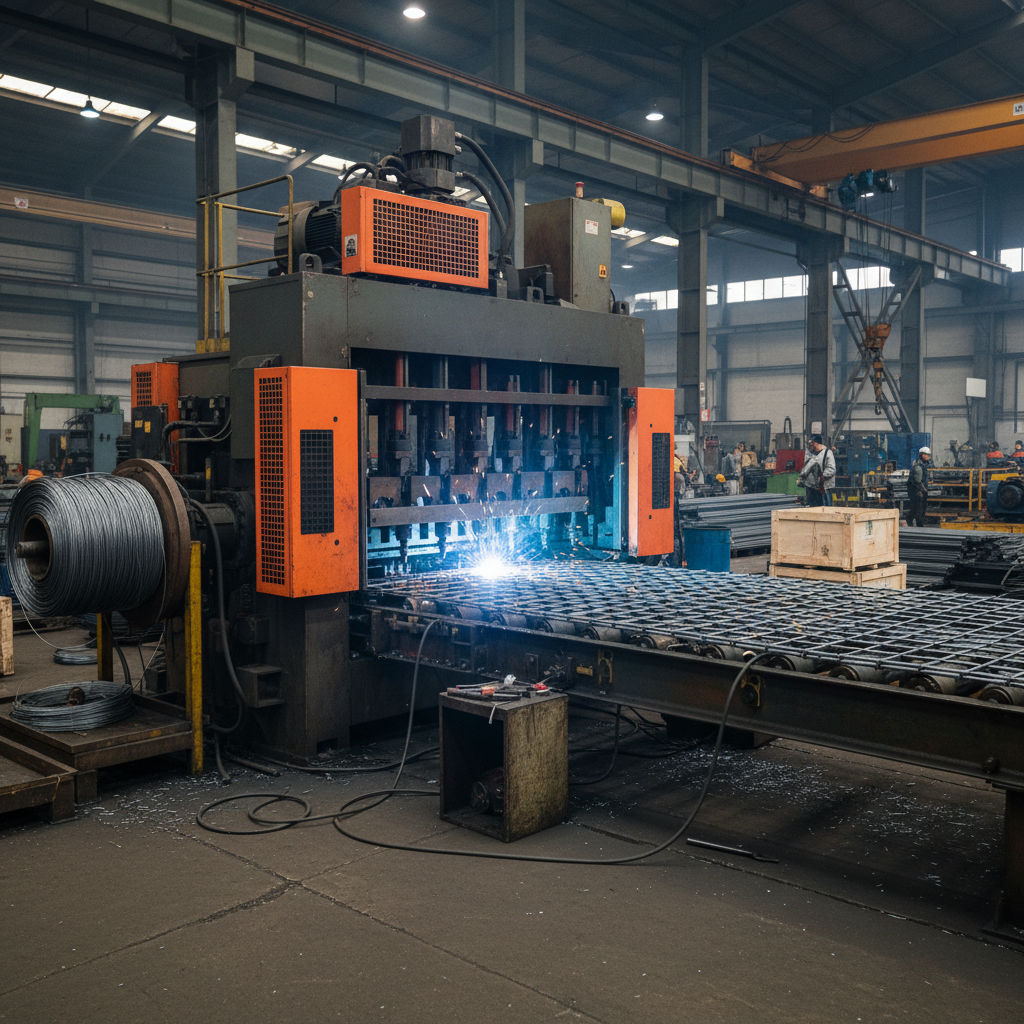
A mesh welder is specifically designed to join wire mesh materials, commonly used in industries like filtration, security fencing, architectural structures, and reinforcement. Unlike traditional arc welding, mesh welding typically utilizes resistance welding principles. This involves applying pressure and electrical current to the intersecting points of the mesh wires, creating a strong and consistent weld without the need for filler metals. The process is relatively fast, automated, and delivers clean, precise welds. Mesh Machinery specializes in providing advanced mesh welding solutions, automating this process for increased efficiency.
Key Benefits: Fast welding speed, consistent weld quality, minimal material waste, reduced operator skill requirements, and suitability for high-volume production.
The versatility of mesh welding makes it indispensable in numerous sectors. In the construction industry, it's used for reinforcing concrete and creating durable fencing. The automotive industry employs mesh welding for manufacturing filters, catalytic converters, and protective components. The food and beverage industry utilizes it for creating filtration systems and packaging materials. Furthermore, mesh welding plays a vital role in the aerospace industry for crafting lightweight, high-strength structures. Mesh Machinery’s solutions are tailored to meet the unique demands of each industry.
Common Mesh Welding Applications:
• Security Fencing and Barriers
• Filtration Systems (Air, Water, Oil)
• Concrete Reinforcement (Rebar)
• Architectural Mesh Panels
Several types of mesh welders cater to different production needs. Spot welders are used for localized welds, ideal for smaller projects and repairs. Seam welders create continuous welds along the mesh’s edges, commonly used for manufacturing tubes and containers. Projection welders utilize projections on the mesh to concentrate the welding current, suitable for high-volume production. Mesh Machinery offers a diverse range of these machines, alongside customized solutions designed to match specific project requirements.
Selecting the optimal mesh welder requires careful consideration of several factors. The type of mesh material (steel, aluminum, stainless steel) influences the required welding current and electrode material. The mesh size and wire diameter dictate the appropriate welding parameters and machine capabilities. Production volume determines the necessity for automated versus manual welding systems. Finally, budget constraints and space availability play crucial roles in the decision-making process. Mesh Machinery offers expert consultation to help you identify the ideal machine for your unique application.
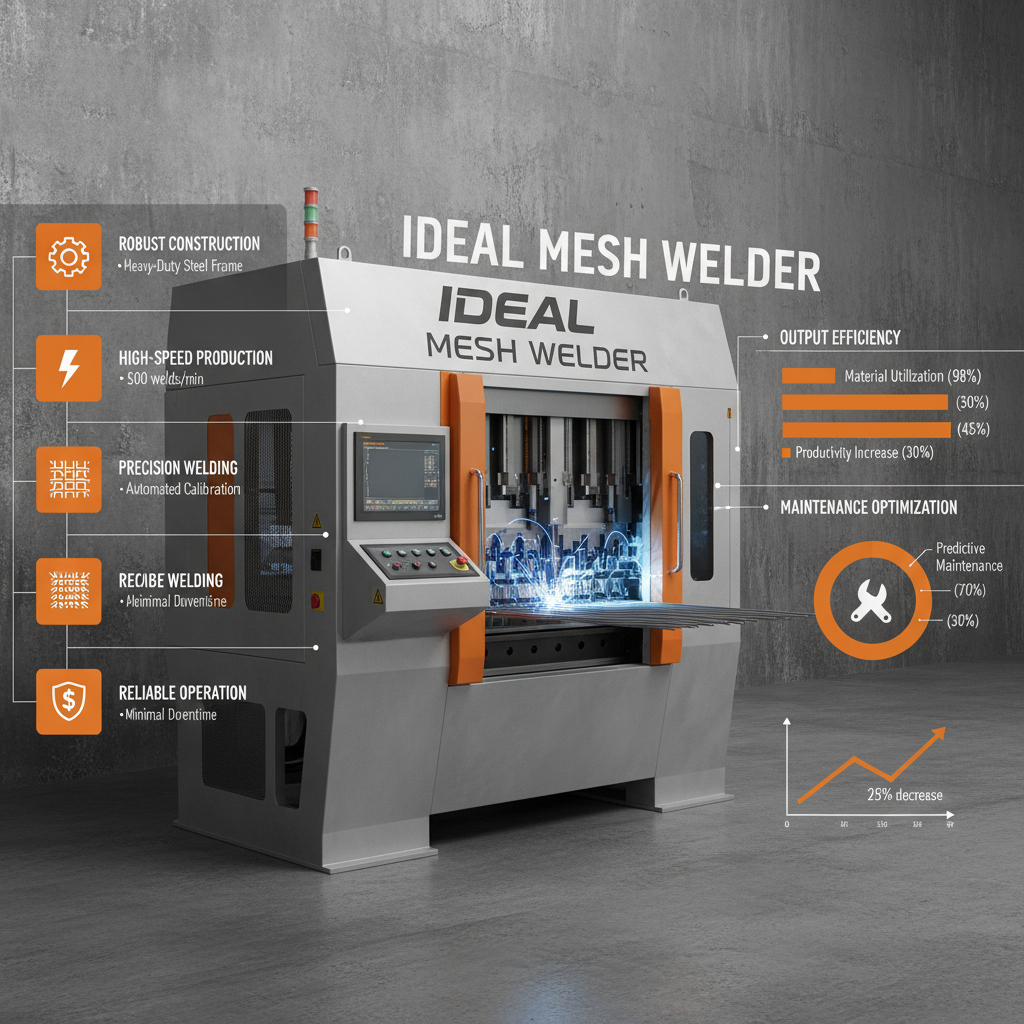
Advancements in mesh welding technology are focused on increasing automation, improving weld quality, and reducing energy consumption. Robotic mesh welding systems are gaining popularity, enabling precise and repeatable welds with minimal human intervention. Innovative electrode materials and welding techniques are enhancing weld strength and durability. Furthermore, the integration of sensors and data analytics allows for real-time monitoring and optimization of the welding process. Mesh Machinery is at the forefront of these innovations, continually developing cutting-edge solutions to meet the evolving needs of the industry.
A mesh welder represents a significant investment in efficiency and quality for businesses involved in fabrication and manufacturing. By choosing the right machine and staying abreast of technological advancements, companies can optimize their production processes, reduce costs, and deliver superior products. Contact Mesh Machinery today to explore our comprehensive range of mesh welding solutions.
Mesh welders are versatile and can handle a variety of materials, including mild steel, stainless steel, aluminum, and galvanized wire. The specific type of material dictates the necessary welding parameters and electrode selection. Mesh Machinery offers machines designed to accommodate a wide range of materials, ensuring optimal welding performance. It is crucial to select a welder capable of handling the specific material being used for the application.
Mesh welders generally require minimal maintenance. Regular tasks include cleaning the electrodes, checking the water cooling system (if applicable), and lubricating moving parts. Routine inspections can prevent potential issues and extend the lifespan of the machine. Mesh Machinery provides comprehensive maintenance guides and support services to ensure your machine operates at peak performance.
Welding speed depends on factors like mesh size, wire diameter, material thickness, and the type of welder. Generally, mesh welders offer significantly faster welding speeds compared to traditional methods. Automated systems can weld several inches per second, enabling high-volume production. Mesh Machinery’s welders are designed for speed and efficiency, maximizing throughput and minimizing production time.
Safety is paramount when operating any welding equipment. Always wear appropriate personal protective equipment (PPE), including welding gloves, eye protection, and a welding helmet. Ensure proper ventilation to avoid inhaling fumes. Follow the manufacturer's instructions carefully and avoid touching live electrical components. Mesh Machinery prioritizes safety and provides comprehensive safety guidelines with all of its machines.
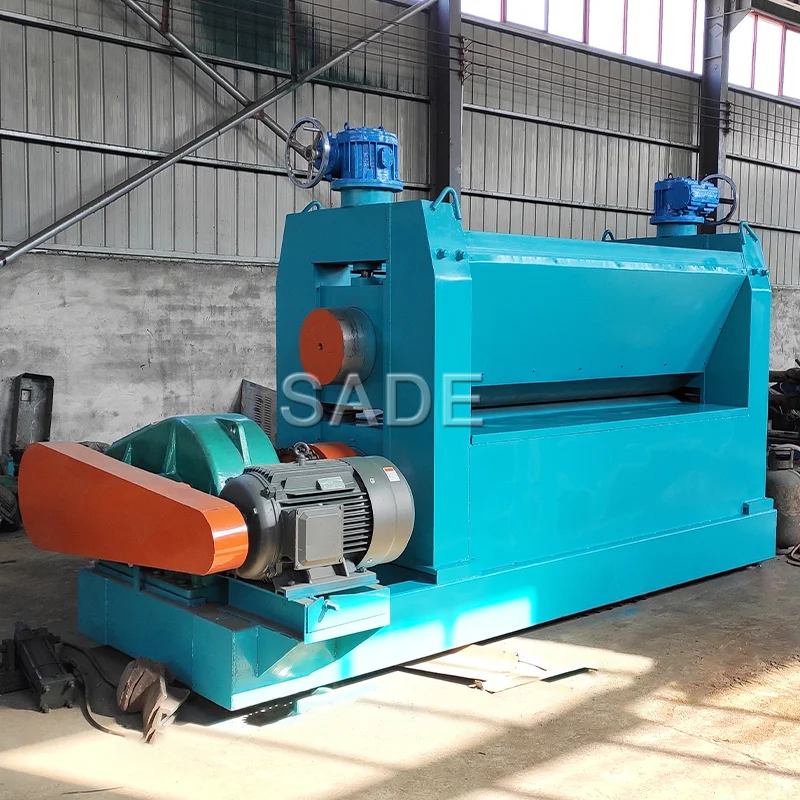
ZPJ Metal Mesh Flatting Machine
ZPJ metal mesh flatting machine is special designed for expanded metal flatting.It’s a corollary equipment of expanded metal machine. It can make expanded wire-mesh smoothly.And the flattened expanded metal have much more widely different applications.
Apr 24, 2026
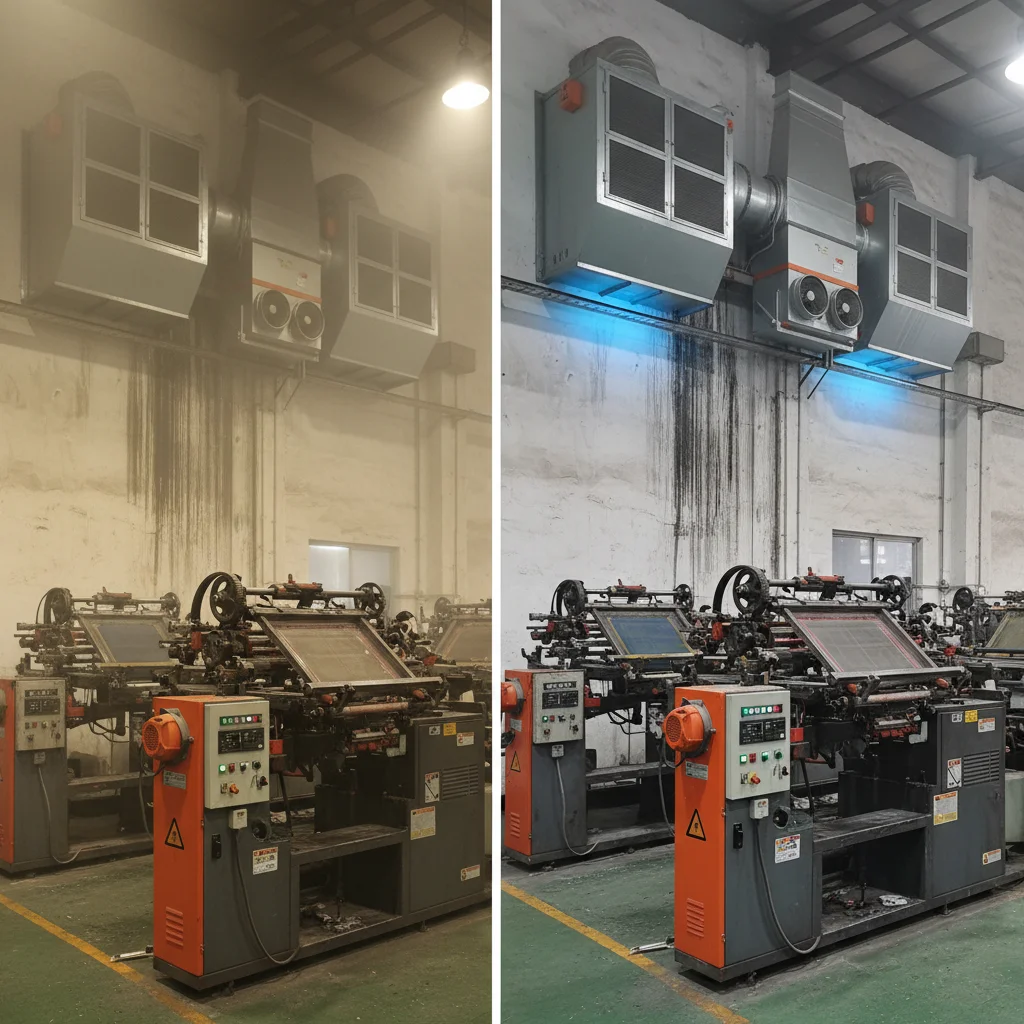
Industrial Wall Mounted Air Filtration for Clean Work Environments