
February 26, 2026
Ribbed wire is a crucial component in various industries, from construction and fencing to agriculture and security. A ribbed wire machine is the core of efficient production, transforming raw materials into a valuable finished product. This article will delve into the world of ribbed wire machines, exploring their functionality, applications, key features, and how to choose the right machine for your specific needs. We'll cover everything from the basic principles of operation to advanced technological considerations.
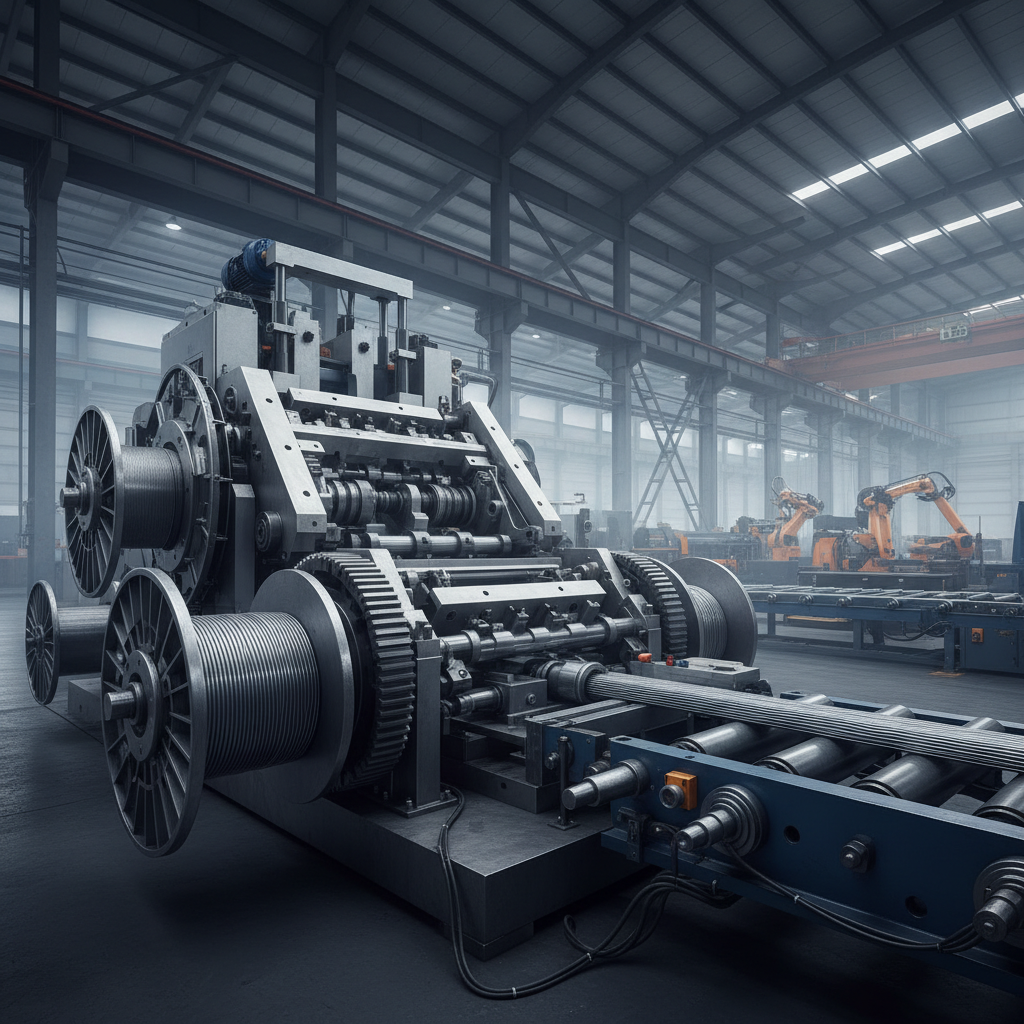
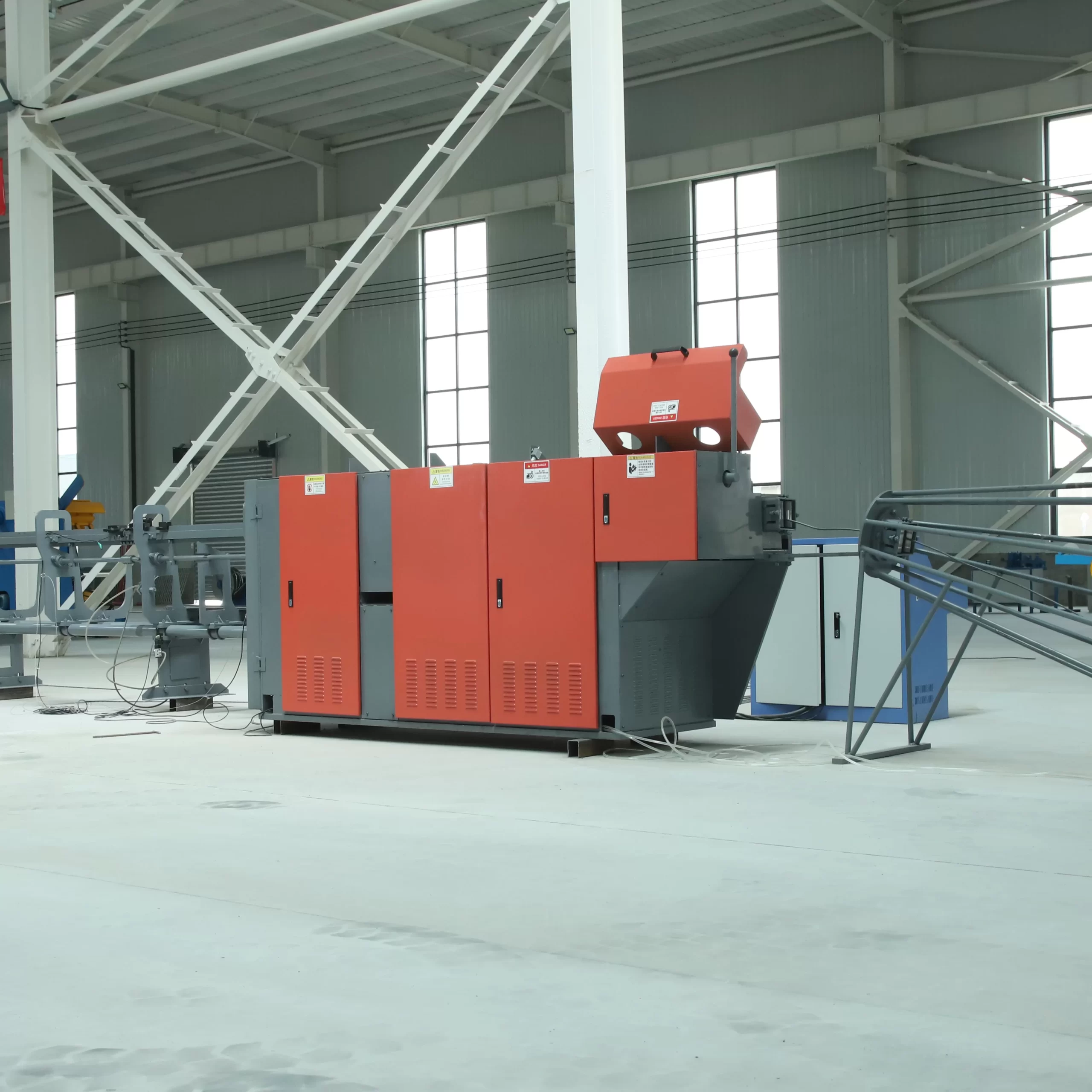
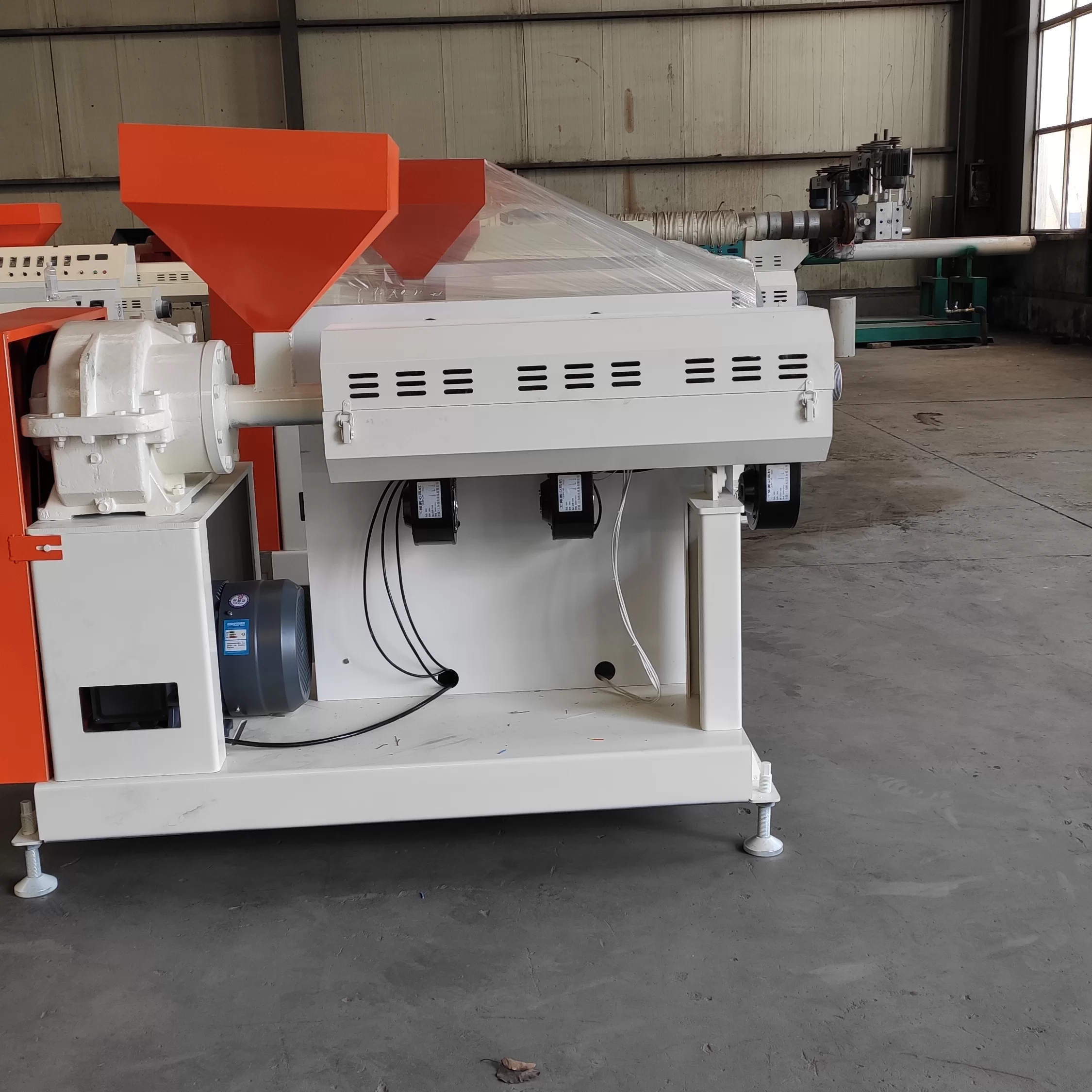
At its core, a ribbed wire machine takes wire rod as its raw material and systematically processes it through a series of stages. These stages typically include wire drawing (reducing the wire diameter), rib rolling (imparting the ribbed pattern), and winding. The process begins with feeding the wire rod into the machine. It’s then drawn through a series of dies to achieve the desired wire gauge. The crucial step is rib rolling, where specialized rollers create the characteristic ribbed surface. This ribbing significantly increases the wire’s adhesion to concrete, making it ideal for reinforcement in construction. Finally, the ribbed wire is wound onto spools or coils for easy handling and transportation. Modern machines often incorporate automated control systems for precise operation and consistent quality.
Key Process Stages: Wire Drawing, Rib Rolling, Winding, and Automated Control Systems.
Ribbed wire’s primary application lies in reinforced concrete structures. It’s an essential component in building foundations, columns, beams, and slabs, providing tensile strength and preventing cracking. Beyond construction, ribbed wire finds use in pre-stressed concrete, fences, retaining walls, and even agricultural applications like vineyard trellises. The demand for ribbed wire is directly linked to infrastructure development and construction activity globally. Therefore, efficient and reliable ribbed wire machines are vital for meeting this demand.
Ribbed Wire Applications:
• Reinforced Concrete Structures
• Pre-stressed Concrete
• Fencing and Security Systems
• Agricultural Supports
Selecting the appropriate ribbed wire machine requires careful consideration of several factors. Wire diameter capacity is paramount – different projects require different wire gauges. Production capacity, measured in tons per month, must align with your anticipated output. Automation level affects labor costs and consistency. Machine power requirements and footprint also need to be assessed based on your factory’s infrastructure. Finally, consider the manufacturer’s reputation for reliability, service, and availability of spare parts. Investing in a high-quality machine from a reputable supplier like Mesh Machinery ensures long-term efficiency and profitability.
The specifications of a ribbed wire machine vary considerably based on its intended application and production capacity. Here’s a typical overview of key specifications for a medium-capacity machine:
The ribbed wire machine industry is continuously evolving, driven by demands for increased efficiency, precision, and sustainability. Expect to see more integration of Industry 4.0 technologies, including real-time data analytics, predictive maintenance, and remote monitoring. Advancements in rib rolling technology will likely lead to more complex and customized rib patterns. Furthermore, energy efficiency and reduced waste are becoming increasingly important, prompting manufacturers to develop more sustainable machine designs. Mesh Machinery is at the forefront of these innovations, committed to delivering cutting-edge solutions to its clients.
Investing in a high-quality ribbed wire machine is crucial for businesses looking to thrive in the construction and infrastructure sectors. By carefully considering factors such as production capacity, automation levels, and manufacturer reputation, you can select a machine that meets your specific needs and delivers long-term value.
Regular maintenance is vital for optimal performance and longevity. This includes lubricating moving parts, inspecting and replacing worn dies, checking belt tension, and cleaning the machine thoroughly. Regularly inspecting the rib rolling segments is essential to ensure consistent rib pattern quality. Adhering to the manufacturer’s recommended maintenance schedule, found in the machine's manual, is crucial. Preventative maintenance minimizes downtime and extends the machine’s lifespan.
Safety is paramount. Operators should always wear appropriate personal protective equipment (PPE), including safety glasses, gloves, and hearing protection. Ensure all safety guards are in place and functioning correctly. Never attempt to repair or adjust the machine while it is running. Proper training on machine operation and emergency procedures is essential. Regularly inspect electrical connections and ensure the machine is properly grounded.
Lead times can vary depending on the machine’s complexity, customization requirements, and the manufacturer’s current order backlog. Typically, a standard ribbed wire machine can be delivered within 3 to 6 months. More customized machines or those with specialized features may have longer lead times. It's best to contact Mesh Machinery directly for an accurate quote and estimated delivery schedule.
Power requirements vary based on the machine's size and capacity. A typical medium-capacity machine generally requires a 3-phase electrical supply, ranging from 55kW to 75kW. It's crucial to ensure that your facility's electrical infrastructure can adequately support the machine's power demands. Additionally, machines often require compressed air for various functions, so a compressed air system must be available.
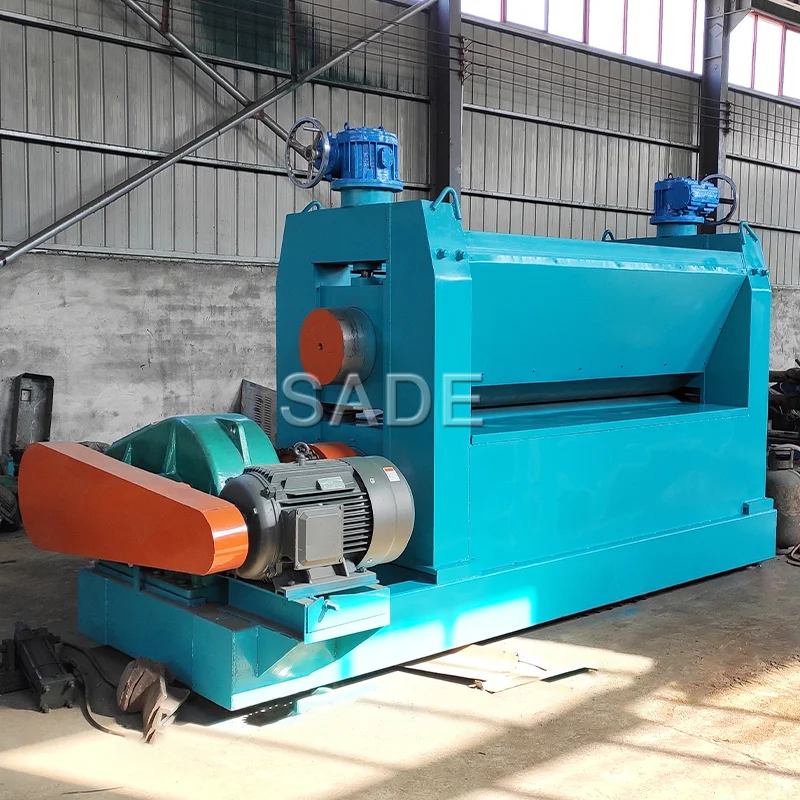
ZPJ Metal Mesh Flatting Machine
ZPJ metal mesh flatting machine is special designed for expanded metal flatting.It’s a corollary equipment of expanded metal machine. It can make expanded wire-mesh smoothly.And the flattened expanded metal have much more widely different applications.
Apr 24, 2026
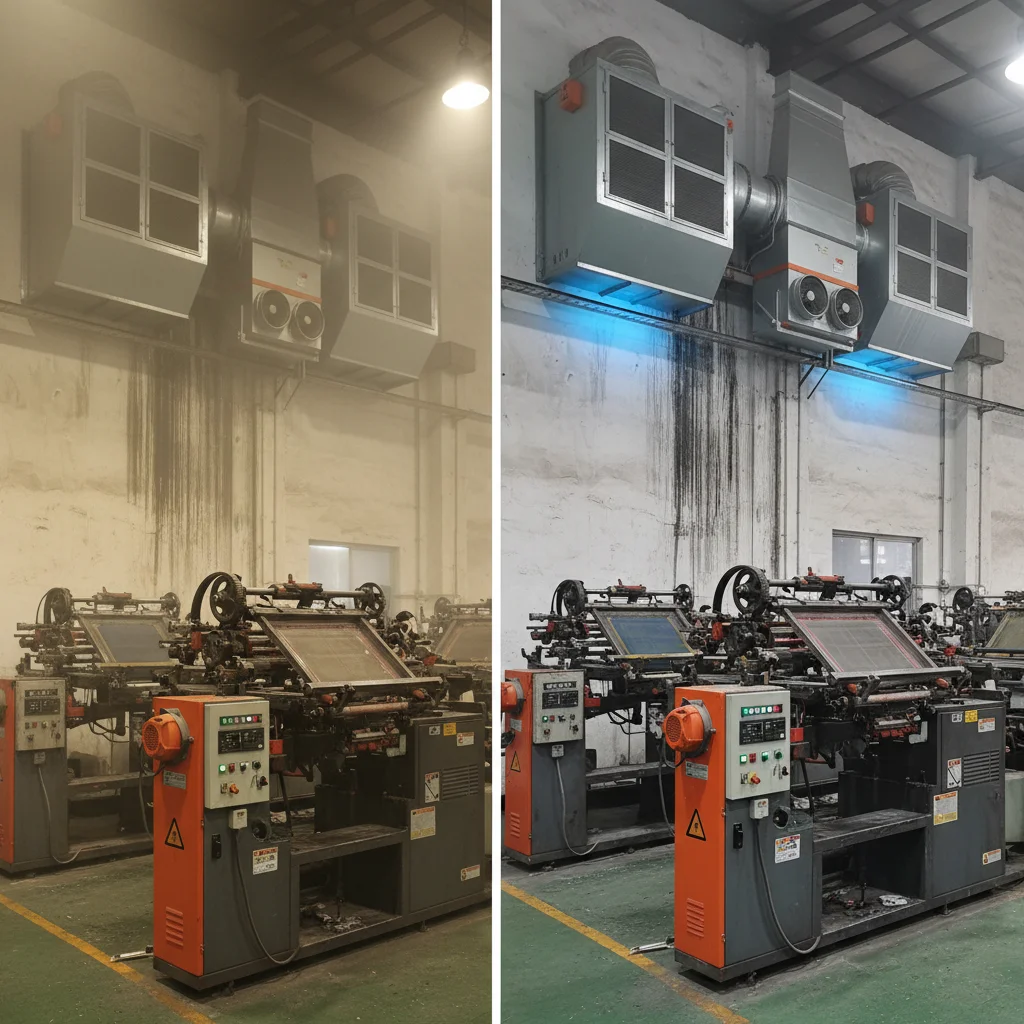
Industrial Wall Mounted Air Filtration for Clean Work Environments