
February 26, 2026
Ribbed bars, essential components in modern construction, provide superior reinforcement in concrete structures. The demand for these bars is consistently high, driving the need for efficient and reliable production methods. A ribbed bar producing machine is a specialized piece of equipment designed for the continuous manufacturing of these vital building materials. This article delves into the intricacies of these machines, exploring their working principles, key components, applications, and factors to consider when making a purchase. We’ll uncover why investing in a quality machine is crucial for businesses involved in the construction industry.
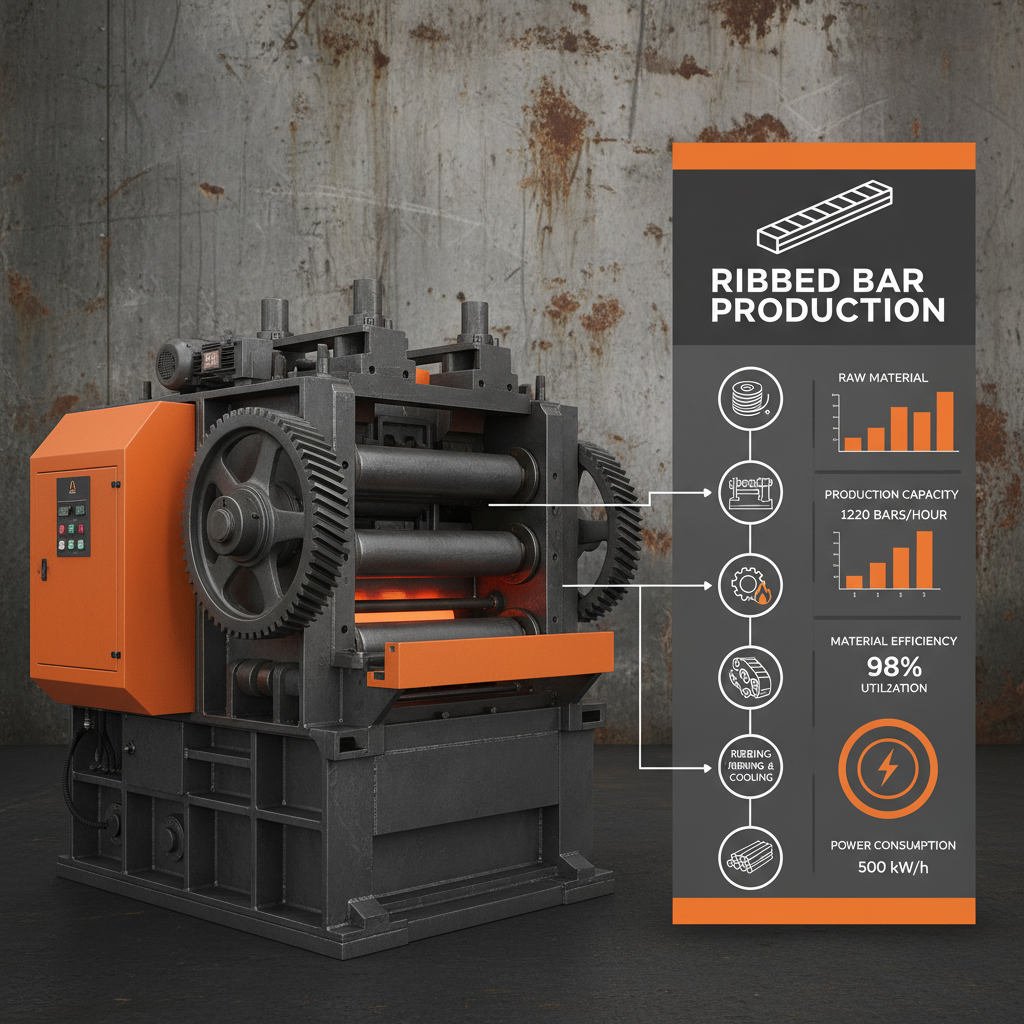
The core process involves several stages. Typically, steel billets are fed into the machine and then heated to a malleable temperature. These heated billets are then passed through a series of rolling stands, each progressively shaping the steel into the desired ribbed bar profile. The key lies in the precisely engineered roller dies that create the characteristic ridges along the bar’s surface. These ridges significantly enhance the bond between the steel and the surrounding concrete, improving the overall structural integrity. Advanced machines often incorporate automatic billet feeding, precise temperature control systems, and real-time monitoring to ensure consistent quality and high production rates. A well-maintained ribbed bar machine is vital for maintaining consistent production.
Key Process Steps: Heating, Rolling, Ribbing, Cooling, Cutting, and Straightening.
A complete ribbed bar production line comprises several essential components working in harmony. These include the billet heating furnace, rolling mills (multiple stands), ribbing units, cooling systems, cutting machines, and straightening devices. The billet heating furnace ensures uniform heating, crucial for efficient rolling. The rolling mills progressively shape the steel, while the ribbing units impart the necessary surface texture. The cooling system quickly reduces the temperature, enhancing the steel’s strength and workability. Finally, cutting and straightening ensure the bars are produced to precise dimensions. Selecting a supplier like Mesh Machinery ensures you receive a comprehensive and integrated system.
Different projects require varying volumes of ribbed bars. Ribbed bar producing machines are available in a wide range of capacities to meet these diverse needs. The capacity is typically measured in tons per hour (TPH). Smaller machines may produce 10-30 TPH, while larger, high-capacity machines can exceed 100 TPH. The machine’s specifications also include the diameter range of the bars it can produce (e.g., 10mm to 40mm), the steel grade compatibility, and the level of automation. Here’s a comparison of common machine types:
Ribbed bars are predominantly used in reinforced concrete structures, including buildings, bridges, tunnels, and roads. The demand for these bars is closely tied to the growth of the construction industry, particularly in developing economies experiencing rapid infrastructure development. The superior bonding properties of ribbed bars compared to plain bars make them the preferred choice for modern construction projects demanding high strength and durability. Consequently, investing in a robust and efficient ribbed bar producing machine is a strategic move for businesses seeking to capitalize on this growing demand.
Selecting the right machine requires careful consideration of several factors. Production capacity is paramount, aligning with your anticipated demand. The diameter range of bars the machine can produce should also match your project requirements. Automation level impacts labor costs and production efficiency. The quality of components and the manufacturer’s reputation are critical for long-term reliability and minimal downtime. Furthermore, consider the availability of after-sales service and technical support. Mesh Machinery provides comprehensive support and high-quality machines to ensure your production runs smoothly.
Investing in a high-quality ribbed bar producing machine is a crucial step for businesses aiming to thrive in the construction industry. By carefully considering factors like capacity, specifications, and supplier reliability, you can secure a machine that delivers consistent performance, minimizes downtime, and maximizes your return on investment. Don't compromise on quality – choose a machine that will support your long-term growth and success.
Lead times vary depending on the machine’s complexity and customization requirements. Standard machines generally have a lead time of 3-6 months. Highly customized machines, or those requiring specialized components, may take longer. It’s crucial to discuss lead times with the supplier upfront and factor this into your project planning. Factors such as order volume and current manufacturing schedules can also influence the delivery timeframe. Contacting Mesh Machinery will provide an accurate estimate for your specific needs.
Regular maintenance is vital for ensuring optimal performance and prolonging the machine’s lifespan. This includes daily inspections, lubrication of moving parts, checking the cooling system, and inspecting the rolling dies for wear and tear. Periodic maintenance, such as replacing worn components and calibrating sensors, should be performed by qualified technicians. Following the manufacturer’s recommended maintenance schedule is crucial. Mesh Machinery provides comprehensive maintenance programs and spare parts support.
Safety is paramount. Look for machines equipped with emergency stop buttons, safety guards around moving parts, overload protection systems, and proper electrical grounding. The machine should also comply with relevant safety standards. Adequate training for operators is crucial to ensure they understand and follow safe operating procedures. A reputable manufacturer like Mesh Machinery prioritizes safety in their machine designs.
Power consumption varies significantly depending on the machine's capacity, automation level, and heating system. Smaller machines may consume 50-100 kW, while larger, fully automated machines can consume 200 kW or more. Energy-efficient designs, such as variable frequency drives and optimized heating systems, can help reduce power consumption. It's important to consider the long-term operating costs, including energy consumption, when evaluating different machines.
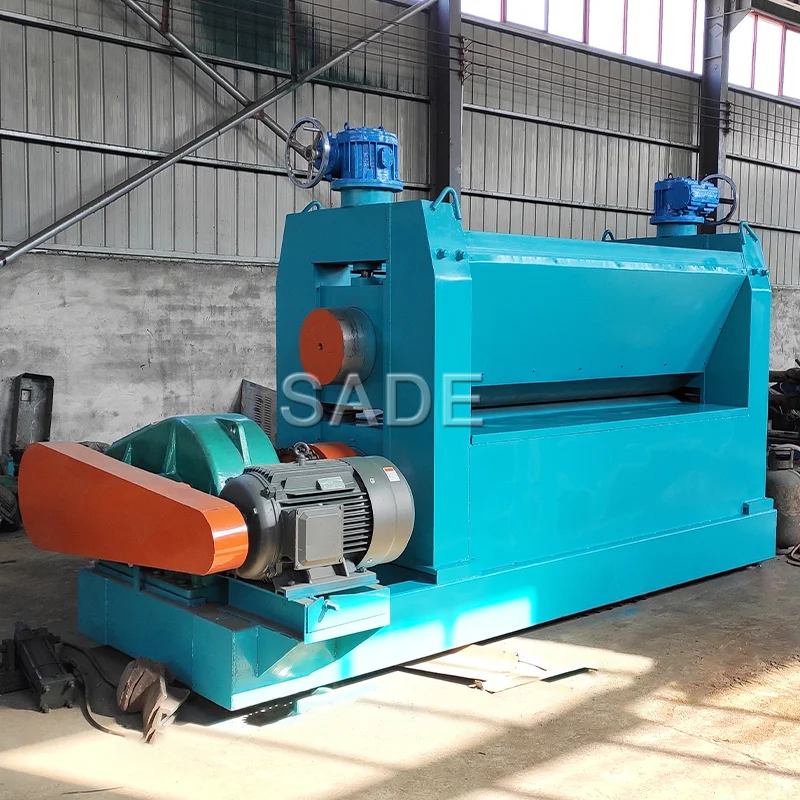
ZPJ Metal Mesh Flatting Machine
ZPJ metal mesh flatting machine is special designed for expanded metal flatting.It’s a corollary equipment of expanded metal machine. It can make expanded wire-mesh smoothly.And the flattened expanded metal have much more widely different applications.
Apr 24, 2026
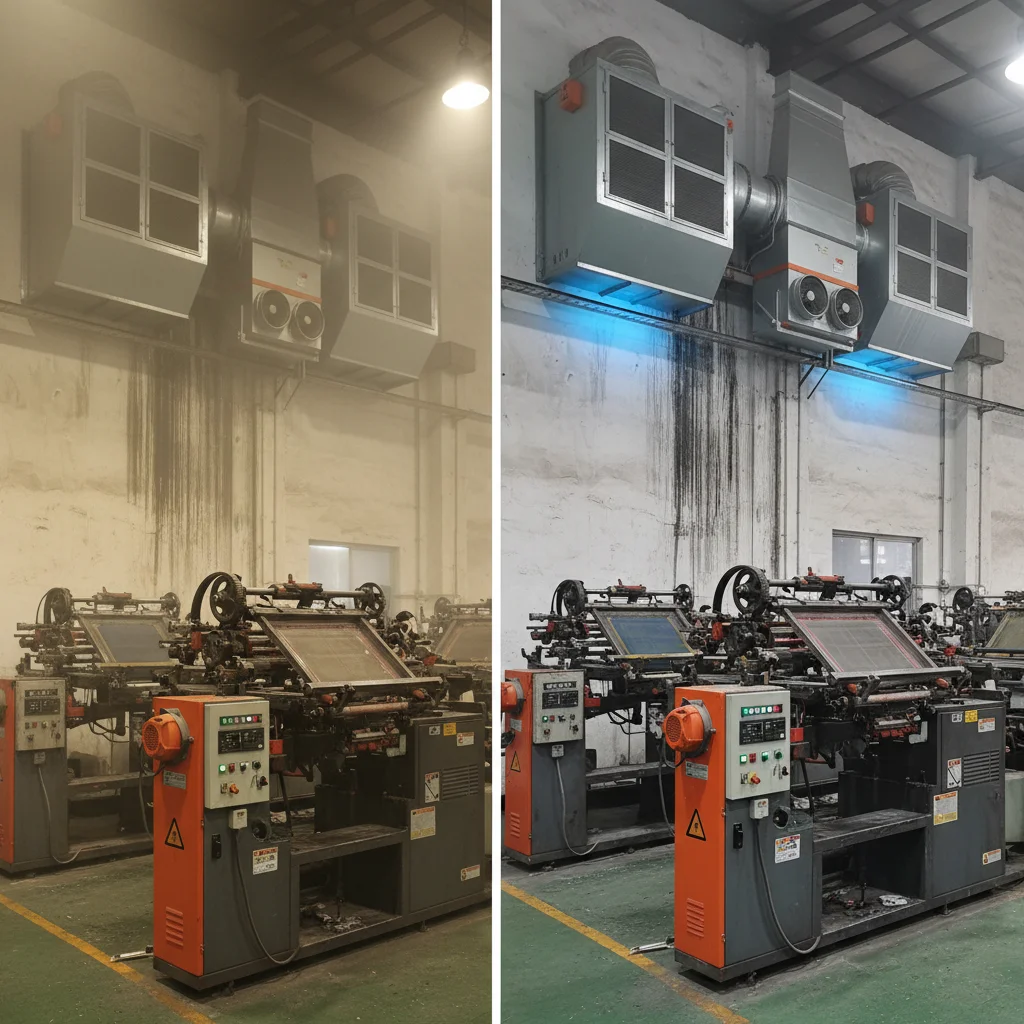
Industrial Wall Mounted Air Filtration for Clean Work Environments