
April 16, 2026
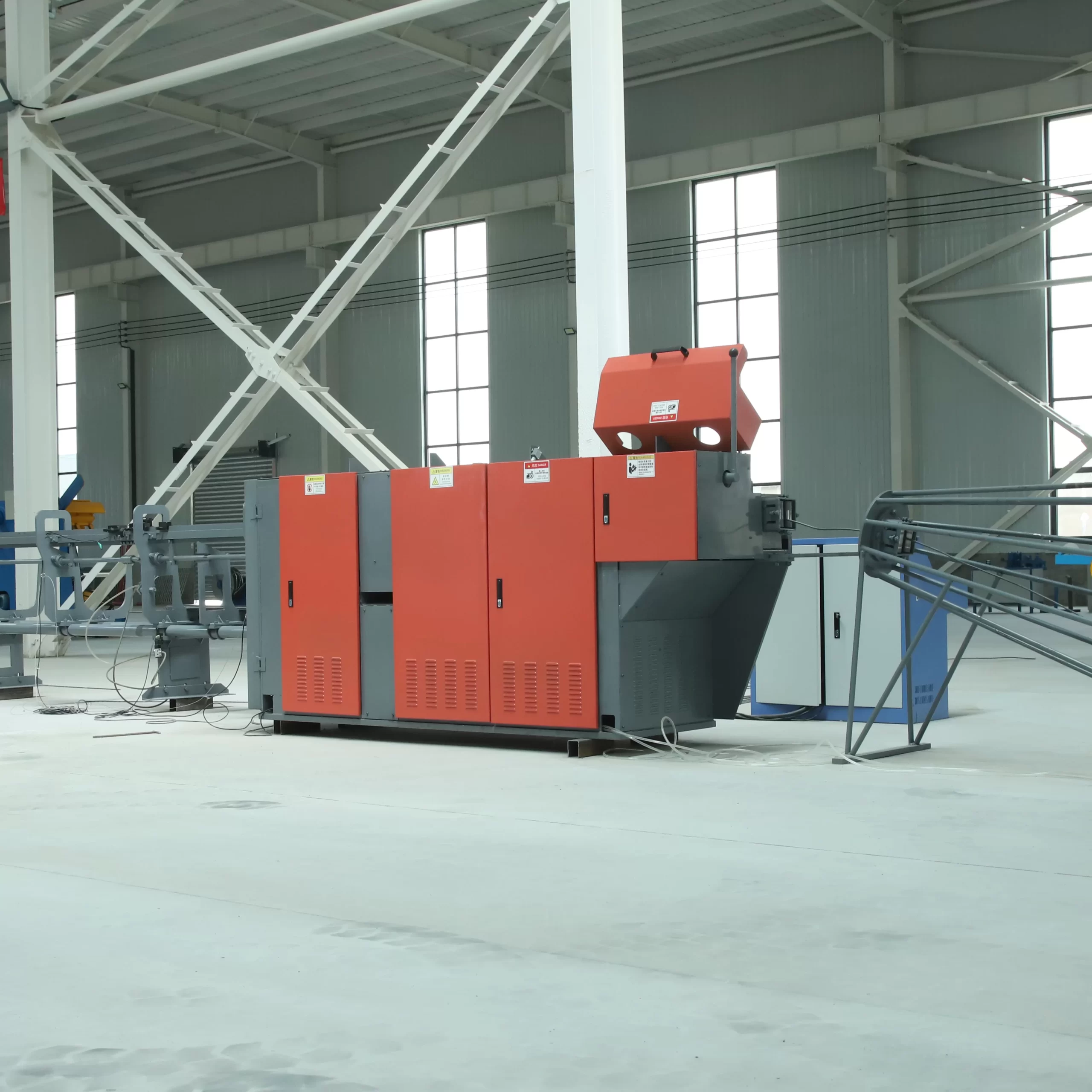
In the modern industrial landscape, achieving absolute precision in wire processing is the difference between a high-quality product and costly waste. For many engineers and procurement managers, seeing a wire straightening and cutting machine video is the most effective way to validate the speed, accuracy, and stability of the equipment before investment. Whether you are dealing with stainless steel, carbon steel, or aluminum, the right machinery transforms raw coils into perfect linear segments. This guide explores how to evaluate these machines through visual demonstrations and technical specifications to ensure your production line remains efficient and competitive.
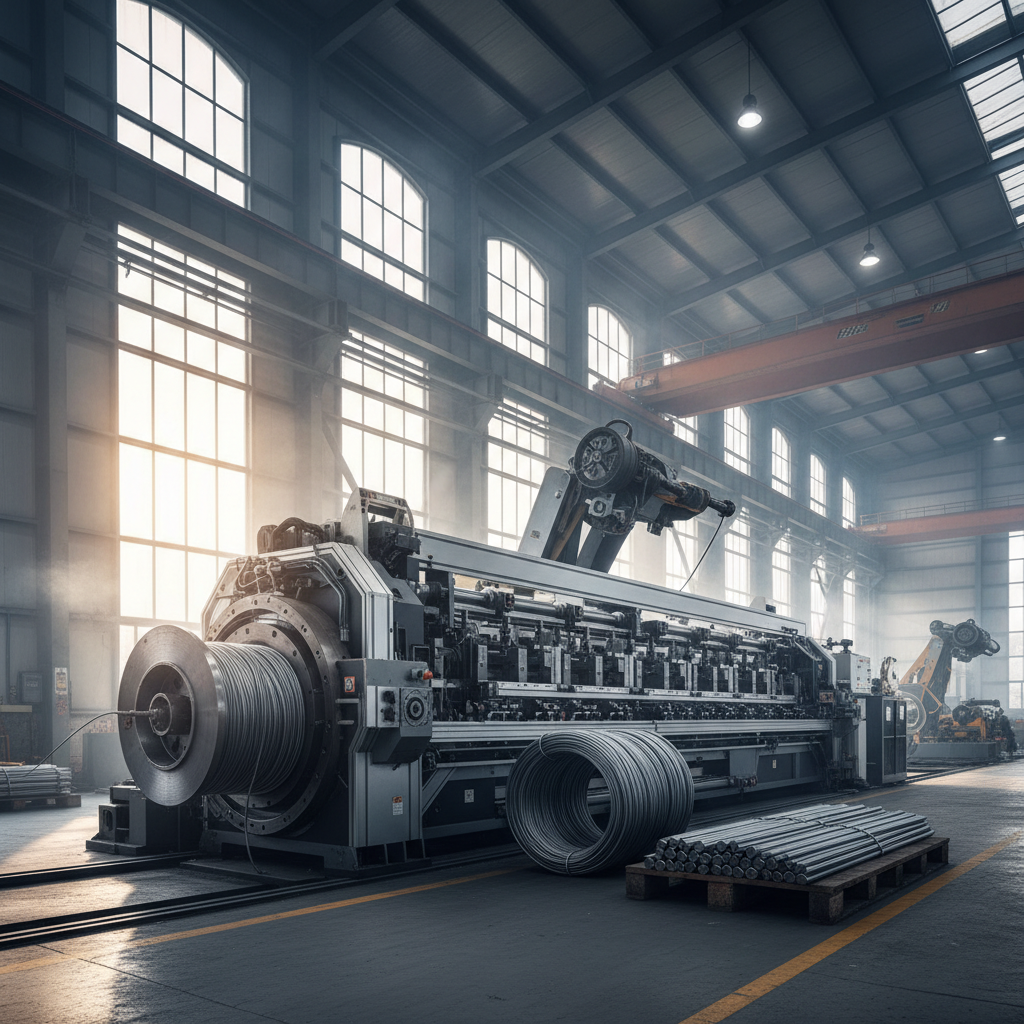
When reviewing a wire straightening and cutting machine video, you shouldn't just look at the machine moving; you need to analyze the material behavior. Pay close attention to the entry and exit points of the wire. A high-quality machine will show a smooth transition from the coil to the straightening rollers without any jitter or sudden jerks. Observe the cutting blade's action—it should be a clean, decisive snap without leaving burrs or distorting the end of the wire. These visual cues are primary indicators of the machine's mechanical synchronization and the quality of its PLC control system.
Expert Tip: Always look for videos that show the machine operating at maximum rated speed. This reveals the true stability of the frame and whether the straightening precision holds up under high-pressure production cycles.
The magic happens through a series of precisely aligned rollers that apply alternating pressure to the wire, neutralizing the "memory" of the coil. This process, often showcased in a detailed wire straightening and cutting machine video, ensures that the wire emerges perfectly straight. Once straightened, a high-precision feeding mechanism pushes the wire forward to a length determined by the digital settings, where a pneumatic or hydraulic cutter performs the final slice. The integration of servo motors allows for micron-level accuracy, which is essential for components used in automotive or electronics industries.
Choosing between a basic manual setup and a CNC-driven system depends on your volume and precision needs. While manual machines are cost-effective for small shops, CNC machines offer unparalleled repeatability. In a side-by-side wire straightening and cutting machine video comparison, the CNC version demonstrates significantly lower downtime and zero manual measurement errors. The following table highlights the core differences to help you decide based on your operational scale.
From constructing reinforced mesh to creating medical-grade implants, the applications are endless. In the construction sector, these machines ensure that stirrups and anchors are consistent, which is critical for structural integrity. In the automotive sector, precision-cut wires are used for spring manufacturing and electrical conduits. A comprehensive wire straightening and cutting machine video usually demonstrates these versatility options, showing the machine switching between different wire diameters with minimal adjustment time.
To complement what you see in a wire straightening and cutting machine video, you must analyze the technical data sheet. The diameter of the wire the machine can handle, the maximum cutting length, and the power consumption are the three pillars of equipment selection. Below is a typical specification table for an industrial-grade straightening and cutting unit, illustrating the capabilities expected from professional machinery.
Buying the machine is only the first step; maintaining it ensures you get the performance seen in the original wire straightening and cutting machine video. Regular lubrication of the rollers is non-negotiable to prevent friction-induced wear and surface scratches on the wire. Additionally, the cutting blades should be inspected daily for chips or dullness. A dull blade not only increases energy consumption but also compromises the geometric accuracy of the cut. Implementing a preventative maintenance schedule will extend the equipment's lifespan by years and keep your production cycles consistent.
Investing in a high-performance wire processing system is a strategic move toward industrial automation. By carefully analyzing a wire straightening and cutting machine video and matching it with rigorous technical specifications, businesses can eliminate waste and increase throughput. Whether you require basic straightening or complex CNC cutting, the right equipment from a trusted partner ensures your products meet global standards of quality. Prioritize precision, and your production line will reward you with efficiency and reliability.
The number of rollers depends primarily on the hardness and diameter of the wire. Generally, softer materials like aluminum require fewer rollers to achieve straightening. However, high-carbon steel or stainless steel has a stronger "memory" and requires a more complex array of rollers (often 9 to 15) to ensure the wire is truly linear. If you watch a professional wire straightening and cutting machine video, you will notice that the roller configuration is specifically tailored to the material's tensile strength to avoid over-stressing the metal.
Yes, but with limitations. Most industrial machines are designed for a specific range (e.g., 2mm to 6mm). To change the wire diameter, you typically need to adjust the gap between the rollers and sometimes replace the roller set entirely for maximum precision. High-end CNC machines make this transition faster through adjustable mounts. We recommend checking the specific "Range" section of the product specifications to ensure the machine covers all your current and future material needs.
A non-flat cut is usually caused by one of three things: a dull cutting blade, misalignment between the feeder and the cutter, or excessive wire tension during the cutting process. To solve this, first inspect the blade for wear. If the blade is sharp, check the alignment of the guiding system. In many cases, adjusting the tension of the decoiling unit can resolve the issue, as too much tension pulls the wire during the cut, creating a slanted edge. High-precision machines mitigate this with specialized holding clamps.
The best way to verify accuracy remotely is to request a customized wire straightening and cutting machine video where the operator uses a digital caliper to measure the finished pieces on camera. Ask the manufacturer to produce 10 consecutive pieces and measure each one. This "batch test" proves the repeatability of the machine. Additionally, ask for a slow-motion clip of the cutting head to ensure there is no vibration, which is a key indicator of long-term precision and build quality.
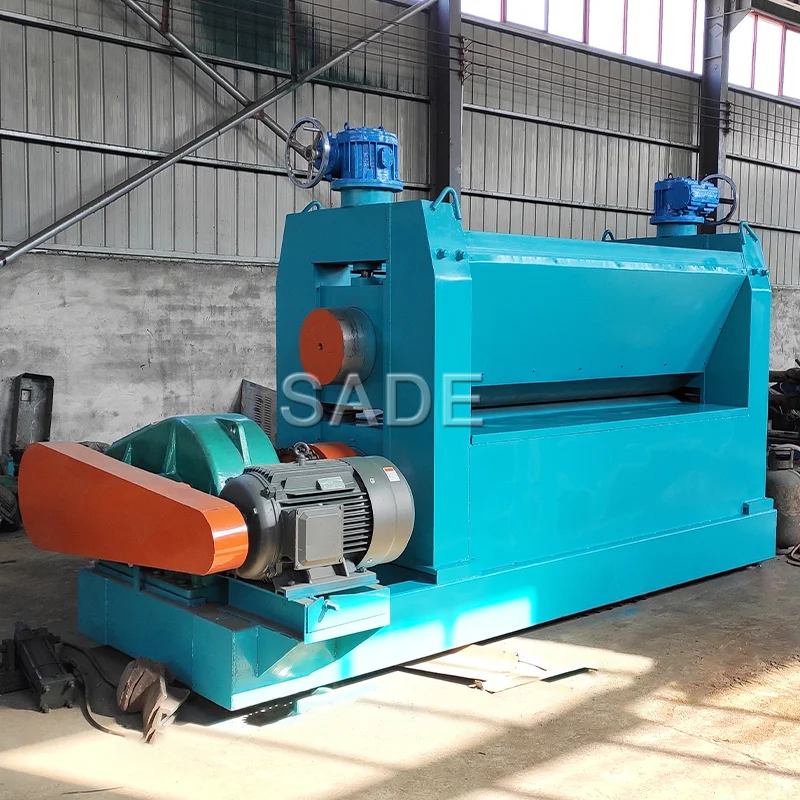
ZPJ Metal Mesh Flatting Machine
ZPJ metal mesh flatting machine is special designed for expanded metal flatting.It’s a corollary equipment of expanded metal machine. It can make expanded wire-mesh smoothly.And the flattened expanded metal have much more widely different applications.
Apr 24, 2026
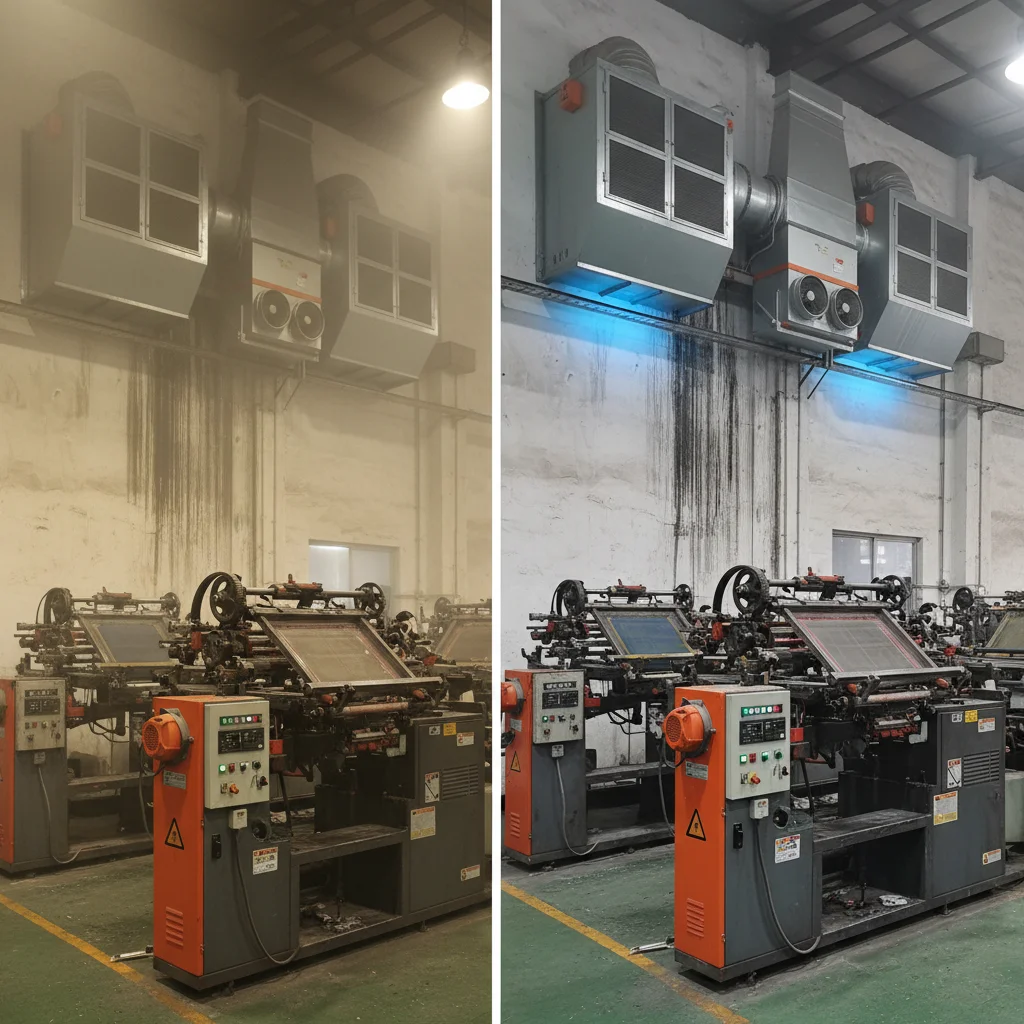
Industrial Wall Mounted Air Filtration for Clean Work Environments