
April 16, 2026
Operating high-precision industrial machinery requires a deep understanding of both technical specifications and safety protocols. Whether you are a seasoned manufacturer or new to the industry, having a comprehensive chain link fencing machine manual is essential for maximizing production efficiency and ensuring equipment longevity. A well-maintained machine not only produces superior fencing with consistent mesh sizes but also minimizes costly downtime. In this guide, we will walk through the critical operational steps, maintenance schedules, and troubleshooting tips to help you get the most out of your investment in mesh production technology.
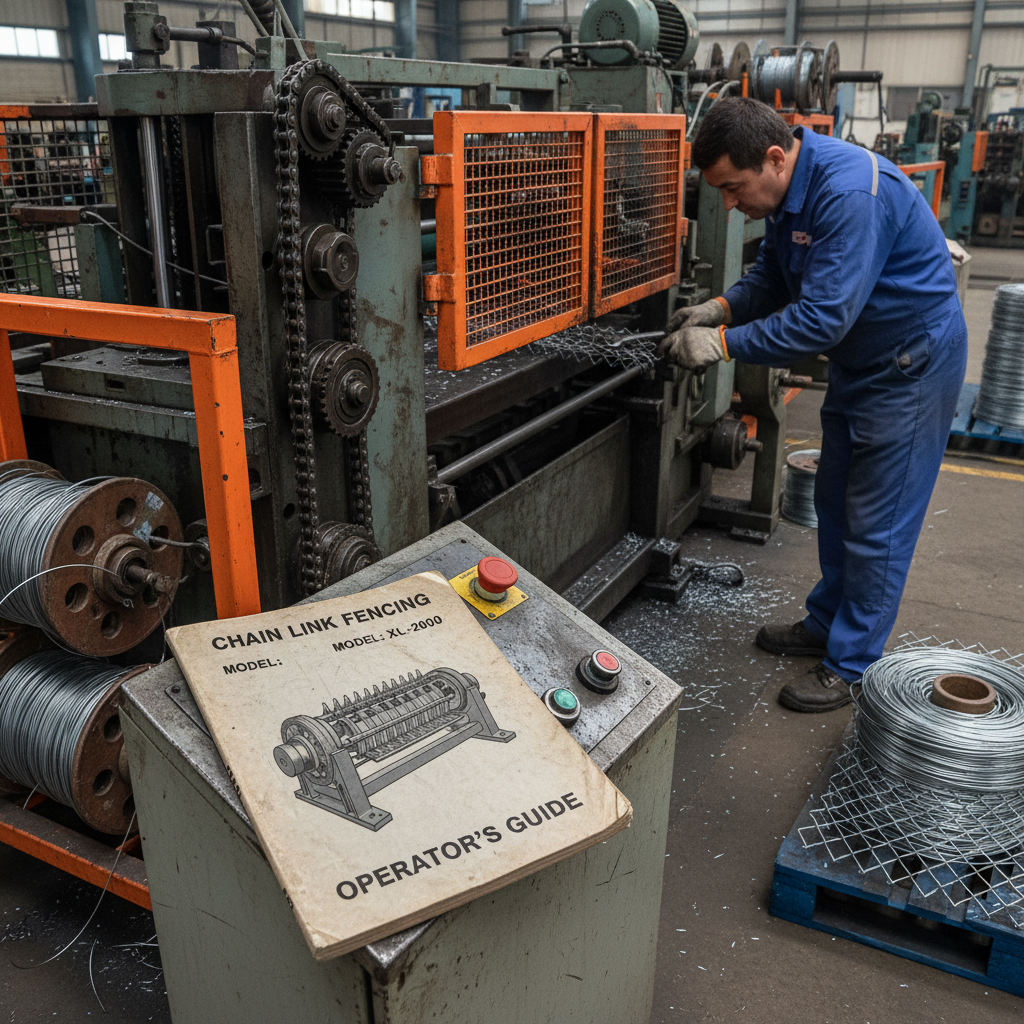
The first step in any industrial setup is the rigorous study of the chain link fencing machine manual. Initial installation is critical; ensuring the machine is perfectly leveled prevents uneven tensioning of the wire, which can lead to distorted mesh patterns. Operators should pay close attention to the wiring diagrams and power requirements to avoid electrical surges. By following the manufacturer's setup instructions, you ensure that the weaving mechanism is synchronized, reducing the risk of wire breakage during the initial "break-in" period of the machine's lifecycle.
Pro Tip: Always perform a "dry run" without wire first to ensure all moving parts, including the twisting arm and the take-up reel, are moving fluidly and without obstruction.
Consistency is the hallmark of quality fencing. According to the chain link fencing machine manual, adjusting the speed and tension parameters is a delicate balance. If the tension is too high, the wire may snap; if it is too low, the mesh loops will be loose and unstable. Modern machines often feature PLC controls that allow for precise adjustments of the mesh aperture and wire diameter. Understanding how to calibrate these settings ensures that your final product meets international industrial standards for security and durability.
Key Operational Checkpoints:
• Verify wire gauge compatibility before loading the spool
• Set the weaving speed based on the material (Galvanized vs. PVC coated)
• Calibrate the automatic cutting length for precise roll sizes
• Monitor the tensioning system for any sudden fluctuations
When reviewing a chain link fencing machine manual, it is helpful to understand where your specific model fits in the technological spectrum. Semi-automatic machines offer great flexibility for custom orders, while fully automatic systems are designed for high-volume industrial output. The shift toward automation has significantly reduced labor costs and human error in the weaving process, allowing for 24/7 production cycles with minimal supervision.
Preventative maintenance is the core of any professional chain link fencing machine manual. Industrial environments are often dusty, which can lead to friction and wear on the weaving gears. Regular lubrication of the bearings and chains is non-negotiable. Additionally, inspecting the wear plates every 500 hours of operation prevents the machine from producing "jagged" edges on the mesh. By adhering to a strict maintenance calendar, you can extend the machine's operational life by several years and ensure that your product quality remains competitive in the global market.
The capabilities of your machine are detailed in the technical section of the chain link fencing machine manual. Most industrial machines are designed to handle a variety of wire diameters, typically ranging from 2.0mm to 4.0mm. The mesh size can also be adjusted to create everything from tight security fences to wider agricultural enclosures. Below is a typical specification table for a standard high-performance fencing machine to help you benchmark your own equipment's performance.
No chain link fencing machine manual is complete without a stringent safety section. Because the machine involves high-tension wires and rapidly moving mechanical arms, the risk of injury is significant if safety guards are bypassed. Operators must always wear appropriate PPE, including safety goggles and reinforced gloves. The "Emergency Stop" button should be tested daily to ensure it cuts power instantly. Implementing a "Lock-Out, Tag-Out" (LOTO) system during maintenance prevents accidental startups, protecting the workforce and ensuring a safe industrial environment.
Efficient manufacturing is a combination of high-quality hardware and disciplined operation. By strictly following your chain link fencing machine manual, you eliminate the guesswork and replace it with precision. From the initial installation and parameter tuning to long-term preventative maintenance, each step plays a role in reducing waste and increasing profitability. Invest time in training your operators and maintaining your gear to ensure your business remains a leader in the fencing industry.
Wire breakage is usually caused by one of three things: excessive tension, poor wire quality, or a misalignment in the weaving head. First, refer to your manual to check if the tension settings are appropriate for the specific wire gauge you are using. Second, inspect the wire spool for surface defects or inconsistent diameters. Finally, check the guiding rollers for any burrs or sharp edges that might be scoring the wire. Adjusting the tension slightly downward often resolves the issue without sacrificing mesh quality.
For machines operating in standard industrial conditions, we recommend a daily check of lubrication points and a full lubrication cycle every 8 to 24 hours of active runtime. High-friction areas, such as the main drive chain and the twisting mechanism, require high-grade industrial grease. If your facility is particularly dusty or operates in extreme temperatures, you should increase the frequency of lubrication to prevent premature wear and tear on the metal components.
Yes, most professional machines are designed for versatility. By changing the weaving gears or adjusting the settings on the PLC controller, you can modify the aperture size of the mesh. However, changing the wire diameter may require replacing certain guides or rollers to ensure the wire flows smoothly. Always consult the official manual for the specific gear ratios and adjustment steps required for your model to avoid damaging the machine.
Even winding is achieved through a combination of proper alignment and consistent take-up speed. Ensure that the take-up reel is perfectly centered with the exit point of the weaving head. If the roll is drifting to one side, check the tension of the guiding mechanism. Many automatic machines include a centering device that keeps the mesh aligned. Regularly cleaning the reel of any debris also helps maintain a smooth, professional-looking roll that is easier for customers to unwind.
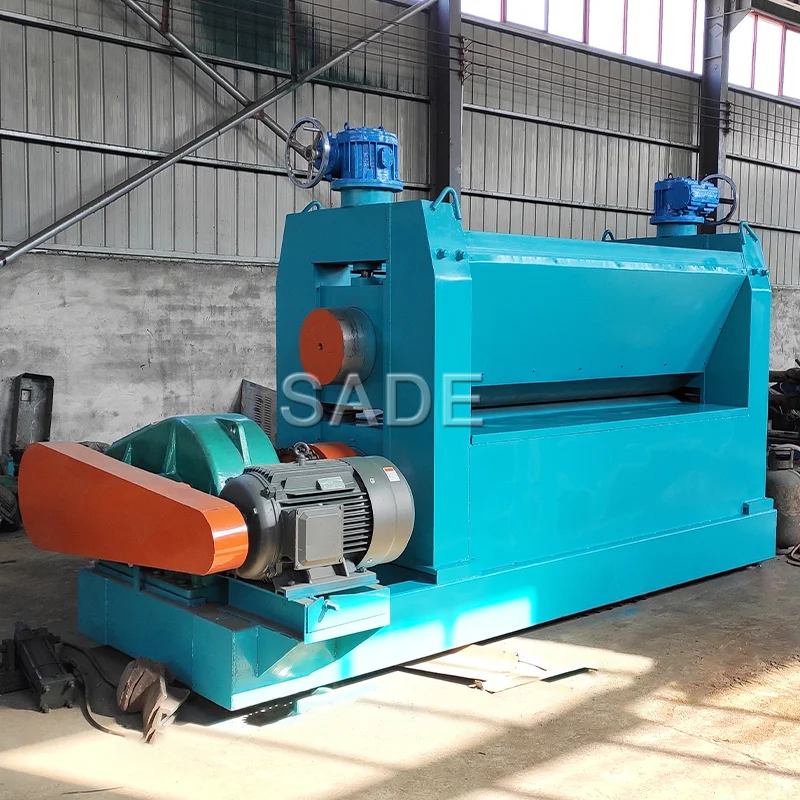
ZPJ Metal Mesh Flatting Machine
ZPJ metal mesh flatting machine is special designed for expanded metal flatting.It’s a corollary equipment of expanded metal machine. It can make expanded wire-mesh smoothly.And the flattened expanded metal have much more widely different applications.
Apr 24, 2026
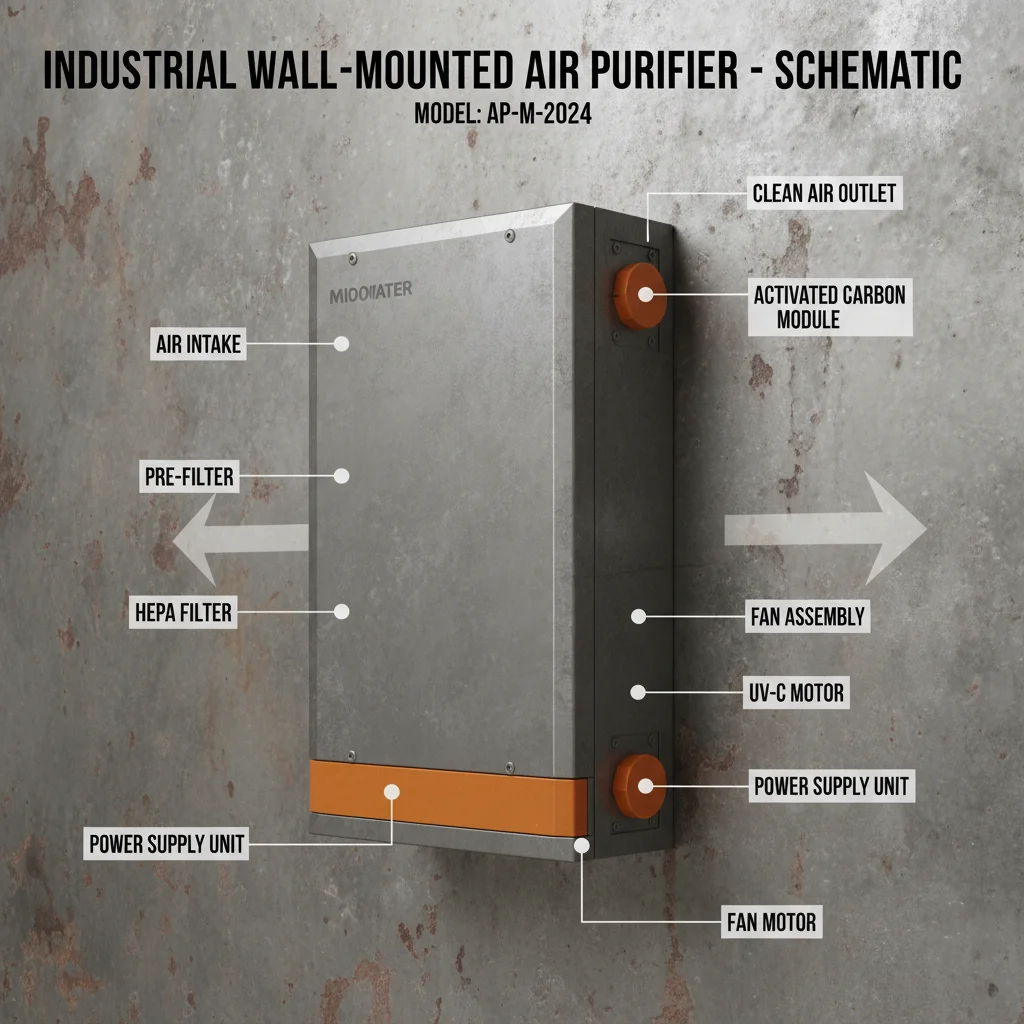
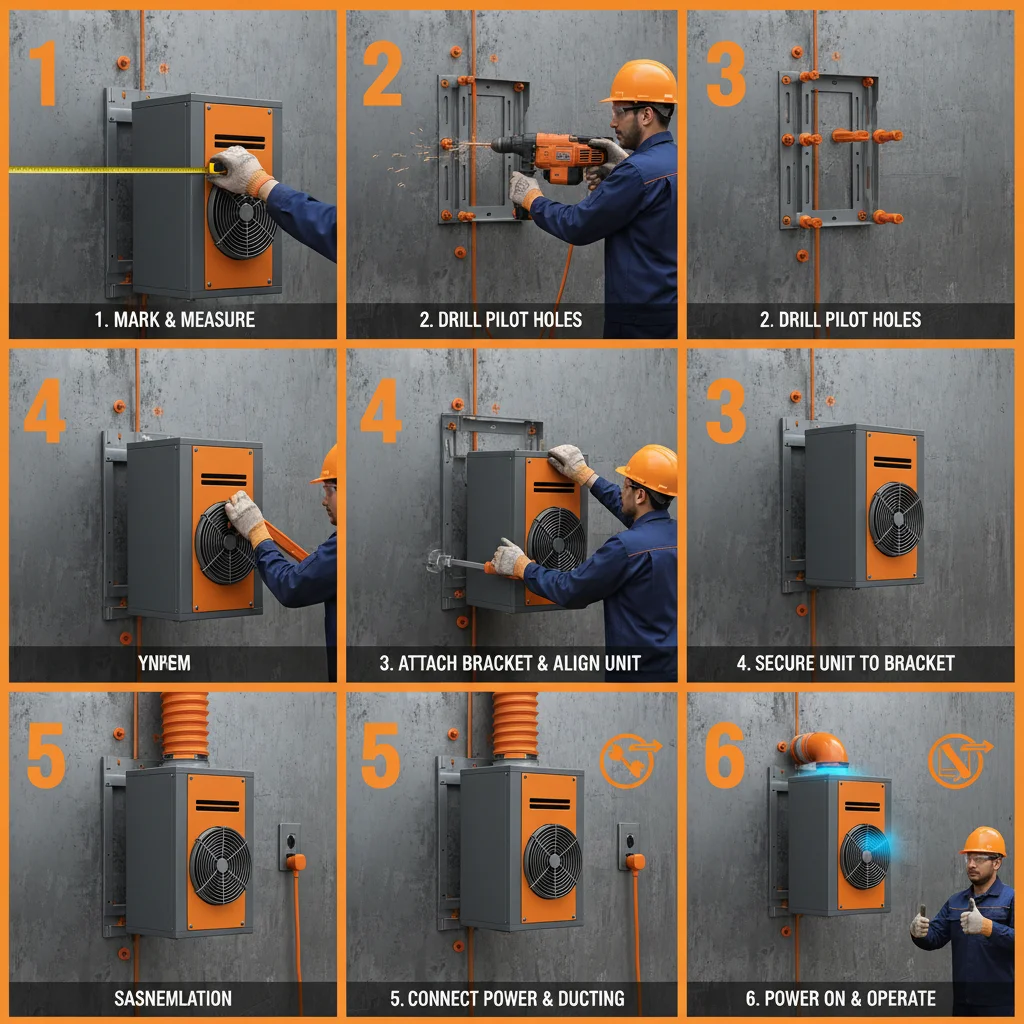
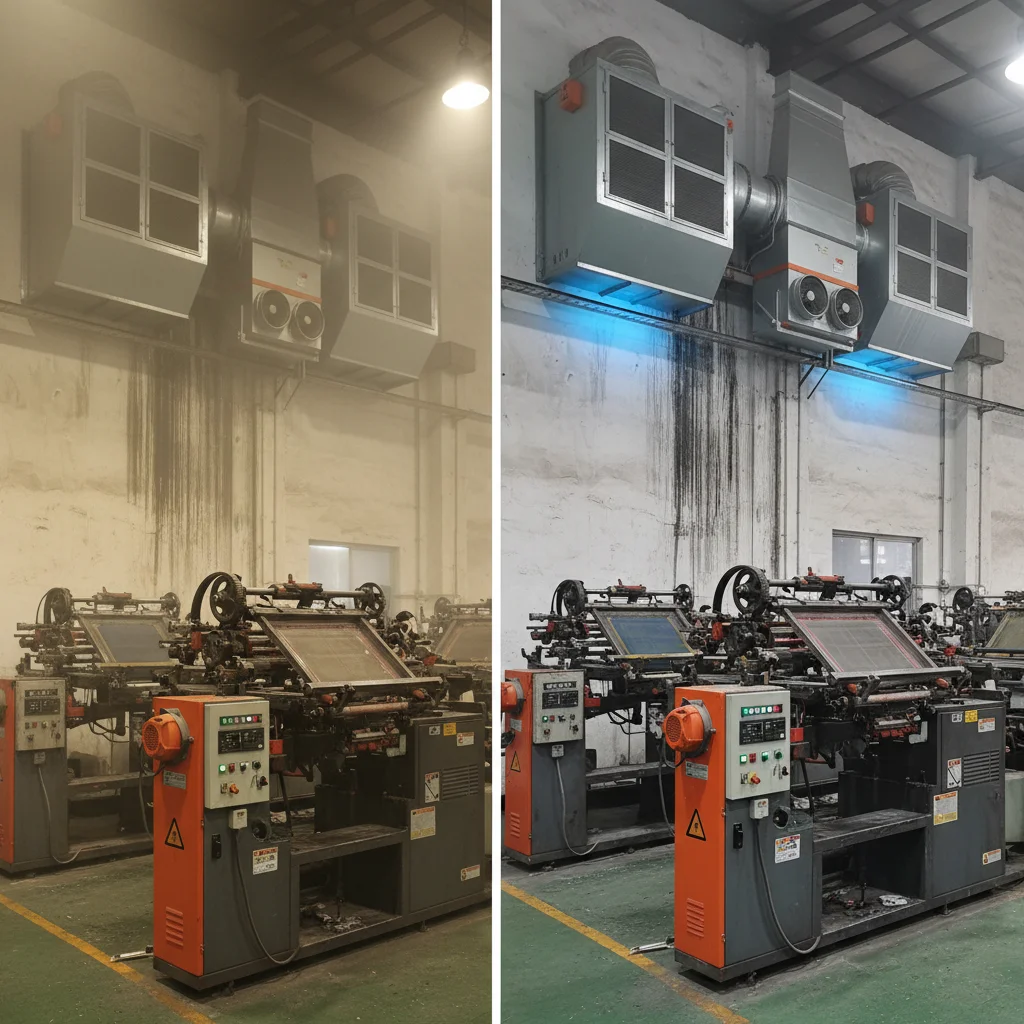
Industrial Wall Mounted Air Filtration for Clean Work Environments