
Mar 14, 2026
Comprehensive Guide to Sheet Flattening Machine Capabilities and Selection
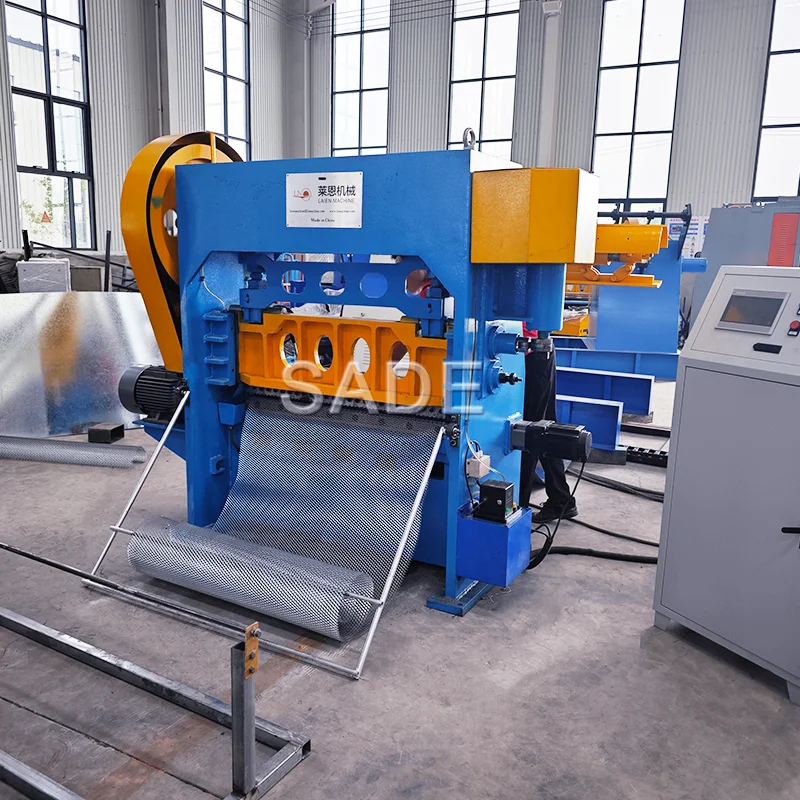
In the world of metal fabrication and manufacturing, achieving perfectly flat sheet metal is often a critical requirement. This is where a sheet flattening machine becomes an invaluable asset. These machines are designed to remove imperfections, such as warping, twisting, and buckling, resulting in consistently flat sheets ready for further processing. This article explores the benefits, applications, types, and key considerations when selecting a sheet flattening machine, offering a comprehensive guide for businesses seeking to improve their metalworking processes. Whether you’re dealing with steel, aluminum, or other materials, understanding this technology can significantly enhance your product quality and efficiency. Investing in a sheet flattening machine delivers numerous advantages for metal fabrication businesses. Firstly, it dramatically improves the quality of finished products by eliminating surface irregularities. This leads to better welding results, more accurate cutting, and a higher-quality aesthetic appeal. Secondly, these machines increase efficiency by reducing the need for manual correction and rework. Automated flattening processes are faster and more consistent than traditional methods. Thirdly, they minimize material waste by making previously unusable warped sheets viable for production. Finally, improved flatness leads to better downstream processing, such as forming and stamping, reducing bottlenecks and optimizing the entire manufacturing workflow.
Mar 14, 2026
Revolutionizing Brick Production with Mesh Machinery's Brickforce Making Machine
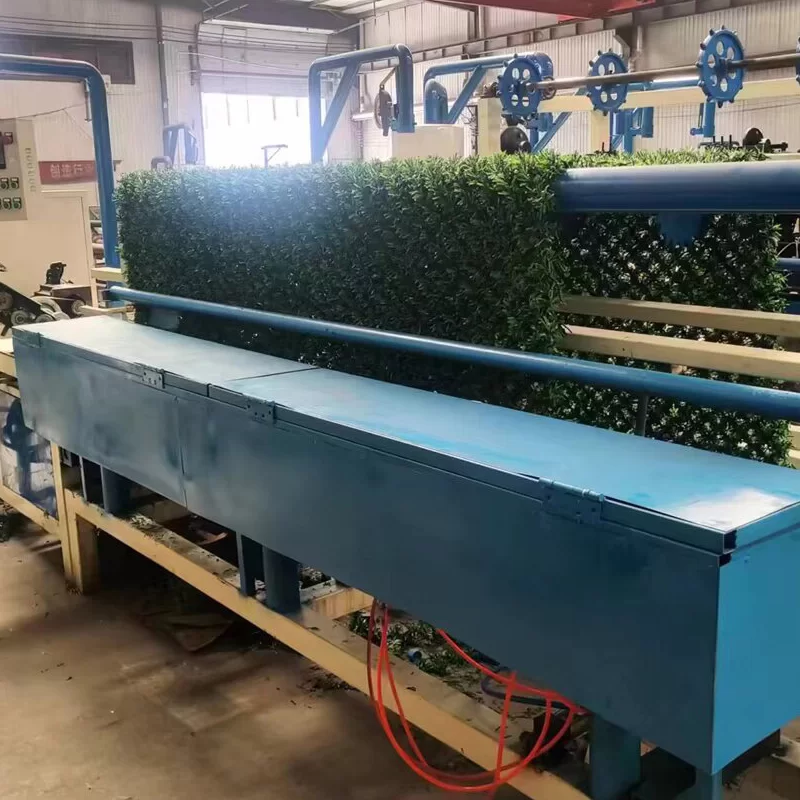
In the dynamic world of construction and infrastructure development, efficiency and cost-effectiveness are paramount. A key component in achieving these goals is investing in robust and reliable machinery. The brickforce making machine, offered by Mesh Machinery, is engineered to revolutionize brick production, offering unparalleled output and durability. This article delves into the features, benefits, and applications of these machines, providing a comprehensive guide for businesses looking to streamline their brick manufacturing processes. Choosing the right machine is crucial for long-term success and profitability. Mesh Machinery’s brickforce making machines boast a range of features designed to optimize production. These include fully automatic operation, hydraulic pressing systems, and robust steel frame construction. The machines are capable of producing a variety of brick sizes and shapes, catering to diverse project requirements.
Mar 14, 2026
Comprehensive Guide to Brick Force Wire Making Machines and Their Applications
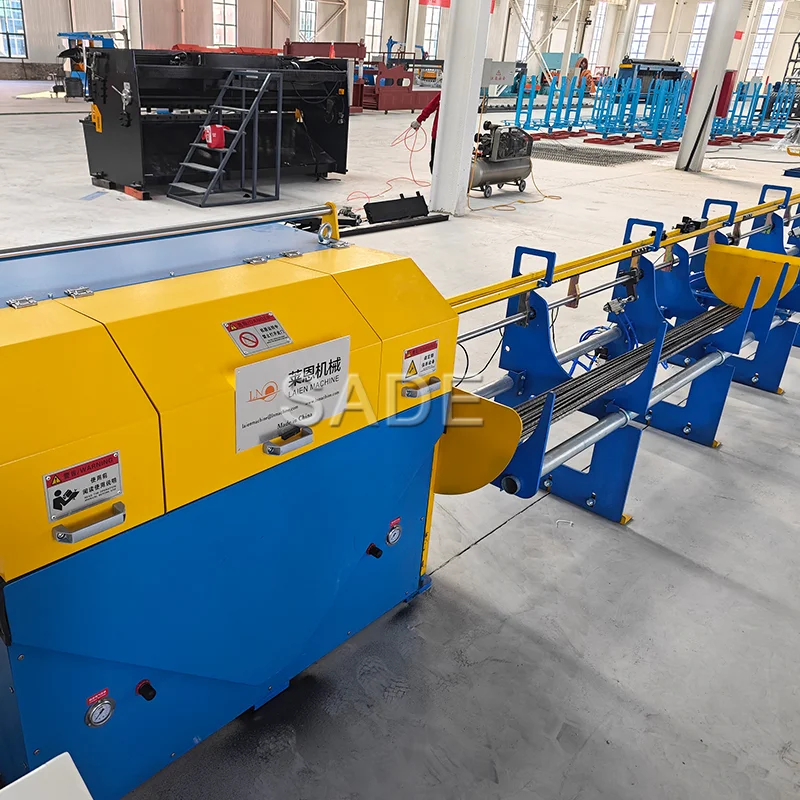
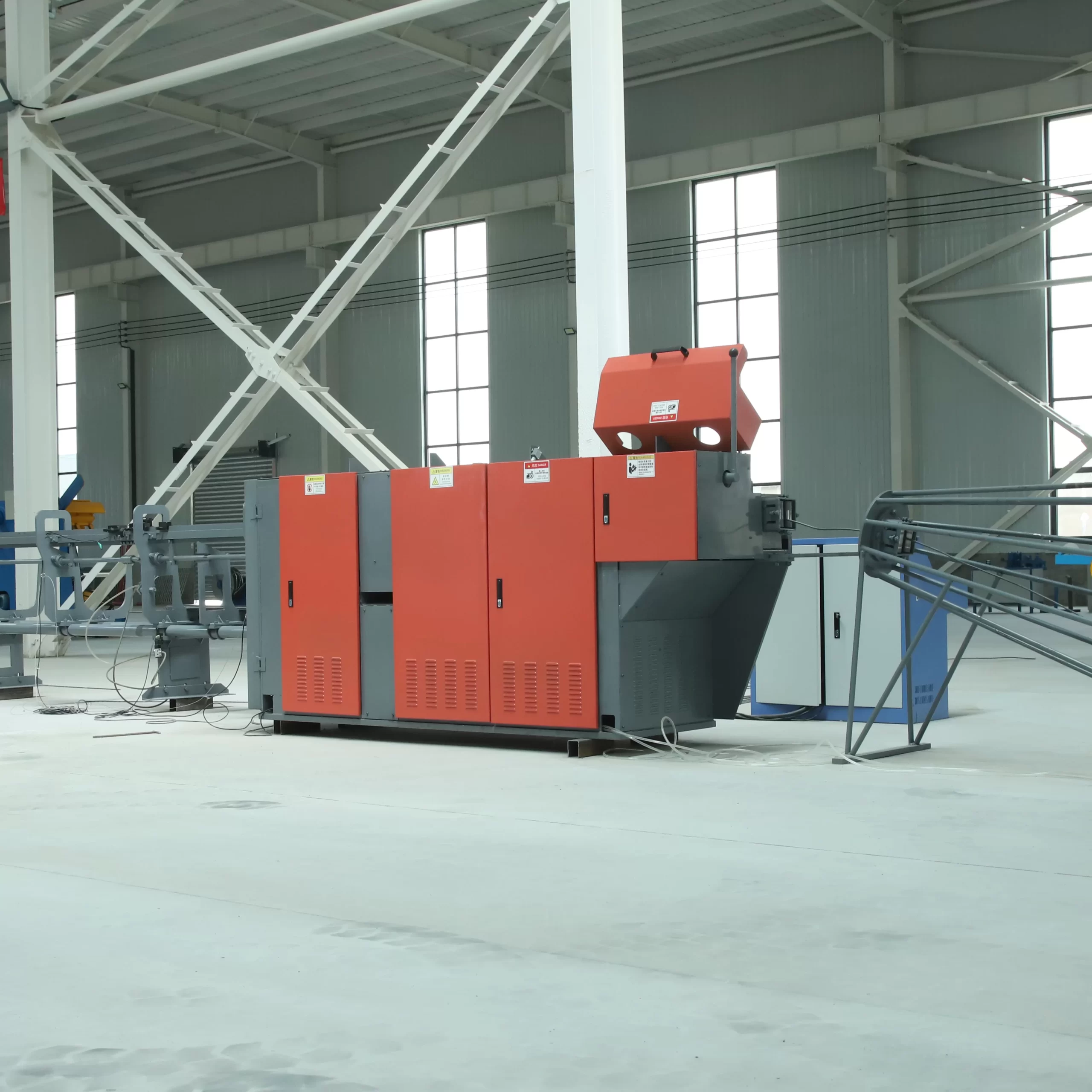
In the realm of construction and building materials, ensuring structural integrity is paramount. A crucial component often overlooked is the quality of reinforcing materials. This is where a brick force wire making machine comes into play. These machines are designed to produce the high-strength wire essential for reinforcing brickwork, concrete, and other building applications. This article will delve into the workings, benefits, types, and factors to consider when choosing a brick force wire making machine, catering to both industry professionals and those seeking a deeper understanding of this vital technology. Investing in a reliable machine is essential for producing durable and safe construction materials. At its core, a brick force wire making machine automates the process of drawing steel wire to a specific gauge and applying tension to increase its strength. The process typically involves several stages: feeding the steel coil, drawing the wire through a series of dies to reduce its diameter, and then winding the finished wire onto a spool. Modern machines often incorporate automated controls for precise tension and diameter adjustments, ensuring consistent product quality.
Mar 12, 2026
Comprehensive Guide to Expanded Metal Mesh Making Machine Technology and Selection
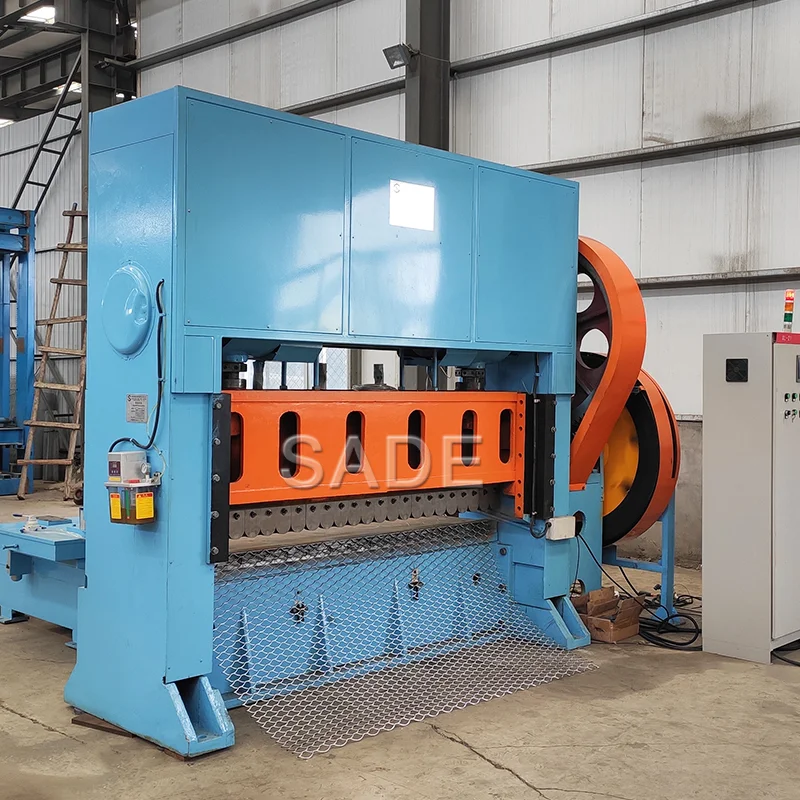
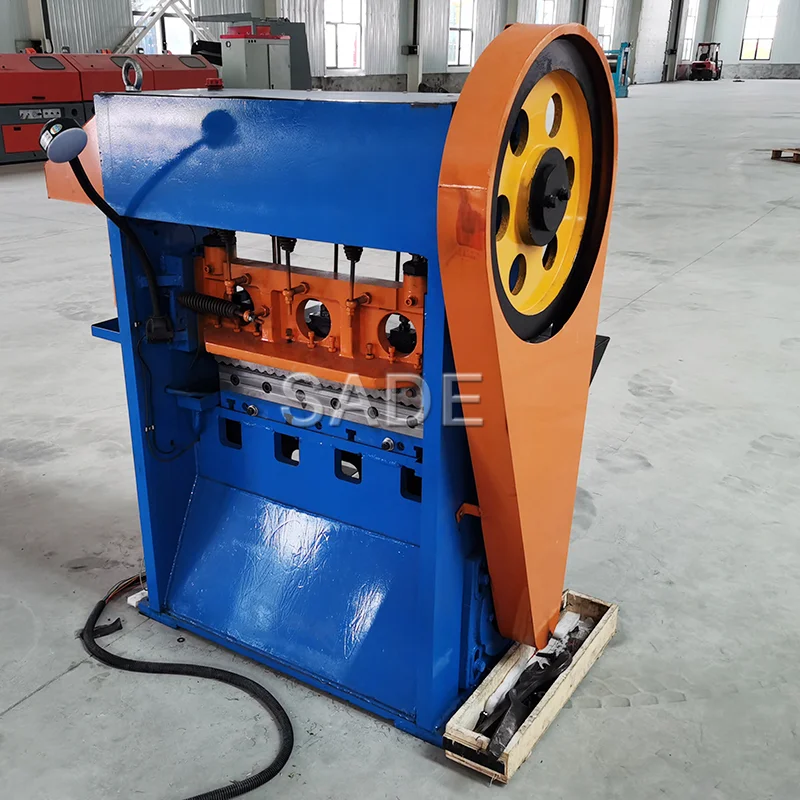
The demand for expanded metal mesh continues to rise across diverse industries, including construction, automotive, agriculture, and security. Understanding the machinery behind its production is crucial for businesses seeking to optimize efficiency and product quality. This article will provide a detailed overview of expanded metal mesh making machines, exploring their functionality, types, key features, and factors to consider when making a purchase. Investing in the right equipment can significantly impact production costs and the overall competitiveness of your business. Mesh Machinery specializes in providing high-quality, reliable solutions for expanded metal mesh production. Expanded metal mesh is created through a slitting and stretching process. A metal sheet is passed through rollers with knives or shearing tools that cut slits into the metal. Simultaneously, the metal is stretched, causing the slits to open and create a mesh-like pattern. Unlike woven wire mesh, expanded metal maintains a high percentage of the original metal, resulting in strong and rigid panels.
Mar 12, 2026
Comprehensive Guide to Expanded Metal Sheet Machine Technology and Applications
The demand for expanded metal sheets is continuously growing across various industries, from construction and automotive to filtration and security. To meet this demand, efficient and reliable expanded metal sheet machines are crucial. This article provides an in-depth look at these machines, their applications, types, key features, and factors to consider when choosing the right one. We’ll explore the technology behind expanded metal production and highlight why investing in a quality machine is essential for businesses. An expanded metal sheet machine takes a solid metal sheet and slitting and stretching it simultaneously to form a mesh-like pattern. This process creates a strong, lightweight material with excellent strength-to-weight ratio. These machines come in various configurations, each suited for different metal types, sheet thicknesses, and desired mesh patterns. The process doesn’t involve welding, minimizing material waste and creating a product that maintains the metal’s inherent properties.