
Mar 12, 2026
Comprehensive Guide to Expanded Mesh Machines Functionality and Selection
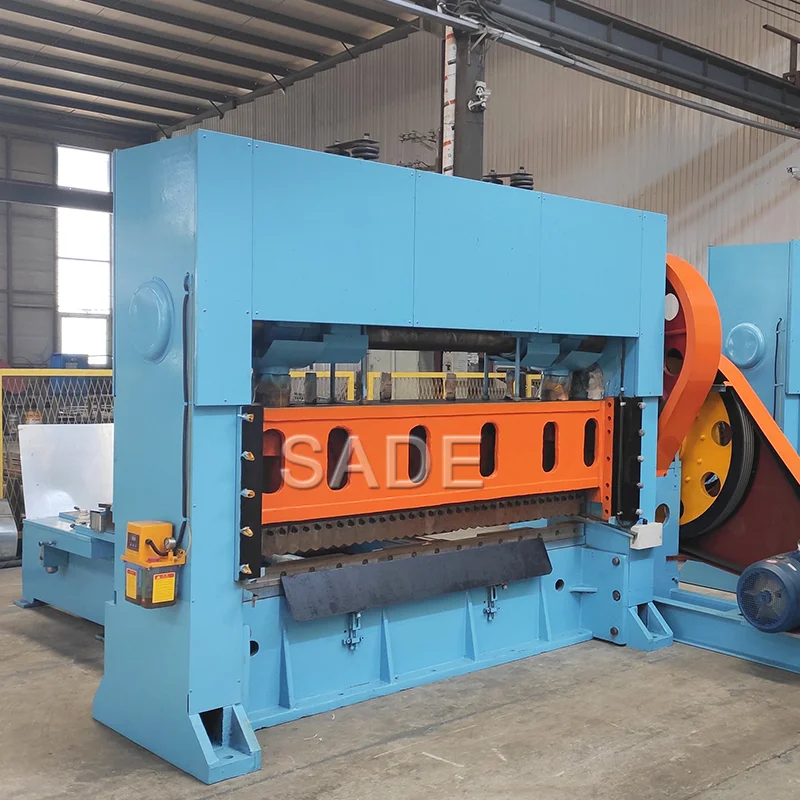
Expanded mesh machines are essential equipment in various industries, producing versatile metal mesh for applications ranging from filtration and security to architectural designs. Choosing the right machine can significantly impact production efficiency, product quality, and overall cost-effectiveness. This article delves into the workings, types, applications, and key considerations when selecting an expanded mesh machine. We’ll explore how these machines function and why Mesh Machinery stands as a leading provider in the industry. The process begins with a metal sheet fed into the machine. A series of reciprocating punches and dies simultaneously cut and stretch the metal, creating a diamond-shaped or hexagonal pattern. Unlike woven mesh, expanded metal maintains a high percentage of the original metal’s strength, making it incredibly durable. The key to successful expansion lies in the precise synchronization of the punching and stretching actions, ensuring consistent mesh dimensions and quality.
Mar 12, 2026
Comprehensive Guide to Expanded Metal Mesh Machine Technology and Applications
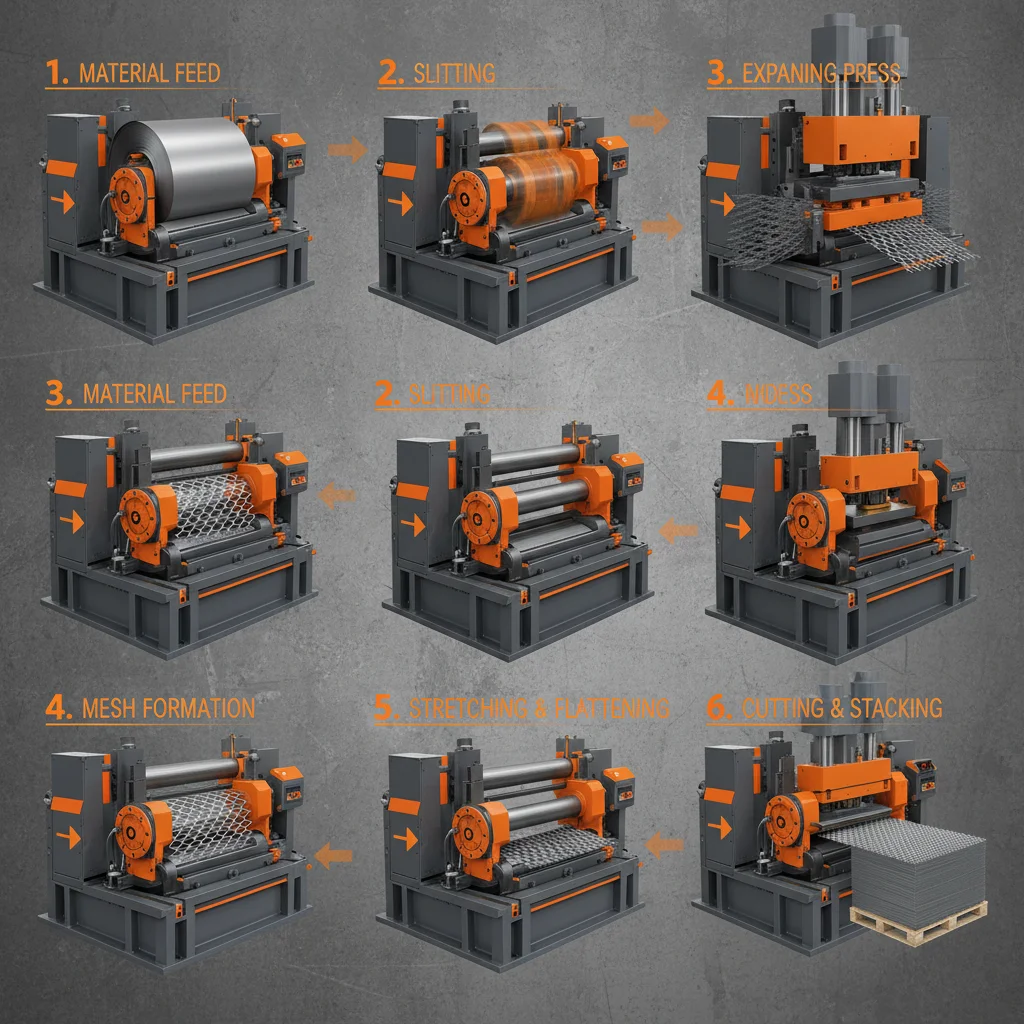
The demand for expanded metal mesh continues to grow across various industries, from construction and agriculture to security and filtration. At the heart of this production lies the expanded metal mesh machine. This article will delve into the workings of these machines, their applications, key features, and factors to consider when choosing the right equipment. We’ll explore how advancements in technology are enhancing efficiency and precision in expanded metal mesh production. Mesh Machinery provides robust solutions for diverse expanded metal mesh requirements. An expanded metal mesh machine takes a solid metal sheet and slits and stretches it simultaneously, creating a diamond or hexagonal pattern. The process doesn’t remove any metal, meaning no material is wasted. Typically, the machine features a set of cutting tools and forming rollers. The metal sheet is fed through these components, where slits are made in a predetermined pattern. These slits are then expanded, drawing the metal outwards and creating the mesh. The speed and precision of this process are crucial for producing high-quality expanded metal mesh. Modern machines often incorporate automated controls and programmable logic controllers (PLCs) for optimized performance.
Mar 11, 2026
Comprehensive Guide to Razor Barbed Wire Machine Manufacturers and Selection
The demand for security fencing and protective barriers is consistently high across various sectors, including agriculture, industrial, and governmental applications. This drives the need for reliable and efficient razor barbed wire machine manufacturers. Selecting the right manufacturer is crucial to ensure high-quality output, consistent performance, and long-term cost-effectiveness. This article will explore the key factors to consider when choosing a manufacturer, the types of machines available, and the benefits of investing in a quality machine. We’ll delve into the nuances of this specialized equipment to help you make an informed decision. Razor barbed wire machines are specialized pieces of equipment designed to manufacture razor barbed wire (RBW), a high-security fencing material. These machines typically automate the process of winding razor blades onto core wires, creating the finished product. The core components include unwinding stands for core wire, feeding systems for razor blades, forming machines, and winding units. Understanding these components is essential when evaluating razor barbed wire machine manufacturers. Different machines cater to varying production capacities and blade types, making it important to align your choice with your specific production needs.
Mar 11, 2026
Comprehensive Guide to High Performance Barbed Wire Machines and Their Applications
Barbed wire remains a crucial component in security fencing, agricultural containment, and various industrial applications. The demand for high-quality, efficiently produced barbed wire continues to grow, making the selection of the right barbed wire machines paramount. This article provides an in-depth look at the different types of barbed wire machines, their features, applications, and the factors to consider when making a purchase. Understanding the nuances of these machines is vital for maximizing production efficiency and ensuring the quality of the final product. We’ll cover everything from manual to fully automatic systems, helping you make an informed decision for your business. The market offers a diverse range of barbed wire machines, categorized primarily by their level of automation. Manual machines require significant human labor, while automatic systems minimize intervention and maximize output. Semi-automatic machines strike a balance between the two. Common types include coil machines, straight line machines, and automatic barbed wire weaving machines. The choice depends on your production volume, budget, and desired level of efficiency. Mesh Machinery specializes in providing solutions tailored to your specific needs.
Mar 11, 2026
Comprehensive Guide to Razor Wire Machine Types Features and Applications
Razor wire machines are essential for manufacturers producing security fencing and barriers. These machines automate the process of creating intertwined barbed tape, offering increased efficiency and consistency compared to manual methods. This article provides a detailed overview of razor wire machines, their types, key features, applications, and considerations for selecting the right equipment. We’ll explore how these machines contribute to enhancing security solutions globally. Choosing the right machine is crucial for meeting production demands and maintaining quality standards. There are several types of razor wire machines available, each designed for specific production needs. The most common types include single-wire machines, double-wire machines, and multiple-wire machines. Single-wire machines are suitable for lower production volumes and simpler designs. Double-wire machines offer increased output and are capable of producing more complex wire patterns. Multiple-wire machines are designed for high-volume production and can create a variety of razor wire types simultaneously.