
November 26, 2025
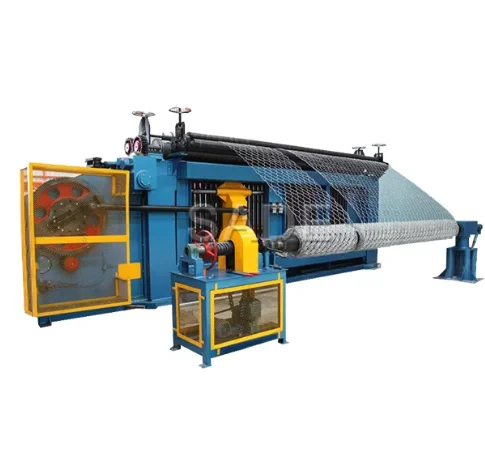
In the landscape of modern civil engineering and infrastructure development, gabions have emerged as indispensable tools for erosion control, retaining walls, and various structural applications. These robust, wire-mesh cages filled with natural stone offer a blend of flexibility, permeability, and ecological compatibility, making them a preferred choice for engineers worldwide. The backbone of their widespread adoption lies in the efficiency and precision of the machinery used to produce their foundational mesh. A state-of-the-art gabion mesh machine is not merely an assembly of gears and wires; it represents a sophisticated technological solution designed to meet the rigorous demands of large-scale projects, offering unprecedented production capabilities and quality control. From protecting fragile riverbanks to reinforcing steep embankments along highways, the demand for high-quality gabion mesh continues to surge, driven by global initiatives in infrastructure resilience and sustainable development.
The evolution of gabion mesh manufacturing technology has been remarkable. Early machines were often manual or semi-automatic, requiring significant labor input and yielding inconsistent results. Today, however, advanced automation and innovative engineering principles have transformed the industry. Modern machines can process raw wire into perfectly formed, double-twisted or triple-twisted hexagonal mesh with minimal human intervention. This technological leap has profound implications for construction timelines and project budgets. For instance, the deployment of a high-capacity machine can dramatically reduce labor costs by an estimated 40-60% compared to traditional methods and concurrently increase production output by upwards of 150%, ensuring that project deadlines are met with ease and efficiency. This transformative capability underscores why understanding the nuances of these machines is critical for any entity involved in civil engineering, land development, or environmental protection.
The technical superiority of contemporary gabion mesh manufacturing equipment is a primary driver of its value proposition. At its core, a high-performance machine utilizes advanced weaving mechanisms that precisely interlock wires to form a robust hexagonal pattern. The most common configuration involves a double-twist or triple-twist system, which provides exceptional strength and prevents unraveling, even if a wire breaks. These systems are fed by sophisticated wire pay-off stands equipped with tension control mechanisms, ensuring uniform tension across all wires for consistent mesh quality and reduced material waste.
Automation plays a pivotal role in enhancing operational efficiency. Modern machines typically feature a Programmable Logic Controller (PLC) system, often integrated with a user-friendly Human-Machine Interface (HMI) touch screen. This allows operators to easily configure mesh parameters such as aperture size, mesh width, and wire gauge, significantly reducing setup times and minimizing human error. For example, some advanced models boast rapid setup changes that can transition between different mesh specifications in under 15 minutes, a stark contrast to hours required by older, less automated systems. Furthermore, integrated automatic lubrication systems ensure optimal machine health and extend the lifespan of critical components, reducing unscheduled downtime and maintenance costs. The robust construction, often involving heavy-duty steel frames and precision-machined components, ensures durability and stability during continuous high-speed operation, accommodating wire gauges typically ranging from 2.0mm to 4.0mm and producing outputs that can exceed 200 square meters per hour, depending on the mesh specifications and wire material.
Beyond the fundamental weaving mechanism, a multitude of innovative features contribute to the peak performance and profitability of modern gabion mesh production. Safety is paramount, with machines incorporating comprehensive safety interlocking systems, emergency stop buttons, and protective enclosures to ensure operator well-being during high-speed operation. Energy efficiency is another significant advancement; contemporary models often utilize high-efficiency servo motors or variable frequency drives (VFDs) that optimize power consumption based on load, leading to substantial reductions in electricity costs. For instance, certain advanced machines are engineered to consume up to 25% less power per square meter of mesh produced compared to previous generations, translating into considerable long-term savings.
Furthermore, innovations extend to noise reduction technologies, creating a more ergonomic and compliant working environment. Features like automatic mesh cutting and rolling devices streamline the post-weaving process, seamlessly integrating with the main production line and reducing the need for manual handling. Some machines are equipped with advanced diagnostic tools that monitor performance in real-time, alert operators to potential issues, and provide insights for preventative maintenance, thereby minimizing costly breakdowns. The ability to handle various wire types, including galvanized, Galfan-coated, and PVC-coated wires, with consistent quality and minimal adjustments, speaks volumes about the versatility built into these machines. These combined innovations collectively solve common industry challenges such as inconsistent quality, high labor dependency, and operational bottlenecks, positioning manufacturers to achieve higher output, superior product quality, and ultimately, enhanced market competitiveness.
Selecting the right manufacturer for a gabion mesh machine is a critical decision that impacts long-term operational success and return on investment. It requires a meticulous evaluation of various factors beyond the initial purchase price, including technological sophistication, build quality, after-sales support, spare parts availability, and the manufacturer's reputation for reliability. A truly strategic partner offers not just equipment, but a complete solution tailored to your production needs and operational environment. Below is an illustrative comparison to highlight key differentiators:
Feature/Manufacturer | Manufacturer A (Premium) | Manufacturer B (Mid-Tier) | Manufacturer C (Entry-Level) |
Production Capacity (sqm/hr) | 200-250 | 150-200 | 100-150 |
Wire Diameter Range (mm) | 2.0 - 4.0 (all types) | 2.2 - 3.8 (galvanized/PVC) | 2.5 - 3.5 (galvanized) |
Automation Level | Full PLC, HMI, Auto Lube, Diagnostics | PLC, HMI (basic), Manual Lube | Semi-automatic, Analog Controls |
Power Consumption (kW/hr average) | 15-18 | 18-22 | 20-25 |
Warranty (Years) | 2 Years (parts & labor) | 1 Year (parts only) | 6 Months (critical parts) |
After-Sales Support Rating | Excellent (24/7 remote, global tech) | Good (business hours, regional tech) | Basic (email, phone during GMT) |
Key Differentiator | Superior durability, lowest TCO, advanced features | Good balance of cost and performance | Cost-effective for smaller operations |
Evaluating manufacturers based on these parameters helps in identifying a solution that aligns with specific business objectives, production volumes, and budget constraints. While Manufacturer A might represent a higher upfront investment, its superior automation, lower power consumption, and comprehensive warranty often translate to the lowest Total Cost of Ownership (TCO) over the machine's operational lifespan. Conversely, Manufacturer C might appeal to startups or smaller-scale operations where initial capital outlay is a significant concern, provided they understand the trade-offs in terms of output, automation, and long-term support.
In a global market characterized by diverse project requirements and evolving material specifications, the ability to customize and scale production capabilities is a significant competitive advantage. Leading machine manufacturers understand that a one-size-fits-all approach is rarely optimal. Therefore, they offer extensive customization options, allowing businesses to tailor their gabion mesh production exactly to their unique operational demands and market niches. This level of flexibility ensures that investments are optimized, and production processes are highly efficient.
Customization can range from specific mesh aperture sizes (e.g., 60x80mm, 80x100mm, 100x120mm) and varying mesh widths (from 1 meter up to 4 meters) to accommodate different gabion cage dimensions and project scales. Furthermore, machines can be configured to process a broad spectrum of wire materials, including heavily galvanized steel wire, Galfan-coated wire for enhanced corrosion resistance, and PVC-coated wire, which is ideal for aesthetically sensitive or highly corrosive environments. Electrical specifications, such as voltage and frequency, can also be adapted to conform to local power grid standards around the world. For operations planning future expansion, scalability is a key consideration. Modular machine designs allow for easy upgrades, such as adding extra weaving units or integrating automated cutting and binding lines, enabling businesses to increase output as demand grows without requiring a complete overhaul of their existing setup. This strategic foresight in design ensures that a business’s investment remains relevant and productive for decades, adapting seamlessly to market shifts and technological advancements, ultimately leading to optimized production flows and significant cost efficiencies.
The versatility of gabion mesh, produced with precision by modern machinery, translates into an expansive array of real-world applications across various sectors. These applications underscore gabions' effectiveness as robust, sustainable, and adaptable construction elements. One of the most prevalent uses is in erosion control and riverbank stabilization. Gabion walls and mattresses are deployed along waterways to dissipate water energy, prevent scour, and retain soil, effectively safeguarding infrastructure and ecosystems. Projects often report a reduction in soil loss by over 80% when gabion solutions are implemented, significantly extending the lifespan of coastal and riparian structures.
Another critical application is in the construction of retaining walls for highways, railways, and commercial developments. Gabion retaining walls offer inherent flexibility, allowing them to settle and adapt to minor ground movements without cracking, a common issue with rigid concrete structures. Their permeable nature also allows for hydrostatic pressure relief, preventing water buildup behind the wall. In landscaping and architectural design, gabions are increasingly employed for aesthetic purposes, creating unique facades, sound barriers, and decorative garden features. The natural stone infill offers an appealing texture that blends harmoniously with diverse environments. Furthermore, gabions find utility in military and security applications, forming rapidly deployable blast walls and defensive structures. In mining operations, they are used for ground stabilization, haul road reinforcement, and protection against rockfalls. Each of these diverse applications benefits directly from the consistent quality, strength, and precise dimensions of gabion mesh produced by high-performance machines, delivering cost-effective, durable, and environmentally sound solutions globally.
The decision to invest in a high-quality gabion mesh machine represents a strategic commitment to operational excellence, market competitiveness, and sustainable growth. Far beyond the initial procurement cost, the long-term value generated by such an investment is substantial, impacting profitability, project delivery, and overall business resilience. The enhanced efficiency, precision, and automation capabilities of modern machinery directly translate into a superior Return on Investment (ROI), often manifesting within 3-5 years through reduced labor expenses, minimized material waste, and significantly increased production output. Companies report an average increase in project turnaround speed by 25-35% after upgrading to advanced gabion manufacturing technology, which directly correlates to an ability to undertake more projects and secure larger contracts.
Moreover, embracing advanced gabion mesh technology aligns with global sustainability initiatives. Gabions themselves are an eco-friendly construction material, utilizing locally sourced stone and offering permeable structures that support natural drainage and vegetation growth. By producing this mesh efficiently and with minimal environmental footprint (e.g., reduced energy consumption, less material scrap), businesses contribute positively to green building practices and reduce their carbon footprint. Investing in a robust and reliable gabion mesh machine future-proofs operations, ensuring that a business can consistently meet evolving market demands, maintain a competitive edge, and contribute to resilient infrastructure development worldwide. It is a testament to foresight, recognizing that the foundation of quality construction begins with the quality of its components, manufactured with precision and efficiency.
A1: Modern gabion mesh machines are primarily designed to produce double-twisted hexagonal wire mesh, but advanced models can also create triple-twisted mesh for enhanced strength. They can accommodate various mesh aperture sizes (e.g., 60x80mm, 80x100mm, 100x120mm) and widths, handling different wire materials like galvanized, Galfan-coated, and PVC-coated wires.
A2: Key factors include production capacity (sqm/hr), wire diameter range compatibility, automation level (PLC, HMI), power consumption, machine durability and build quality, manufacturer's warranty, and the availability of after-sales support and spare parts. Considering your specific project requirements and budget is also crucial.
A3: Automation, typically through PLC and HMI systems, significantly enhances efficiency by reducing labor costs, minimizing human error, accelerating setup and changeover times for different mesh specifications, and enabling precise control over the weaving process. This leads to higher consistent quality and increased output.
A4: Regular maintenance includes routine cleaning, lubrication of moving parts (often automatic in modern machines), inspection and replacement of worn components (e.g., weaving mandrels, cutters), and calibration checks. Following the manufacturer's recommended maintenance schedule is essential for optimal performance and longevity.
A5: Yes, high-quality gabion mesh machines are engineered to process a wide range of wire materials, including heavily galvanized steel, Galfan (zinc-aluminum alloy) coated, and PVC-coated wires. They typically support wire gauges from 2.0mm to 4.0mm, with some specialized models extending this range.
A6: While specific ROI varies based on market conditions, production volume, and labor costs, investing in a high-quality machine can offer a substantial return within 3-5 years. This is achieved through significant reductions in labor costs (up to 60%), increased production output (over 150%), minimized material waste, and the ability to fulfill larger contracts more efficiently.
A7: Yes, modern gabion mesh machines are increasingly designed with energy efficiency in mind, using optimized motor systems to reduce power consumption. Furthermore, gabions themselves are considered an eco-friendly construction solution, as they use natural, locally sourced stone fill and provide permeable, vegetated structures that support biodiversity and natural water drainage.
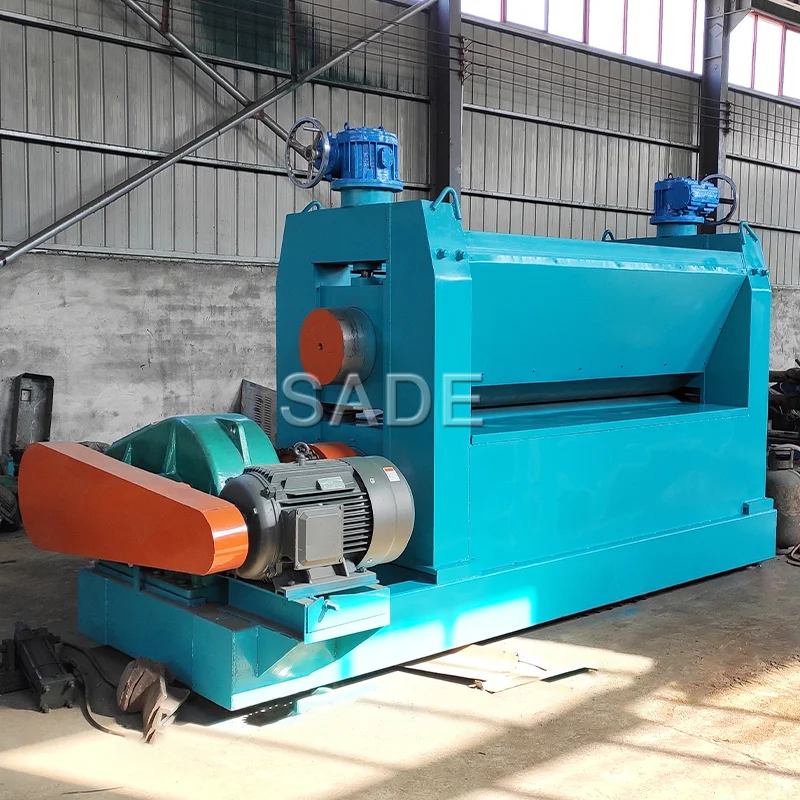
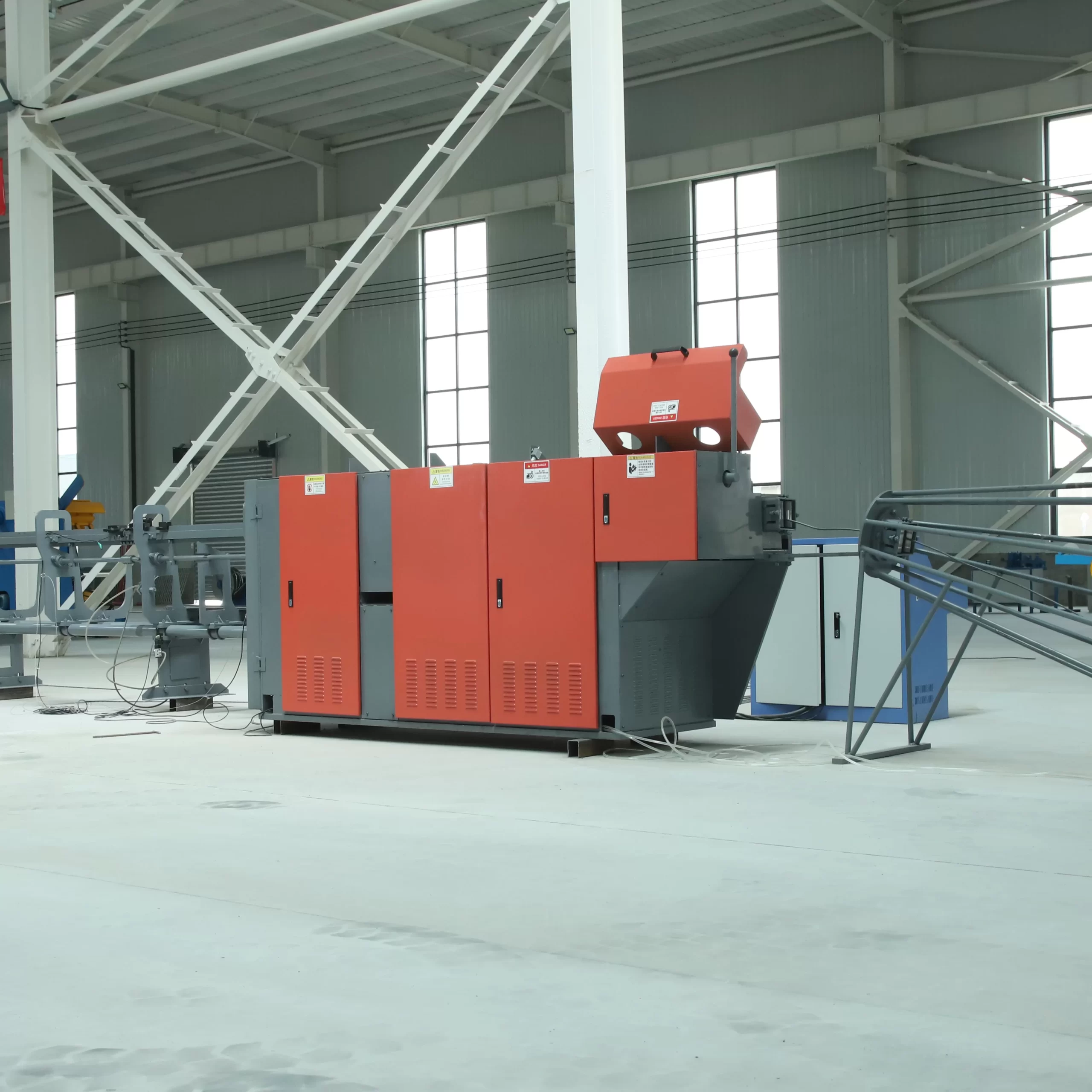
ZPJ Metal Mesh Flatting Machine
ZPJ metal mesh flatting machine is special designed for expanded metal flatting.It’s a corollary equipment of expanded metal machine. It can make expanded wire-mesh smoothly.And the flattened expanded metal have much more widely different applications.
Apr 24, 2026
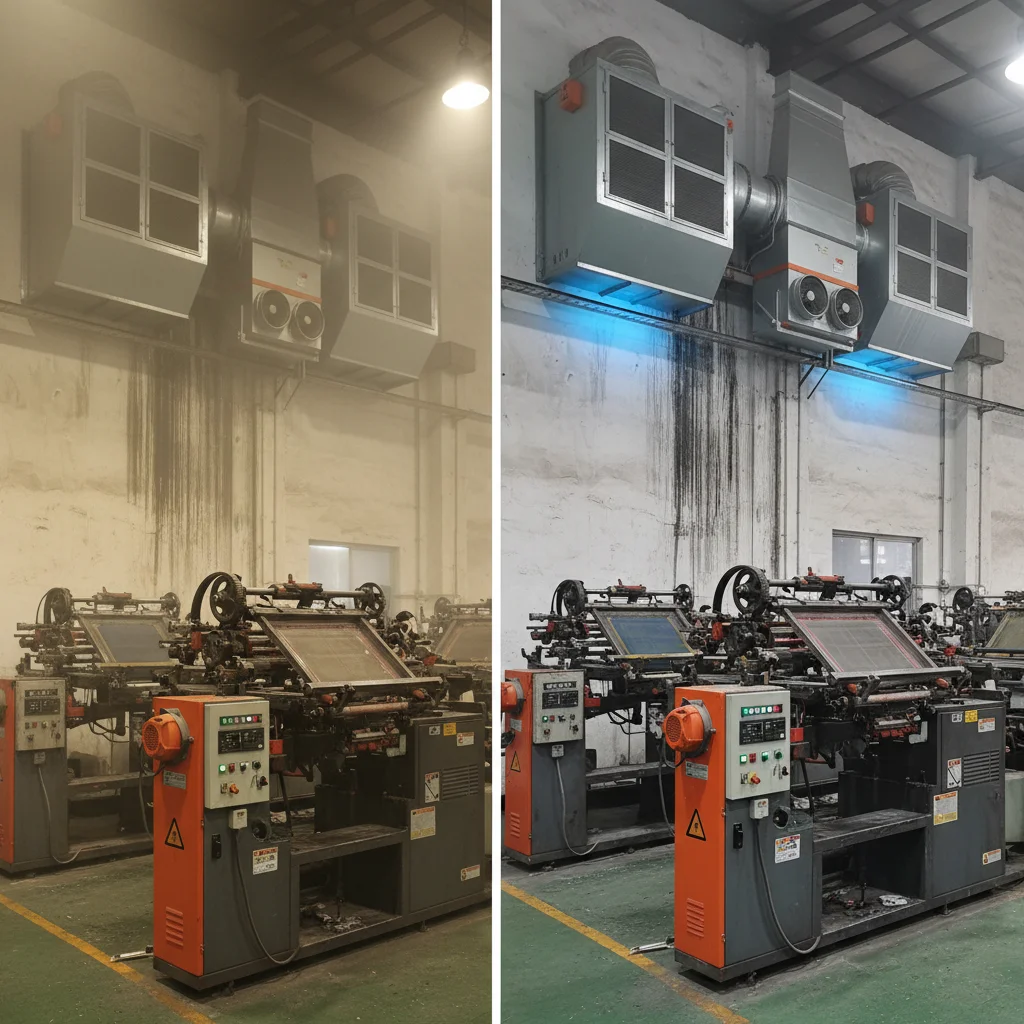
Industrial Wall Mounted Air Filtration for Clean Work Environments