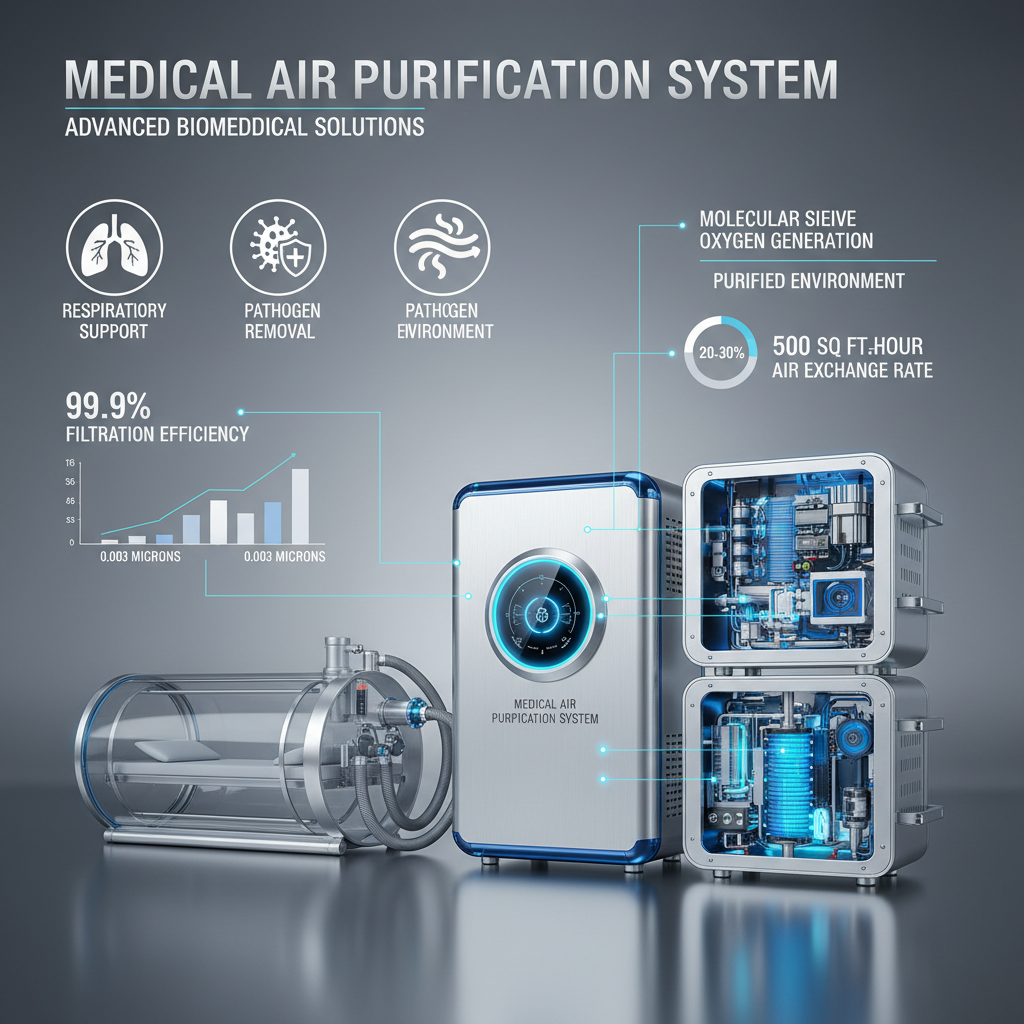
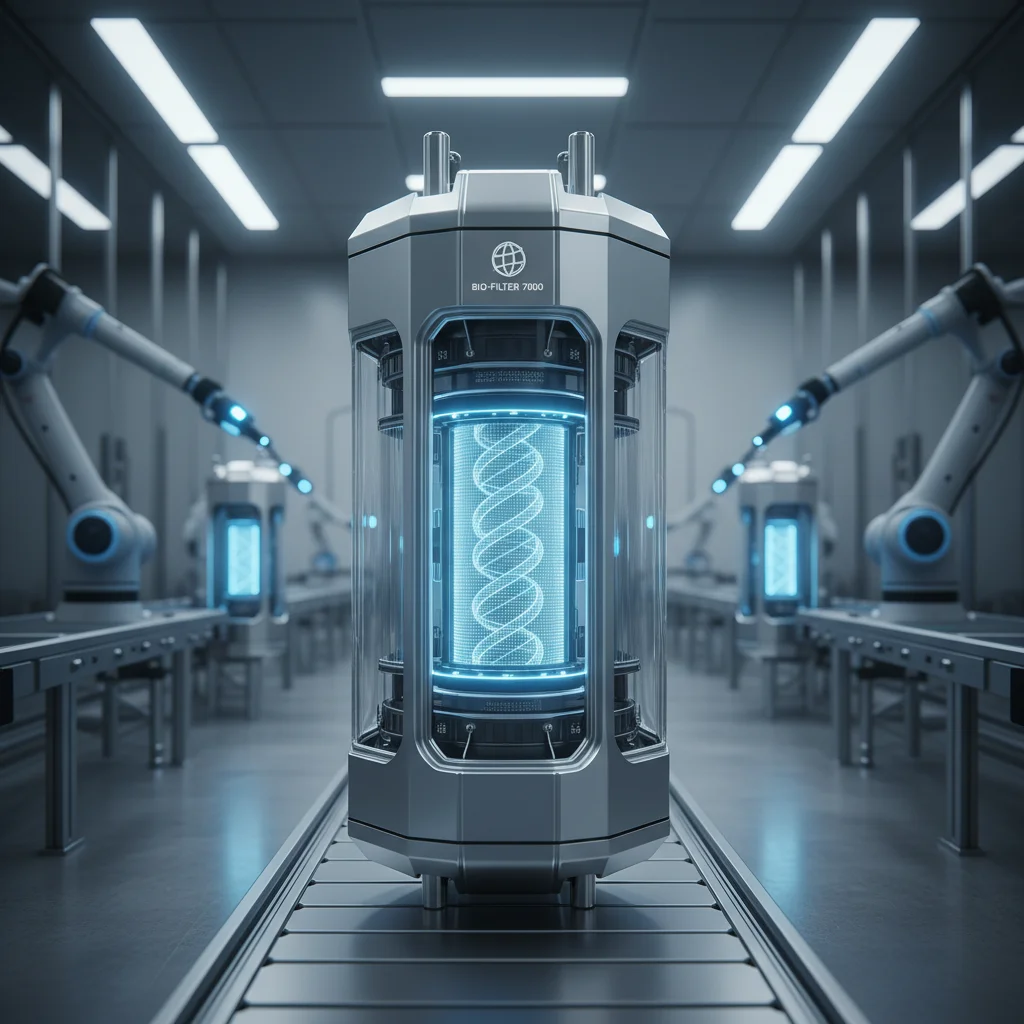
The realm of healthcare is constantly evolving, and maintaining a sterile and safe environment is paramount, particularly for vulnerable patients. air purifier medical devices have emerged as a critical component in achieving this goal, offering advanced filtration and purification capabilities beyond those of standard air purifiers. These specialized devices address a growing need for mitigating airborne pathogens, allergens, and pollutants within healthcare settings, contributing directly to improved patient outcomes and reduced healthcare-associated infections.
Globally, concerns regarding air quality and the spread of infectious diseases are escalating. The COVID-19 pandemic highlighted the critical importance of ventilation and air purification systems in minimizing transmission risk. This demand has spurred innovation in air purifier medical device technology, driving the development of more efficient, effective, and portable solutions. Countries with limited healthcare infrastructure, or those facing environmental challenges like high levels of air pollution, are increasingly reliant on these devices to provide a basic level of respiratory protection.
The need for robust air purification systems is further underscored by the rising incidence of respiratory illnesses and allergies worldwide. From hospitals and clinics to operating rooms and patient isolation wards, air purifier medical devices are playing an increasingly vital role in safeguarding public health and creating healing environments. Understanding their functionality, applications, and future trends is therefore essential for healthcare professionals, facility managers, and policymakers alike.
Introduction to air purifier medical device
air purifier medical devices represent a specialized subset of air purification technology, meticulously engineered to meet the stringent requirements of healthcare environments. Unlike conventional air purifiers primarily focused on removing dust and allergens, medical-grade devices are designed to capture and eliminate airborne pathogens, volatile organic compounds (VOCs), and other harmful contaminants that can compromise patient safety.
These devices are not simply about improving air quality; they're about actively mitigating risk, preventing infection, and supporting optimal healing conditions. The increasing demand for these systems is driven by a heightened awareness of airborne disease transmission and a commitment to infection control within healthcare facilities globally.
Defining air purifier medical device
An air purifier medical device is a filtration system designed specifically for use in healthcare settings to remove airborne contaminants, including bacteria, viruses, fungi, dust, pollen, and volatile organic compounds (VOCs). These devices go beyond standard air purification by employing advanced filtration technologies, such as HEPA (High-Efficiency Particulate Air) filters and activated carbon filters, and often incorporating UV-C sterilization.
The core distinction lies in their adherence to rigorous regulatory standards and performance criteria. Medical-grade air purifiers are often classified as Class I or Class II medical devices, subject to scrutiny by regulatory bodies like the FDA (Food and Drug Administration) in the United States, ensuring safety and effectiveness.
Their connection to modern industry and humanitarian needs is increasingly vital. As healthcare systems face growing pressures from infectious diseases and compromised air quality, these devices represent a proactive solution for protecting vulnerable populations and minimizing healthcare-associated infections.
Core Components of air purifier medical device
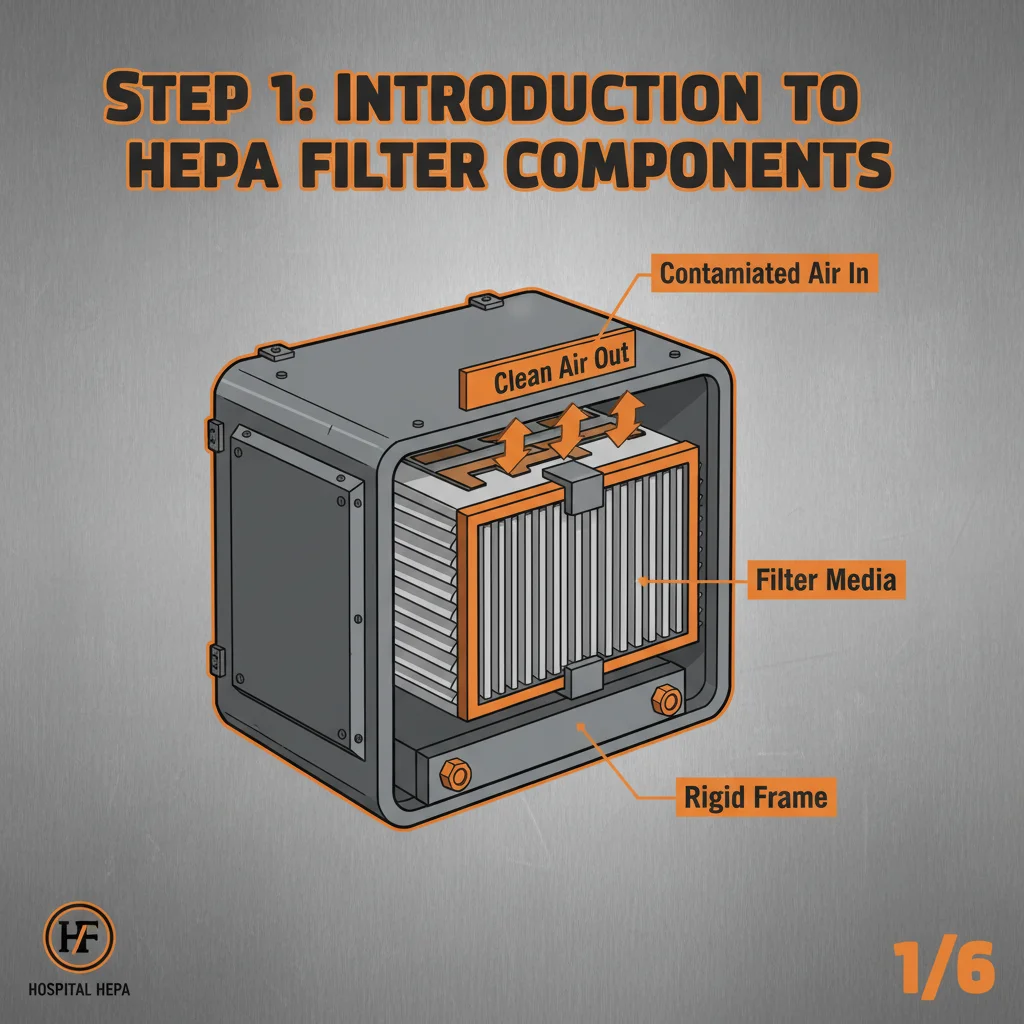
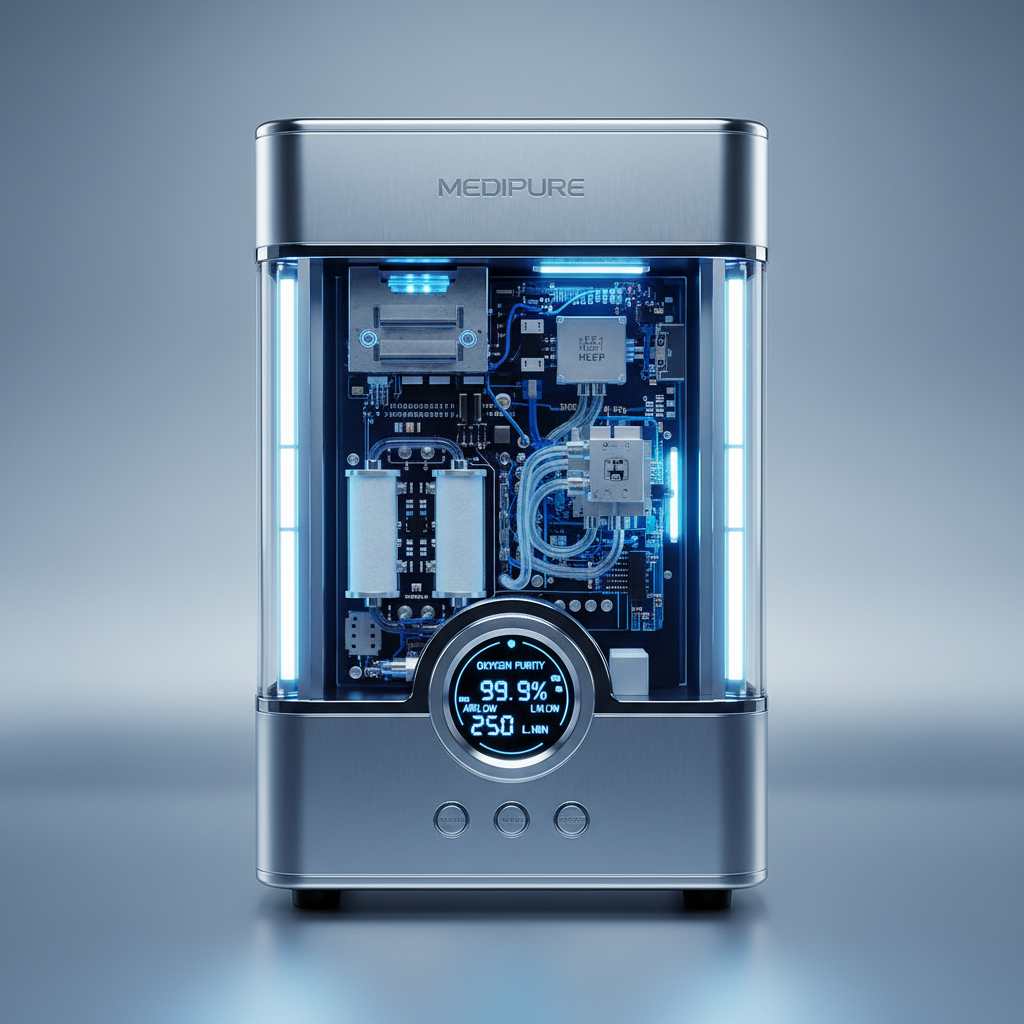
air purifier medical devices are comprised of several key components working in concert to deliver clean, purified air. A foundational element is the pre-filter, designed to capture larger particles like dust and debris, extending the lifespan of subsequent filters. Following this is the core filtration system, typically employing HEPA filters capable of removing at least 99.97% of particles 0.3 microns in size.
Activated carbon filters are also frequently integrated, effectively absorbing odors, gases, and VOCs that contribute to poor indoor air quality. More advanced models often include UV-C lamps, which use ultraviolet light to neutralize bacteria, viruses, and other microorganisms. Finally, a powerful fan and control system ensure optimal airflow and efficient operation, with features like adjustable fan speeds and filter replacement indicators.
The synergy between these components is what defines the efficacy of a air purifier medical device. Each element plays a crucial role in capturing, neutralizing, and removing a wide range of airborne contaminants, creating a safer and healthier environment for patients and healthcare workers.
Key Factors Influencing air purifier medical device Effectiveness
The effectiveness of an air purifier medical device isn’t solely determined by the filters it employs. Several key factors significantly influence its ability to deliver clean air. Air Change Rate (ACH), indicating how many times the air in a room is filtered per hour, is paramount; higher ACH values generally result in better purification.
The size of the room is also crucial – a device sized for a small room will be inadequate for a larger space. Filter quality, including the MERV (Minimum Efficiency Reporting Value) rating, is another important consideration. Additionally, the device’s airflow pattern and placement within the room can affect its ability to effectively circulate and purify the air.
Global Applications of air purifier medical device
The applications of air purifier medical devices are widespread, encompassing a broad range of healthcare settings and specialized environments. Hospitals utilize them extensively in operating rooms, intensive care units (ICUs), and patient isolation wards to minimize the risk of airborne infections. Clinics and dental offices also benefit from improved air quality, protecting both patients and staff.
Beyond traditional healthcare facilities, these devices are increasingly employed in long-term care facilities, rehabilitation centers, and even assisted living communities. In post-disaster relief operations, portable air purifier medical devices provide critical air filtration in temporary medical shelters. Moreover, specialized applications include pharmaceutical manufacturing facilities and laboratories requiring highly controlled environments.
Advantages of Using air purifier medical device
Implementing air purifier medical devices yields significant advantages, extending beyond immediate air quality improvements. Cost savings are realized through reduced healthcare-associated infections, leading to shorter hospital stays and lower treatment expenses. The enhanced safety and well-being of patients and staff contribute to a more positive healthcare experience.
The long-term value stems from improved patient outcomes, reduced morbidity rates, and a strengthened reputation for infection control. From a sustainability perspective, effective air purification can decrease the reliance on energy-intensive ventilation systems. Ultimately, investing in these devices fosters a culture of proactive health protection and demonstrates a commitment to patient-centered care.
Future Trends in air purifier medical device Technology
The future of air purifier medical device technology is marked by exciting innovations. Advancements in filtration materials, such as nanofiber filters, promise even greater efficiency in capturing ultrafine particles. Integration with smart technologies and the Internet of Things (IoT) enables remote monitoring, automated control, and predictive maintenance.
Research into photocatalytic oxidation (PCO) systems, which use UV light and catalysts to break down pollutants at a molecular level, is also gaining momentum. Moreover, there's a growing emphasis on developing more energy-efficient and sustainable devices, incorporating renewable energy sources and eco-friendly materials. These developments are poised to revolutionize air purification in healthcare and beyond.
The trend towards personalized air purification, adapting to specific patient needs and room conditions, is also expected to gain traction. This will necessitate more sophisticated sensor technology and intelligent control algorithms.
FAQS
Medical-grade air purifiers adhere to strict regulatory standards and utilize advanced filtration technologies, like HEPA and UV-C, specifically designed to capture airborne pathogens, exceeding the capabilities of standard air purifiers which primarily focus on dust and allergens. Medical-grade devices are often tested and certified to meet specific performance criteria for healthcare environments.
Filter replacement frequency depends on usage and environmental conditions. Pre-filters typically need replacement every 1-3 months, while HEPA filters may last 6-12 months. Activated carbon filters should be replaced every 3-6 months. It's crucial to follow the manufacturer's recommendations and monitor filter saturation indicators for optimal performance.
UV-C air purifiers are generally safe when designed and operated correctly. Proper shielding is essential to prevent direct exposure to UV-C light, which can be harmful to skin and eyes. Reputable manufacturers ensure their devices meet safety standards and incorporate features to minimize risk.
Placement is critical. The air purifier should be positioned to maximize airflow and coverage, ideally in a central location away from obstructions like furniture. Consider the room's ventilation patterns and patient bed location to optimize purification effectiveness. Avoid placing the device directly against walls or in corners.
Air Change Rate (ACH) is a key metric; it indicates how many times the air in a room is completely filtered per hour. A higher ACH generally means better air purification. Healthcare facilities typically aim for an ACH of 4-6 or higher, depending on the specific application and risk level. Select a device with an ACH appropriate for the room's size and ventilation.
Look for certifications from reputable organizations like AHAM (Association of Home Appliance Manufacturers) for CADR (Clean Air Delivery Rate) testing. For medical-grade devices, ensure compliance with FDA regulations or equivalent standards in your region. Certifications validate performance claims and ensure the device meets safety requirements.
Conclusion
In conclusion, air purifier medical devices represent a vital investment in healthcare infrastructure and patient safety. From their core components and diverse applications to the future trends shaping their evolution, these devices play a pivotal role in mitigating airborne threats and fostering healthier environments. Understanding their functionality, proper implementation, and ongoing maintenance is crucial for optimizing their effectiveness and maximizing their long-term value.
Looking ahead, continued innovation in filtration technology, smart integration, and sustainability will further enhance the capabilities of air purifier medical devices. Proactive adoption of these advancements and a commitment to air quality management will be essential for safeguarding public health and creating a more resilient healthcare system. Visit our website at www.meshmachinery.com to explore our range of advanced air purification solutions.