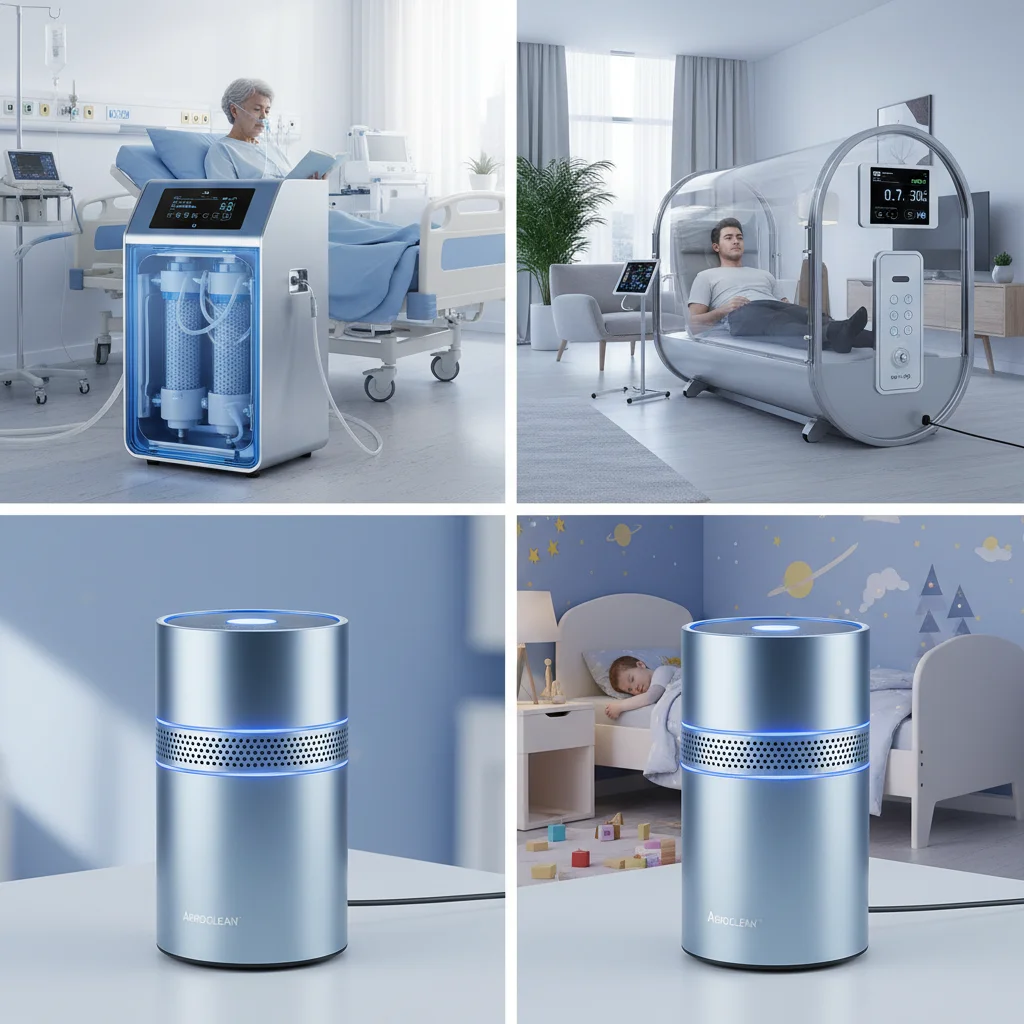

Hospitals worldwide rely on maintaining exceptionally clean air to protect vulnerable patients from healthcare-associated infections (HAIs). The cornerstone of this air purification lies in the use of High-Efficiency Particulate Air (HEPA) filters. These filters aren’t simply a modern convenience; they are a critical component of infection control protocols, drastically reducing the spread of airborne pathogens and improving patient outcomes. Understanding the nuances of hepa filters used in hospitals is therefore paramount for healthcare administrators, infection control specialists, and anyone involved in hospital facility management.
The global healthcare landscape is increasingly focused on preventative measures, driven by the rising costs associated with treating HAIs and a growing awareness of antimicrobial resistance. According to the World Health Organization (WHO), HAIs affect millions of patients each year globally, and represent a significant burden on healthcare systems. Implementing robust air filtration systems with effective hepa filters used in hospitals is a cost-effective strategy for mitigating these risks. The demand for these filters is therefore continuously increasing, particularly in regions with expanding healthcare infrastructure.
The efficacy of these filters extends beyond infection control. High-quality air filtration can also improve comfort for both patients and staff, reduce allergy symptoms, and contribute to a more positive hospital environment. As healthcare facilities strive to deliver patient-centered care, the role of hepa filters used in hospitals in creating a healing atmosphere is gaining increased recognition.
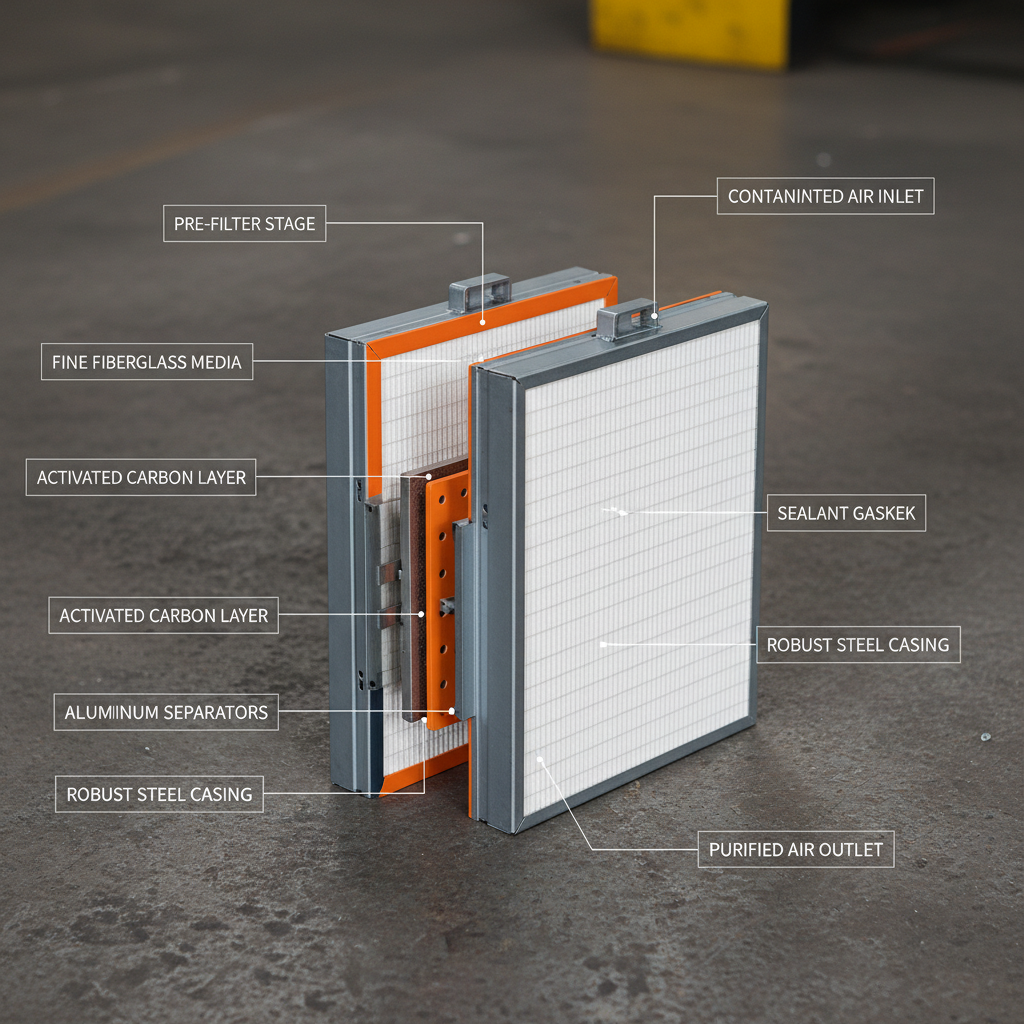
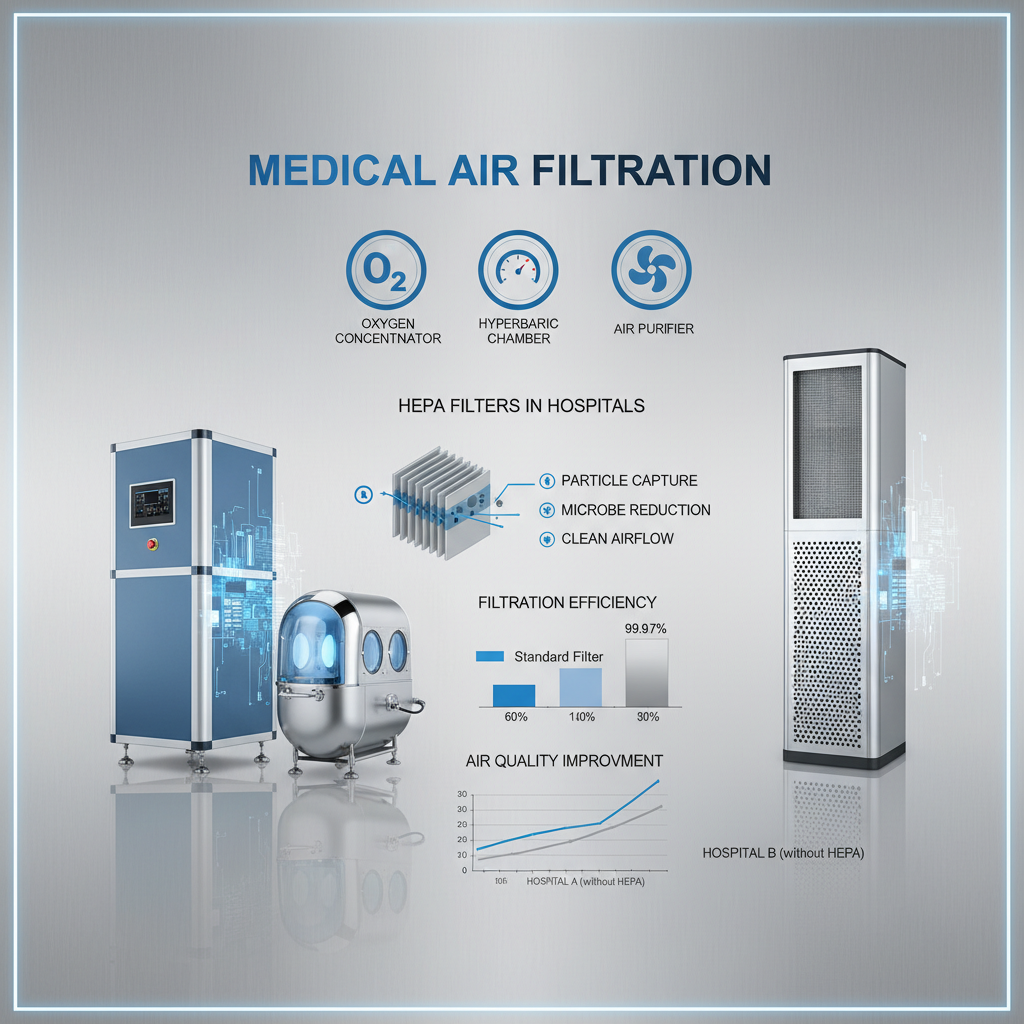
HEPA filters are designed to remove at least 99.97% of particles 0.3 micrometers in diameter, which represents the most penetrating particle size. This level of filtration is crucial in hospital environments where airborne pathogens, such as bacteria, viruses, and fungal spores, can pose a significant threat to immunocompromised patients. The deployment of hepa filters used in hospitals is a cornerstone of modern infection prevention.
The application of HEPA filtration extends across various areas within a hospital, including operating rooms, intensive care units (ICUs), isolation rooms, and ventilation systems. Proper selection, installation, and maintenance of these filters are vital to ensure optimal performance and protect both patients and healthcare staff. Their effectiveness directly impacts the quality of care and the overall safety of the hospital environment.
While both HEPA and ULPA (Ultra-Low Penetration Air) filters are highly efficient, ULPA filters capture even smaller particles than HEPA filters. HEPA filters remove 99.97% of particles 0.3 microns in diameter, while ULPA filters remove 99.999% of particles 0.12 microns in diameter. ULPA filters are generally used in more critical applications, like pharmaceutical manufacturing or semiconductor fabrication, where even the smallest particles can cause contamination. For most hospital environments, HEPA filtration provides adequate protection.
The frequency of HEPA filter replacement depends on several factors, including air quality, filter loading, and manufacturer recommendations. However, a general guideline is to replace filters every 6-12 months. Regular pressure drop monitoring is crucial. A significant increase in pressure drop indicates a clogged filter and the need for replacement. Some hospitals implement a scheduled replacement program based on usage and environmental factors.
Yes, HEPA filters are highly effective at capturing virus-laden particles. While HEPA filters don't kill viruses, they physically trap them, preventing them from circulating in the air. Viruses typically travel attached to droplets or aerosols, and these particles are easily captured by HEPA filters. Combining HEPA filtration with other preventative measures, like ventilation and social distancing, provides a robust defense against airborne viral transmission.
The cost of installing and maintaining a HEPA filtration system varies widely depending on the size of the hospital, the complexity of the system, and the type of filters used. Installation costs can range from several thousand to hundreds of thousands of dollars. Ongoing maintenance costs include filter replacement, labor, and energy consumption. However, the benefits of reduced HAIs and improved patient outcomes often outweigh the costs.
Proper installation and maintenance are critical for ensuring the effectiveness of HEPA filtration. Hospitals should work with qualified HVAC professionals who have experience with healthcare facilities. Regular inspections, leak testing, and filter replacement schedules should be implemented and documented. Staff training on proper filter handling and maintenance procedures is also essential.
Using counterfeit HEPA filters poses a significant risk to patient safety. These filters often do not meet the required efficiency standards and may allow harmful particles to circulate in the air. Hospitals should only purchase filters from reputable suppliers and verify their authenticity before installation. Look for certifications and documentation confirming compliance with industry standards.
hepa filters used in hospitals are an indispensable component of modern healthcare, playing a vital role in protecting patients and staff from airborne infections. Their effectiveness is dependent on factors such as initial efficiency, ongoing maintenance, and proper installation. Investing in high-quality filtration systems and adhering to best practices are crucial for creating a safe and healthy hospital environment.
Looking ahead, advancements in filtration technology, coupled with the increasing emphasis on preventative healthcare, will further enhance the role of HEPA filtration in hospitals. Continuous monitoring, predictive maintenance, and the development of innovative filtration materials will contribute to improved air quality and ultimately, better patient outcomes. Visit our website at www.meshmachinery.com to learn more about our comprehensive range of filtration solutions for healthcare facilities.