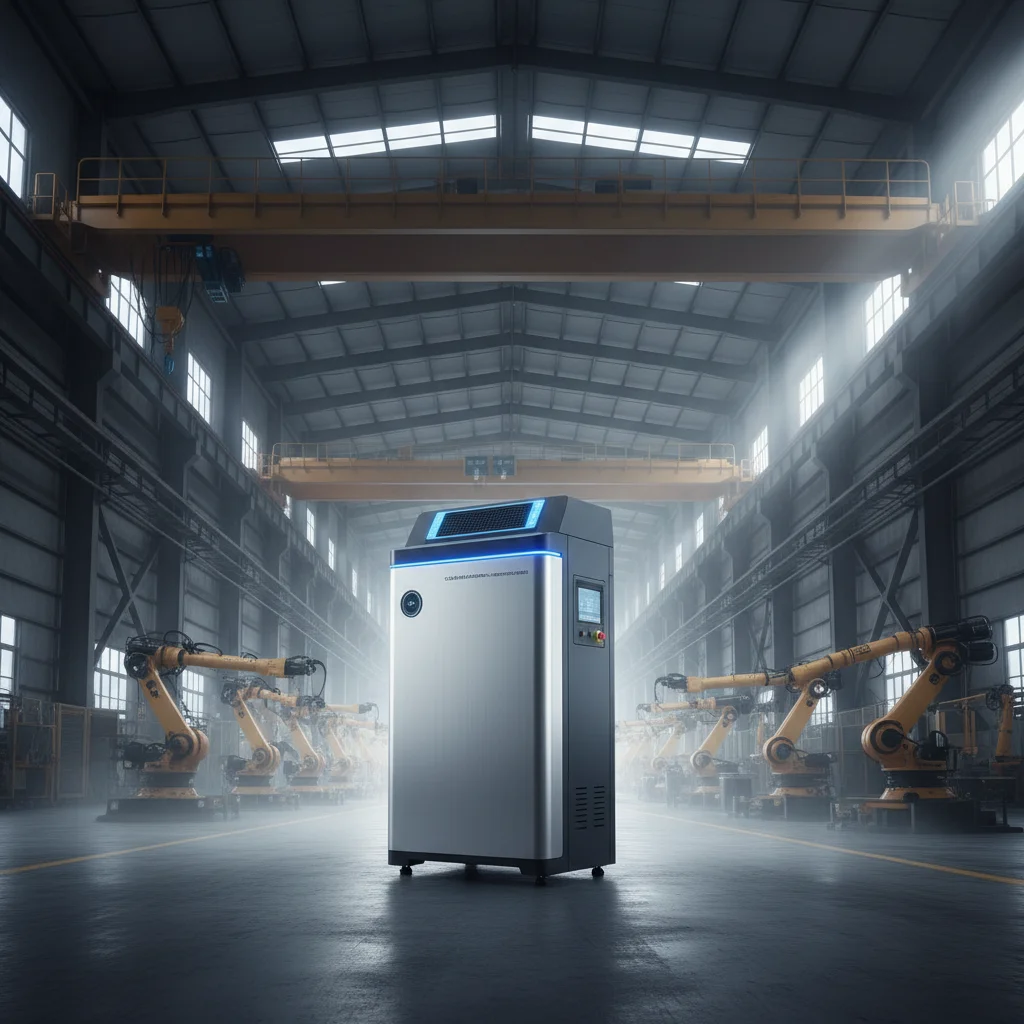
Hospital air filtration is a critical component of maintaining sterile environments within healthcare facilities. Globally, the demand for effective hospital air filter systems is escalating due to increasing concerns about healthcare-associated infections (HAIs), the emergence of drug-resistant pathogens, and a growing emphasis on patient safety. These filters aren’t merely about removing dust; they're vital in preventing the spread of airborne diseases, protecting vulnerable patients, and ensuring the efficacy of surgical procedures.
The relevance of hospital air filtration is supported by data from organizations like the World Health Organization (WHO) and the Centers for Disease Control and Prevention (CDC), which highlight HAIs as a significant cause of morbidity and mortality. According to the WHO, HAIs affect millions of patients worldwide each year. Investing in advanced filtration technologies is, therefore, not just a matter of compliance but a fundamental aspect of quality healthcare delivery.
The increasing prevalence of airborne viruses and bacteria, coupled with the rising number of immunocompromised individuals, underscores the necessity of robust hospital air filter solutions. Without these systems, hospitals risk becoming breeding grounds for infectious agents, jeopardizing both patients and healthcare workers.
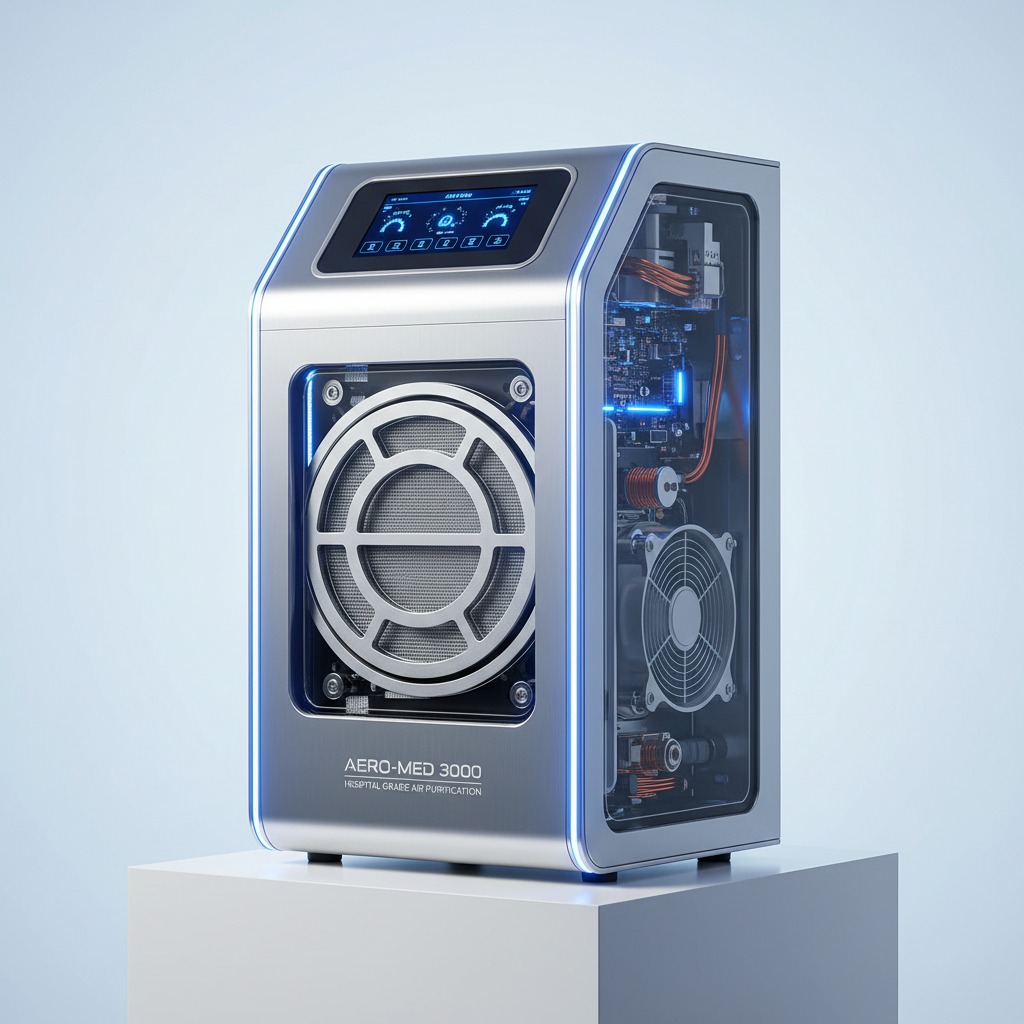
Introduction to Hospital Air Filtration
Effective hospital air filter systems are indispensable for maintaining aseptic conditions and preventing the spread of airborne contaminants within healthcare settings. They represent a proactive measure to safeguard patient health and minimize the risk of post-operative infections, respiratory illnesses, and other hospital-acquired conditions. The efficacy of these systems is continually assessed and upgraded to meet evolving infection control standards.
The importance of these filters extends beyond the direct protection of patients. They also play a vital role in protecting healthcare personnel from exposure to infectious agents, reducing absenteeism and enhancing the overall quality of care. Modern hospital designs increasingly incorporate advanced filtration technologies as integral components of their ventilation systems, prioritizing air quality alongside other critical safety features.
Defining Hospital Air Filters
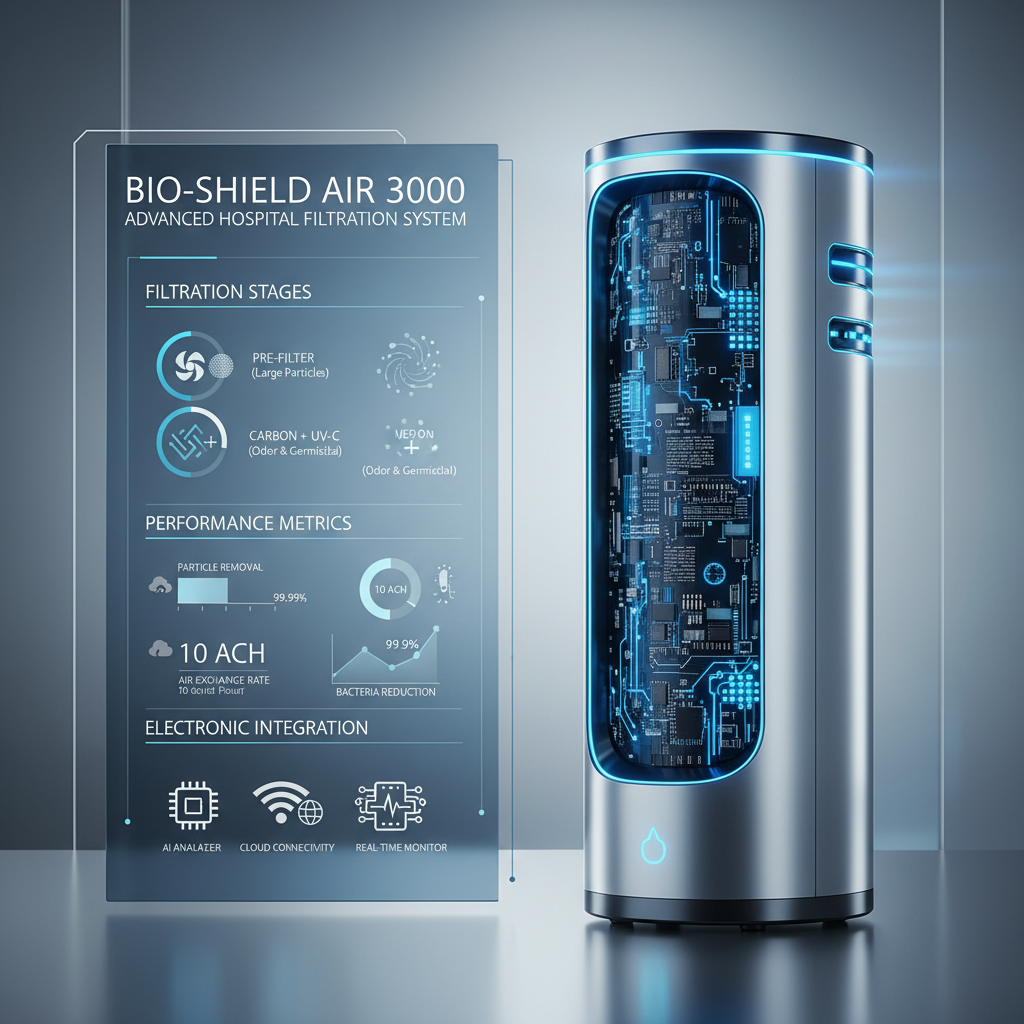
A hospital air filter is a specialized filtration system designed to remove airborne particles, microorganisms, and volatile organic compounds (VOCs) from the air circulating within healthcare facilities. These filters differ significantly from those used in residential or commercial settings, employing higher efficiency particulate air (HEPA) or ultra-low penetration air (ULPA) technologies to capture even the smallest airborne contaminants.
These filters aren't simply add-ons; they are fundamentally linked to modern healthcare's focus on infection control and patient wellbeing. The very nature of modern medical procedures, often involving invasive techniques, necessitates extremely clean air to minimize the risk of complications.
The connection to humanitarian needs is also apparent. In field hospitals or disaster relief scenarios where maintaining sterile conditions is challenging, portable hospital air filter units can be lifesavers, preventing outbreaks and providing a safe environment for medical interventions.
Key Factors in Hospital Air Filter Performance
Several critical factors determine the performance and effectiveness of a hospital air filter. First, filtration efficiency is paramount, referring to the filter's ability to capture particles of a specific size. HEPA filters, for instance, are rated to remove at least 99.97% of particles 0.3 microns in diameter. Second, air flow rate is crucial—the filter must allow sufficient air circulation without compromising filtration quality.
Thirdly, filter lifespan and maintenance play a significant role. Filters need to be regularly inspected and replaced to maintain optimal performance, and a robust maintenance schedule is essential. Fourth, material compatibility is important—the filter materials must be compatible with the hospital environment and any cleaning or sterilization procedures. Finally, pressure drop across the filter is a key consideration, as excessive pressure drop can strain the HVAC system.
These factors aren't isolated; they interact to influence overall performance. Choosing the right hospital air filter requires a comprehensive understanding of these interdependencies and tailoring the solution to the specific needs of the healthcare facility.
Global Applications of Hospital Air Filtration
Hospital air filtration is employed across a wide spectrum of healthcare settings worldwide. From major metropolitan hospitals in developed nations to rural clinics in developing countries, the need for clean air is universal. In North America and Europe, stringent regulations and high standards of care drive the demand for advanced HEPA and ULPA filtration systems.
In emerging economies, the focus is often on improving basic infection control measures, with hospital air filter systems being increasingly adopted as a cost-effective means of reducing HAIs. Organizations like the WHO actively promote the use of these technologies in resource-limited settings.
Hospital Air Filter Efficiency by Method
Advantages and Long-Term Value
The advantages of investing in high-quality hospital air filter systems are substantial. Tangibly, they lead to reduced HAIs, lowering treatment costs and improving patient outcomes. This translates into both economic savings for healthcare providers and enhanced wellbeing for patients. They also enhance the facility's reputation and attract patients seeking the highest standards of care.
Long-term value extends beyond cost savings. A commitment to air quality demonstrates a dedication to patient safety and contributes to a culture of trust. Furthermore, these systems can enhance staff morale by creating a healthier and safer work environment. This provides a return on investment that impacts both bottom lines and human capital.
Future Trends and Innovations
The future of hospital air filtration is poised for innovation. Smart filters equipped with sensors that monitor air quality in real-time and automatically adjust filtration levels are emerging. These systems provide proactive control and optimize energy efficiency. There's also increasing research into advanced materials, such as antimicrobial coatings and self-sterilizing filters, offering enhanced protection against pathogens.
Digital integration and remote monitoring will also play a growing role, allowing for centralized management of air filtration systems across entire hospital networks. These trends align with the broader movement toward digitalization and automation in healthcare, aiming to improve efficiency, reduce errors, and enhance patient safety.
Challenges and Solutions in Implementation
Despite the benefits, implementing and maintaining effective hospital air filtration systems presents challenges. Initial costs can be high, and ongoing maintenance requires specialized expertise. Retrofitting existing buildings to accommodate advanced filtration systems can be complex and disruptive.
Solutions include exploring financing options, such as leasing or energy performance contracts. Investing in staff training and developing comprehensive maintenance programs are also crucial. Selecting modular and scalable filter systems can simplify retrofitting and allow for future expansion.
Summary of Hospital Air Filter Implementation Challenges and Solutions
| Challenge |
Impact on Hospital |
Proposed Solution |
Implementation Cost (1-10) |
| High Initial Investment |
Budget constraints, delayed upgrades |
Leasing options, phased implementation |
6 |
| Complex Retrofitting |
Disruption of hospital operations |
Modular filter systems, careful planning |
7 |
| Maintenance Requirements |
Reduced filter efficiency, increased risk |
Scheduled maintenance, trained personnel |
5 |
| Airflow Disruption |
Reduced HVAC efficiency, discomfort |
Proper filter selection, system balancing |
4 |
| Lack of Awareness |
Insufficient investment in air quality |
Education campaigns, industry advocacy |
3 |
| Regulatory Compliance |
Penalties, reputational damage |
Staying updated on standards, regular audits |
8 |
FAQS
HEPA (High-Efficiency Particulate Air) filters remove at least 99.97% of particles 0.3 microns in diameter, while ULPA (Ultra-Low Penetration Air) filters are even more efficient, capturing 99.999% of particles of the same size. ULPA filters are typically used in critical environments like operating rooms and laboratories where the highest level of air purity is required. Both are key components of effective hospital air filter strategies.
The frequency of air filter replacement depends on several factors, including the type of filter, the level of air contamination, and hospital usage. Generally, pre-filters should be replaced every 1-3 months, while HEPA or ULPA filters may last 6-12 months. Regular monitoring of pressure drop and visual inspection can help determine when replacement is necessary.
VOCs (Volatile Organic Compounds) are gases emitted from various sources, including cleaning products, paints, and building materials. In hospitals, VOCs can contribute to sick building syndrome, irritate the respiratory system, and potentially affect patient health. Advanced hospital air filter systems often incorporate activated carbon filters to remove VOCs.
Air filtration can affect HVAC system performance by creating resistance to airflow, increasing energy consumption. Selecting filters with an appropriate pressure drop rating is essential to minimize this impact. Regular maintenance, including filter replacement, also helps maintain optimal HVAC efficiency.
Yes, several certifications and standards govern hospital air filter performance. These include HEPA filter certifications (like EN 1822), ULPA filter certifications, and standards set by organizations like ASHRAE (American Society of Heating, Refrigerating and Air-Conditioning Engineers). Adherence to these standards ensures quality and reliability.
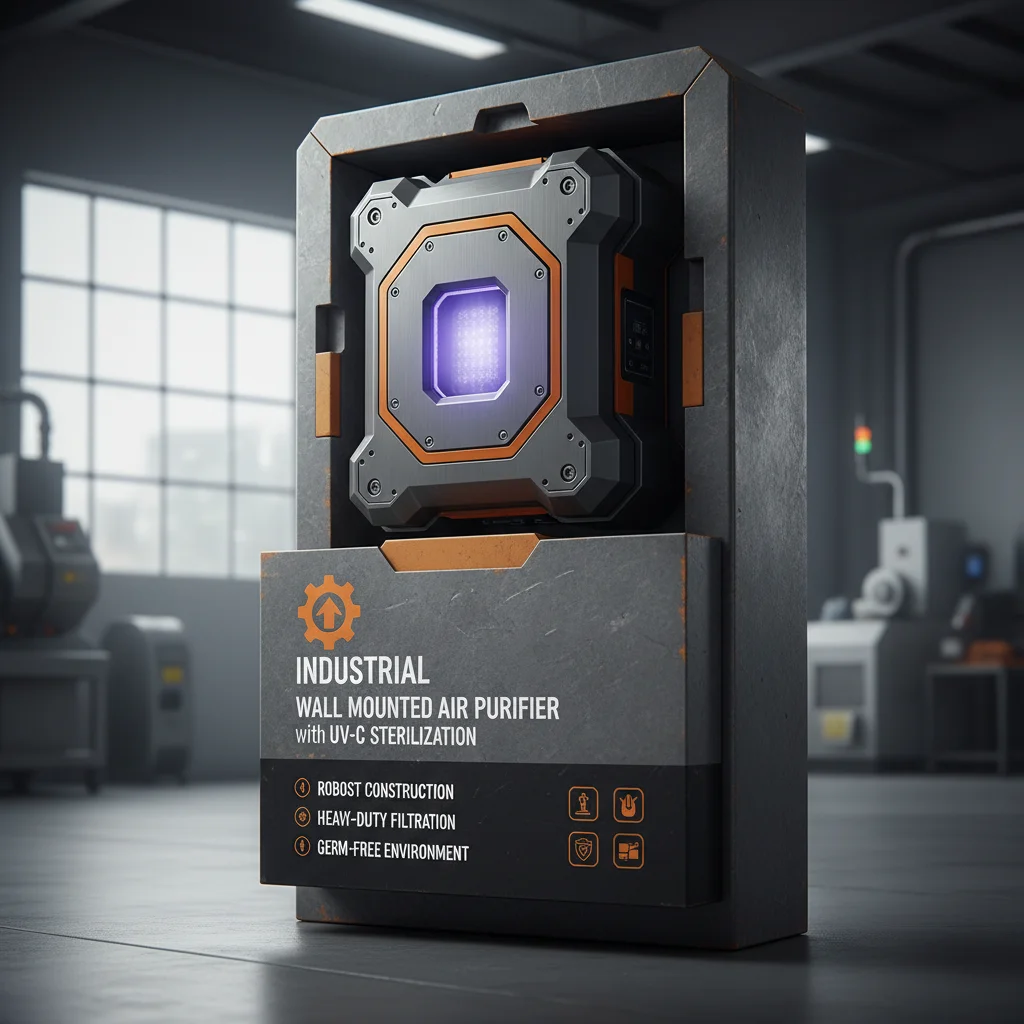
UV-C (Ultraviolet-C) light is often used in conjunction with filtration to disinfect air and surfaces. UV-C light destroys the DNA of microorganisms, preventing them from replicating. When integrated into hospital air filter systems, UV-C can enhance the overall effectiveness of air purification.
Conclusion
In conclusion, hospital air filtration is a cornerstone of modern healthcare, providing a critical layer of protection against airborne contaminants and ensuring patient safety. Investing in advanced filtration technologies, implementing robust maintenance programs, and staying abreast of emerging innovations are essential for maintaining a healthy and safe healthcare environment. The advantages, ranging from reduced HAIs to enhanced patient trust, significantly outweigh the associated costs.
Looking ahead, the integration of smart technologies, antimicrobial materials, and proactive monitoring systems will further revolutionize hospital air filtration. It's imperative for healthcare facilities to prioritize air quality as an integral component of their overall infection control strategies, adopting a forward-thinking approach that safeguards both patients and staff. Visit our website at www.meshmachinery.com to learn more about our comprehensive range of hospital air filtration solutions.