Medical therapeutics air purifier filter systems represent a crucial intersection of engineering, healthcare, and public safety. These filters aren't simply about removing dust; they’re designed to capture microscopic airborne contaminants – viruses, bacteria, allergens, and particulate matter – that can severely impact vulnerable patient populations. Understanding their functionality, advancements, and proper application is increasingly vital in a world facing growing concerns about air quality and infectious disease transmission.
The global demand for high-efficiency air purification is surging, fueled by rising rates of respiratory illnesses, increased awareness of indoor air pollution, and a need for stringent infection control in healthcare facilities. According to the World Health Organization, around 99% of the global population breathes air exceeding WHO guideline limits, underscoring the urgent need for effective air purification solutions. Medical therapeutics air purifier filter technology addresses this by providing a barrier against these pollutants, ultimately improving patient outcomes and protecting healthcare workers.
The significance of medical therapeutics air purifier filter extends beyond hospitals and clinics. They are becoming integral in operating rooms, isolation wards, pharmaceutical manufacturing, research laboratories, and even specialized home healthcare settings. Ongoing innovations in filter media, coupled with smart monitoring and control systems, are continuously enhancing their performance and adaptability to diverse environmental challenges.
The Importance of Medical Therapeutics Air Purifier Filter
The rising prevalence of airborne diseases and the increasing need for sterile environments in healthcare are driving the demand for effective medical therapeutics air purifier filter systems. These systems aren’t simply about maintaining air quality; they are directly linked to improved patient outcomes, reduced hospital-acquired infections, and enhanced safety for medical personnel. Investing in and understanding this technology is therefore paramount.
The impact extends beyond immediate health concerns. Maintaining optimal air quality contributes to a more productive and comfortable environment for both patients and staff. This impacts recovery times, reduces stress levels, and promotes a sense of well-being. Moreover, adherence to stringent air quality standards, made possible by medical therapeutics air purifier filter, is becoming increasingly important for healthcare accreditation and regulatory compliance.
Defining Medical Therapeutics Air Purifier Filter
Medical therapeutics air purifier filter refers to specialized air filtration systems engineered to remove a wide spectrum of airborne contaminants within healthcare and therapeutic settings. Unlike standard air purifiers designed for general home use, these filters prioritize the capture of microscopic pathogens, allergens, and volatile organic compounds (VOCs) that pose a direct threat to patient health. They typically employ a multi-stage filtration process.
This technology is crucial in modern medical facilities where maintaining sterile conditions is paramount. They are not merely reactive measures to clean existing air, but proactive systems designed to prevent the spread of infection and safeguard sensitive procedures. Their connection to modern industry stems from advancements in material science, engineering, and a growing understanding of airborne disease transmission.
The term ‘therapeutics’ within the description highlights the direct impact on health and treatment. These filters contribute to a healing environment, optimizing conditions for successful therapeutic interventions. The design and performance of these systems are heavily regulated and subject to rigorous testing to ensure they meet the stringent requirements of the healthcare industry.
Core Components and Key Factors
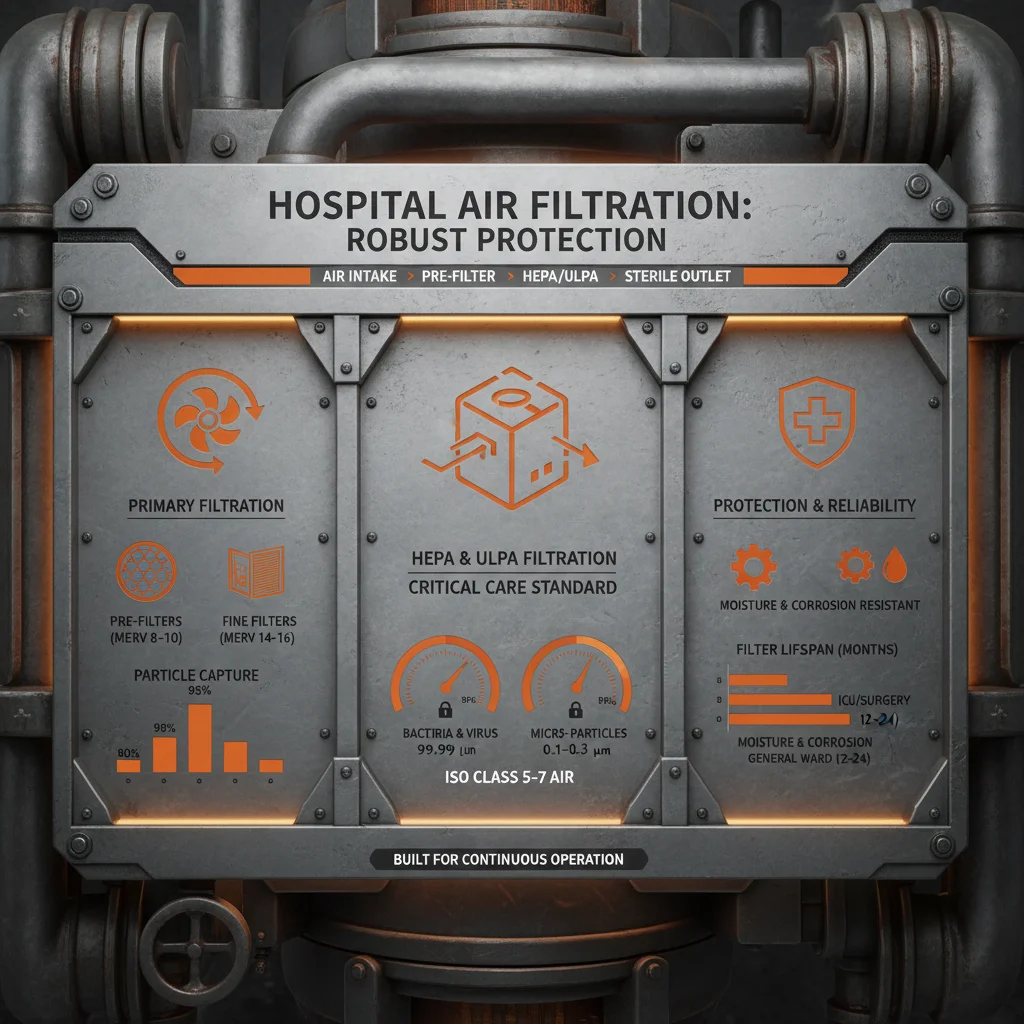
Several core components define the effectiveness of a medical therapeutics air purifier filter system. First, the pre-filter captures larger particles like dust and pollen, extending the life of subsequent filters. Second, the HEPA (High-Efficiency Particulate Air) filter is the workhorse, capable of removing at least 99.97% of particles 0.3 microns in diameter – a critical size range for many viruses and bacteria. Third, activated carbon filters address gaseous pollutants and odors.
Beyond these core filters, factors like airflow rate (measured in CFM – cubic feet per minute), filter surface area, and the system’s overall construction quality significantly influence performance. Durability is also key; medical facilities require systems that can withstand continuous operation and maintain consistent filtration efficiency over extended periods. Scalability, allowing for adaptation to different room sizes and needs, is another essential consideration.
Cost efficiency is, of course, important, but should not compromise performance. A cheap filter that fails to adequately capture pathogens represents a false economy. Finally, the integration of smart monitoring systems, which track filter life and air quality in real-time, adds significant value and ensures optimal functionality. These systems provide data-driven insights for proactive maintenance and filter replacement.
Global Applications of Medical Therapeutics Air Purifier Filter
Medical therapeutics air purifier filter finds widespread application across a diverse range of healthcare settings globally. Hospitals are the primary users, particularly in operating rooms, intensive care units (ICUs), and isolation wards where maintaining a sterile environment is critical to prevent post-operative infections and protect vulnerable patients. The technology is also increasingly adopted in dental clinics and surgical centers.
Pharmaceutical manufacturing facilities utilize these filters to ensure product sterility during the production of medications and vaccines. Research laboratories, particularly those handling infectious agents, rely on high-efficiency air purification to protect researchers and prevent the accidental release of hazardous materials. In post-disaster relief operations, portable medical therapeutics air purifier filter units can provide a clean air haven in compromised environments.
Geographically, North America and Europe currently represent the largest markets for medical therapeutics air purifier filter, driven by stringent healthcare regulations and high levels of awareness regarding air quality. However, demand is rapidly growing in Asia-Pacific, fueled by rising healthcare expenditure and increasing rates of respiratory illnesses. Developing countries are also recognizing the importance of these systems as they strive to improve healthcare infrastructure and patient safety.
Performance Comparison of Medical Therapeutics Air Purifier Filter Methods
Advantages and Long-Term Value
The advantages of implementing medical therapeutics air purifier filter extend far beyond simply meeting regulatory requirements. Tangible benefits include reduced rates of hospital-acquired infections (HAIs), leading to lower treatment costs and improved patient survival rates. Furthermore, enhanced air quality translates to a healthier work environment for healthcare professionals, reducing absenteeism and increasing productivity.
From a long-term perspective, investing in high-quality air purification demonstrates a commitment to patient safety and well-being, fostering trust and enhancing an organization’s reputation. Sustainability is also a key advantage; by reducing the spread of airborne pathogens, these systems contribute to a more resilient healthcare system. The emotional impact – providing patients and staff with a sense of security and confidence – should not be underestimated.
Future Trends and Innovations
The future of medical therapeutics air purifier filter is poised for significant advancements. We are seeing a shift towards “smart” air purification systems that integrate with building management systems (BMS) and utilize real-time data analysis to optimize performance. Nanomaterials are being explored to create filters with even higher capture efficiency and longer lifespans.
Portable, self-contained units with advanced sensors are becoming more prevalent, offering flexibility and rapid deployment in emergency situations. The integration of ultraviolet germicidal irradiation (UVGI) technology alongside filtration is also gaining traction, providing an additional layer of disinfection. Research into bio-based and biodegradable filter materials aims to address sustainability concerns and reduce environmental impact.
Challenges and Solutions
Despite the numerous benefits, challenges remain in the widespread adoption of medical therapeutics air purifier filter. One major hurdle is the initial cost of implementation, particularly for smaller healthcare facilities. Another is the need for proper maintenance and filter replacement to ensure continued effectiveness. A lack of standardized testing protocols and clear performance benchmarks can also create confusion.
Solutions include government incentives and financial assistance programs to help offset the cost of upgrading air purification systems. Developing standardized maintenance protocols and offering comprehensive training for healthcare staff can address the maintenance challenge. Industry collaboration is crucial to establish clear performance standards and promote transparency. Furthermore, exploring cost-effective filter materials and innovative design solutions can help reduce overall system costs.
Medical Therapeutics Air Purifier Filter: Comparative Analysis of Key Characteristics
| Filter Type |
Particle Capture Efficiency (%) |
Lifespan (Months) |
Cost (USD) |
| HEPA Filter |
99.97 |
6-12 |
150-300 |
| ULPA Filter |
99.999 |
3-6 |
300-500 |
| Activated Carbon Filter |
85 |
3-6 |
80-150 |
| Pre-Filter (Washable) |
70 |
Indefinite |
20-50 |
| Electrostatic Precipitator |
90 |
6-12 |
200-400 |
| UVGI Integration |
99.9% (Microbial Inactivation) |
12-24 (UV Lamp) |
100-250 (Additional) |
FAQS
While both HEPA (High-Efficiency Particulate Air) and ULPA (Ultra-Low Penetration Air) filters are highly effective, ULPA filters offer a higher level of filtration. HEPA filters capture at least 99.97% of particles 0.3 microns in size, while ULPA filters capture at least 99.999% of particles of the same size. ULPA filters are typically used in environments requiring extremely high levels of cleanliness, such as semiconductor manufacturing or critical medical procedures where even the smallest particles can be detrimental.
The frequency of filter replacement depends on factors such as the filter type, the level of air contamination, and the system’s usage. Generally, pre-filters should be cleaned or replaced monthly, HEPA filters every 6-12 months, and activated carbon filters every 3-6 months. Many modern systems include filter life indicators that provide alerts when replacement is needed, ensuring optimal performance and preventing reduced efficiency.
Noise levels vary depending on the system’s design and airflow rate. However, many manufacturers prioritize noise reduction in medical settings. Look for systems with noise ratings below 55 decibels. Features like variable speed fans and sound-dampening materials can further minimize noise disruption, creating a more comfortable environment for patients and staff.
UVGI (Ultraviolet Germicidal Irradiation) is often integrated into medical therapeutics air purifier filter systems as an additional layer of disinfection. UV light deactivates the DNA of microorganisms – bacteria, viruses, and mold – preventing them from replicating. While filtration removes particles from the air, UVGI kills the microorganisms trapped within the filter, reducing the risk of re-release and further enhancing air quality.
Look for systems that are certified by organizations such as AHAM (Association of Home Appliance Manufacturers) or have undergone independent testing to verify their performance. Compliance with relevant industry standards, like ISO 14644-1 for cleanroom environments, is also important. These certifications ensure that the system meets specified filtration efficiency and safety requirements.
Yes, medical therapeutics air purifier filter, particularly those equipped with HEPA filters, are highly effective at removing common allergens like pollen, dust mites, pet dander, and mold spores. By reducing the concentration of these allergens in the air, these systems can significantly alleviate allergy symptoms and improve indoor air quality for sensitive individuals, creating a more comfortable and healthier environment.
Conclusion
Medical therapeutics air purifier filter represents a vital investment in public health, patient safety, and operational efficiency within healthcare facilities. From protecting vulnerable patients from airborne pathogens to creating a healthier work environment for medical professionals, the benefits are undeniable. Continuous advancements in filter technology, coupled with the integration of smart monitoring systems, are paving the way for even more effective and sustainable air purification solutions.
Looking ahead, wider adoption of these systems, supported by favorable policies and increased awareness, will be crucial in mitigating the risks associated with airborne diseases and improving overall healthcare outcomes. Consider visiting medical therapeutics air purifier filter to explore innovative solutions and discover how you can enhance air quality in your environment.